







-
0 Saturation
-
0 Aftertaste
-
0 Aroma
-
0 Effect
-
0 Balance
-
0 Body
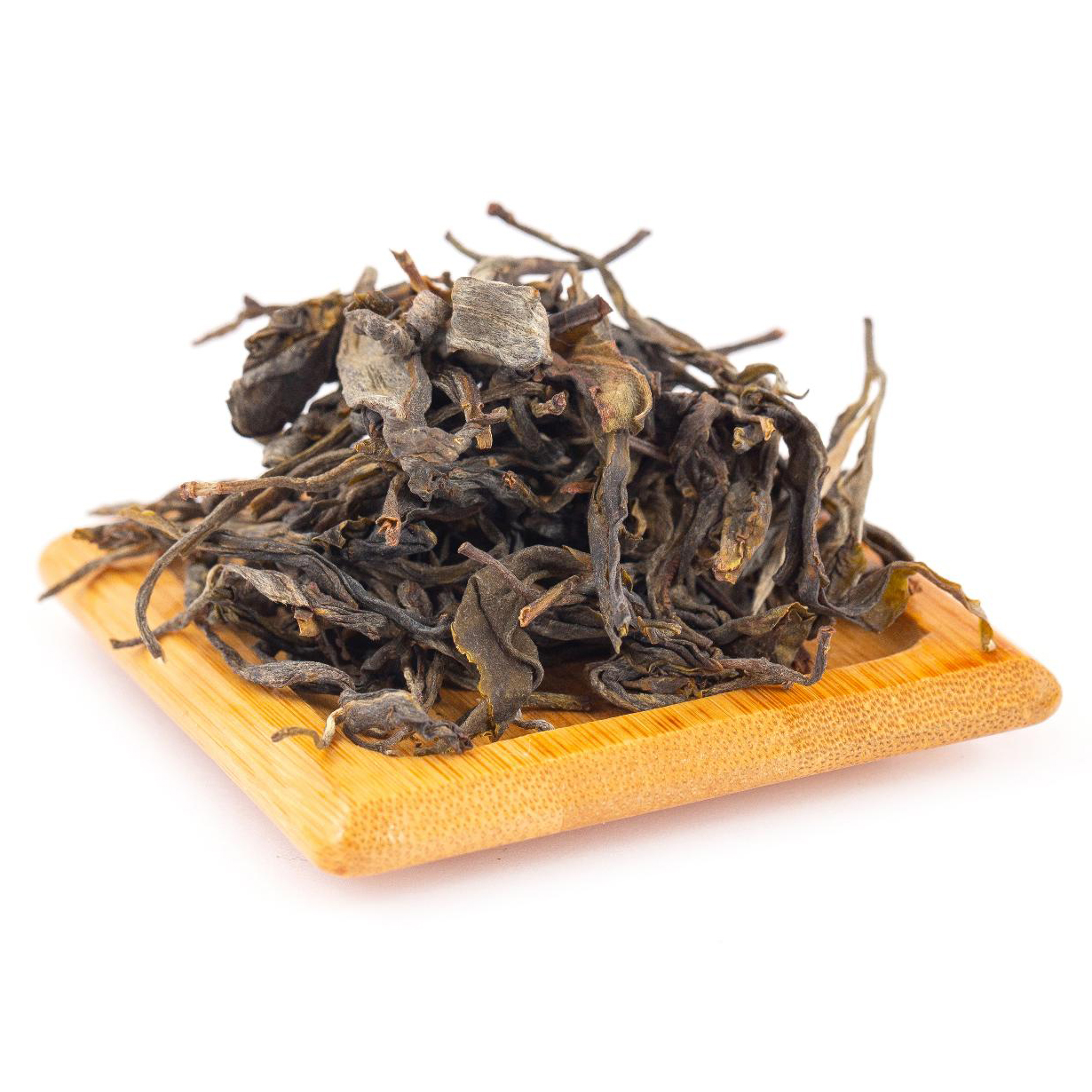
The village of Nanben Laozhai is located west of Mengsong, 3 km from the Sanmai Village Committee. It is a mountainous area with an average elevation of 1,693 meters above sea level. Wild Gu Shu tea trees, over 500 years old, grow in the mountains. Pu'er tea harvested from these ancient trees has a vibrant, rich flavor and aroma, a strong, long-lasting finish, excellent steeping properties, and a powerful aftertaste.
The aroma of tea leaves warmed by the breath is deep, lingering, and sweet. It recalls sun-baked stones, forest herbs, roasted chestnuts, and Nepalese wild honey. The tea is rich in organic surfactants, which, during washing, foam the infusion like soap. After washing, the aroma is powerful, penetrating, sweet and sour, floral and fruity, and complex.
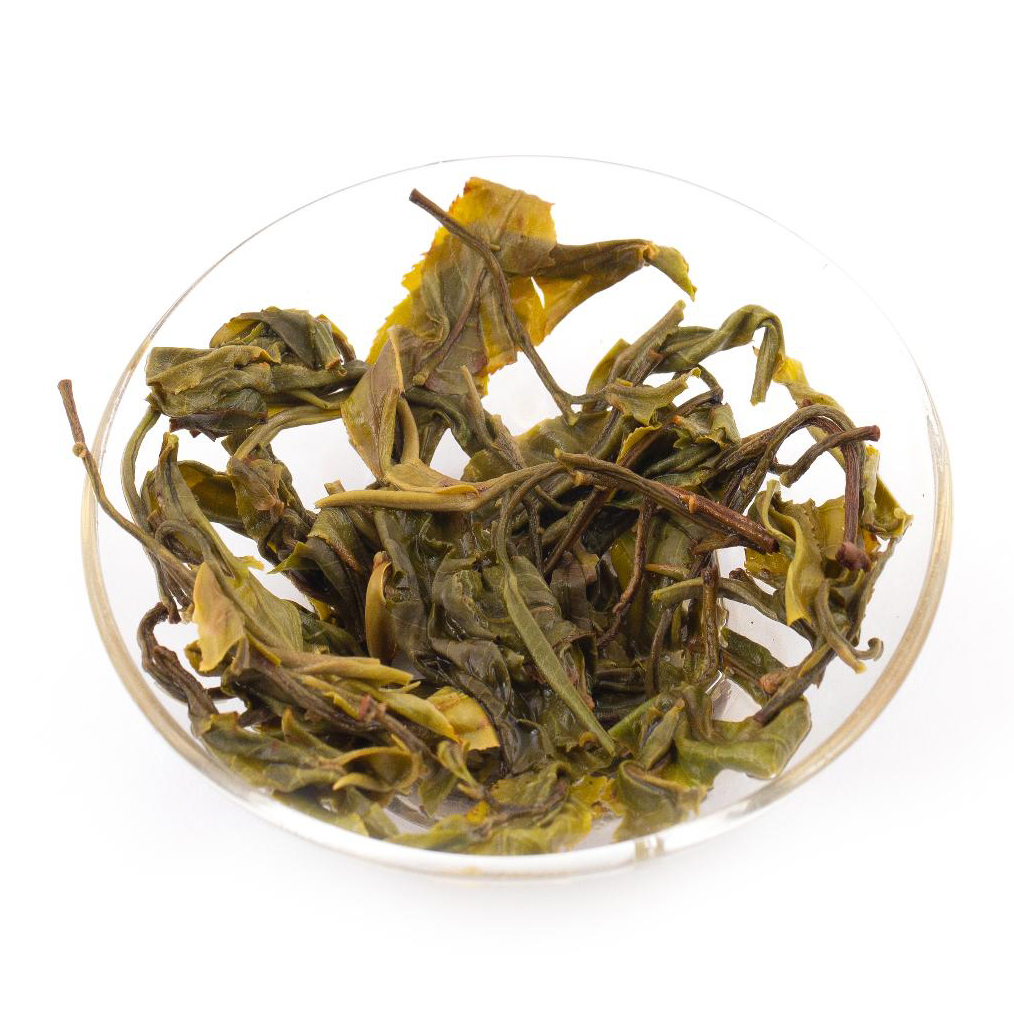
The brew of finished pu-erh is thick, oily, very smooth, and fragrant, without bitterness or characteristic astringency. The tea's flavor is bright, intoxicating, fruity and floral, with hints of baked mango and buckwheat honey, mixed with a hint of mixed herbs. After the fifth steeping, a citrusy bitterness and herbal tartness emerge, quickly giving way to the sweetness of floral nectar.
This pu-erh holds its steeps very well; just 5g of dry tea leaves, taken in a 150ml teapot made of Yixing clay, brewed 10 times and would have held its steeps for several more if the water in the 2-liter thermos had not run out.
The aftertaste is powerful and long-lasting, with a light menthol chill that envelops the tongue and cheeks, with fragrant fruity notes and a gradually emerging honey sweetness.
The intoxicating effects of the tea become evident after the first cup. Purity, harmony, tranquility, a strong intoxication of sobriety, and a slight, pleasant dizziness. The tea's Qi is powerful, leaving a bead of sweat on the forehead, moving in gentle waves throughout the body, adapting to the drinker's current state: Pu-erh either strongly invigorates, increasing productivity, or gently relaxes, inducing a meditative state with calibrated breathing.
Gu Shu Sheng Pu'er 2020 from Nanben Laozhai village, grown from centuries-old tea trees, is a premium, high-quality tea with exceptionally strong properties, perfectly suited for special occasions. No more than 3 kg of Mao Cha (tea leaves) are harvested annually from a single Gu Shu tree.
|
Name in Chinese
|
南本老寨古树生普洱 |
|
Pinyin
|
nánběn lǎozhài gǔshù shēng pǔ'ěr |
|
Translation
|
Sheng pu'er from perennial trees in the Nanben Laozhai countryside |
|
Country
|
Китай |
|
District
|
Pu'er City District |
|
Provinces
|
Юньнань (云南) |
|
Habitat
|
Наньбэнь Лаочжай (南本老寨, Nánběn lǎozhài) |
|
Date of raw material production
|
2022 |
|
Name of the master
|
Кы Хэй (黑克, Hēi kè) |
- Reviews
- Vkontakte
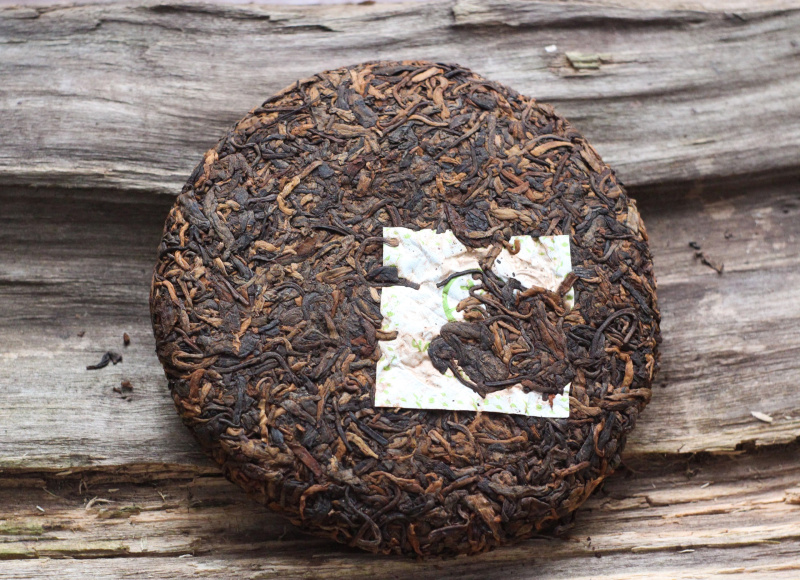
Pu-erh is one of the most unique types of tea, which only gets better with age. Many people, when they first encounter this tea, wondered: why is pu-erh more often found in pressed form (cakes, bricks, tochas), and not in loose form? The reasons for this are related to both history and the practical aspects of storing and fermenting tea. Despite modern technologies that allow the production of loose pu-erh, the shape of pressed cakes remains unchanged. And pu-erh is more often found on sale in pressed form, for example, in the form of cakes or bricks, and loose pu-erh is less common. We will talk about the reasons for pressing pu-erh into cakes in this article.
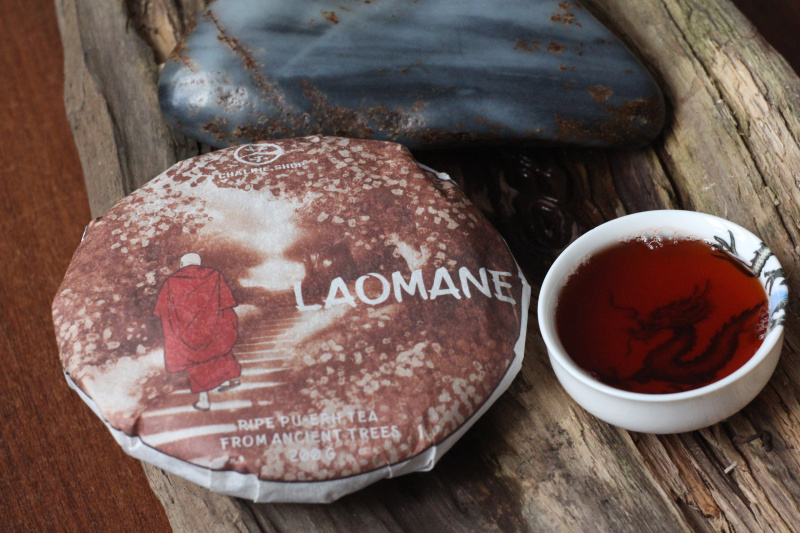
Puer is a unique Chinese tea that is distinguished by its depth of taste, complexity of aromas and versatility of aftertaste. Its taste characteristics are formed under the influence of many factors, from growing conditions to the brewing method. Let's look at the main ones.


