



-
7 Saturation
-
9 Aftertaste
-
9 Aroma
-
7 Effect
-
7 Balance
-
7 Body
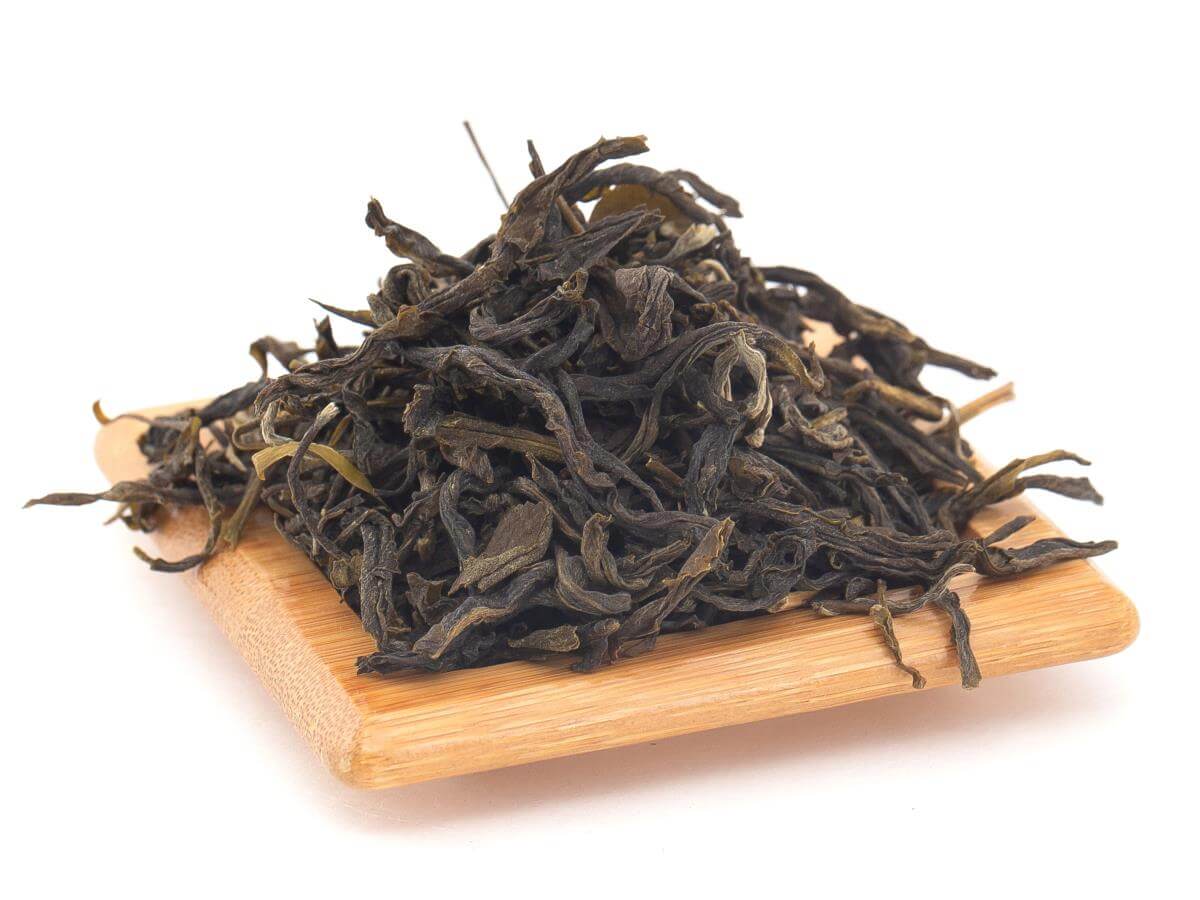
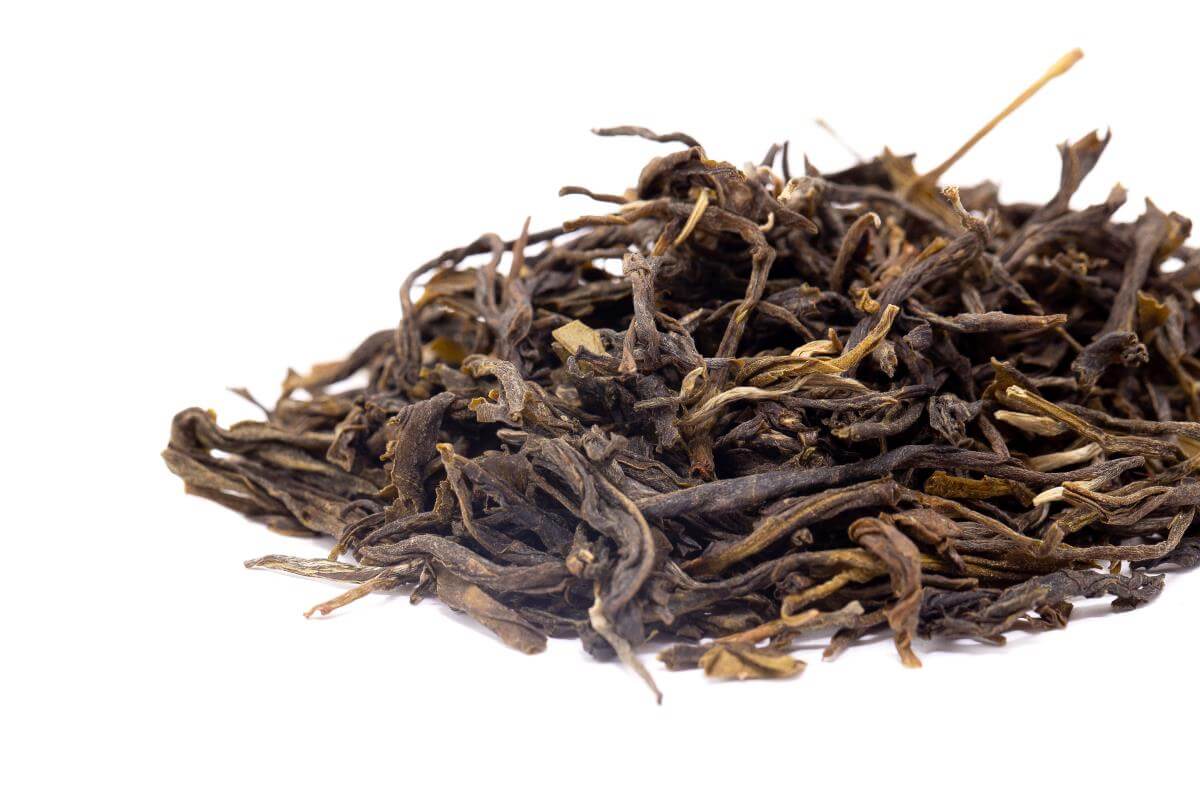
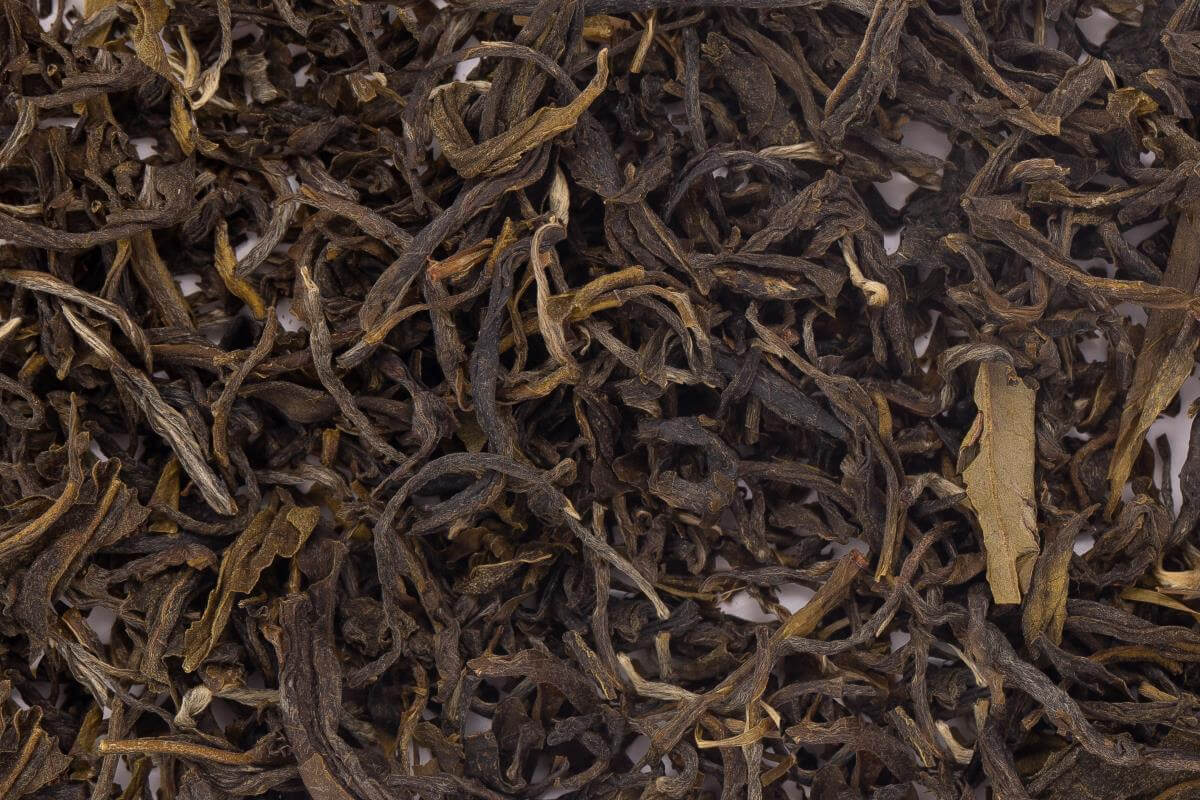
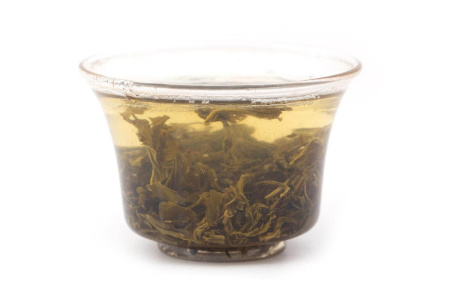
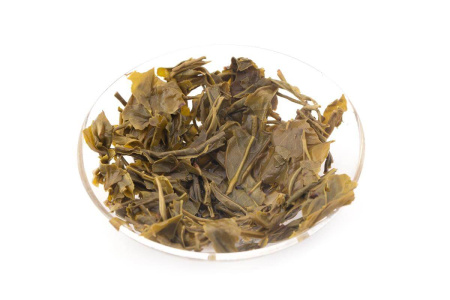
The Xigui region is located in the eastern part of Lincang (临沧, líncāng) city in the western part of Yunnan Province in southwest China and is famous for its ancient tea trees. The hallmark of gushu (ancient tree) pu-erh tea is its high quality, unique flavor, and distinct aroma, which only improves with age, like cognac or wine. For teas with a regional designation, such as "Xigui tea," terroir—the specific microclimate and microsoil—is crucial. Tea tree leaves are hand-picked and processed using a traditional process that includes fermentation and drying.
Sheng pu-erh also boasts numerous beneficial properties, such as improved digestion, lower cholesterol, and boosted immunity. All of this makes pu-erh tea from ancient trees one of the most prized and expensive teas in the world.
The aroma is deep and strong, reminiscent of ripe apricots, blackcurrant leaves, fruit syrup, and plum jam. As the tea sips, notes of candied orange peel, ripe melon and mango, tangerines, and the juicy tartness of gooseberry jam emerge.
After tea, chahai leaves a lingering aroma of fruit and flowers with a light tobacco note that adds depth. The flavor itself is reminiscent of delicate pear jam and red apple puree, with a slight tartness of fresh sorrel and a long, sweet finish.
This pu-erh possesses the quality of "Gan Yun Tian Zhi" (Chinese: 甘韵甜质, pinyin: gān yùn tián zhì), which means the tea leaves a pleasant aftertaste 3-5 minutes after steeping. After 5 minutes, the initial bitterness gives way to a lingering sweetness with honey-fruity notes.
The aroma when warmed by breath is melodic, fragrant, slightly spicy with candy, fruity and floral nuances.
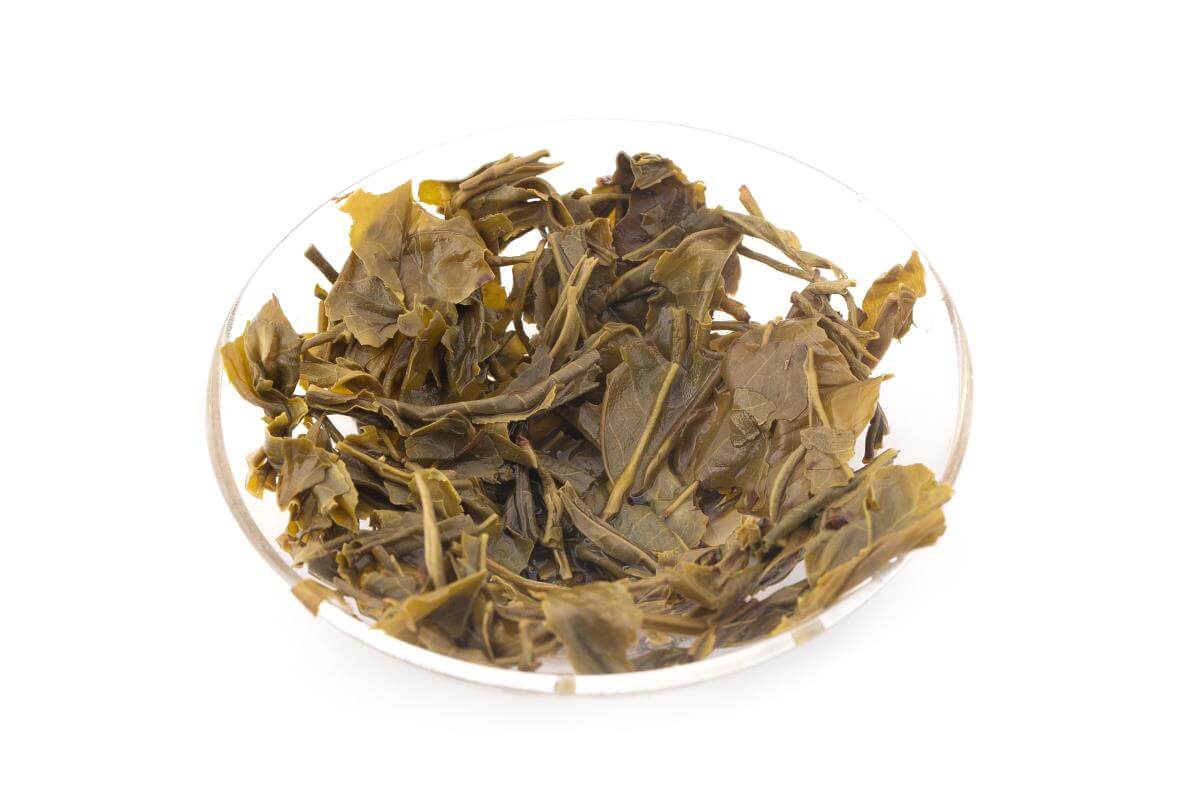
The tea leaves produce a large amount of foam when washed, a sign of the quality of tea from centuries-old trees. After washing, the aroma intensifies, bringing warm, deep, and powerful tones to the forefront, revealing hints of homemade cookies and spring primroses.
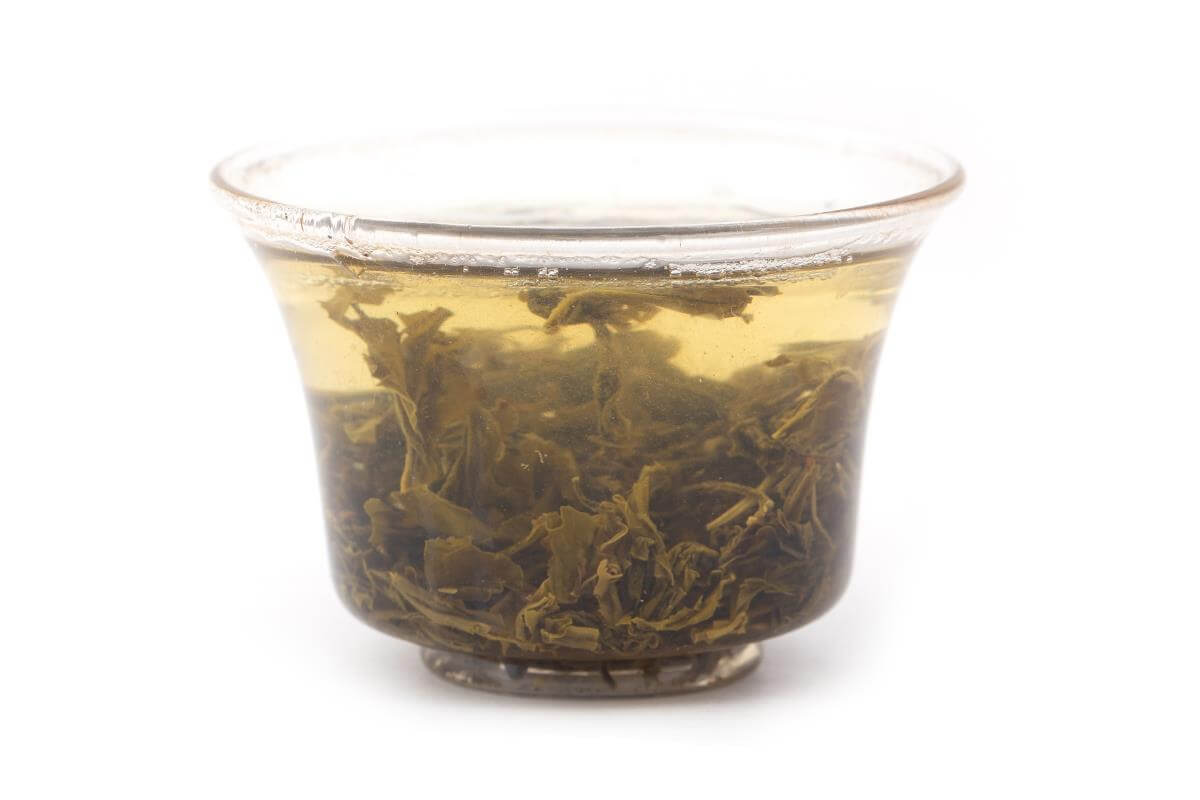
The brewed tea has a strong, rich flavor, with a distinct bitterness at the forefront (typical of leaves from wild trees over 300 years old), and fragrant floral nuances. Notes of gooseberry and blackcurrant leaves are evident.
This pu-erh possesses the "Gan Yun Tian Zhi" (Chinese: 甘韵甜质) quality, which means the tea leaves a pleasant aftertaste 3-5 minutes after steeping. After 5 minutes, the initial bitterness gives way to a lingering sweetness with honey-fruity notes.
Care should be taken when brewing this pu-erh! Don't use too many dry tea leaves; 5 grams per 100 ml is sufficient. Firstly, this will prevent the tea from becoming overly bitter and astringent, and secondly, the quality of this pu-erh allows for more steepings with less tea. Use water no hotter than 90°C, and be careful not to scald the tea leaves when brewing, as they are still young and tender.
The tea's powerful effects begin right from the first cup. It brings powerful concentration, instant sobriety and clarity of thought, an improved mood, and a shift in perspective. Tea motivates you to engage in some activity and gives you vital energy.
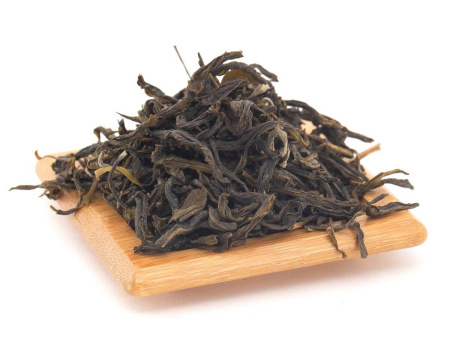
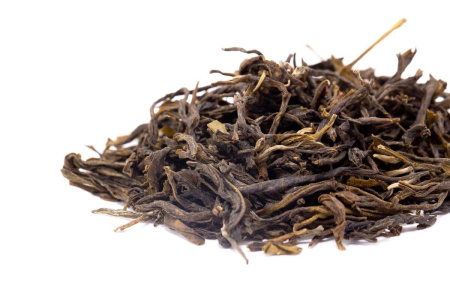
2021 Sheng Pu'er "Xiguigushu" Long-aged trees from Xigui are a worthy tea with extensive aging potential. The years will transform it beyond recognition.
|
Name in Chinese
|
昔归古树 |
|
Pinyin
|
xīguī gǔshù |
|
Translation
|
Long-lived trees from Sigui |
|
Country
|
Китай |
|
District
|
Lincang Urban District (临沧, líncāng) |
|
Provinces
|
Юньнань (云南) |
|
Habitat
|
Сигуй (昔归, xīguī) |
|
Type of tea raw material
|
Ancient trees (over 500 years old) |
- Reviews
- Vkontakte
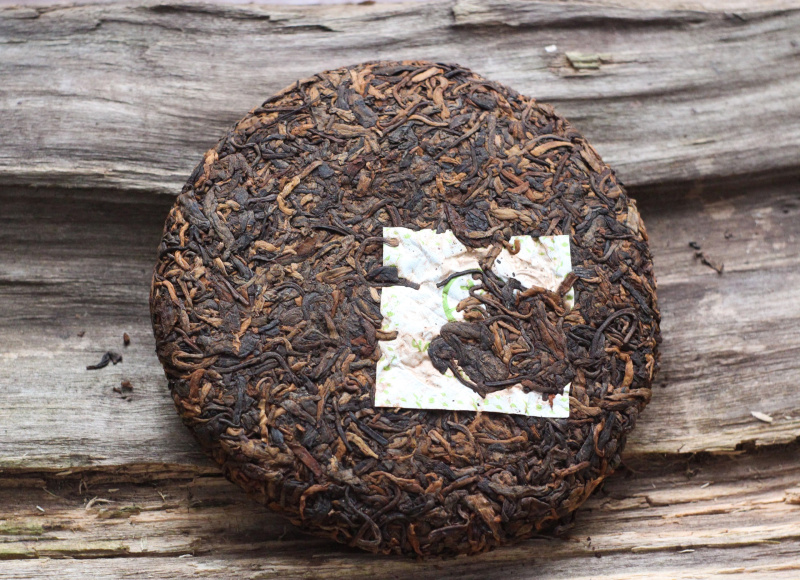
Pu-erh is one of the most unique types of tea, which only gets better with age. Many people, when they first encounter this tea, wondered: why is pu-erh more often found in pressed form (cakes, bricks, tochas), and not in loose form? The reasons for this are related to both history and the practical aspects of storing and fermenting tea. Despite modern technologies that allow the production of loose pu-erh, the shape of pressed cakes remains unchanged. And pu-erh is more often found on sale in pressed form, for example, in the form of cakes or bricks, and loose pu-erh is less common. We will talk about the reasons for pressing pu-erh into cakes in this article.
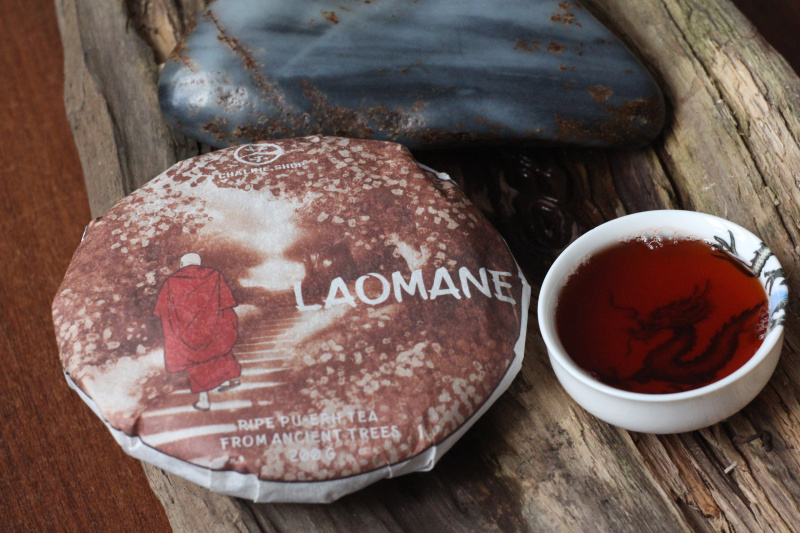
Puer is a unique Chinese tea that is distinguished by its depth of taste, complexity of aromas and versatility of aftertaste. Its taste characteristics are formed under the influence of many factors, from growing conditions to the brewing method. Let's look at the main ones.


