



-
0 Saturation
-
0 Aftertaste
-
0 Aroma
-
0 Effect
-
0 Balance
-
0 Body
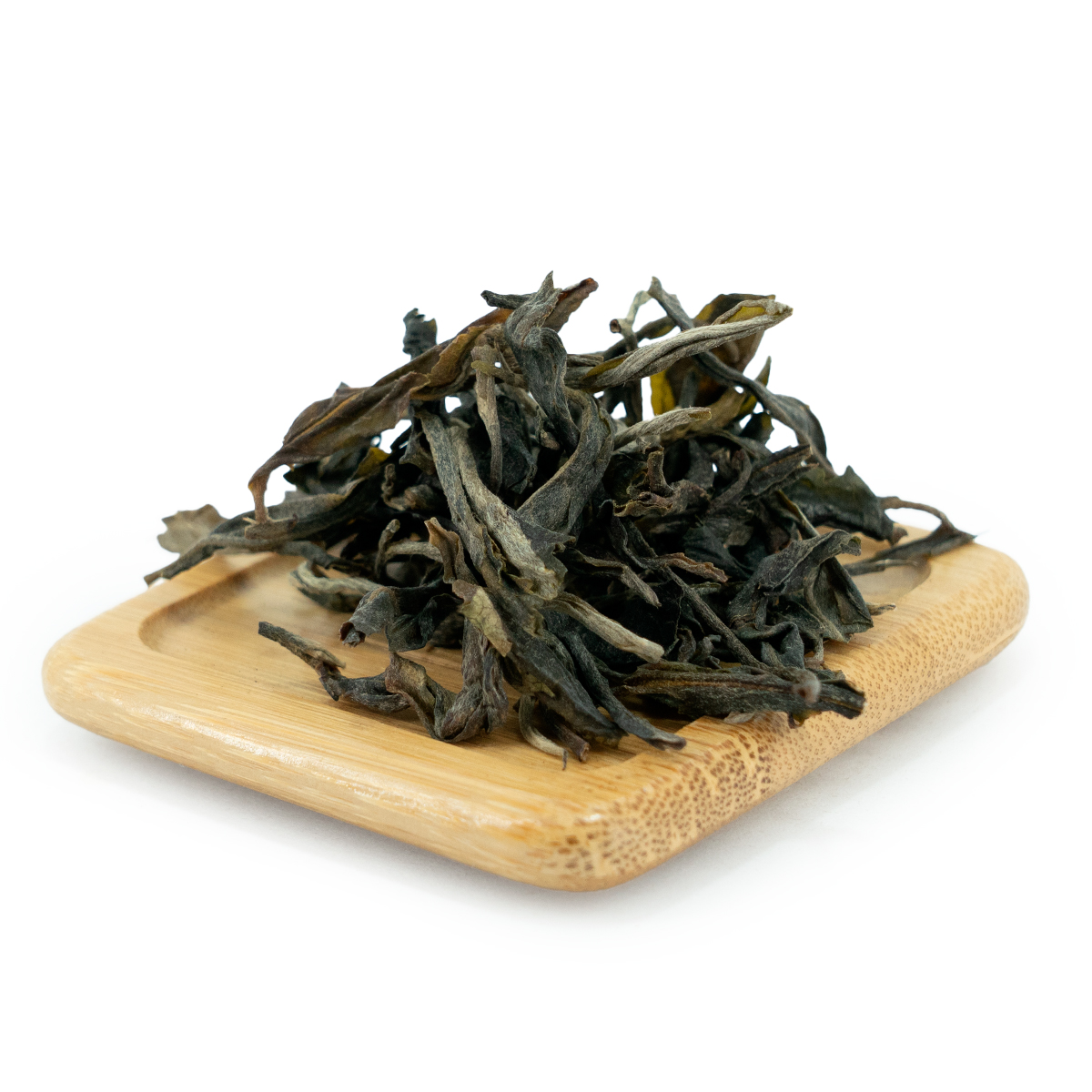
Myanmar Lao Shu Sheng Pu'er (815): Ancient Burmese Trees in Your Gaiwan
The world of tea extends beyond China's borders, and neighboring regions, part of the tea plant's cradle, offer unique and captivating flavors. Myanmar Lao Shu Sheng Pu'er (缅甸815的茶 - Miǎndiàn 815 de chá) is a prime example. This loose-leaf sheng pu'er (生普洱, Shēng pǔ'ěr) is crafted from very ancient tea trees (300-500 years old) growing in Myanmar (Burma), and belongs to the specific cultivar (cultivator) "815."
Myanmar, particularly its northern and eastern regions (such as Shan State and Kachin State), bordering China's Yunnan Province, is part of the historical range of the wild tea tree ( Camellia sinensis var. assamica ). Vast tracts of ancient and even wild tea forests remain here. Tea from Myanmar, although often processed using techniques similar to those from Yunnan, bears the imprint of a unique terroir—a different soil, climate, and ecosystem. This opens the opportunity to experience a different expression of sheng pu'er's character.
Ancient trees (lao shu): 300-500 years old – the legacy of centuries
The stated age of the trees—300-500 years—classifies this tea as exceptionally rare and valuable. Lao shu (老树, Lǎo shù), or old trees, possess a number of advantages:
- Deep Root System: Access unique minerals and nutrients from deep within the soil.
- Accumulated Potential: Trees have accumulated life force over hundreds of years, which is believed to be transferred to the tea leaf.
- Complexity and depth: Teas from older trees typically have greater complexity of aroma and flavor, a fuller brew, and a longer finish.
- Cha Qi (茶气, Chá qì ): The feeling of the tea's energy, its effect on the body and mind, is generally more pronounced with lao shu tea.
- Aging Potential: This raw material has the best potential for long aging and beautiful flavor transformation.
Cultivator 815 and Maocha format
The designation "815" (in the Chinese name - 缅甸815的茶) indicates that this is not simply a random collection, but raw material from a specific, identified variety of tea tree. This is a local Burmese variety (Landars), isolated through research and assigned a classification number.
The tea is presented as loose sheng pu'er (maocha - 毛茶, Máochá)—a raw material that has undergone basic processing (fixing, twisting, and sun-drying), but is not pressed. The maocha format allows you to appreciate the tea in its freshest form or store/press it at your discretion.
Taste and aroma
- Aroma: Intense and complex, with wild, forest, floral (orchids, wildflowers), honeyed, and brightly fruity (tropical fruits, stone fruits) notes. Unique resinous, spicy, and mineral nuances characteristic of the Burmese terroir are also present.
- Taste: Powerful, full-bodied, with a distinct structure. Noticeable bitterness and astringency should quickly give way to a deep, sweet, and lingering finish (huigan). The flavor is multilayered, revealing notes of fruit, flowers, minerals, camphor, and wild herbs.
- Infusion: Thick, dense, oily.
- Cha Qi: Strong, noticeable effect – invigorating, concentrating, warming.
Brewing recommendations
Brewing powerful sheng puer lao shu requires attention:
- Water: 85-95°C. It may be worth starting with a lower temperature to soften the initial intensity.
- Utensils: Gaiwan is preferred for monitoring the process.
- Rinsing: A quick rinse (5-10 seconds) is required.
- Brewing: Start with very short infusions (5-10 seconds), carefully observing the flavor development. Gradually increase the steeping time.
Storage potential
Originating from ancient trees, this sheng pu'er has exceptional potential for long aging. When stored properly (in a ventilated area, away from odors, moisture, and light), it will transform over decades, becoming deeper, smoother, and more complex.
Myanmar Lao Shu Sheng Pu'er "815" is a rare opportunity to explore the world of pu'er beyond Yunnan and experience tea from truly ancient trees. The combination of the unique Burmese terroir, the venerable age of the trees (300-500 years), and the specificity of the "815" cultivar offers a powerful, complex, and memorable experience. This tea is for discerning connoisseurs seeking new horizons of flavor, a strong Cha Qi, and tremendous potential for collection and aging.

|
Name in Chinese
|
缅甸815的茶 |
|
Pinyin
|
Miǎndiàn 815 de chá |
|
Country
|
Китай |
|
Habitat
|
Мьянма (缅甸, miǎndiàn) |
|
A variety of tea tree (bush)
|
815 |
|
Type of tea raw material
|
Old trees (300-500 years) |
- Reviews
- Vkontakte
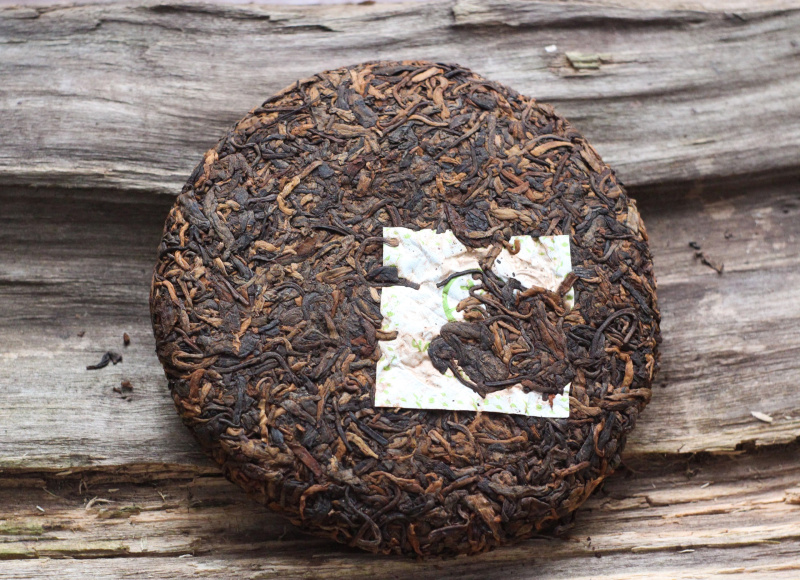
Pu-erh is one of the most unique types of tea, which only gets better with age. Many people, when they first encounter this tea, wondered: why is pu-erh more often found in pressed form (cakes, bricks, tochas), and not in loose form? The reasons for this are related to both history and the practical aspects of storing and fermenting tea. Despite modern technologies that allow the production of loose pu-erh, the shape of pressed cakes remains unchanged. And pu-erh is more often found on sale in pressed form, for example, in the form of cakes or bricks, and loose pu-erh is less common. We will talk about the reasons for pressing pu-erh into cakes in this article.
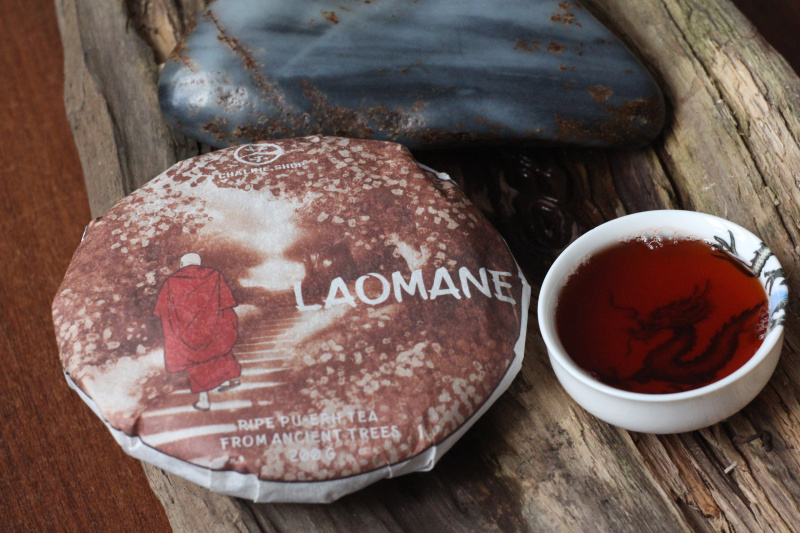
Puer is a unique Chinese tea that is distinguished by its depth of taste, complexity of aromas and versatility of aftertaste. Its taste characteristics are formed under the influence of many factors, from growing conditions to the brewing method. Let's look at the main ones.


