



-
9 Saturation
-
9 Aftertaste
-
9 Aroma
-
8 Effect
-
8 Balance
-
8 Body
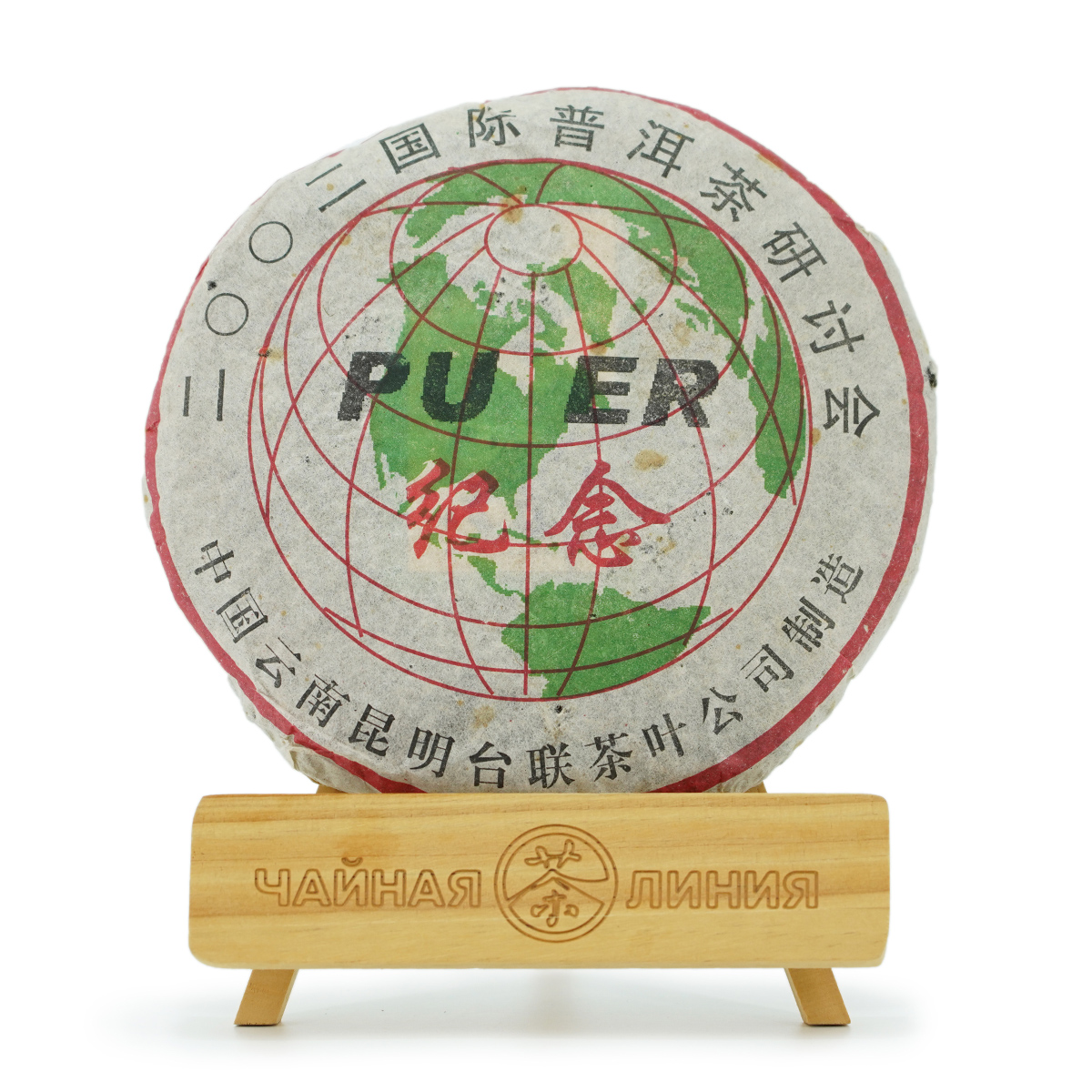
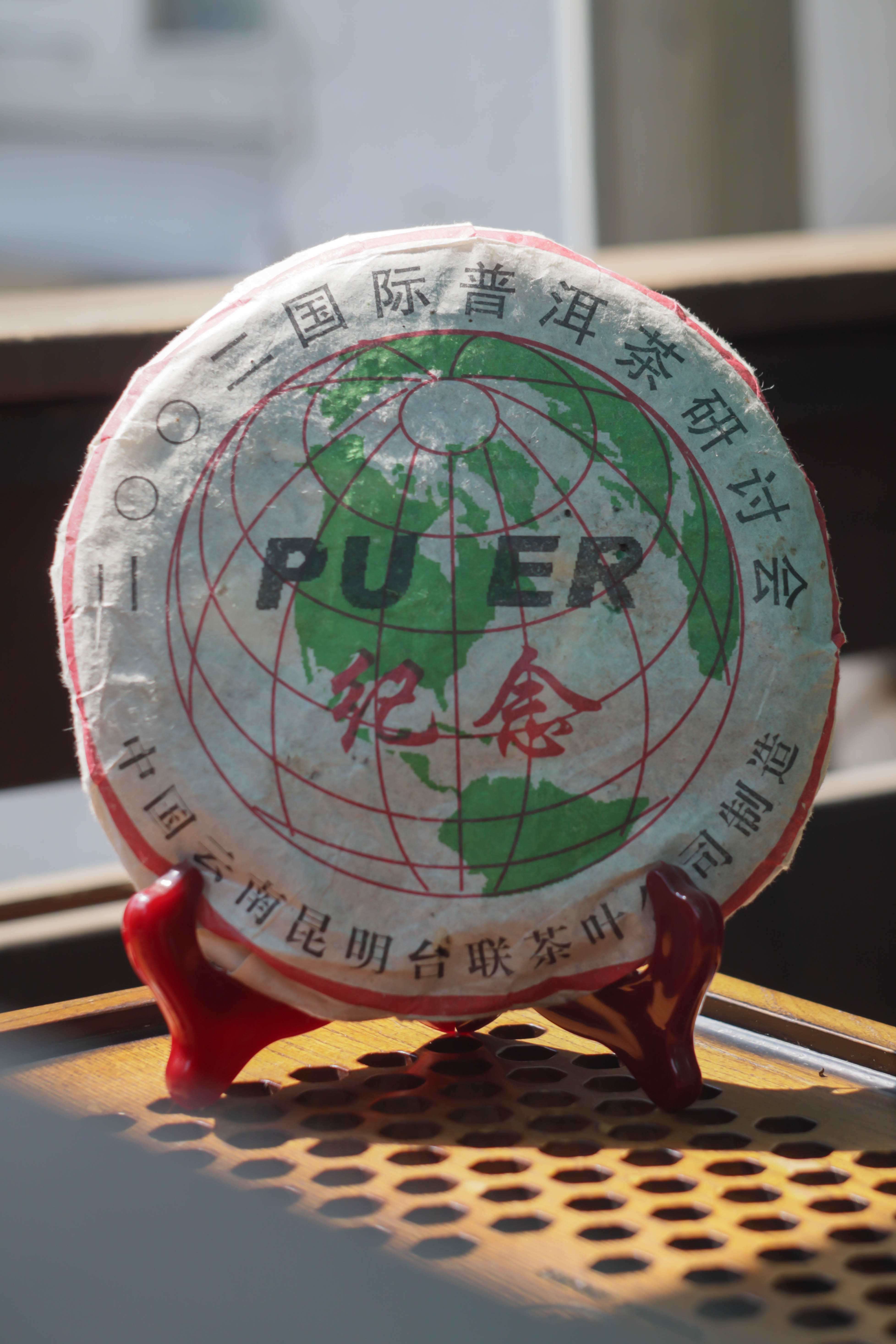
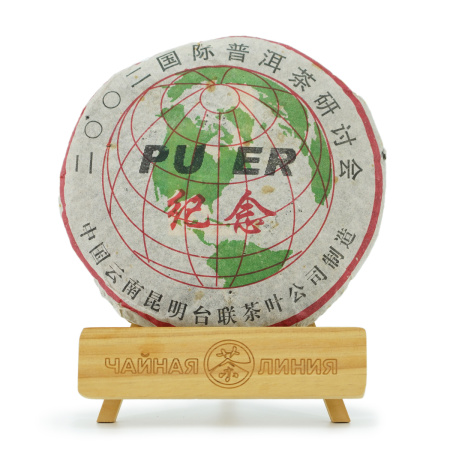
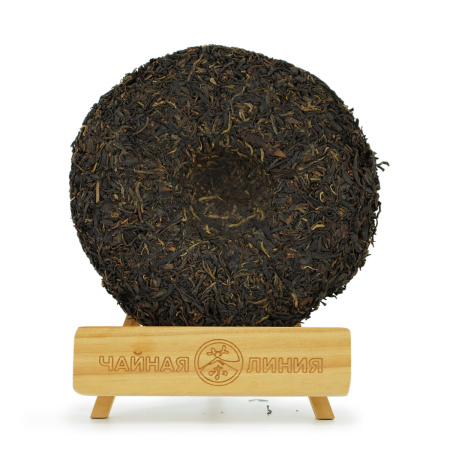
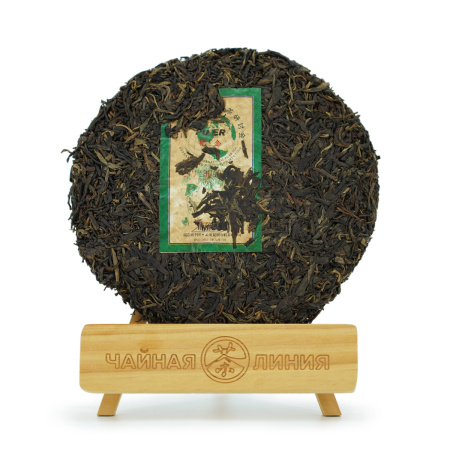
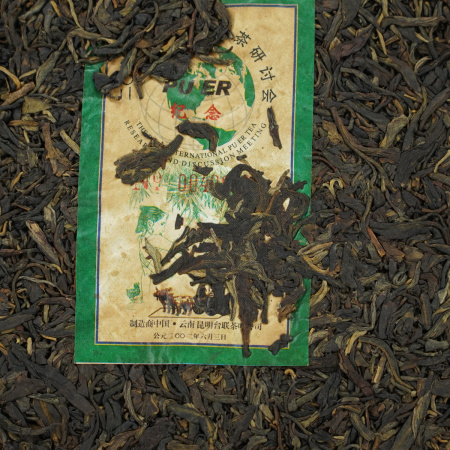
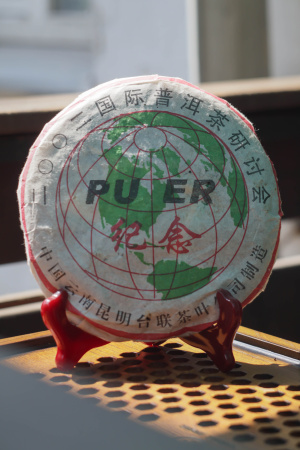
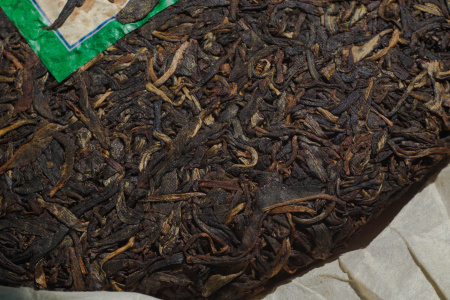
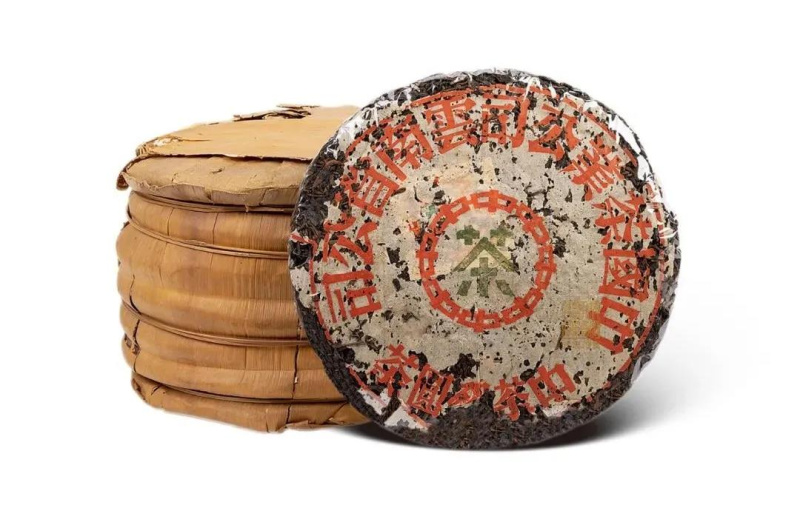
This pancake is known by its alternative name, "Diqiu bing" (地球饼, dìqiú bǐng, "Globe Pancake"), which is displayed on the packaging and captures the international spirit of the conference.
Paired with this pancake, the same factory produced a second anniversary pancake: “Yunnan tea jiaoyi shichang kaye jinyan bin” kāiyè jìniàn bǐng, “Anniversary pancake on the occasion of the opening of the Yunnan Tea Market”).
The raw materials for pu'er were collected from the Kunming city district (Chinese: 昆明, kūnmíng).
This tea is a journey through time and space that begins with the first cup.
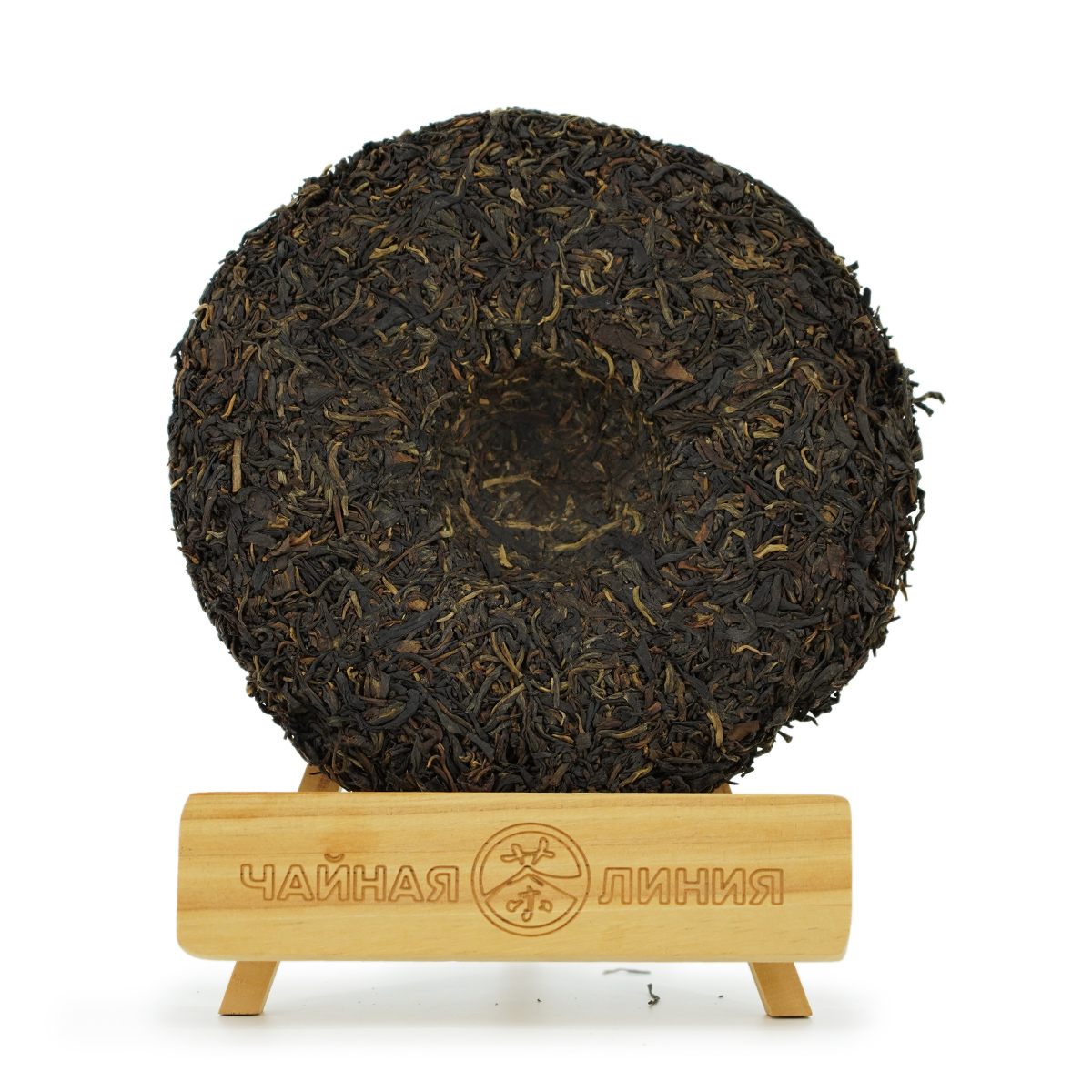
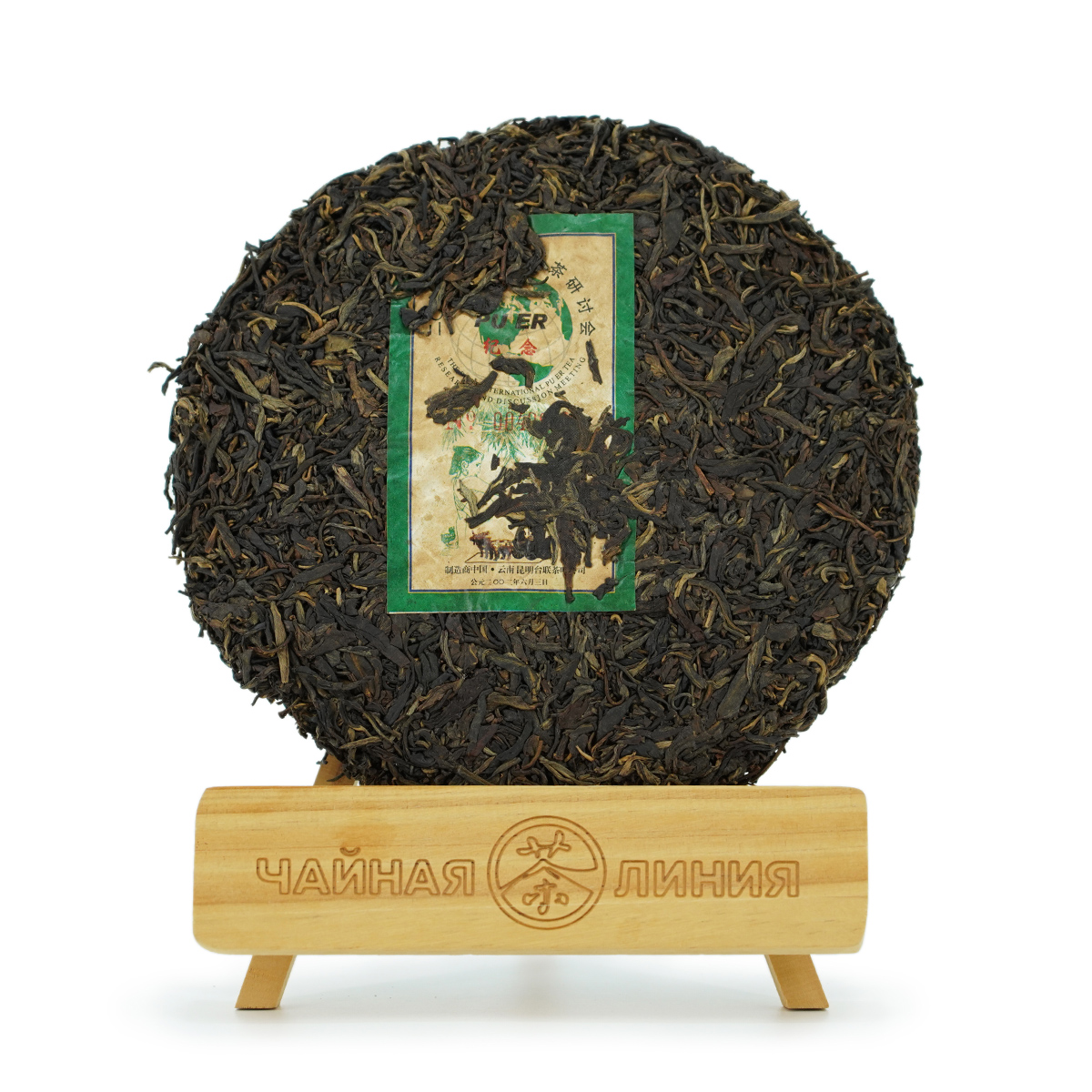
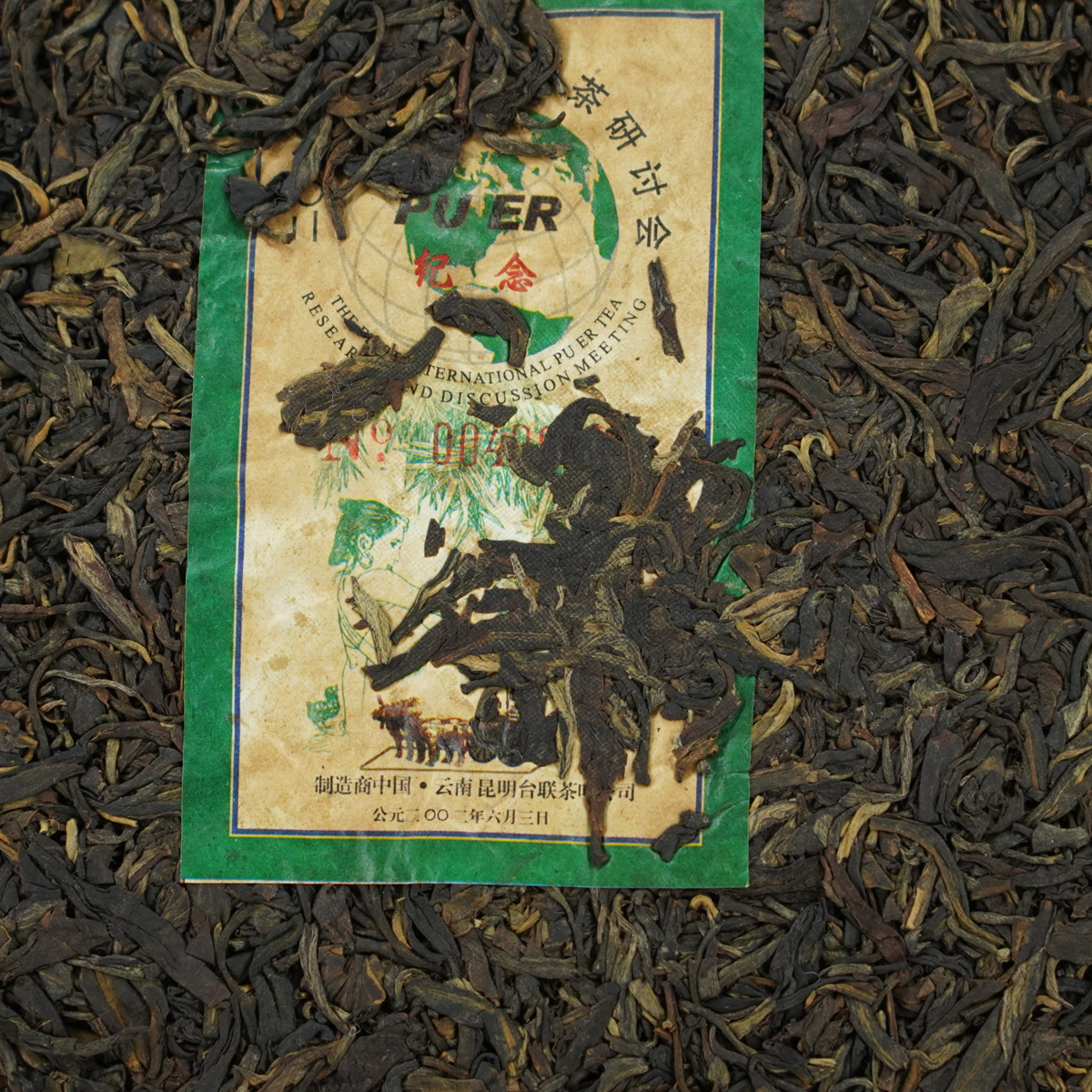
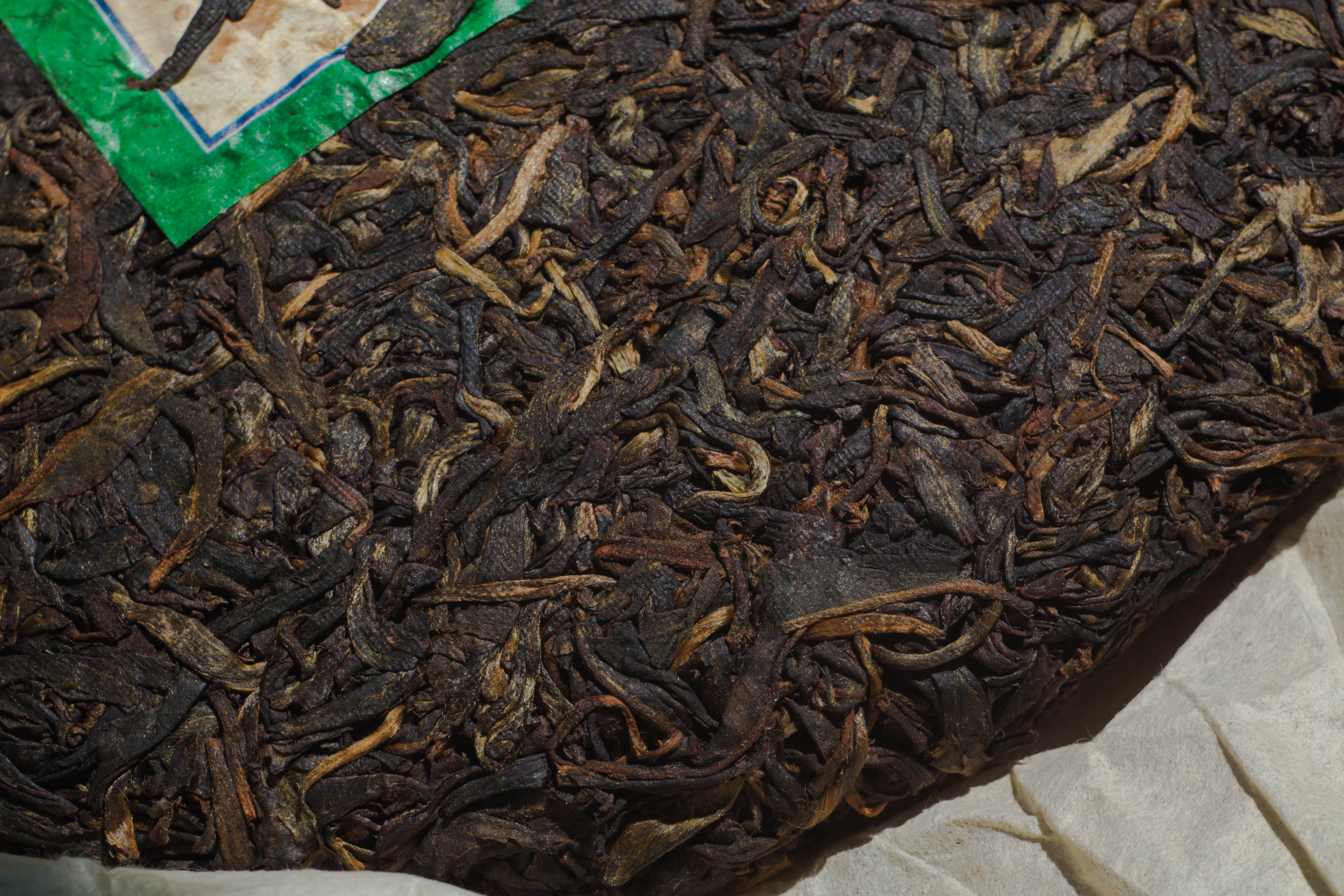
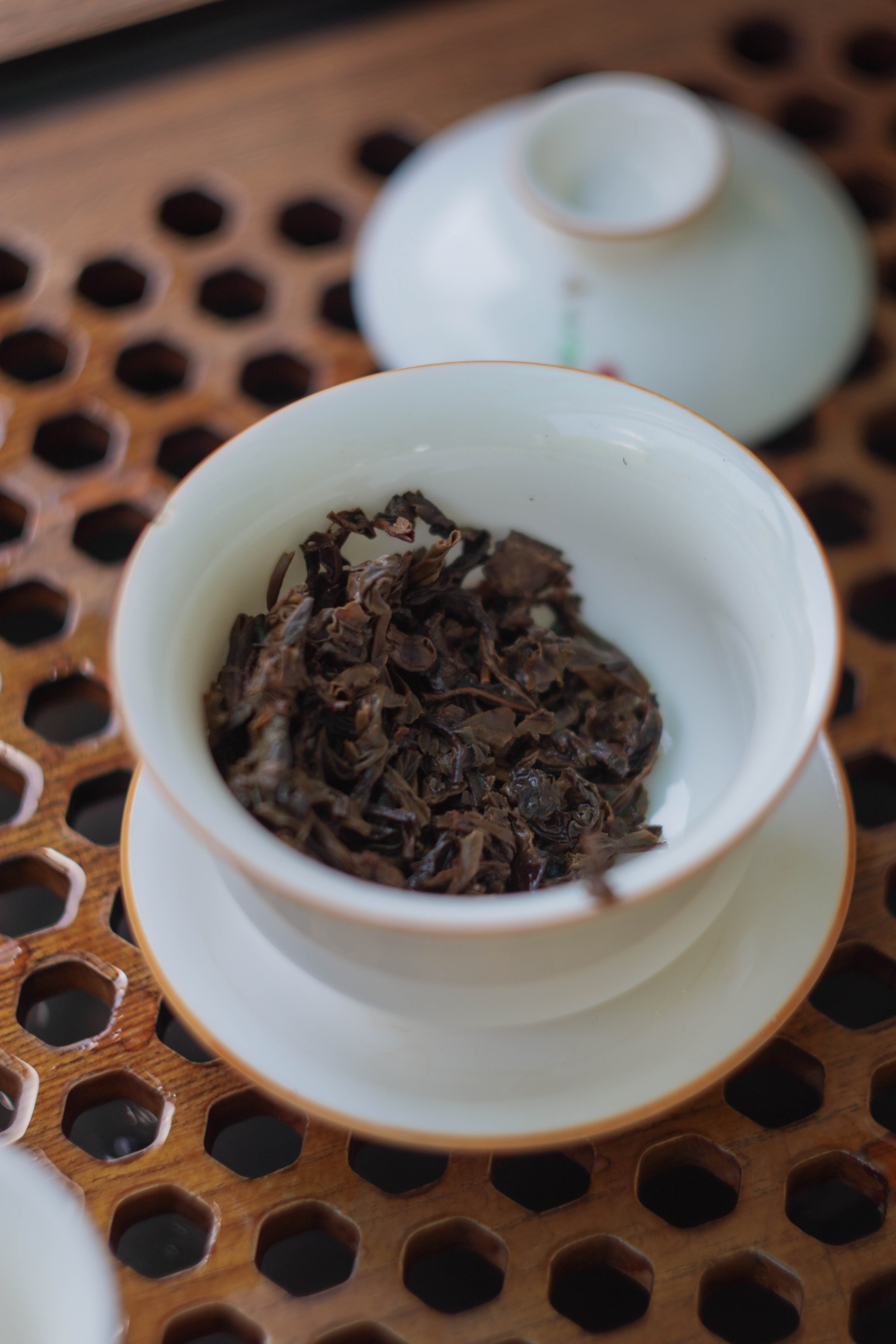
The aroma of the dry leaf is reminiscent of a hot, sunny summer day, where the air is filled with the sweetness of camphor, the aromas of wild herbs and the freshness of an oak forest.
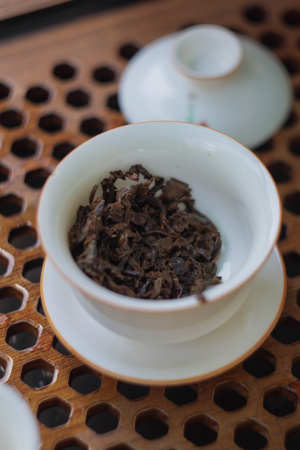
When the leaf is heated in the dish, it reveals an even richer and sweeter aroma, reminiscent of taiga berries and juniper, with light resinous undertones, sweet tobacco and pollen.
The aroma of the washed leaf is deep and dense, woody and fruity, reminiscent of a tropical garden with its ripe fruits, mango and salakka (snake fruit).
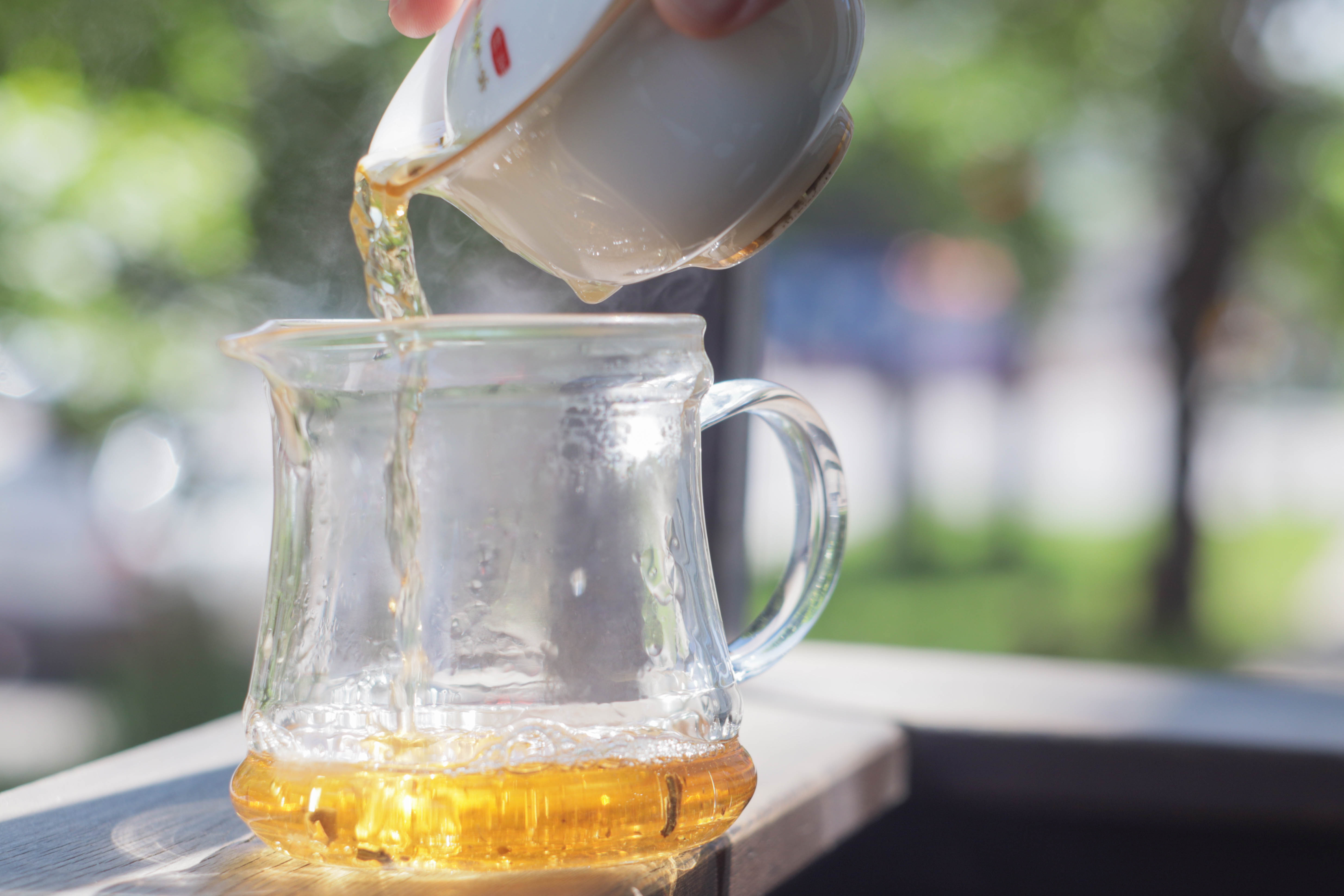
The tea's flavor is velvety, deep, and multifaceted, resinous and fruity at the same time, with a lingering berry tartness that transitions into the sweetness of cane sugar. A hint of menthol and persimmon in the aftertaste.
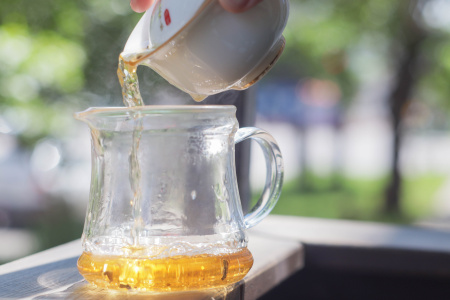
After infusion, the chahai has a sweet and fresh aroma of blackberry and juniper, complemented by notes of young lemon balm.
The 2002 Sheng Pu'er Tea from the Tailian International Pu'er Tea Exhibition is a story told in every leaf, an invitation to an adventure that awaits you with every sip. Allow yourself to be immersed in this world of flavors and aromas, and let each cup be a new chapter in your own journey.
|
Name in Chinese
|
地球饼 |
|
Pinyin
|
dìqiú bǐng |
|
English name
|
International Puerh Tea Exhibition |
|
Translation
|
International Pu'er Tea Exhibition |
|
Country
|
Китай |
|
District
|
Kunming (Chinese: 昆明) |
|
Provinces
|
Юньнань (云南) |
|
Habitat
|
Куньмин (昆明, kūnmíng) |
|
Manufacturer
|
Тай Лянь (台联) |
|
Date of raw material production
|
2002 |
|
Year of pressing
|
2002 |
|
Pressing form
|
Бин Ча (блин) |
|
A variety of tea tree (bush)
|
Lao Shu |
|
Size
|
20x20x2 |
|
Length, cm
|
20 |
|
Width, cm
|
20 |
- Reviews
- Vkontakte
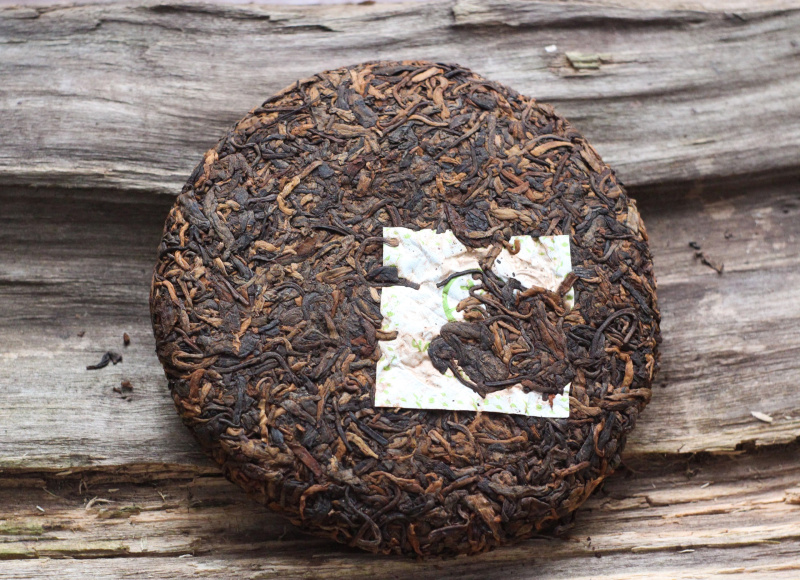
Pu-erh is one of the most unique types of tea, which only gets better with age. Many people, when they first encounter this tea, wondered: why is pu-erh more often found in pressed form (cakes, bricks, tochas), and not in loose form? The reasons for this are related to both history and the practical aspects of storing and fermenting tea. Despite modern technologies that allow the production of loose pu-erh, the shape of pressed cakes remains unchanged. And pu-erh is more often found on sale in pressed form, for example, in the form of cakes or bricks, and loose pu-erh is less common. We will talk about the reasons for pressing pu-erh into cakes in this article.
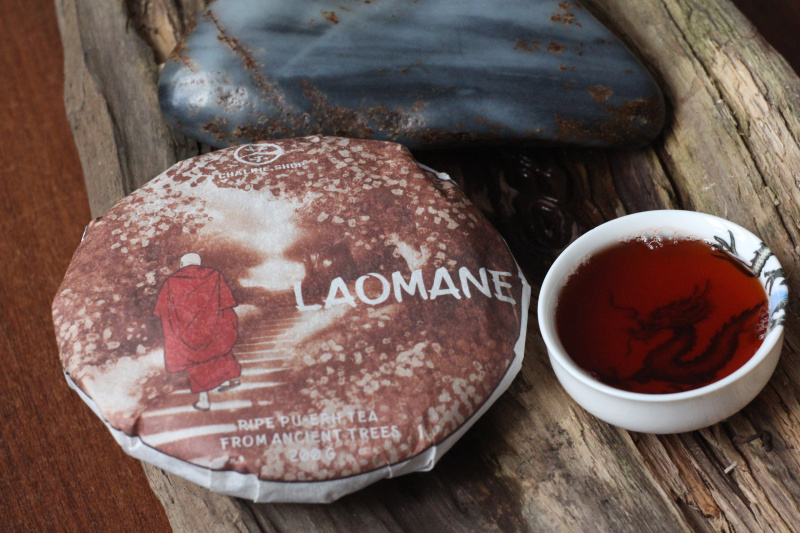
Puer is a unique Chinese tea that is distinguished by its depth of taste, complexity of aromas and versatility of aftertaste. Its taste characteristics are formed under the influence of many factors, from growing conditions to the brewing method. Let's look at the main ones.


