




-
0 Saturation
-
0 Aftertaste
-
0 Aroma
-
0 Effect
-
0 Balance
-
0 Body
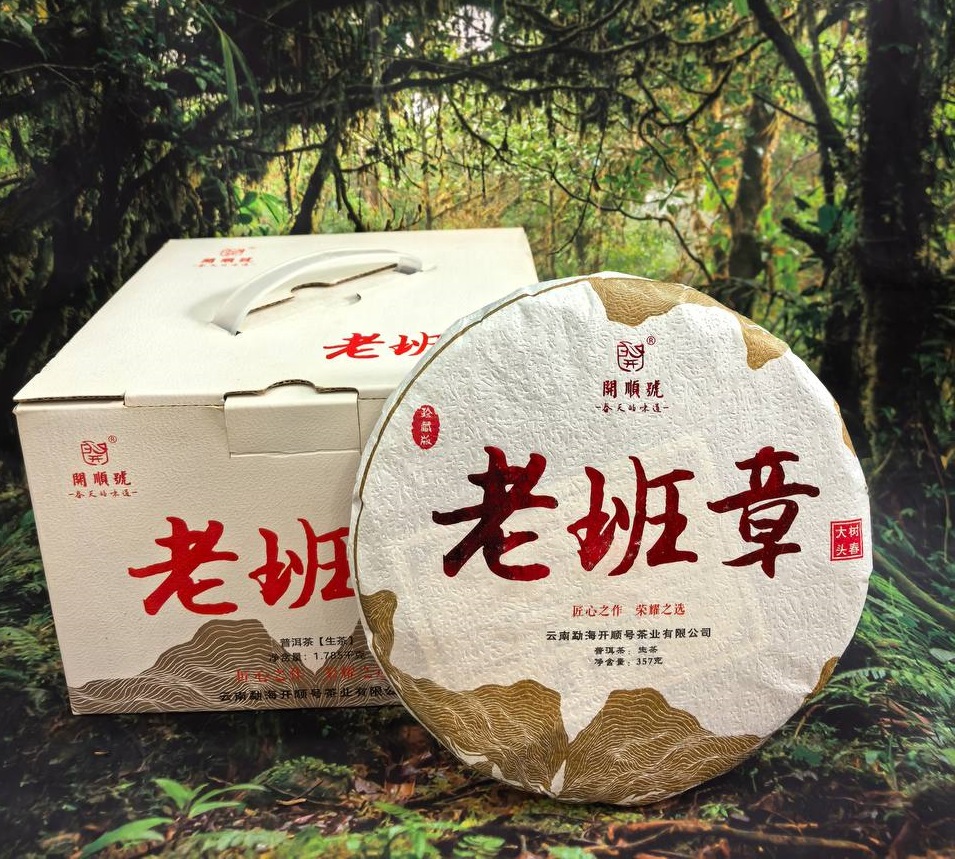
Purple or purple sheng puer 2009 from the wild mountains.
A purple-hued tea, a rare large-leaf variety grown in Yunnan Province. Lu Yu, the author of the first treatise on tea, included this tea in his "Tea Canon." Natural tea enzymes color fresh tea leaves purple, while dry tea has a dark green hue. After brewing, the tea is transformed, and the infusion becomes golden yellow. This amazing play of colors inspired the name "three-color tea," given by the small peoples living in the Pu'er region. The tea is harvested from wild trees in the Mengku Mountains of the Himalayas and processed using a traditional sun-drying process.
The tea has a distinctive and vibrant aroma, a mild flavor, reduces irritability, and is stable with repeated steeping. Research has shown that purple pu-erh is rich in beneficial chemical elements, especially amino acids, which significantly exceed the normal norm. Therefore, this type of tea lowers lipids, lowers blood pressure, promotes weight loss, aids digestion, combats arteriosclerosis, prevents cancer, and has other more pronounced effects than regular pu-erh. After prolonged storage and aging, the tea develops hidden properties: the aroma becomes more intense, the color more transparent and crystalline, and the price also increases. Pu-erh tea has a unique aroma, contains numerous active ingredients, and helps soften blood vessels. Pu-erh tea truly helps protect the body.
|
Country
|
Китай |
|
Provinces
|
Юньнань (云南) |
|
Manufacturer
|
Кайшуньхао (开顺号) |
|
Date of raw material production
|
spring 2009 |
|
Declared weight, g
|
357 |
|
Length, cm
|
200 |
|
Width, cm
|
200 |
- Reviews
- Vkontakte
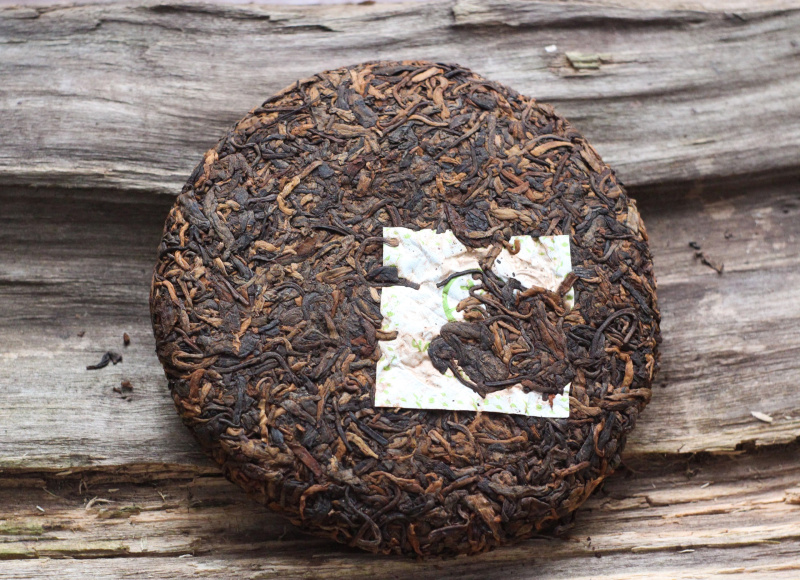
Pu-erh is one of the most unique types of tea, which only gets better with age. Many people, when they first encounter this tea, wondered: why is pu-erh more often found in pressed form (cakes, bricks, tochas), and not in loose form? The reasons for this are related to both history and the practical aspects of storing and fermenting tea. Despite modern technologies that allow the production of loose pu-erh, the shape of pressed cakes remains unchanged. And pu-erh is more often found on sale in pressed form, for example, in the form of cakes or bricks, and loose pu-erh is less common. We will talk about the reasons for pressing pu-erh into cakes in this article.
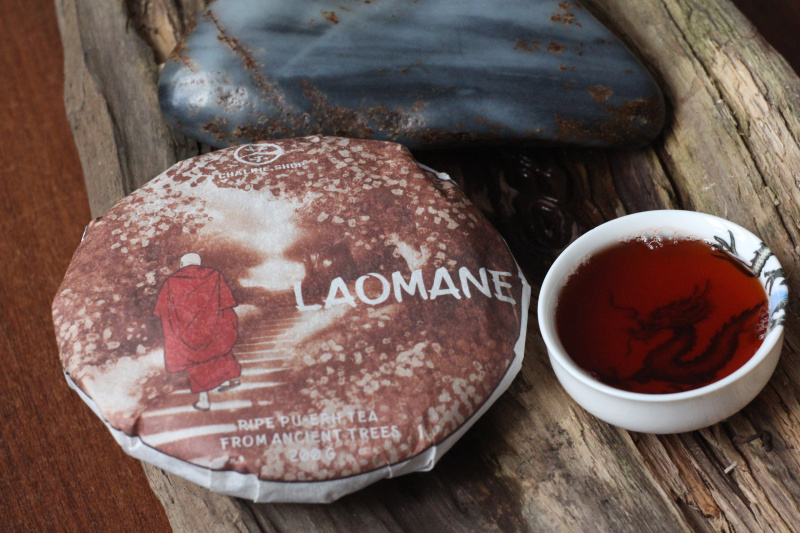
Puer is a unique Chinese tea that is distinguished by its depth of taste, complexity of aromas and versatility of aftertaste. Its taste characteristics are formed under the influence of many factors, from growing conditions to the brewing method. Let's look at the main ones.


