








-
9 Saturation
-
10 Aftertaste
-
10 Aroma
-
7 Effect
-
9 Balance
-
9 Body
|
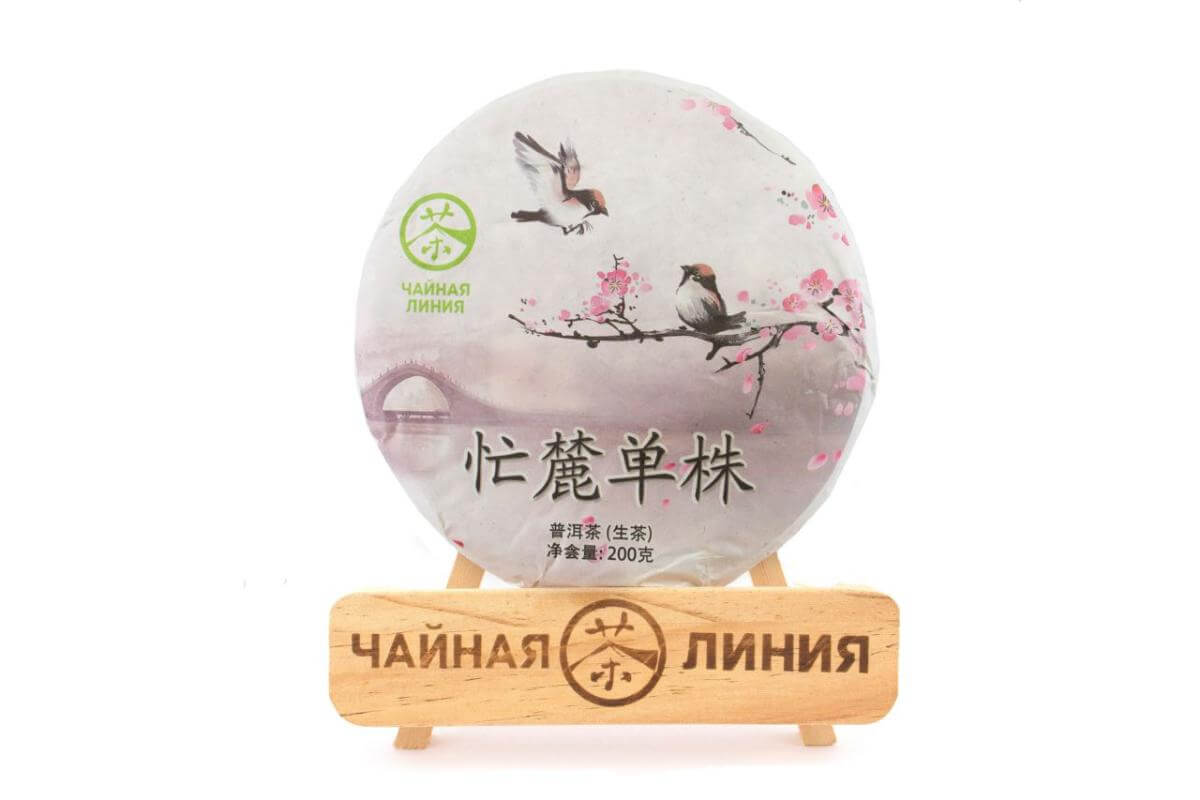
Name in Chinese
|
忙麓单株茶 |
|
Pinyin
|
mánglù dānzhū chá |
|
Translation
|
Single Tree Tea from Manlu |
|
Country
|
Китай |
|
District
|
Lincang |
|
Provinces
|
Юньнань (云南) |
|
Habitat
|
Манлу (忙麓, Máng lù) |
|
Manufacturer
|
ООО "Чайная Линия" |
|
Date of raw material production
|
2020 |
|
Year of pressing
|
2020 |
|
Declared weight, g
|
200 |
|
Fermentation method
|
Natural |
|
Type of tea raw material
|
Ancient trees (over 500 years old) |
|
The tea is suitable.
|
for skin rejuvenation, for the tea ceremony (ceremonial), for weight loss |
|
Length, cm
|
160 |
|
Width, cm
|
160 |
- Reviews
- Vkontakte
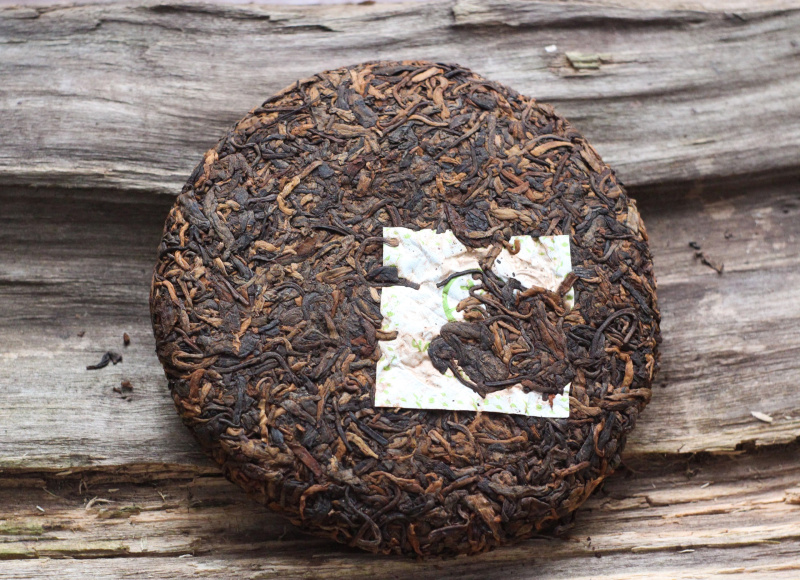
Pu-erh is one of the most unique types of tea, which only gets better with age. Many people, when they first encounter this tea, wondered: why is pu-erh more often found in pressed form (cakes, bricks, tochas), and not in loose form? The reasons for this are related to both history and the practical aspects of storing and fermenting tea. Despite modern technologies that allow the production of loose pu-erh, the shape of pressed cakes remains unchanged. And pu-erh is more often found on sale in pressed form, for example, in the form of cakes or bricks, and loose pu-erh is less common. We will talk about the reasons for pressing pu-erh into cakes in this article.
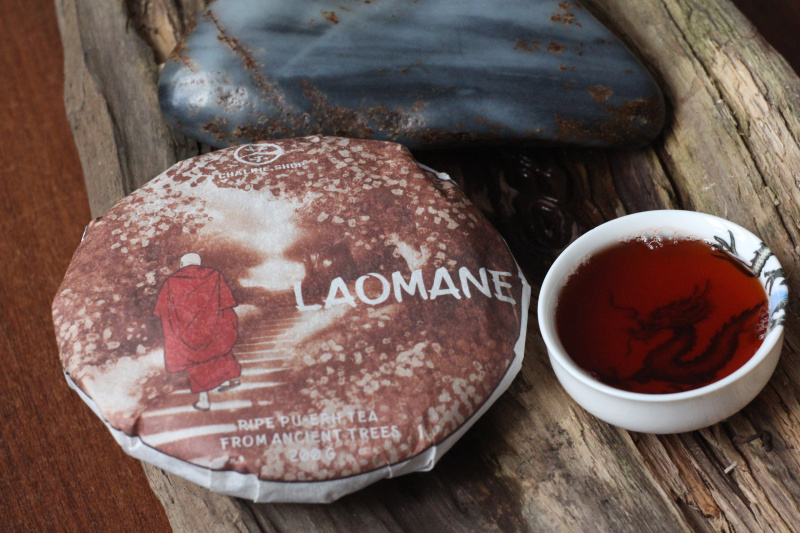
Puer is a unique Chinese tea that is distinguished by its depth of taste, complexity of aromas and versatility of aftertaste. Its taste characteristics are formed under the influence of many factors, from growing conditions to the brewing method. Let's look at the main ones.
Need a consultation?
Our specialists will answer any question of interest


