




-
8 Saturation
-
7 Aftertaste
-
7 Aroma
-
8 Effect
-
9 Balance
-
7 Body
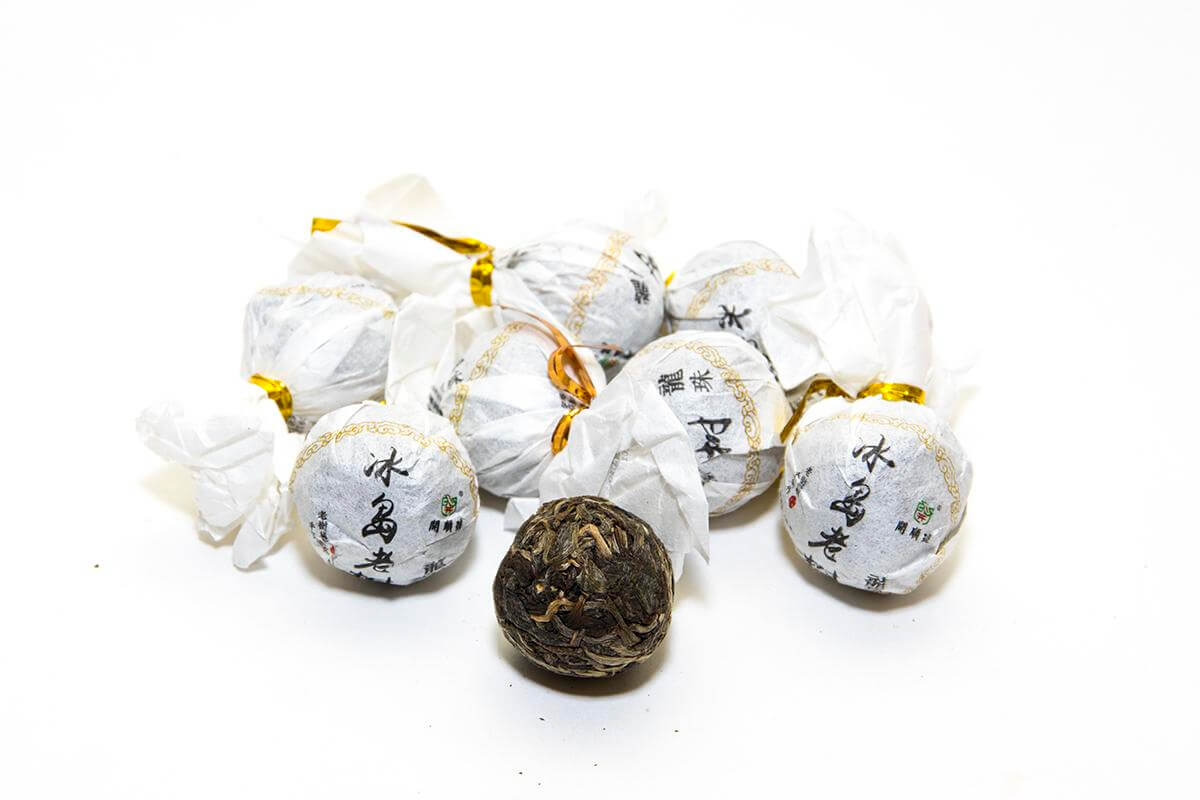
When dried, the tea leaves smell of a flowery meadow, light raisins, berries, and honey. A warm teapot reveals the aroma of camphor, raisins, and honey, with hints of spring flowers and Turkish spices. Rinsed tea leaves smell of dried fruit and dried cherry leaves. The aroma is sweet, delicate, and rich.
The tea's flavor is slightly tart and strong. Spring flowers and dried fruits are evident, with a slight bitterness that transitions into a refreshing berry tartness. By the fifth steeping, the dried fruits and delicate floral notes gradually fade, and the infusion becomes watery and tart, with a distinct bitterness. The tea lasted six steeps. Recommended brewing utensils for this pu-erh are a Yixing clay teapot, a gaiwan, or a glass flask.
Drinking Kaishunhao Bingdao Lao Shu sheng pu'er leaves a fresh, slightly sweet aftertaste with hints of fruit and grapes. The tea warms well, gently invigorates, and refreshes the senses.
The color of the infusion is yellow-golden with an amber hue and remains this way for a long time, without fading or losing its shades.
Sheng Pu'er "Bingdao Lao Shu" is still a fairly young tea. Its flavor is bold, strong, and powerful. The raw materials used to make this tea are of very high quality, and it will improve with age.
This 8-gram portion of pu-erh tea is convenient to brew quickly, on the road, or at work. The pu-erh infusion will invigorate, refresh the senses, and give strength.
|
Name in Chinese
|
冰岛老树丸茶 |
|
Pinyin
|
bīngdǎo lǎoshù wánchá |
|
Translation
|
Tea ball from old trees from Bindao |
|
Country
|
Китай |
|
District
|
Lincang Prefectural District |
|
Manufacturer
|
Кайшуньхао (开顺号) |
|
Date of raw material production
|
March 28, 2017 |
|
Year of pressing
|
2017 |
|
Declared weight, g
|
8 |
- Reviews
- Vkontakte
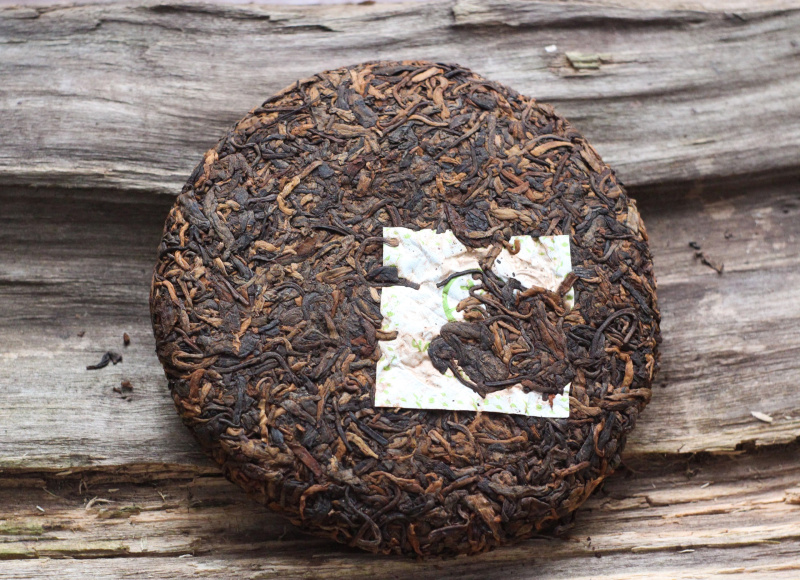
Pu-erh is one of the most unique types of tea, which only gets better with age. Many people, when they first encounter this tea, wondered: why is pu-erh more often found in pressed form (cakes, bricks, tochas), and not in loose form? The reasons for this are related to both history and the practical aspects of storing and fermenting tea. Despite modern technologies that allow the production of loose pu-erh, the shape of pressed cakes remains unchanged. And pu-erh is more often found on sale in pressed form, for example, in the form of cakes or bricks, and loose pu-erh is less common. We will talk about the reasons for pressing pu-erh into cakes in this article.
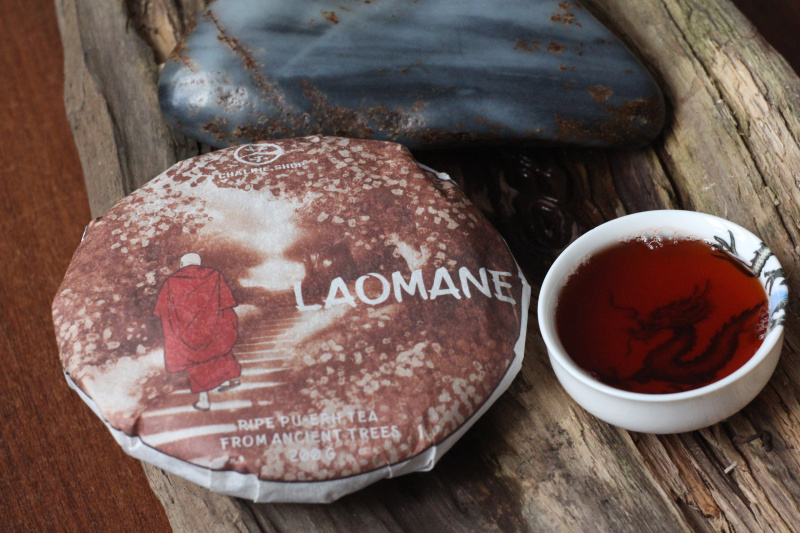
Puer is a unique Chinese tea that is distinguished by its depth of taste, complexity of aromas and versatility of aftertaste. Its taste characteristics are formed under the influence of many factors, from growing conditions to the brewing method. Let's look at the main ones.
В нашем ассортименте пуэров широко представлена линейка завода "Кайшуньхао". Мы познакомились с владельцем во время одного из путешествий в Китай. Это было время, когда мы открывали новые горизонты для сотрудничества основываясь на качестве и адекватной цене! Так кто же такие эти увлеченные своим делом люди?)
Need a consultation?
Our specialists will answer any question of interest


