



-
0 Saturation
-
0 Aftertaste
-
0 Aroma
-
0 Effect
-
0 Balance
-
0 Body
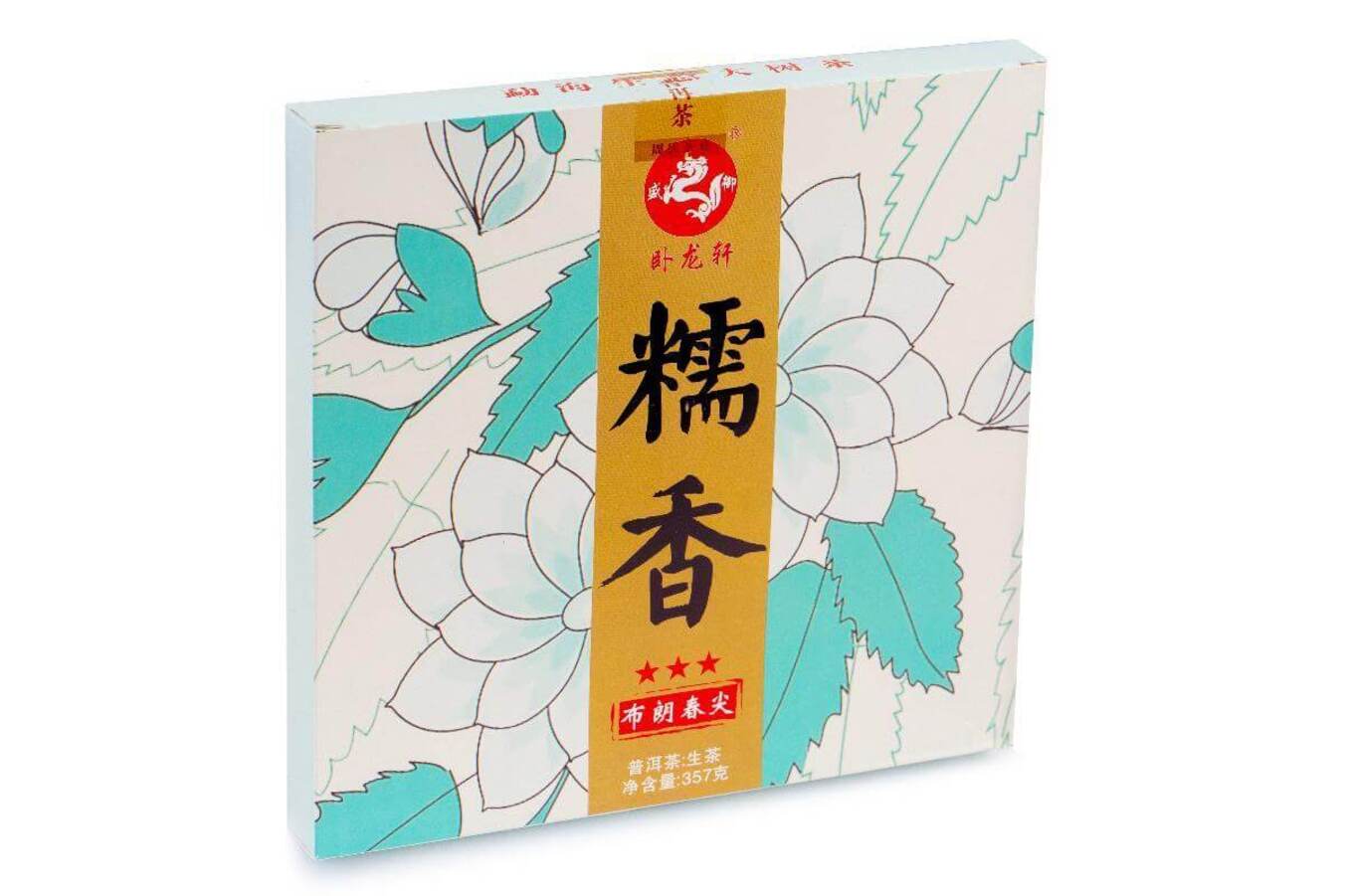
The aroma of Nomi grass leaves (糯米香叶子, nuòmǐ xiāng yèzi, Nomi Xiang Yezi) is produced in pu'er by mixing Nomi leaves and stems with tea leaves in a certain proportion.
When dry, the pancake has a complex, moderately piquant aroma. The Nomi trail is prominent at the forefront, with hints of beetroot and potato.
This pu-erh needs to be washed, and after washing, the aroma of Nomi is intensified, adding notes of last year's leaves and forest moss.
The brewed tea has a bright, complex, spicy, woody flavor, with a slight bitterness and hints of medicinal herbs. The taste features nomi grass, dried autumn leaves, and a citrusy bitterness at the end of the sip.
By the 3rd pour, the Nomi notes fade, revealing baked beans, roasted cashews, and fruity tones with citrus freshness.
This pu-erh tea can withstand 7 full steepings. Brew with water at 95-98°C, using 5-7 g of tea per 150-200 ml porcelain gaiwan.
The amber-colored infusion leaves a slightly sweet aftertaste.
Nomi herb has a hematopoietic effect, "fills the void" (traditional Chinese and medical), suppresses sweating, and has a beneficial effect on the spleen. Suitable for women, young children, and the elderly.
Sheng pu-erh "Nomi Xiang" perfectly tones, gives strength and energy, warms well and balances
This product is a kind of medicinal complex that will be of interest to lovers of pu-erh teas with a unique taste and aroma.
|
Country
|
Китай |
|
Provinces
|
Юньнань (云南) |
|
Manufacturer
|
Чжоуши (周氏) |
|
Year of pressing
|
2015 |
|
Pressing form
|
Бин Ча (блин) |
|
Declared weight, g
|
357 |
|
Size
|
20x20x2 |
|
Length, cm
|
20 |
|
Width, cm
|
20 |
- Reviews
- Vkontakte
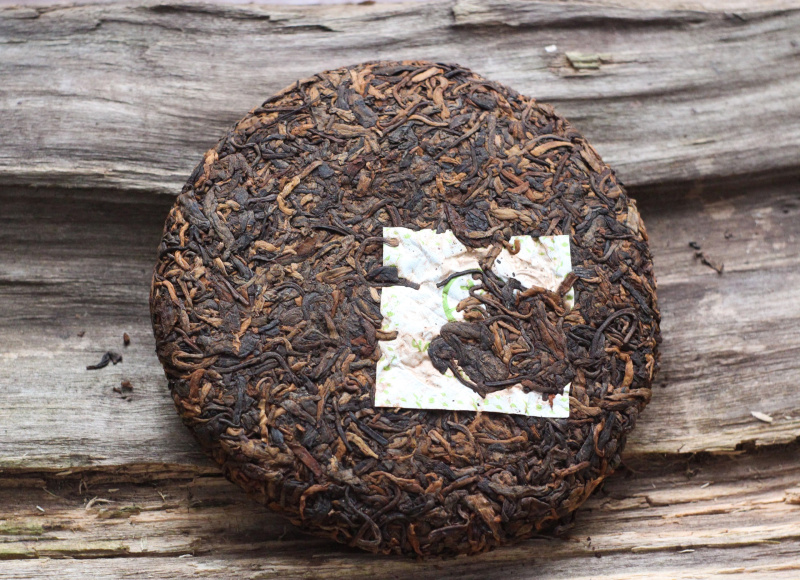
Pu-erh is one of the most unique types of tea, which only gets better with age. Many people, when they first encounter this tea, wondered: why is pu-erh more often found in pressed form (cakes, bricks, tochas), and not in loose form? The reasons for this are related to both history and the practical aspects of storing and fermenting tea. Despite modern technologies that allow the production of loose pu-erh, the shape of pressed cakes remains unchanged. And pu-erh is more often found on sale in pressed form, for example, in the form of cakes or bricks, and loose pu-erh is less common. We will talk about the reasons for pressing pu-erh into cakes in this article.
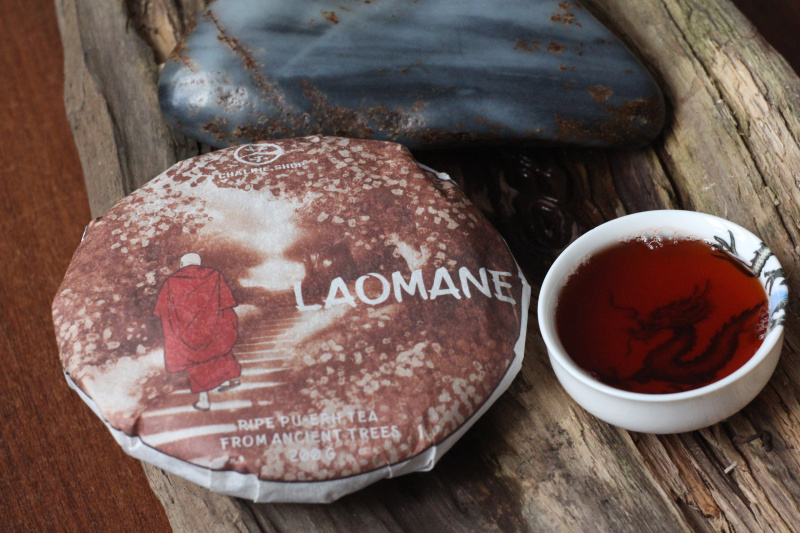
Puer is a unique Chinese tea that is distinguished by its depth of taste, complexity of aromas and versatility of aftertaste. Its taste characteristics are formed under the influence of many factors, from growing conditions to the brewing method. Let's look at the main ones.
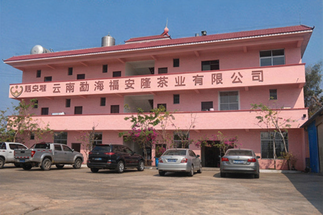
Well, finally we got to the Zhoushi puer factory, which is located in Menghai, Yunnan Province. We first purchased their cakes remotely several years ago and they were to the taste of Russian tea people. Now it's time to personally meet the owners and expand the range of this brand on the shelves of ChL. In this video, you will see the production process of the already familiar cakes, rare shots of the nuances of packaging and the atmosphere of such places.


