




-
6 Saturation
-
6 Aftertaste
-
8 Aroma
-
5 Effect
-
7 Balance
-
7 Body
“Wu Liang Shan” is administratively divided into 13 villages: Guangming (光明村, guāngmíng cūn), Baoping (保平村, bǎopíng cūn), Dean (德安村, déān cūn), Xinzheng (新政村, xīnzhèng cūn), Gude (古德村, gǔdé cūn), Majie (马街村, mǎjiē cūn), Kebao (可保村, kěbǎo cūn), Weiguo (卫国村, wèiguó cūn), Hongxing (红星村, hóngxīng cūn), Fada (发达村, fādá cūn), Baotai (保台村, bǎotái cūn), Heping (和平村, hépíng cūn), Huashan (huàshān cūn).
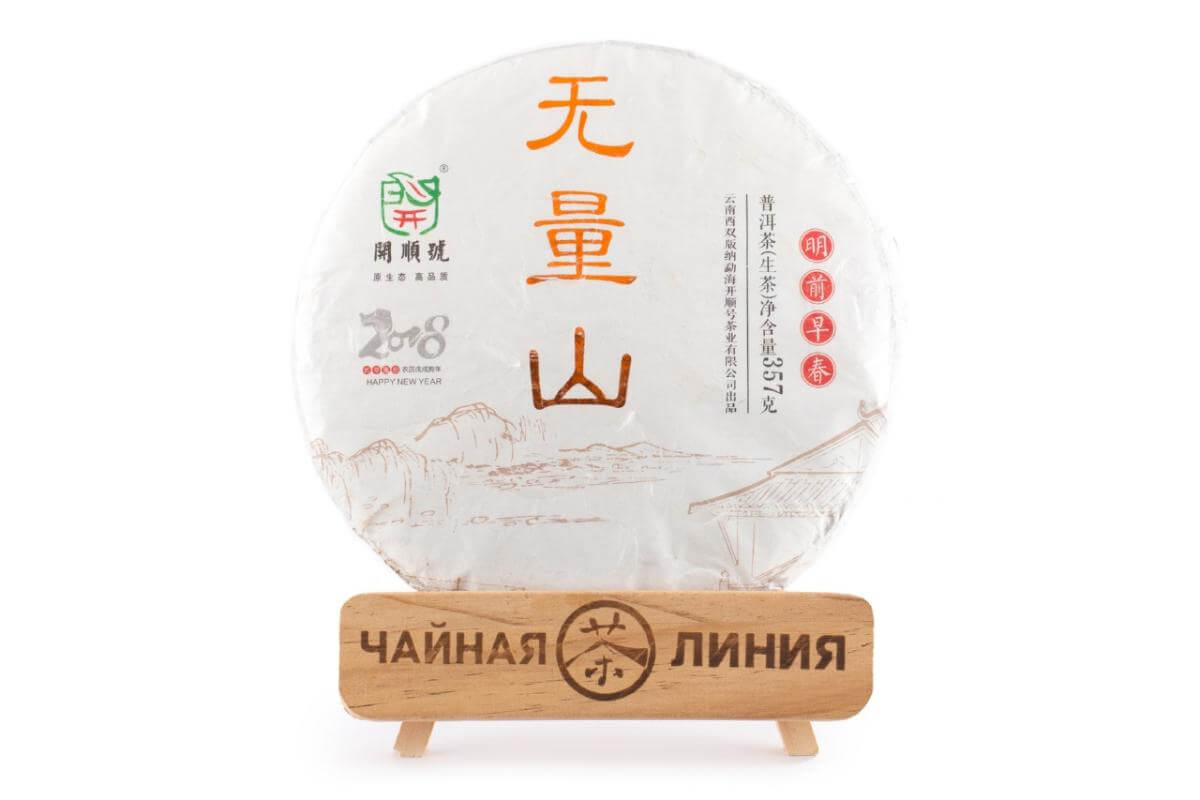
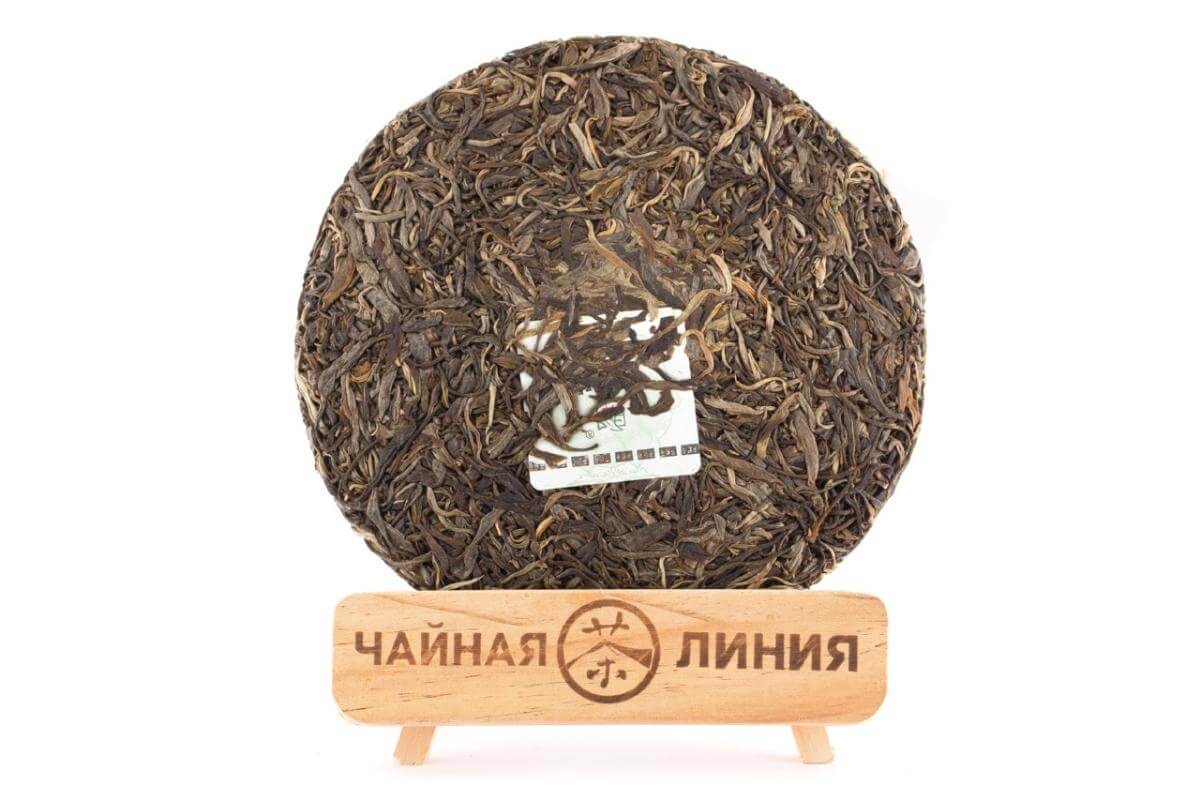
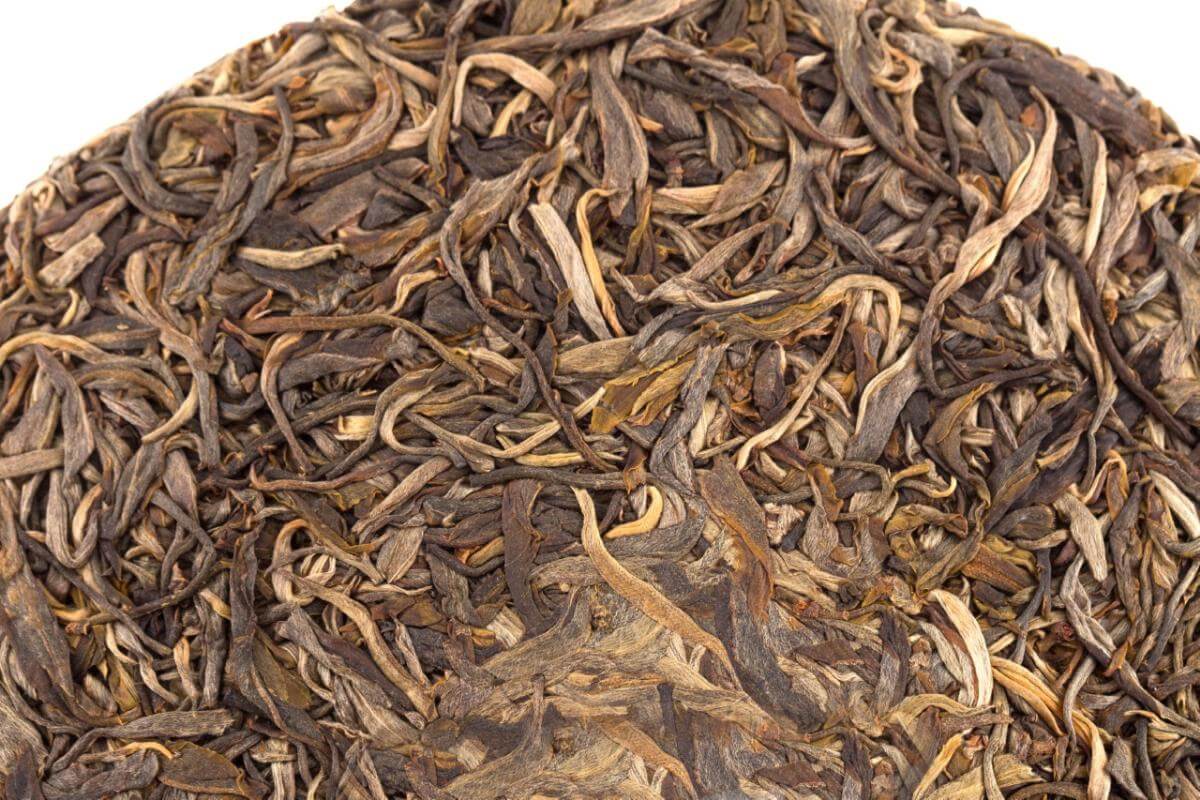
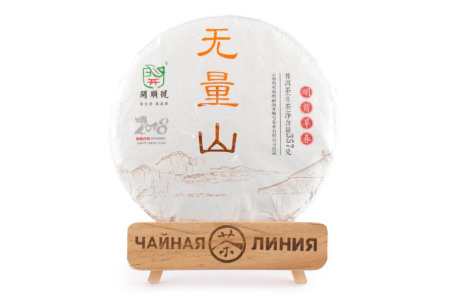
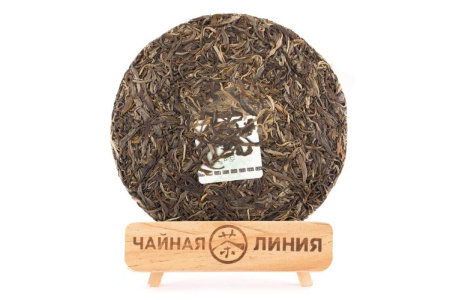
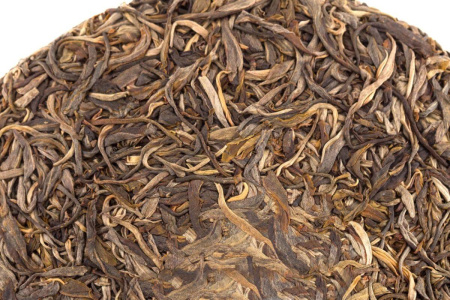
Kaishunhao sheng pu'er (开顺号, kāishùnháo) is distinguished by its beautiful tea leaves with a sweet, honeyed, floral aroma. When steeped, the moist tea leaves evoke sweet pear, herbal, and mushroom notes. The flavor opens with fruity acidity, woodiness, and compote, then transitions to a tart base with a sweet finish and a hint of mint on the palate.
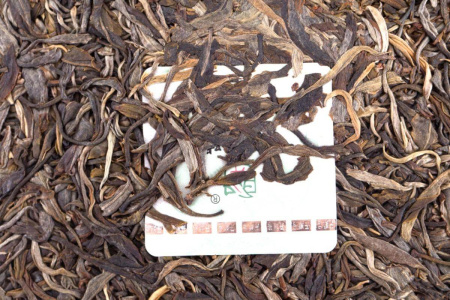
The aroma of dry tea leaves reveals a vibrant trail of candy-like acidity, camphor-fruity notes, and hints of dried fruit. After washing, the aroma is warm and rich, with fruity undertones, notes of blackcurrant leaves, and touches of ripe blackberry.
The taste is refreshing and dense, moderately sweet. The flavor features a slight bitterness, candied citrus, a hint of blackcurrant, and dried fruit nuances. By the third steeping, the citrus flavor begins to dominate, with a bright but quickly dissolving bitterness.
This pu-erh tea steeps for five times, leaving a light, refreshing aftertaste with a dried fruit aroma, before becoming bitter and astringent. It can be brewed using a gaiwan, a Yixing teapot, or a tea flask. The infusion is clear and transparent, lemon-colored with a golden hue.
The effects of drinking 2018 Wulyangshan sheng pu'er tea from Kaishunhao are quite strong and long-lasting. The tea is a great tonic, improves concentration, sharpens vision, and elevates mood. It also relaxes the entire body, leaving a meditative state with a pleasant, slight giddiness.
Overall, this pu-erh is still in its infancy and requires several years of proper storage, but can already be used to achieve the correct tea state, or as a worthy gift for a lover of high-quality and unique shengs.
|
Name in Chinese
|
无量山 |
|
Pinyin
|
wúliàngshān |
|
Translation
|
Immeasurable Mountain |
|
Country
|
Китай |
|
District
|
Dali-Bai Autonomous Okrug |
|
Provinces
|
Юньнань (云南) |
|
Habitat
|
Улян (无量, wúliàng) |
|
Manufacturer
|
Кайшуньхао (开顺号) |
|
Date of raw material production
|
2018 |
|
Year of pressing
|
2018 |
|
Pressing form
|
Бин Ча (блин) |
|
Declared weight, g
|
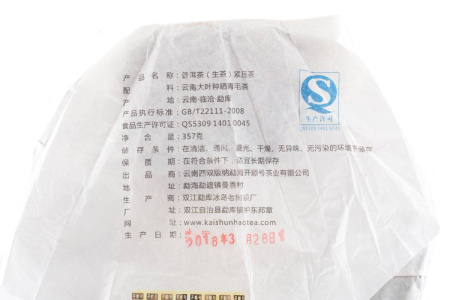
357 |
- Reviews
- Vkontakte
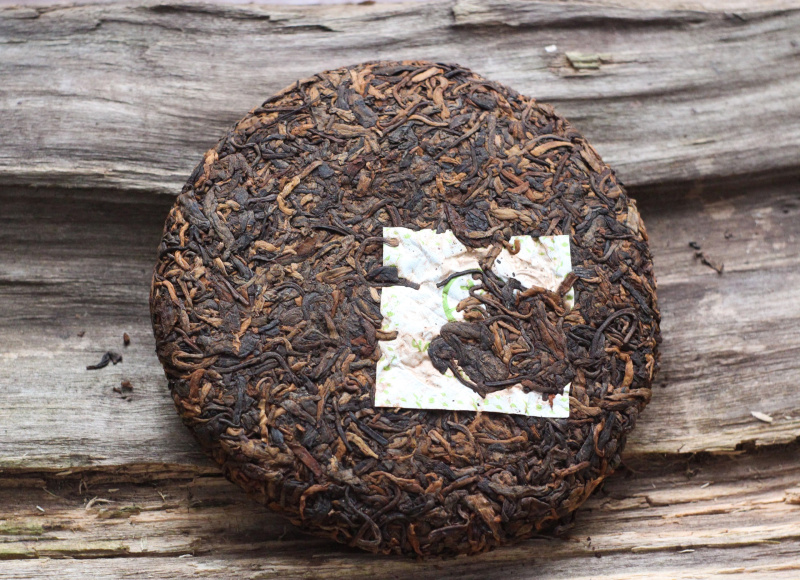
Pu-erh is one of the most unique types of tea, which only gets better with age. Many people, when they first encounter this tea, wondered: why is pu-erh more often found in pressed form (cakes, bricks, tochas), and not in loose form? The reasons for this are related to both history and the practical aspects of storing and fermenting tea. Despite modern technologies that allow the production of loose pu-erh, the shape of pressed cakes remains unchanged. And pu-erh is more often found on sale in pressed form, for example, in the form of cakes or bricks, and loose pu-erh is less common. We will talk about the reasons for pressing pu-erh into cakes in this article.
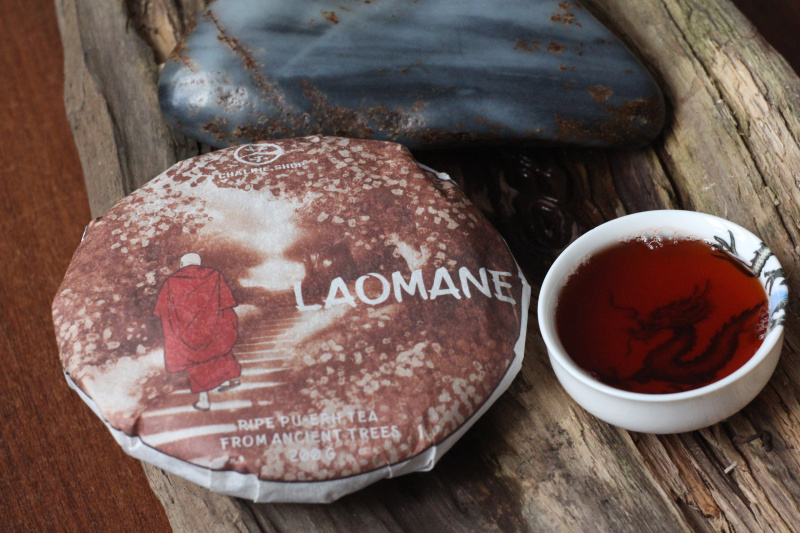
Puer is a unique Chinese tea that is distinguished by its depth of taste, complexity of aromas and versatility of aftertaste. Its taste characteristics are formed under the influence of many factors, from growing conditions to the brewing method. Let's look at the main ones.
В нашем ассортименте пуэров широко представлена линейка завода "Кайшуньхао". Мы познакомились с владельцем во время одного из путешествий в Китай. Это было время, когда мы открывали новые горизонты для сотрудничества основываясь на качестве и адекватной цене! Так кто же такие эти увлеченные своим делом люди?)
Need a consultation?
Our specialists will answer any question of interest


