



-
10 Saturation
-
10 Aftertaste
-
9 Aroma
-
10 Effect
-
10 Balance
-
10 Body
|
Name in Chinese
|
2005 |
|
Pinyin
|
2005 nián de xīn bāo lǜ hé jiǎjí tuó |
|
English name
|
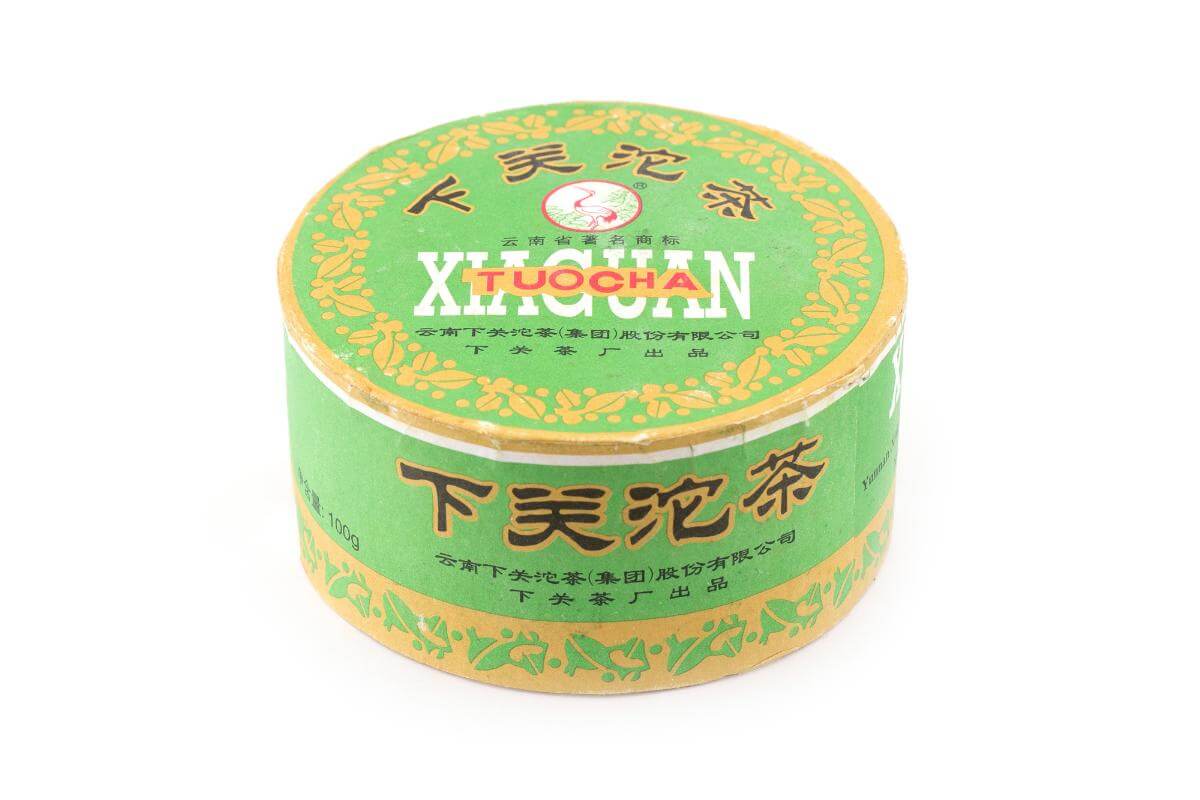
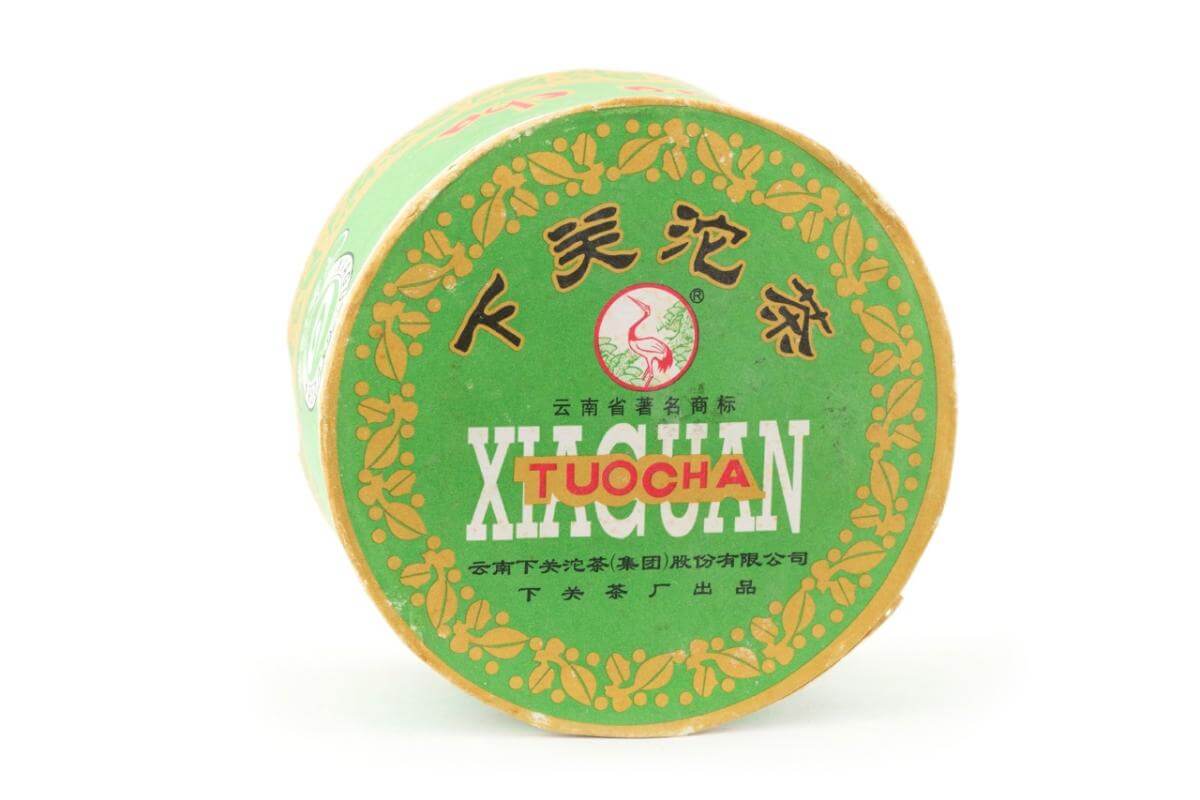
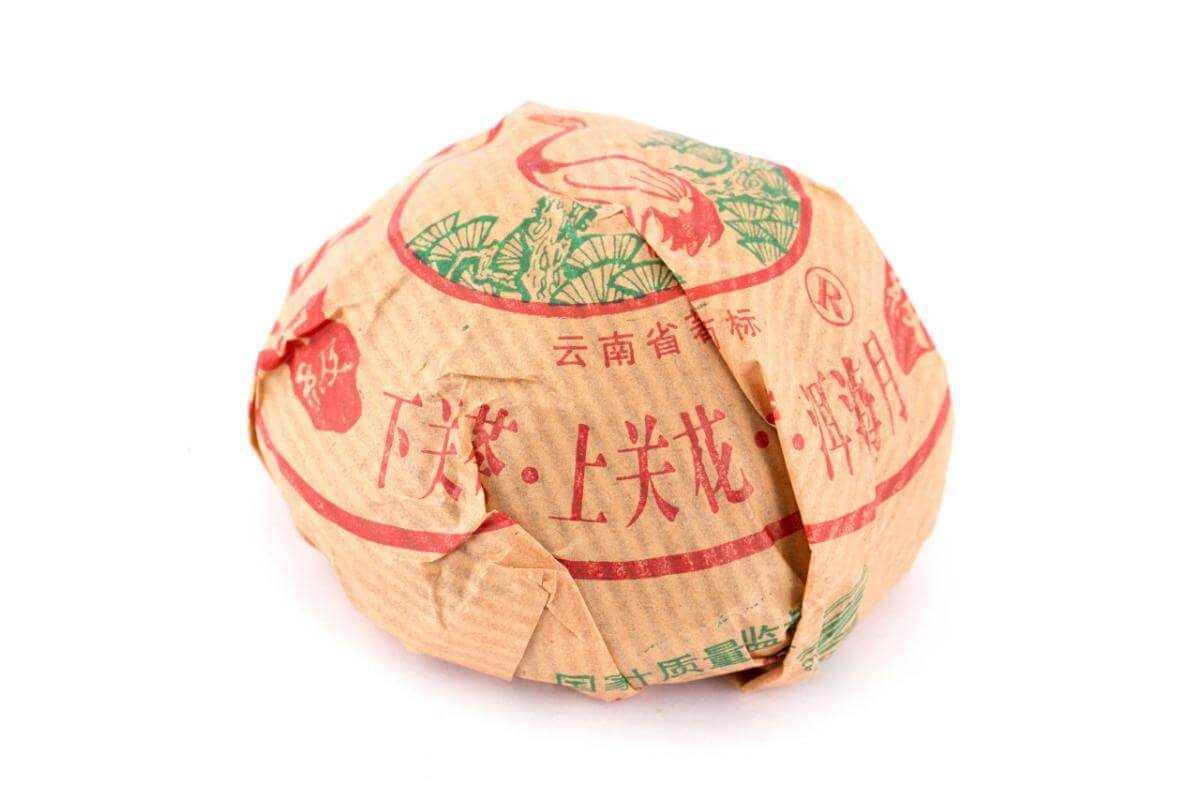
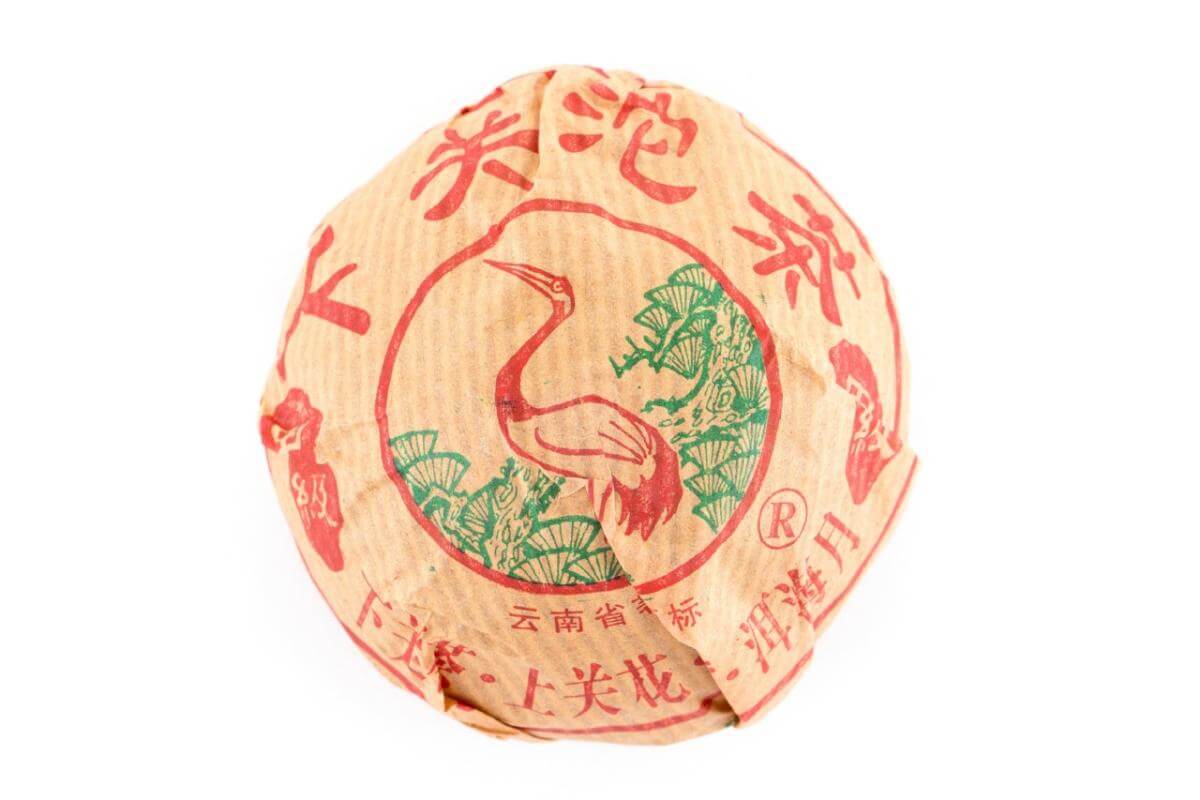
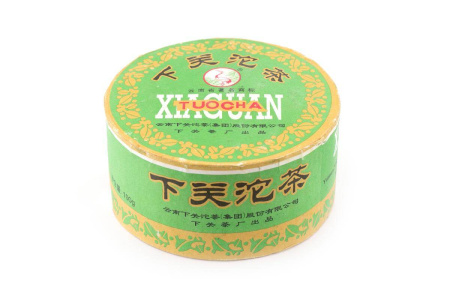
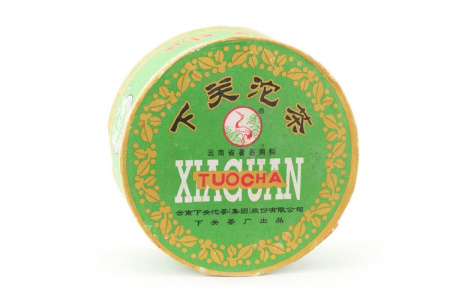
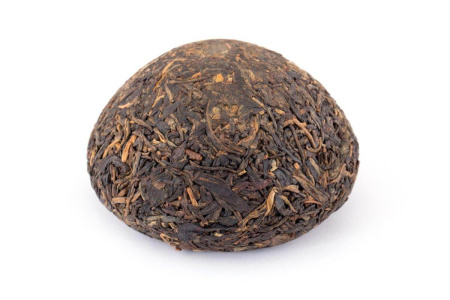
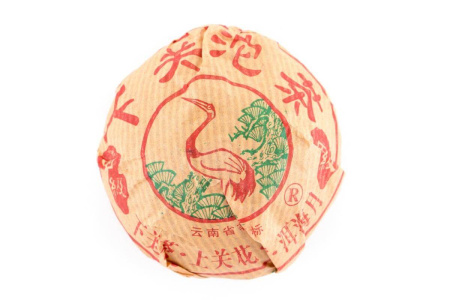
“Highest grade” of the 'Pine and Crane' brand. |
|
Translation
|
"Top grade" of the "Pine and Crane" brand |
|
Country
|
China |
|
District
|
Dali-Bai Autonomous Okrug |
|
Provinces
|
Yunnan (云南) |
|
Region
|
Dali Bai Autonomous Prefecture (大理白族自治州) |
|
Manufacturer
|
Сягуань (云南下关沱茶集团) |
|
Date of raw material production
|
2005 |
|
Year of pressing
|
2005 |
|
Pressing form
|
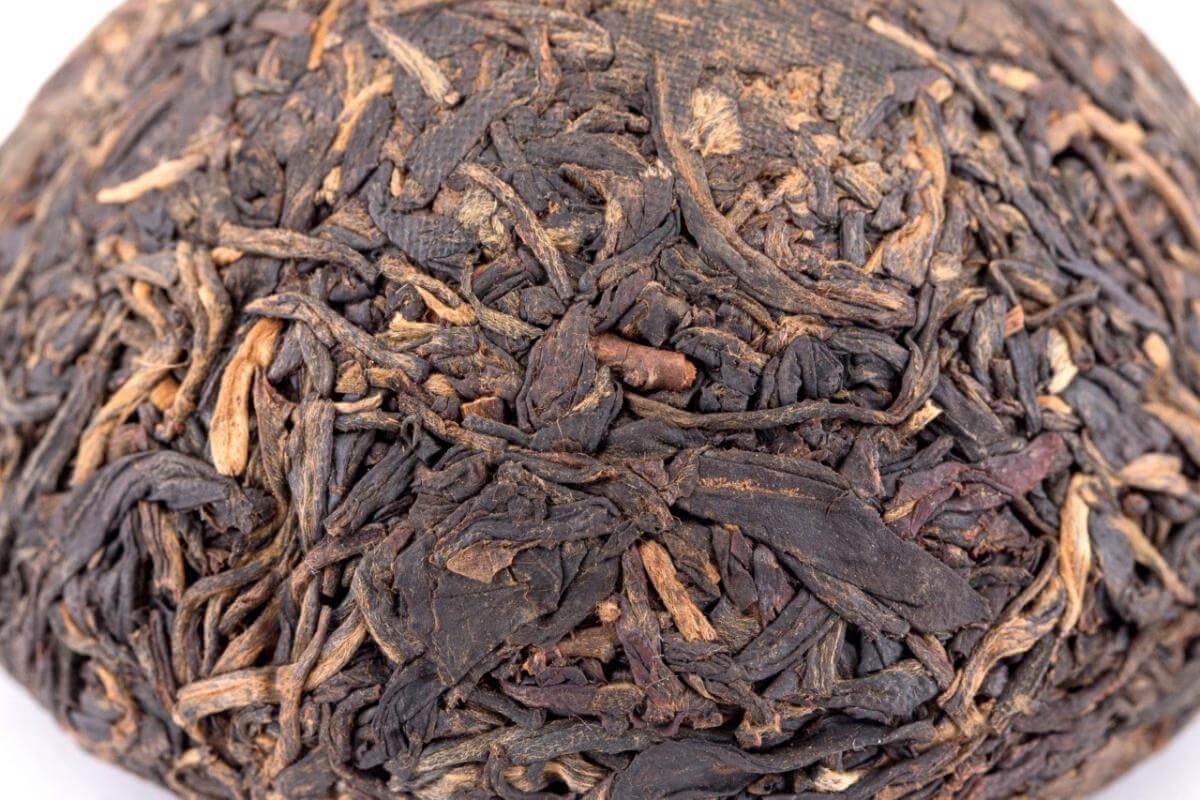
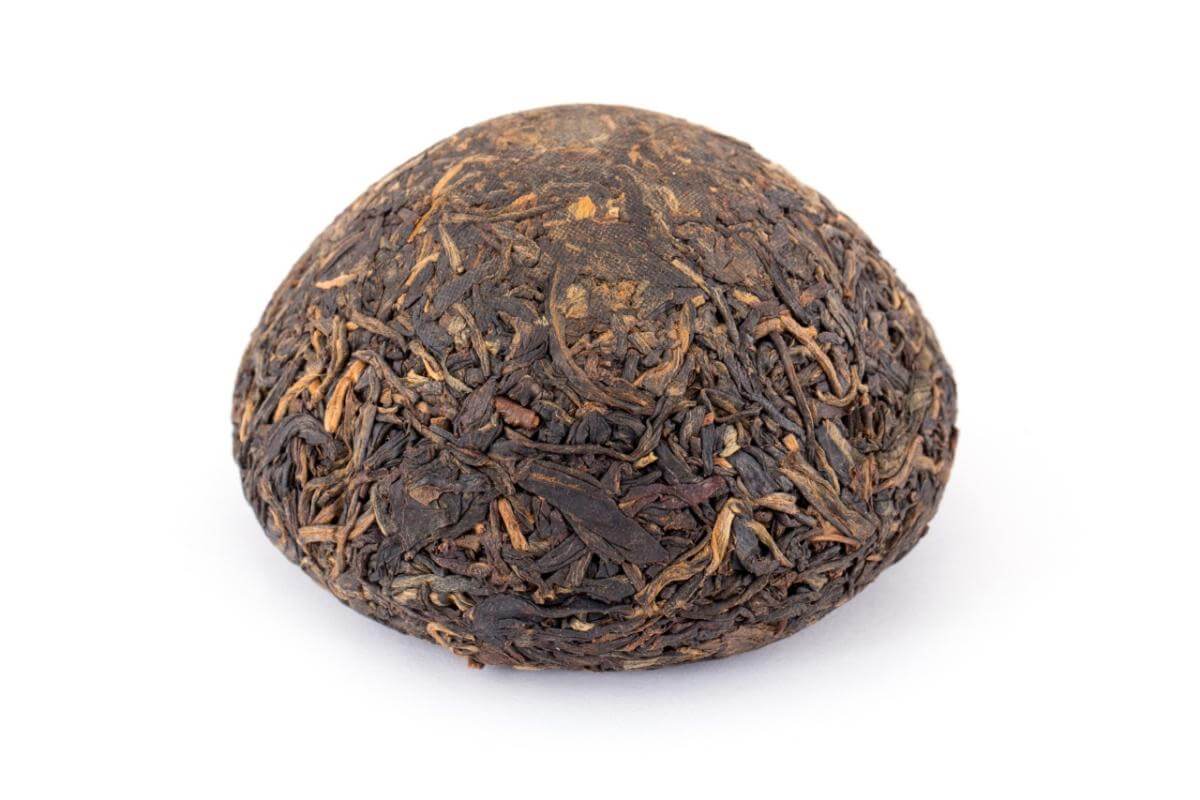
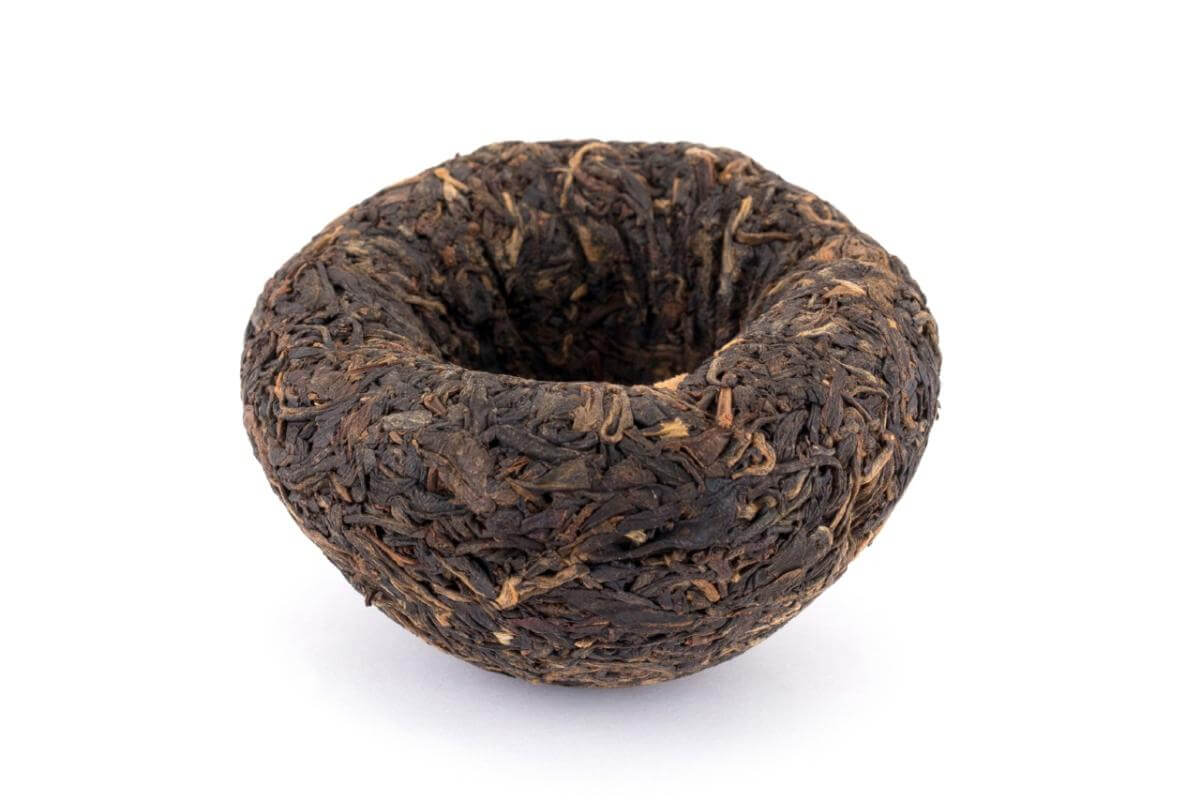
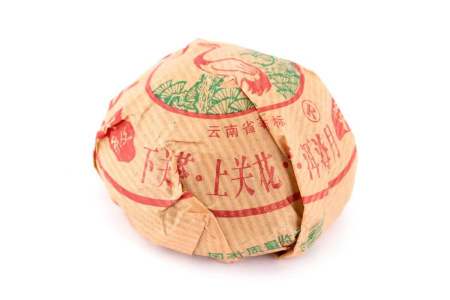
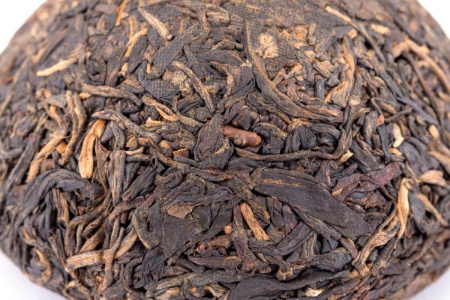
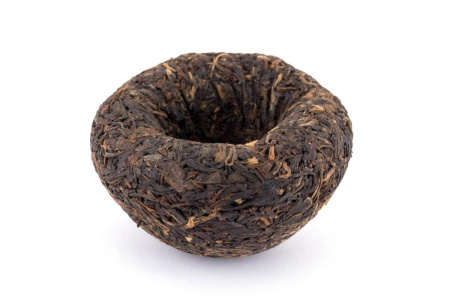
Tuo Cha (Tuo Tea) |
|
Declared weight, g
|
100 |
|
A variety of tea tree (bush)
|
Gu Shu |
|
Fermentation method
|
Водуй (В больших кучах) |
|
Size
|
10x10x5 |
|
Length, cm
|
10 |
|
Width, cm
|
10 |
- Reviews
- Vkontakte
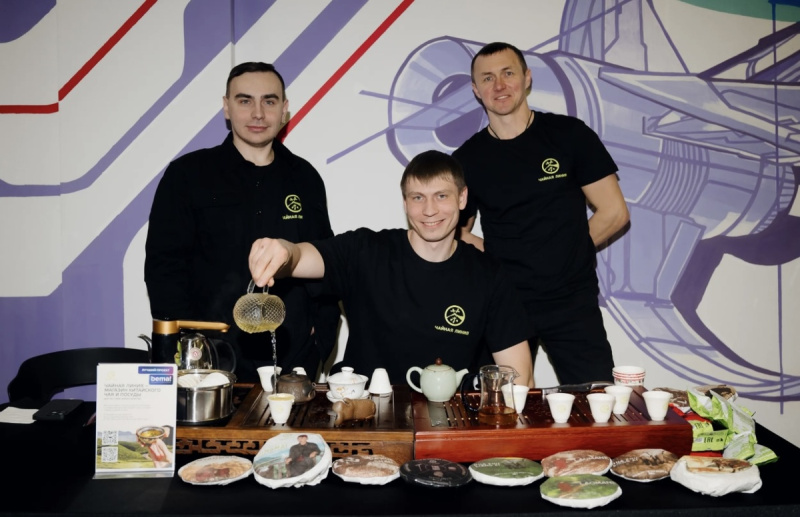
The View of Chinese Medicine and the Experience of the Tea Line
In Chinese tradition, tea is considered part of a system that influences the body's well-being. This is especially true for sheng pu'er: over time, it changes both in taste and in its effects on the body.
Xiaguan Tea Factory has a history of over 70 years. It was founded in 1941 and is located in Dali, Yunnan Province, which is often called the Eastern Switzerland. Beautiful nature and favorable weather, mountains and crystal clear lakes make it possible to produce excellent quality puer. Xiaguan Tea Factory is one of the main producers of pressed tea in China. It produces over 6,000 tons of puer tea annually. Xiaguan Factory produces both Shu puer and Sheng puer. However, the most popular and recognized are Sheng puer tocha (in the form of a nest, bowl) and bingcha (in the form of a pancake).
Need a consultation?
Our specialists will answer any question of interest


