

-
0 Saturation
-
0 Aftertaste
-
0 Aroma
-
0 Effect
-
0 Balance
-
0 Body
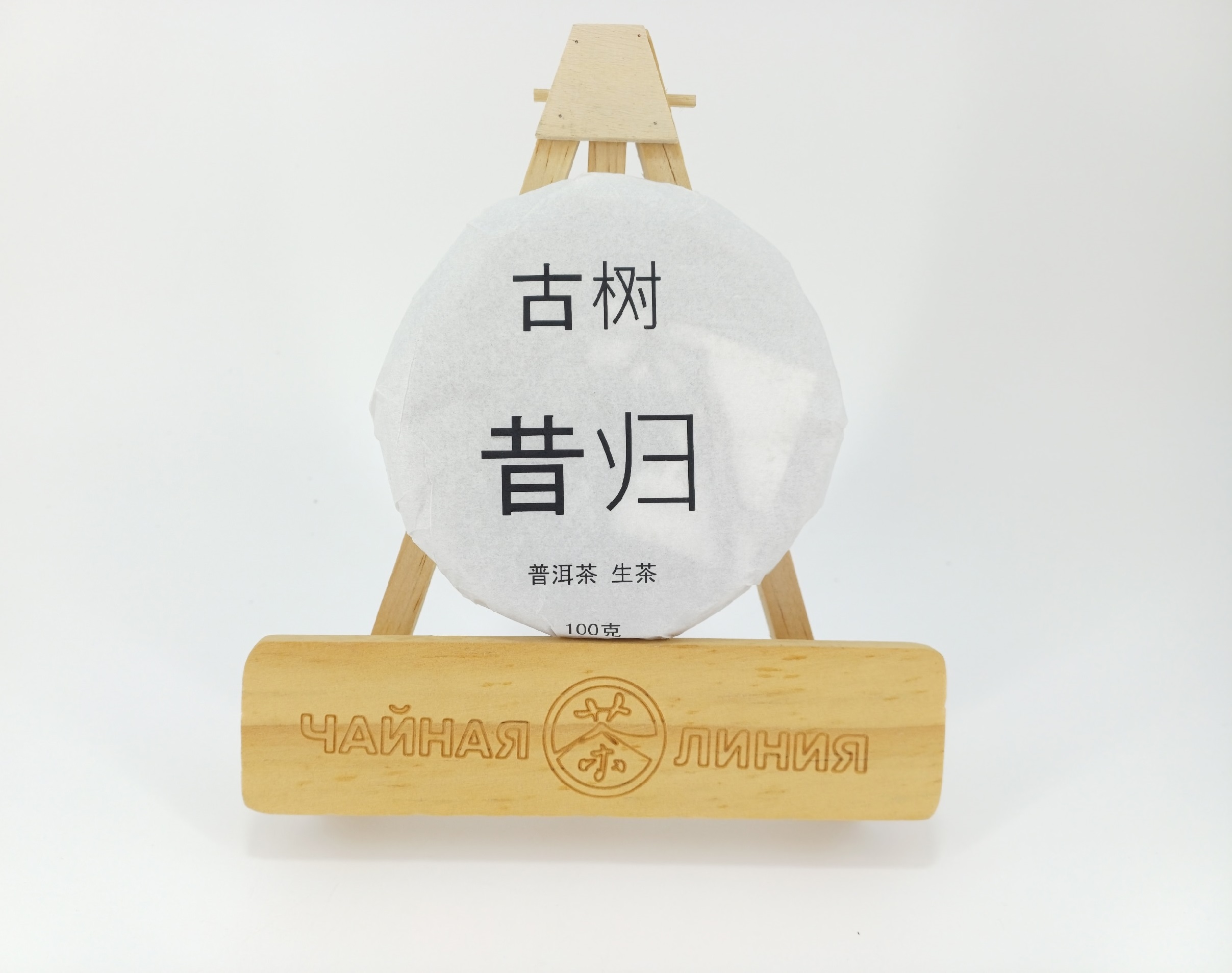
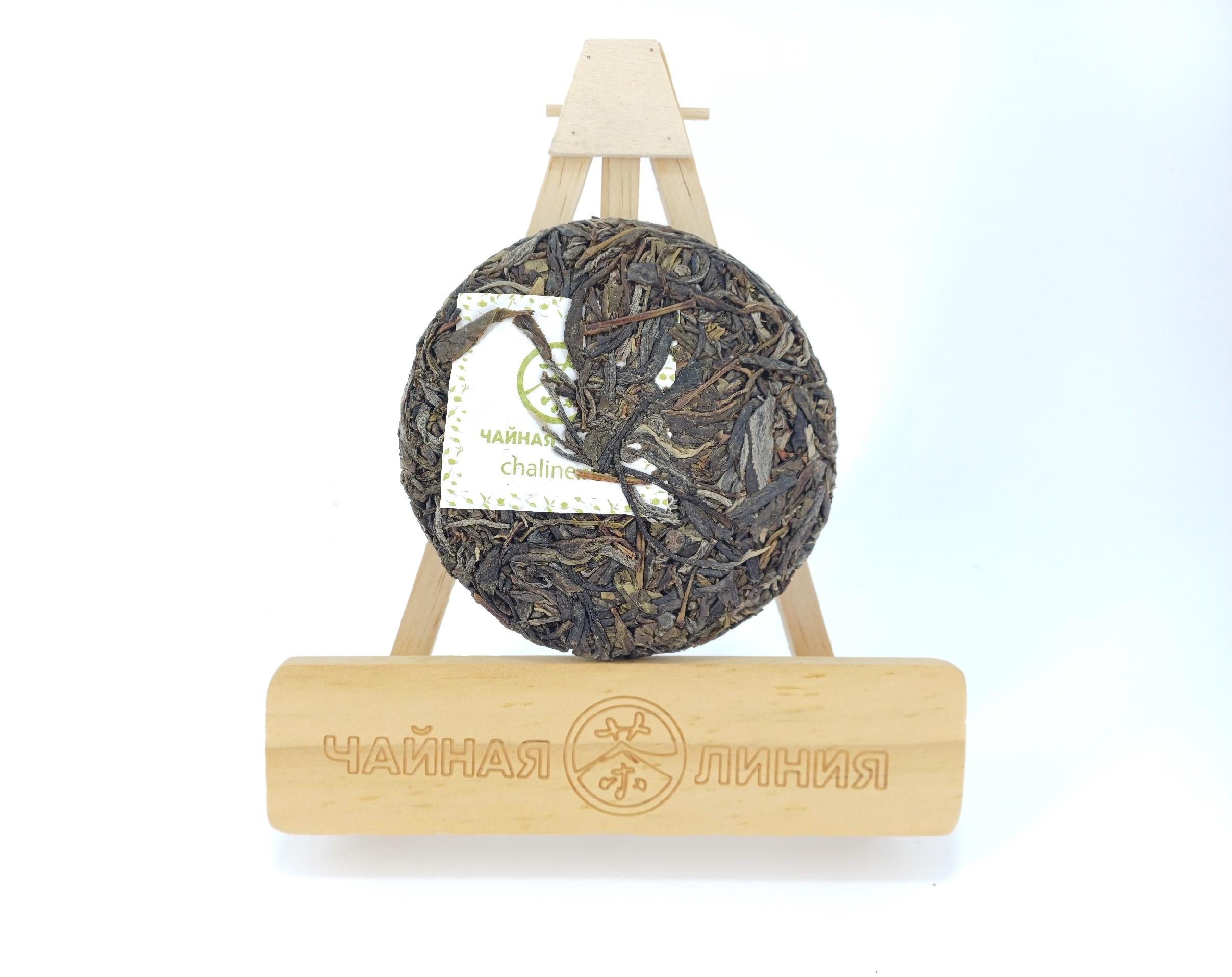
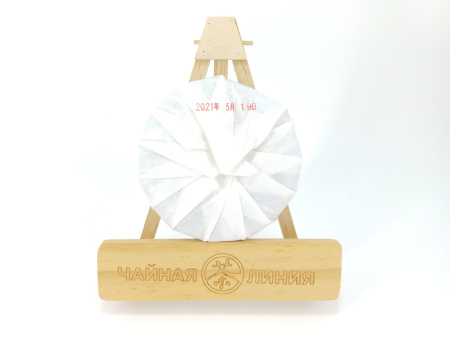
Название: «Иу чжэньшань дашуча»/«Цзаосян бин»
Перевод: «Большие деревья с той самой Иушань»/«Блин с ароматом фиников»
Кит. 易武正山大树茶/枣香饼, пиньинь yìwǔ zhèngshān dàshùchá/zǎo xiāng bǐng
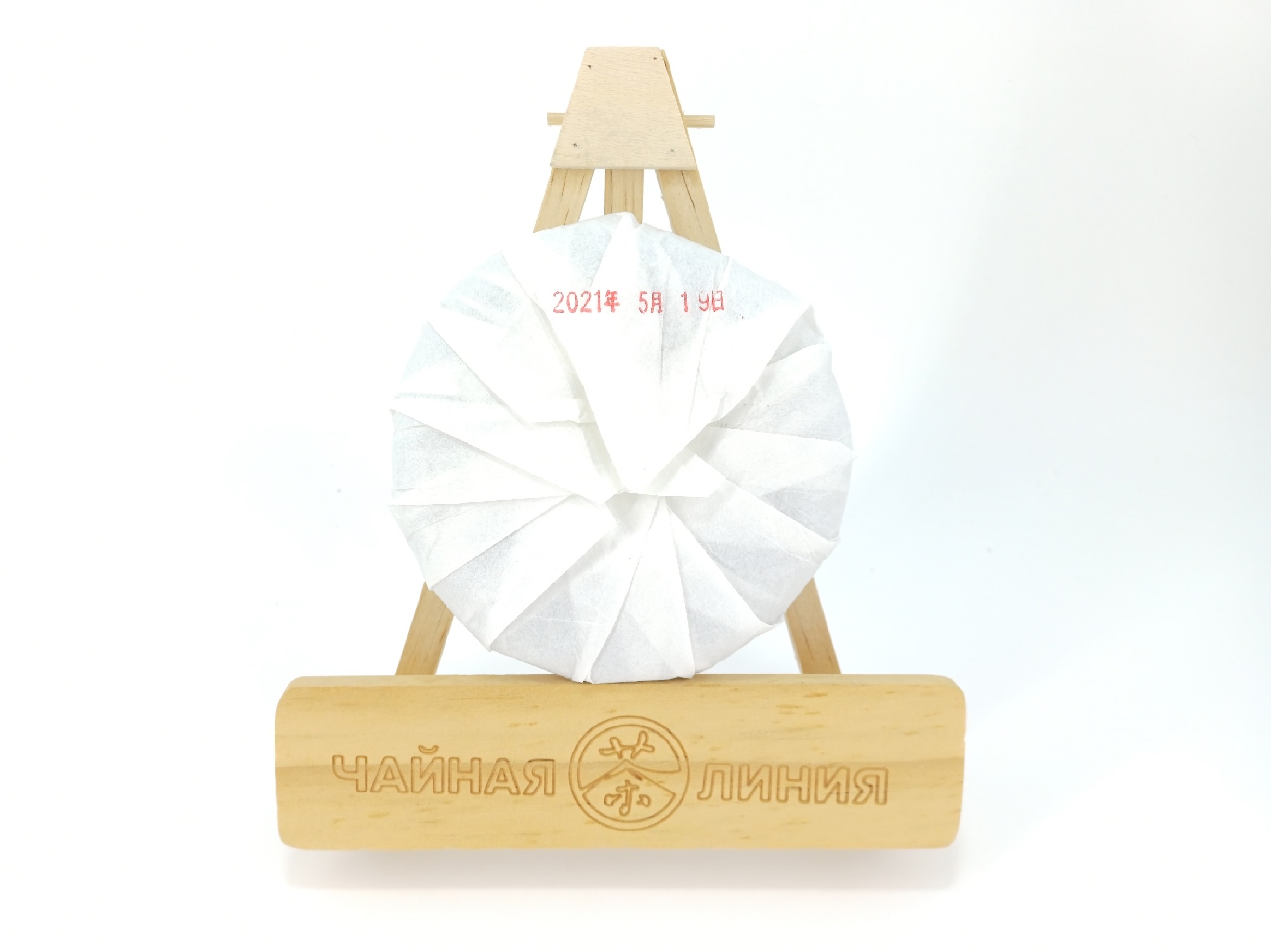
Дата изготовления: 2008 год.
Заявленный вес: 357 грамм.
Сырьё: крупнолистовое с горы Иушань, уезд Мэнла (勐腊县, měnglàxiàn), Сишуанбаньна-Дайский автономный округ (西双版纳傣族自治州), провинция Юньнань (云南, yúnnán), Китай.
Место производства: уезд Мэнхай (勐海县, měnghǎi xiàn), Сишуанбаньна-Дайский автономный округ (西双版纳傣族自治州), провинция Юньнань (云南, yúnnán), Китай.
Горы Иу относятся к шести древним чайным горам, где производят пуэры. Хотя исторически её место занимала гора Маньса, которая располагается неподалёку, но в силу исторических причин производство на ней было утрачено и перешло в Иушань. Чайные листья собираются с местного эндемика «юньнань дае», что переводится — крупнолистовой юньнаньский.
Впервые опубликовано 11.08.2017.
Copyright © Chaline.Ru
|
Country
|
China |
|
Provinces
|
Yunnan (云南) |
|
Habitat
|
Сигуй (昔归, xīguī) |
|
Declared weight, g
|
100 |
- Reviews
- Vkontakte
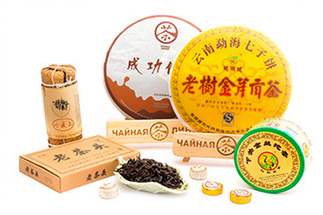
Pu-erh is one of the most unique types of tea, which only gets better with age. Many people, when they first encounter this tea, wondered: why is pu-erh more often found in pressed form (cakes, bricks, tochas), and not in loose form? The reasons for this are related to both history and the practical aspects of storing and fermenting tea. Despite modern technologies that allow the production of loose pu-erh, the shape of pressed cakes remains unchanged. And pu-erh is more often found on sale in pressed form, for example, in the form of cakes or bricks, and loose pu-erh is less common. We will talk about the reasons for pressing pu-erh into cakes in this article.
Puer is a unique Chinese tea that is distinguished by its depth of taste, complexity of aromas and versatility of aftertaste. Its taste characteristics are formed under the influence of many factors, from growing conditions to the brewing method. Let's look at the main ones.
Over time, some consumers who are part of the country's "tea elite" discover mainland Chinese tea. And only a few get acquainted with Taiwanese varieties. The path of a tea person is usually long and thorny, but ultimately it leads to the King of Teas - puer. But not everyone is able to go all the way from ordinary teas to puer and appreciate its qualities.
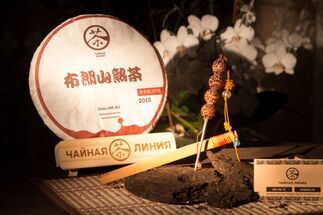
The tea ceremony occupies a special place in the centuries-old Eastern tradition. And although the essence of this phenomenon remains constant, the nature and external manifestations of the tea ceremony in different nations have their own national characteristics. In each Chinese province, the tea ceremony and the tea used in it are varied: for example, residents of the southern provinces prefer green tea, and residents of the northern provinces - red tea, in Fujian province they more often use Oolong tea, and in Yunnan province Puer tea is widely known.
