




-
0 Saturation
-
0 Aftertaste
-
0 Aroma
-
0 Effect
-
0 Balance
-
0 Body
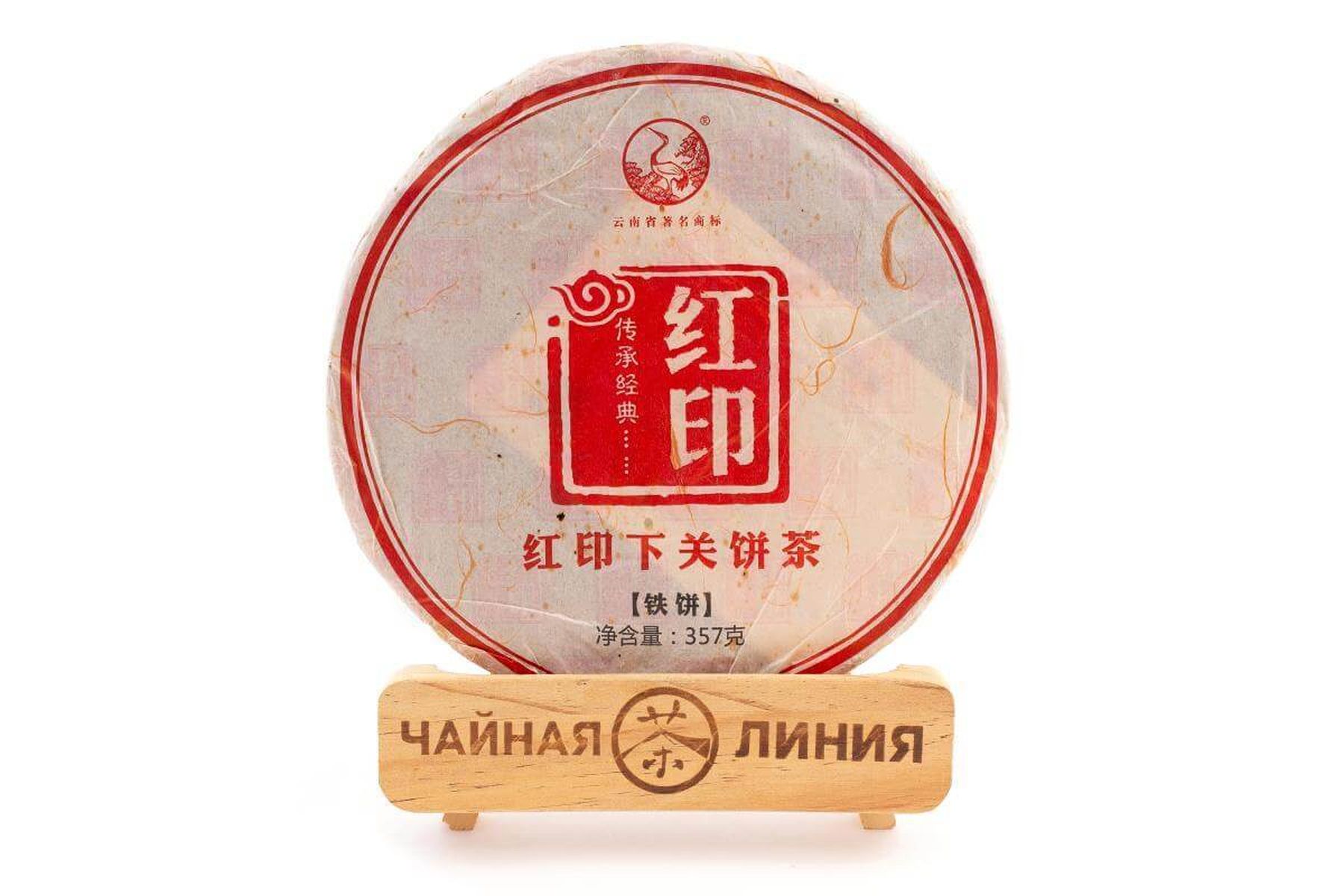
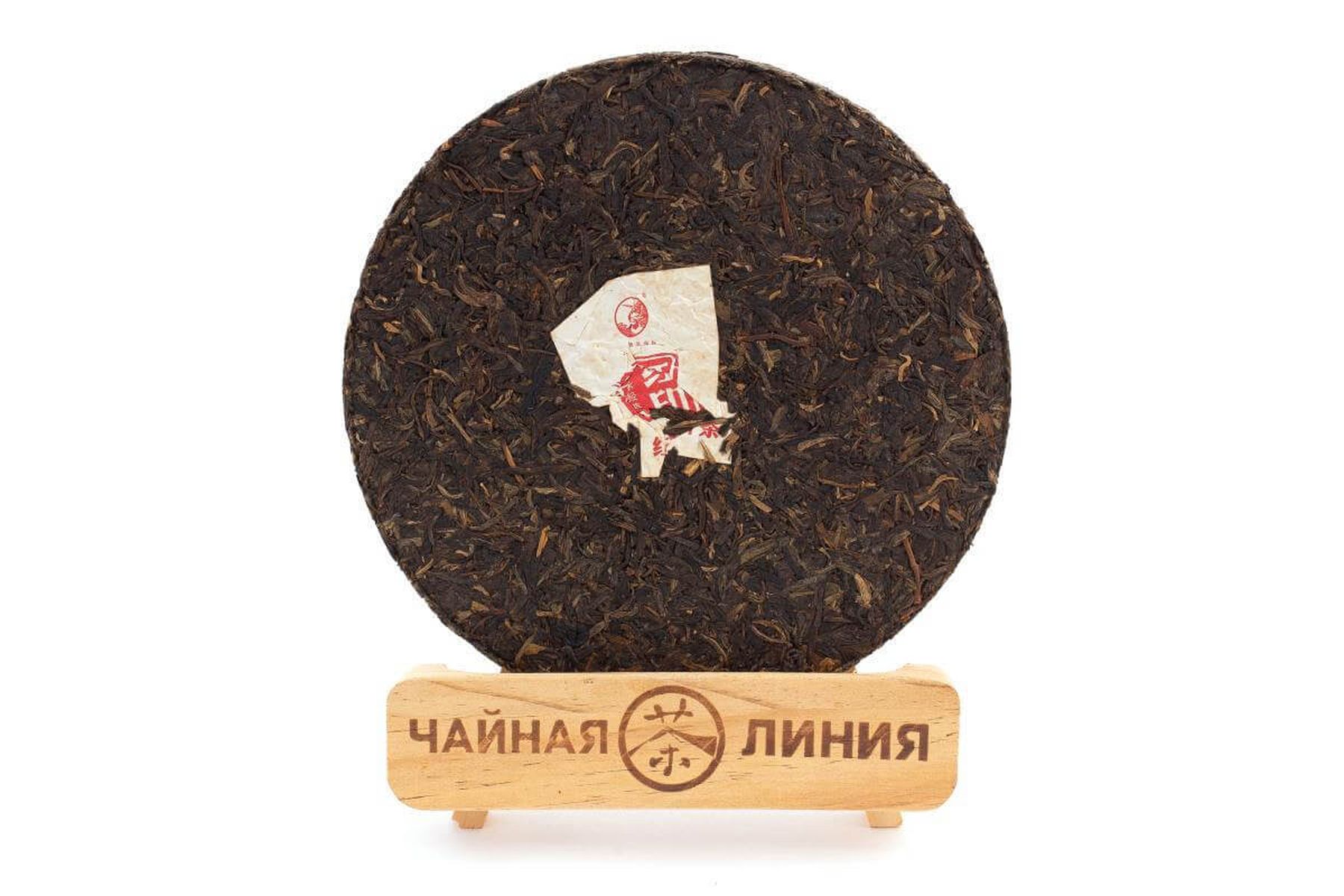
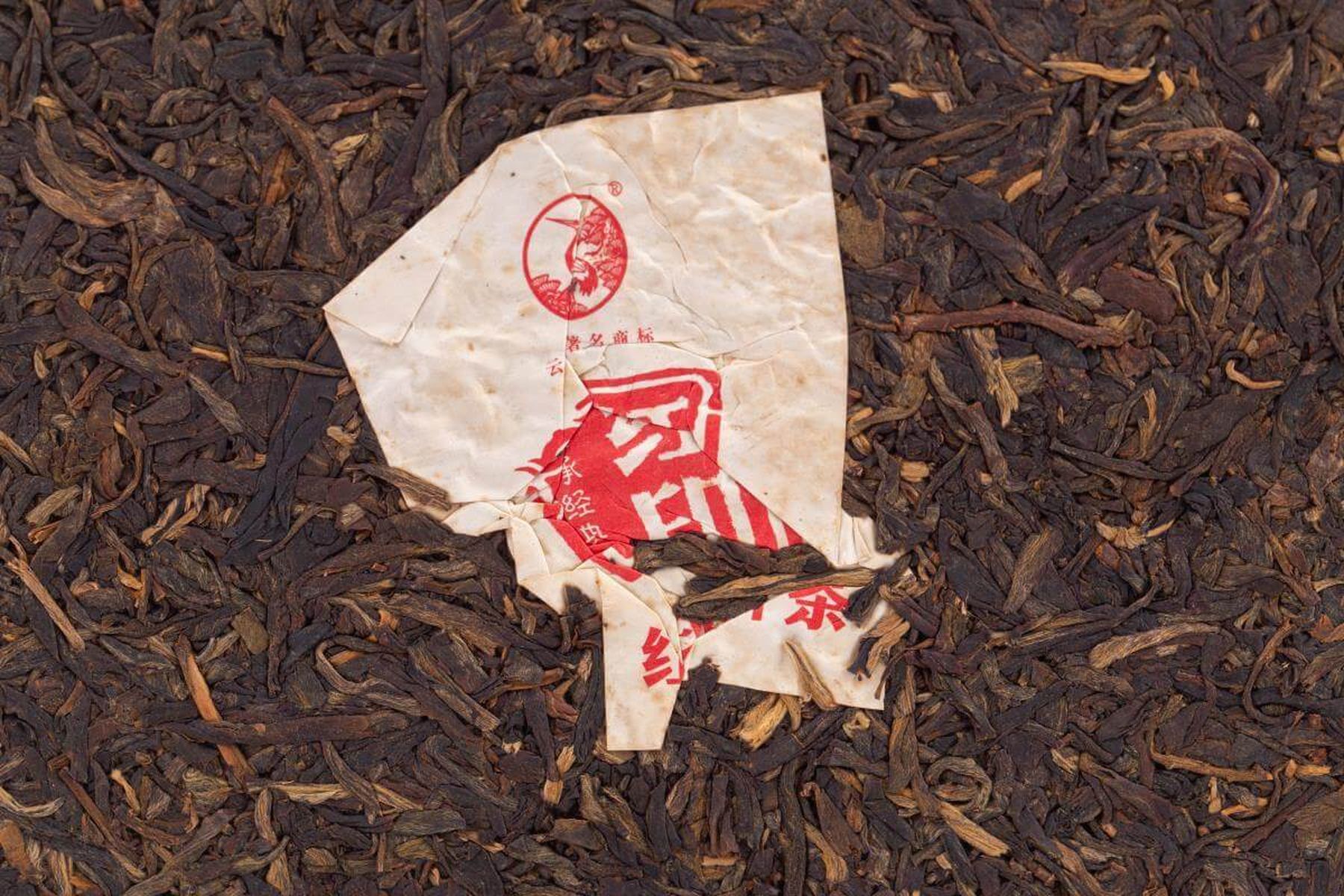
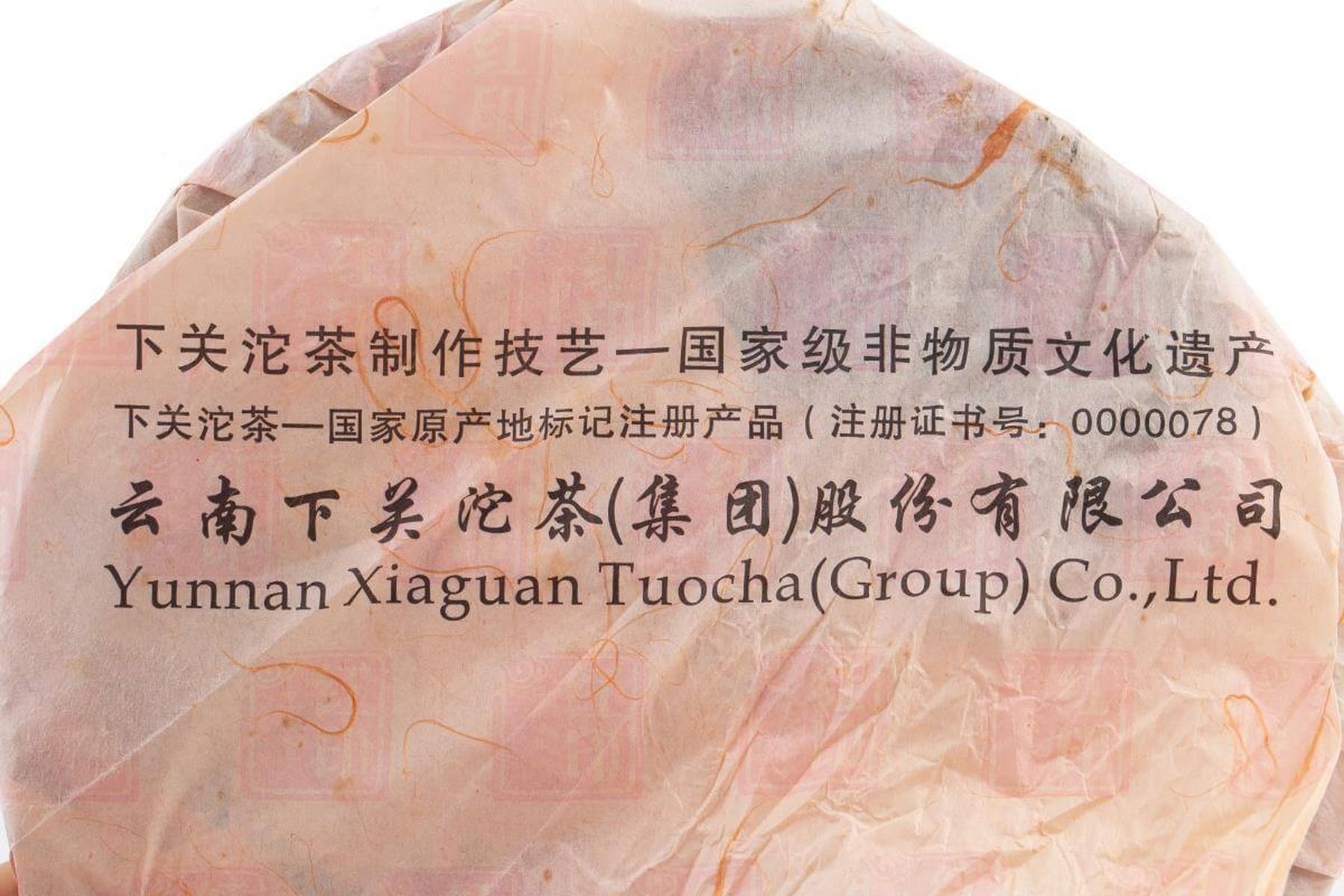
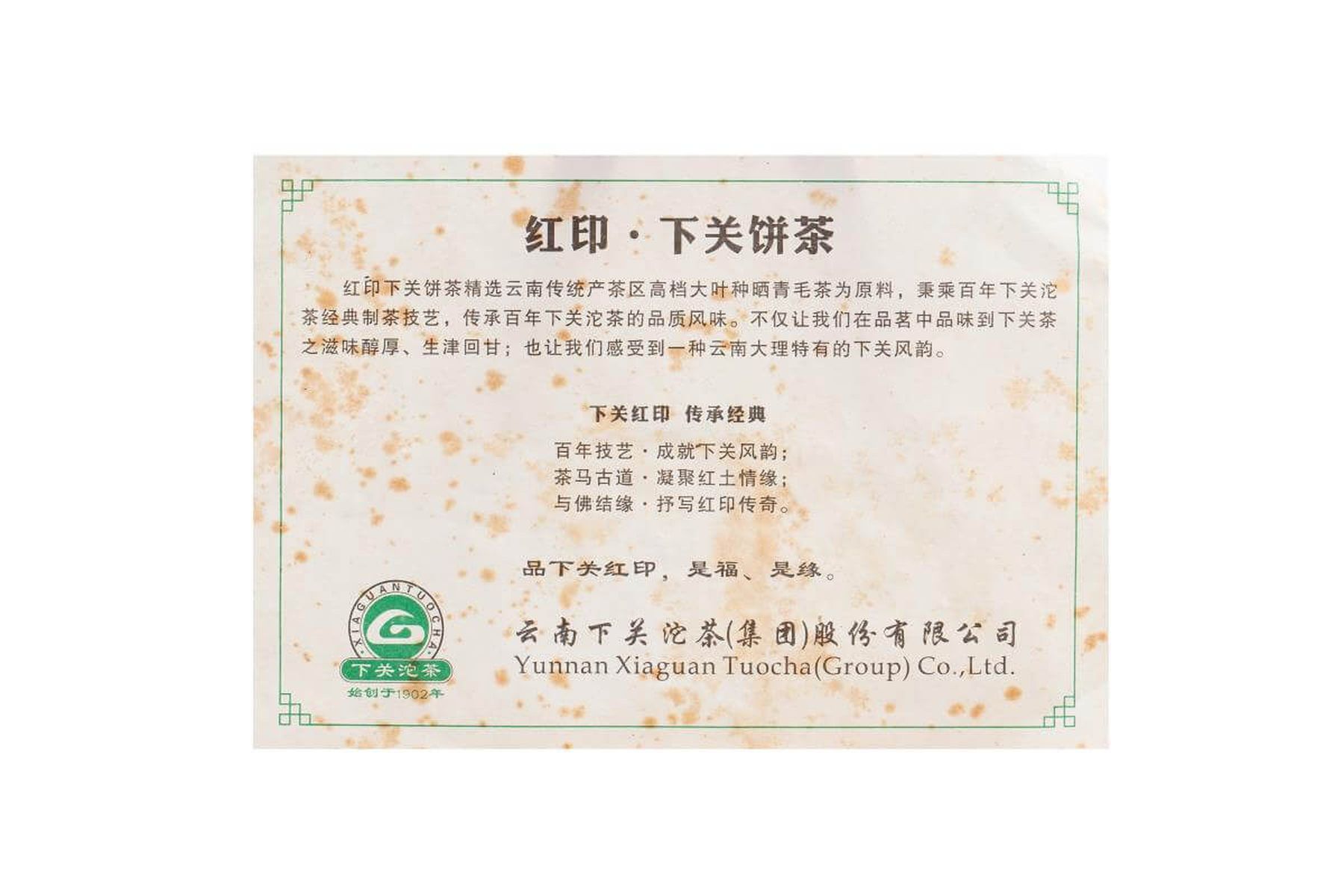
Manufacturer: Xiaguan Factory
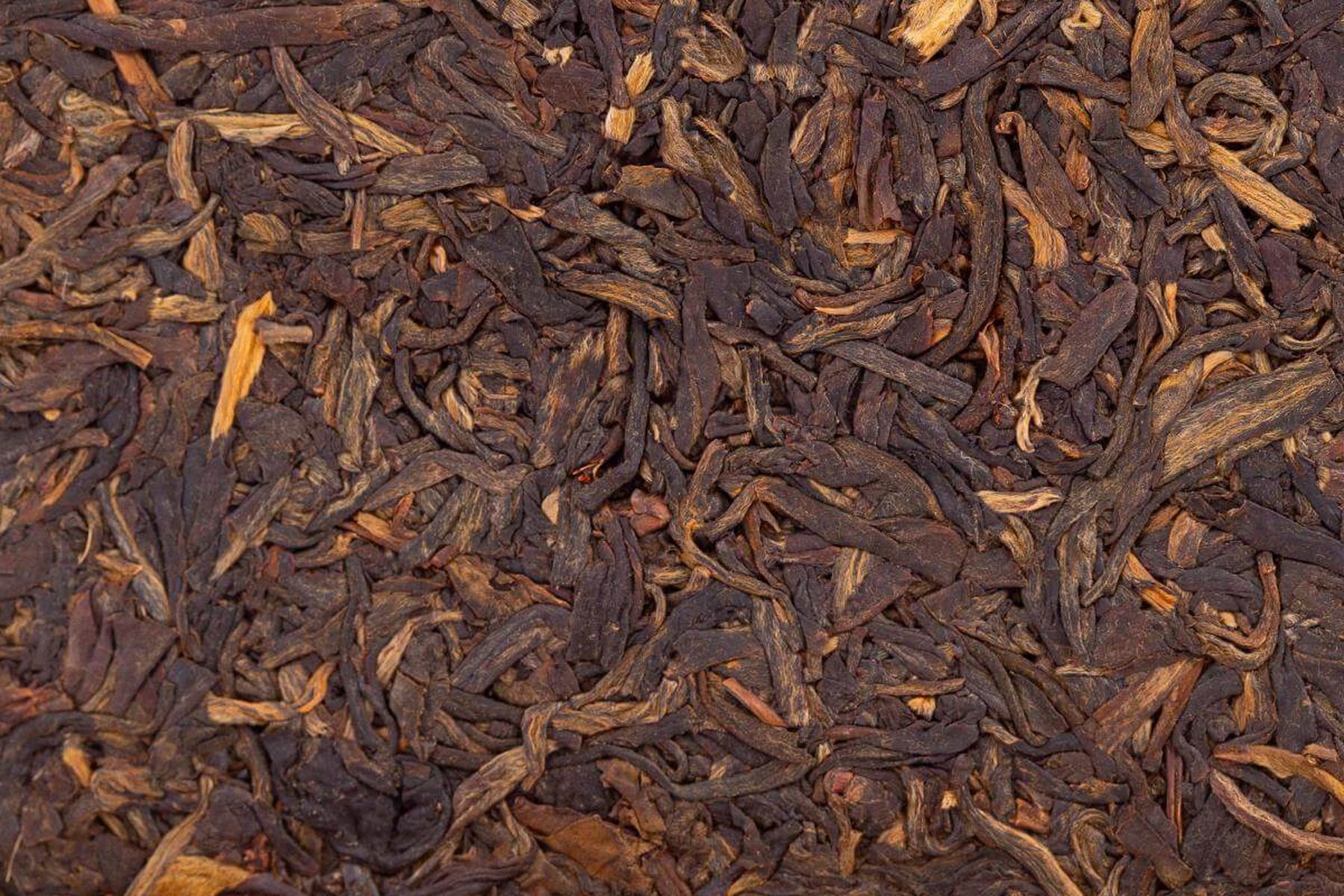
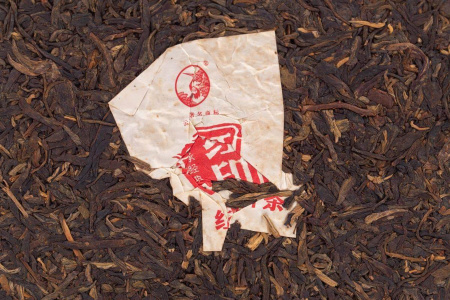
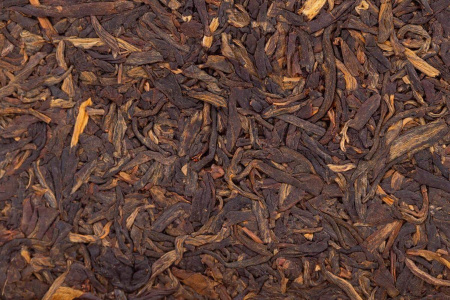
When warmed by the breath, we feel a subtle, restrained aroma, with slightly perceptible leathery tones.
After washing, a rich, penetrating aroma opens up with light spicy, smoky, herbaceous-fruity notes and nuances of dried fruits.
The brewed tea has a soft, slightly sweet flavor without bitterness or astringency, buttery, rich, moderately spicy, and harmonious. The flavors include wild honey, dried fruit, dried apricots, a hint of candy-like tartness, and ripe apple. Steeped, the tea retains its flavor profile well, gradually developing a slight tartness and herbal undertones.
The finish is long, full-bodied, fruity and floral, with leathery, herbal notes and a hint of dried apricot. Hints of medium-roasted Yerba Mate are also discernible.
This pu-erh can be brewed in a gaiwan, a Yixing clay teapot, or a tea flask. The recommended brewing ratio is 7 grams of tea per 100 ml, using quick steeps.
The 2013 Red Seal Sheng Pu'er from the Pine and Crane brand at Xiaguan, like many Xiaguan shengs, imparts a powerful tea experience with a strong Cha Qi. The tea instantly induces a feeling of warmth, with sweat appearing on the forehead and a rapid warming of the entire body.
It's incredibly relaxing, allowing you to rest, calm down, and recharge. It sobers you up, improves concentration, and makes your eyes sharp and your vision clear. It can also immerse you in a meditative state.
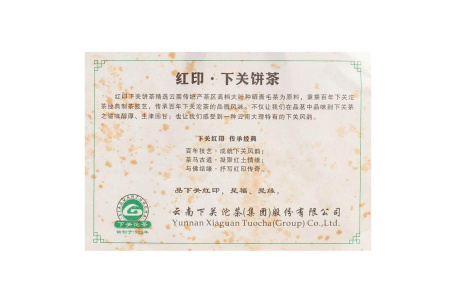
This is one of the finest sheng teas from a renowned factory, crafted from high-mountain raw materials harvested from mature trees. It's very soft, sweet, and buttery in flavor, yet leaves a very powerful tea-like texture.
|
Name in Chinese
|
红印 |
|
Pinyin
|
Hóng yìn |
|
English name
|
Red Seal |
|
Translation
|
Red Seal |
|
Country
|
Китай |
|
District
|
Dali-Bai Autonomous Okrug |
|
Provinces
|
Юньнань (云南) |
|
Region
|
Дали́-Ба́йский автоно́мный о́круг (大理白族自治州) |
|
Habitat
|
Дали (大理, dàlǐ) |
|
Manufacturer
|
Сягуань (云南下关沱茶集团) |
|
Date of raw material production
|
2013 |
|
Year of pressing
|
2013 |
|
Pressing form
|
Бин Ча (блин) |
|
Declared weight, g
|
357 |
|
A variety of tea tree (bush)
|
Da Ye Zhong |
|
Size
|
20x20x2 |
|
Length, cm
|
20 |
|
Width, cm
|
20 |
- Reviews
- Vkontakte
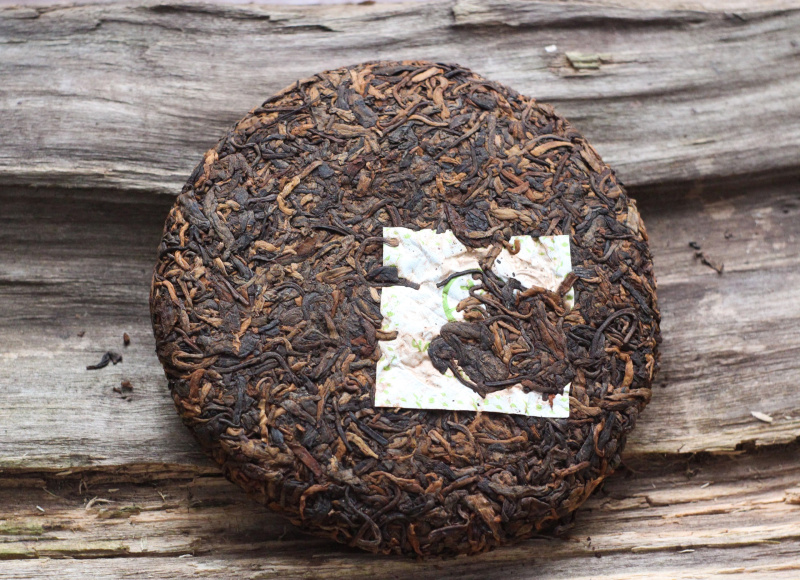
Pu-erh is one of the most unique types of tea, which only gets better with age. Many people, when they first encounter this tea, wondered: why is pu-erh more often found in pressed form (cakes, bricks, tochas), and not in loose form? The reasons for this are related to both history and the practical aspects of storing and fermenting tea. Despite modern technologies that allow the production of loose pu-erh, the shape of pressed cakes remains unchanged. And pu-erh is more often found on sale in pressed form, for example, in the form of cakes or bricks, and loose pu-erh is less common. We will talk about the reasons for pressing pu-erh into cakes in this article.
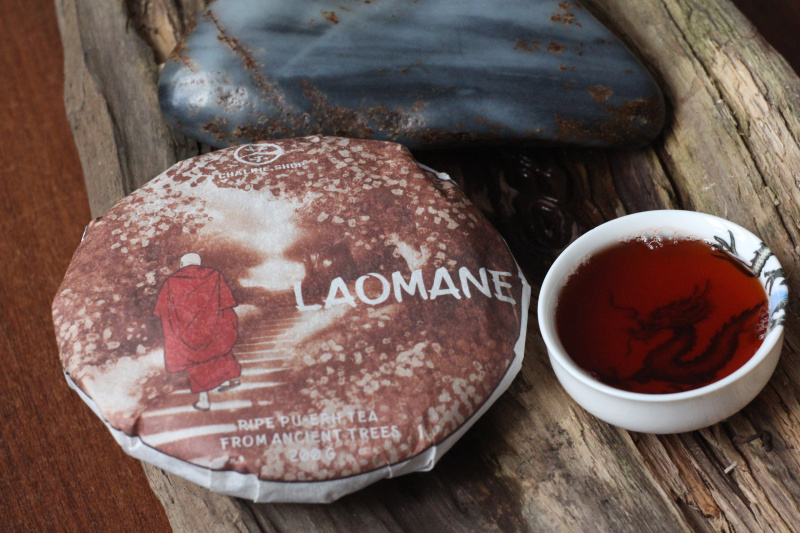
Puer is a unique Chinese tea that is distinguished by its depth of taste, complexity of aromas and versatility of aftertaste. Its taste characteristics are formed under the influence of many factors, from growing conditions to the brewing method. Let's look at the main ones.
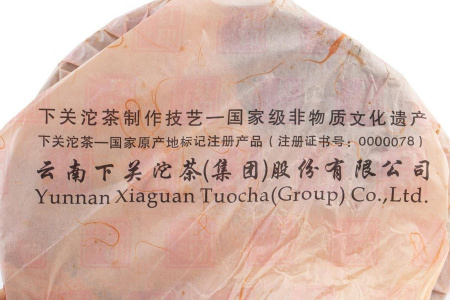
Xiaguan Tea Factory has a history of over 70 years. It was founded in 1941 and is located in Dali, Yunnan Province, which is often called the Eastern Switzerland. Beautiful nature and favorable weather, mountains and crystal clear lakes make it possible to produce excellent quality puer. Xiaguan Tea Factory is one of the main producers of pressed tea in China. It produces over 6,000 tons of puer tea annually. Xiaguan Factory produces both Shu puer and Sheng puer. However, the most popular and recognized are Sheng puer tocha (in the form of a nest, bowl) and bingcha (in the form of a pancake).
Need a consultation?
Our specialists will answer any question of interest


