





-
10 Saturation
-
9 Aftertaste
-
10 Aroma
-
9 Effect
-
7 Balance
-
7 Body
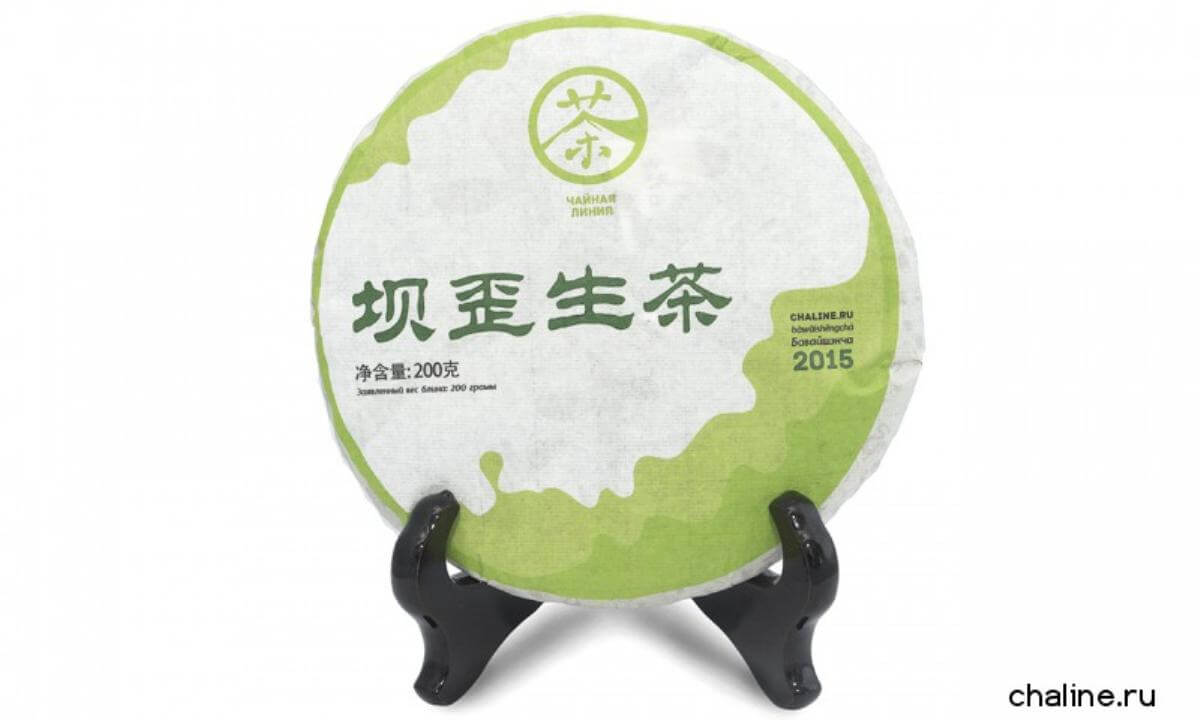
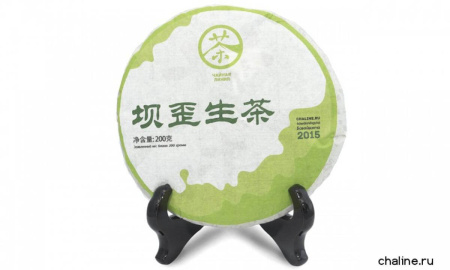
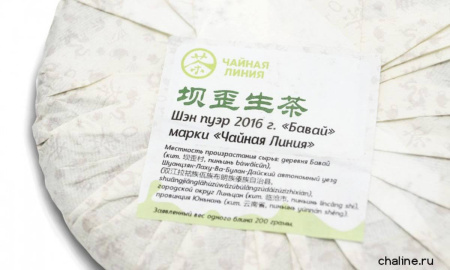
Title: "Bawai Shencha"
Translation: "Shen of Bawai Village"
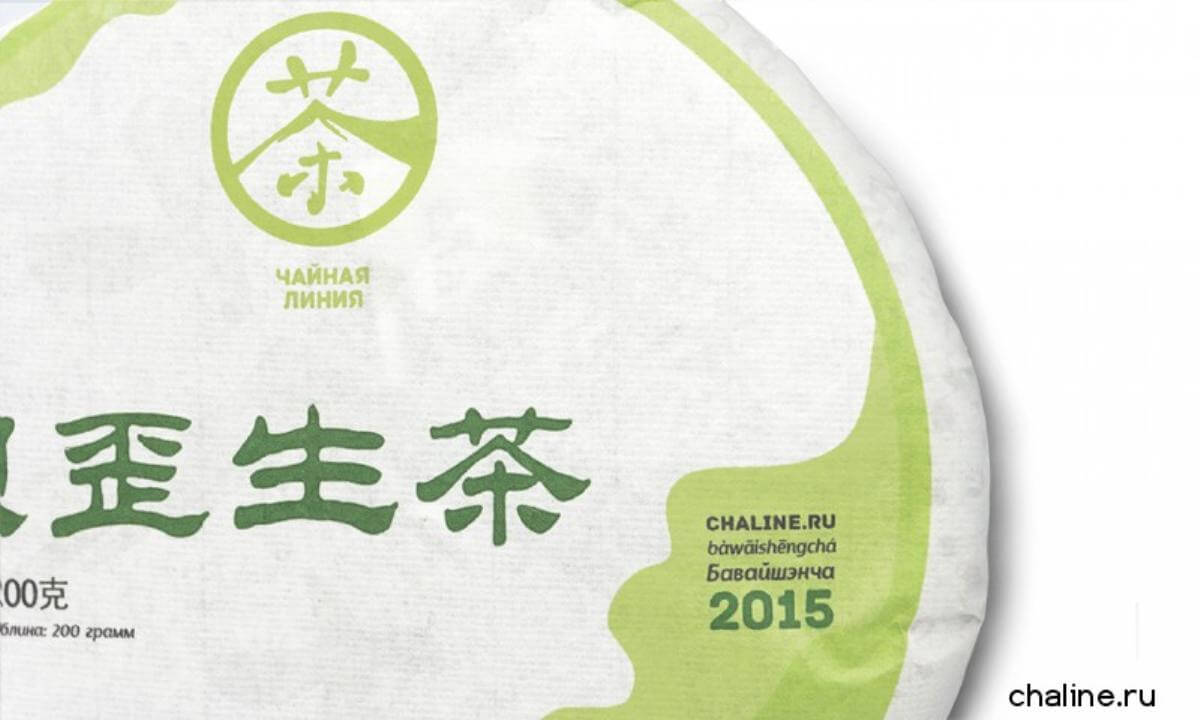
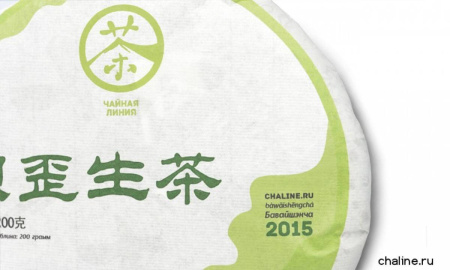
Whale. 坝歪生茶 pinyin bàwāi shēngchá
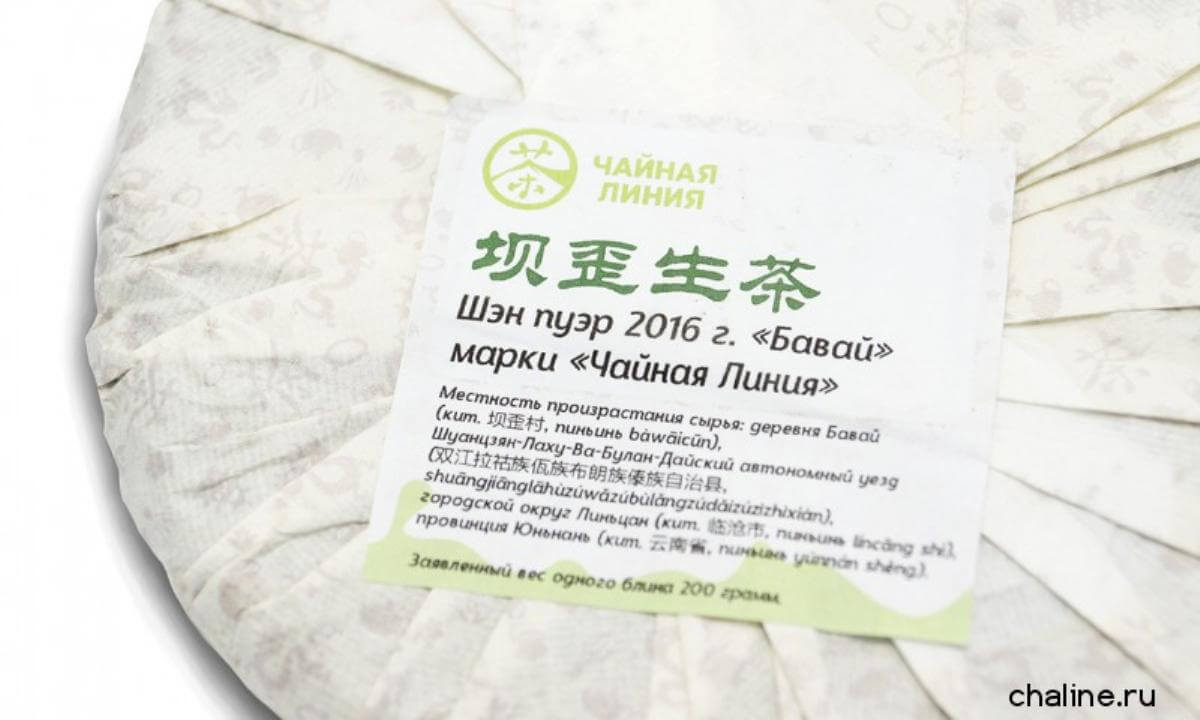
Date of manufacture: spring 2016 .
Declared weight: 200 grams .
Production: "Tea Line" .
Origin: Bawai Village (Chinese: 坝歪村, pinyin bàwāicūn), Shuangjiang Lahu Wa Bulan Dai Autonomous County (双江拉祜族佤族布朗族傣族自治县, shuāngjiāng lāhùzúwǎzú bùlǎng zúdǎizú zìzhìxiàn), Lincang City District (临沧市, líncāng shì), Yunnan Province (云南省, yúnnán shěng), China.
The village of Bawai is located 8 km from the village of Bindao. The population is made up of Han Chinese and Lahu people, numbering just over a couple hundred people from 58 families. The entire village is engaged in agriculture, including tea cultivation. Due to the increased demand for pu-erh tea in the 2000s, the standard of living here improved. In 2006, running water, electricity, and a telephone line were installed. Due to the remoteness and, until recently, the lack of infrastructure, farmers have retained natural farming methods.
Appearance, aroma and taste
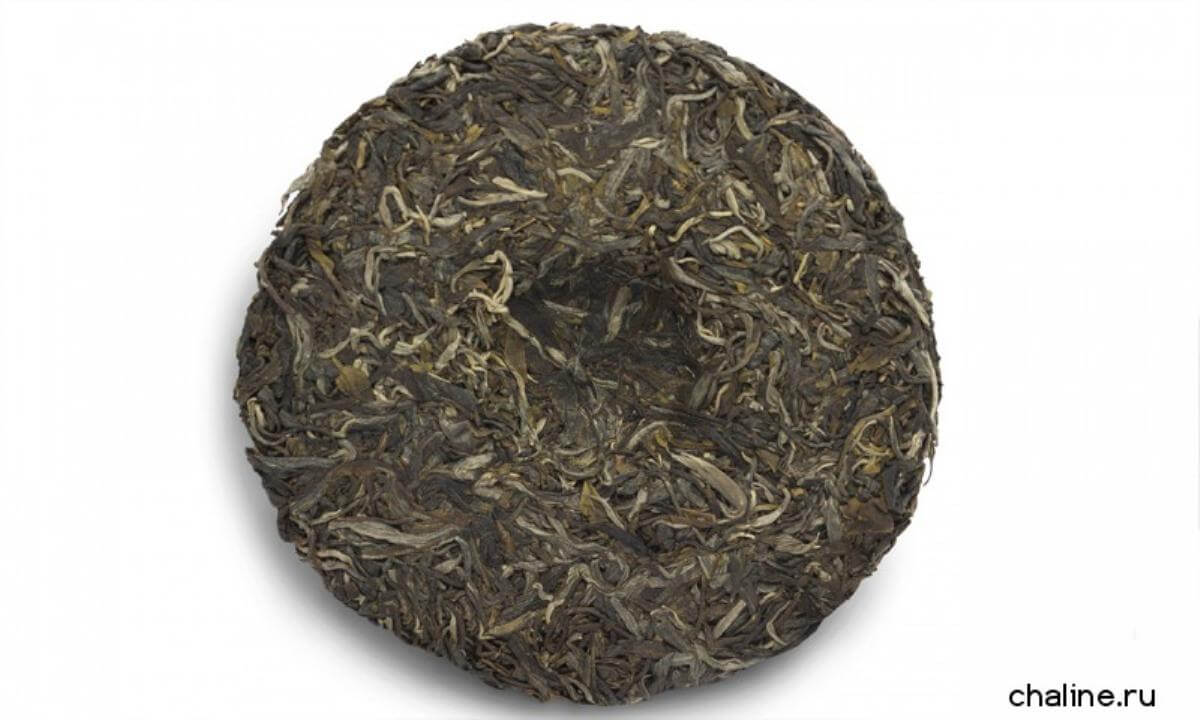
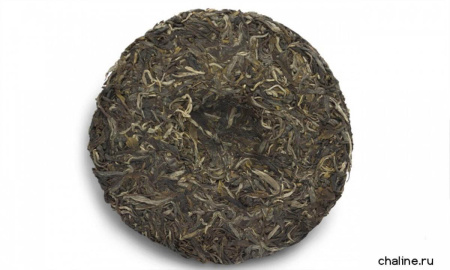
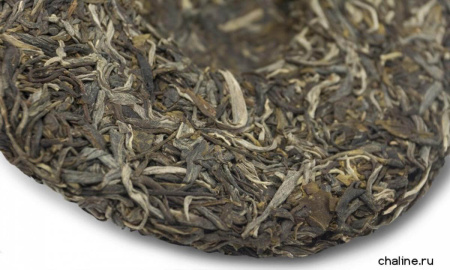
The raw material consists of medium-sized leaves and buds covered in hairs. The dried cake has a pleasant, subtle aroma with floral notes. The infusion is clear and pale yellow in color. The mouthfeel is dense, with a balanced flavor that leans toward tannins and a noble bitterness that transitions into a sweet aftertaste.
The 2016 Sheng Pu'er from Bawai by Tea Line is a limited edition and will never be produced again, which increases its collector's appeal.
First published on May 20, 2017.
Copyright © Chaline.Ru
|
Country
|
Китай |
|
District
|
Lincang |
|
Provinces
|
Юньнань (云南) |
|
Prefecture
|
Shuangjiang Lahu Wa Bulan Dai Autonomous County zìzhìxiàn) |
|
Habitat
|
Бавай (坝歪, bàwāi) |
|
Manufacturer
|
ООО "Чайная Линия" |
|
Pressing form
|
Бин Ча (блин) |
|
Fermentation method
|
Natural |
|
Type of tea raw material
|
Old trees (300-500 years) |
|
The tea is suitable.
|
for meditation (relaxing), for the tea ceremony (ceremonial), for weight loss, to alter consciousness (intoxicating tea), to improve performance |
- Reviews
- Vkontakte
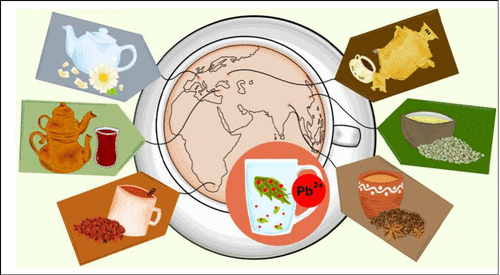
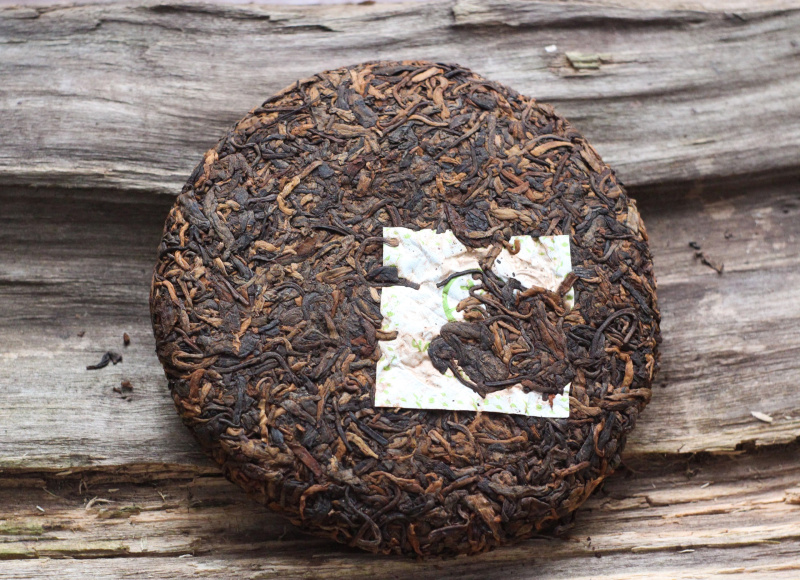
Pu-erh is one of the most unique types of tea, which only gets better with age. Many people, when they first encounter this tea, wondered: why is pu-erh more often found in pressed form (cakes, bricks, tochas), and not in loose form? The reasons for this are related to both history and the practical aspects of storing and fermenting tea. Despite modern technologies that allow the production of loose pu-erh, the shape of pressed cakes remains unchanged. And pu-erh is more often found on sale in pressed form, for example, in the form of cakes or bricks, and loose pu-erh is less common. We will talk about the reasons for pressing pu-erh into cakes in this article.
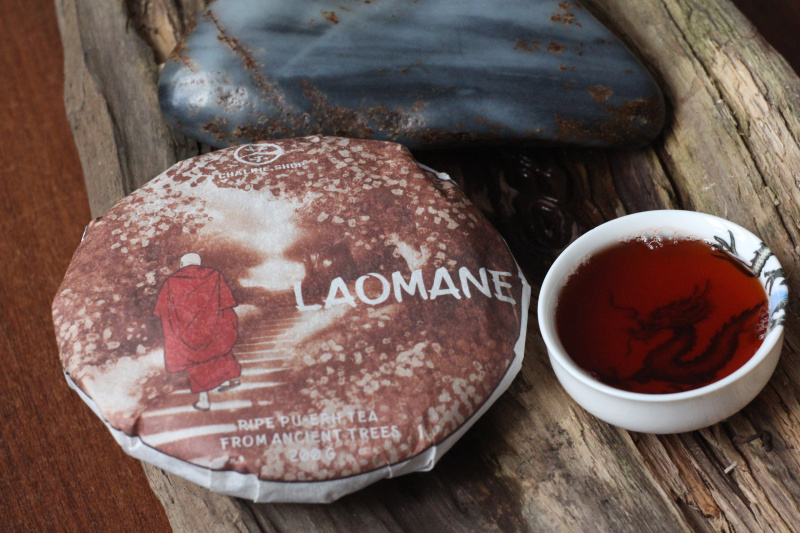
Puer is a unique Chinese tea that is distinguished by its depth of taste, complexity of aromas and versatility of aftertaste. Its taste characteristics are formed under the influence of many factors, from growing conditions to the brewing method. Let's look at the main ones.
Need a consultation?
Our specialists will answer any question of interest


