








-
10 Saturation
-
9 Aftertaste
-
6 Aroma
-
8 Effect
-
6 Balance
-
6 Body
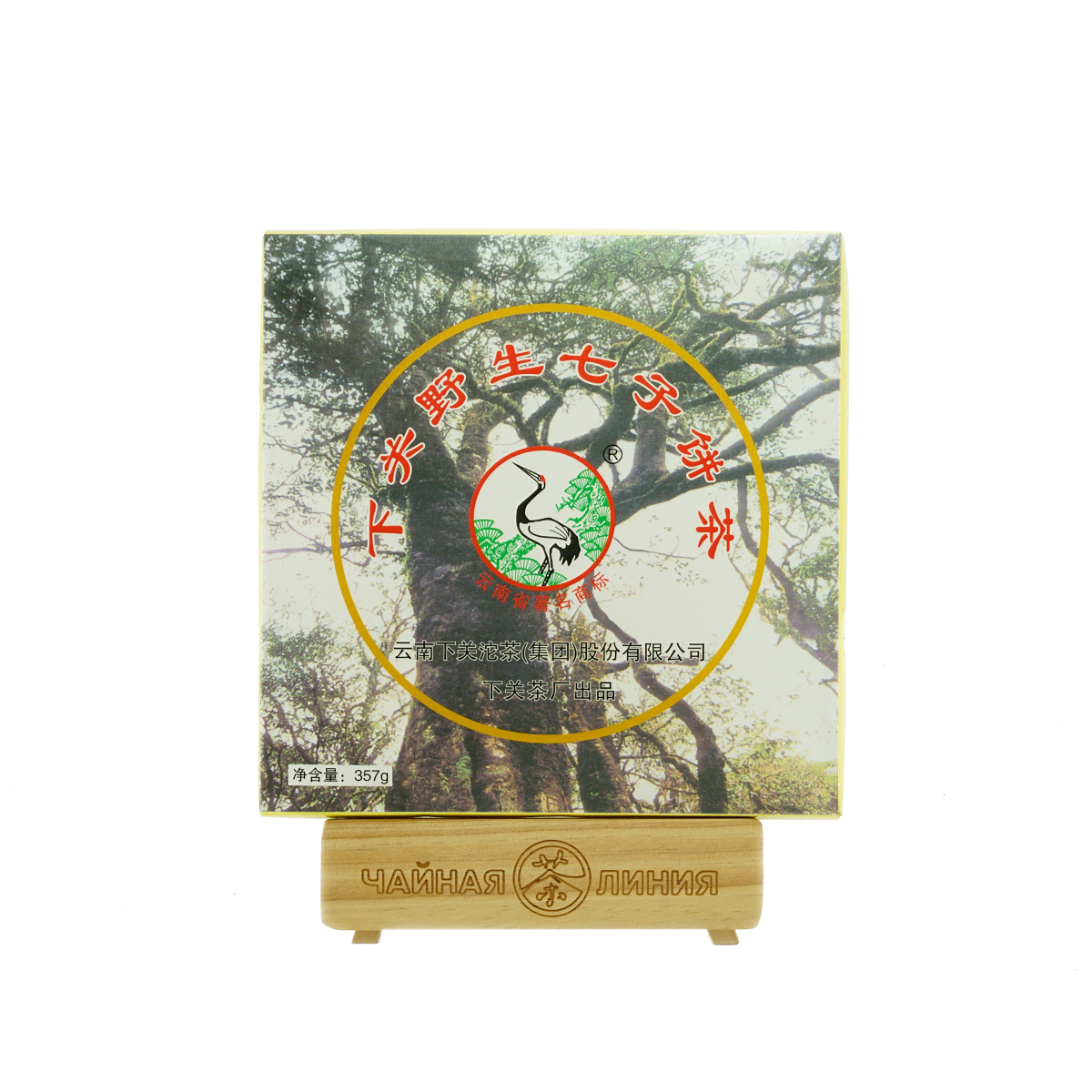
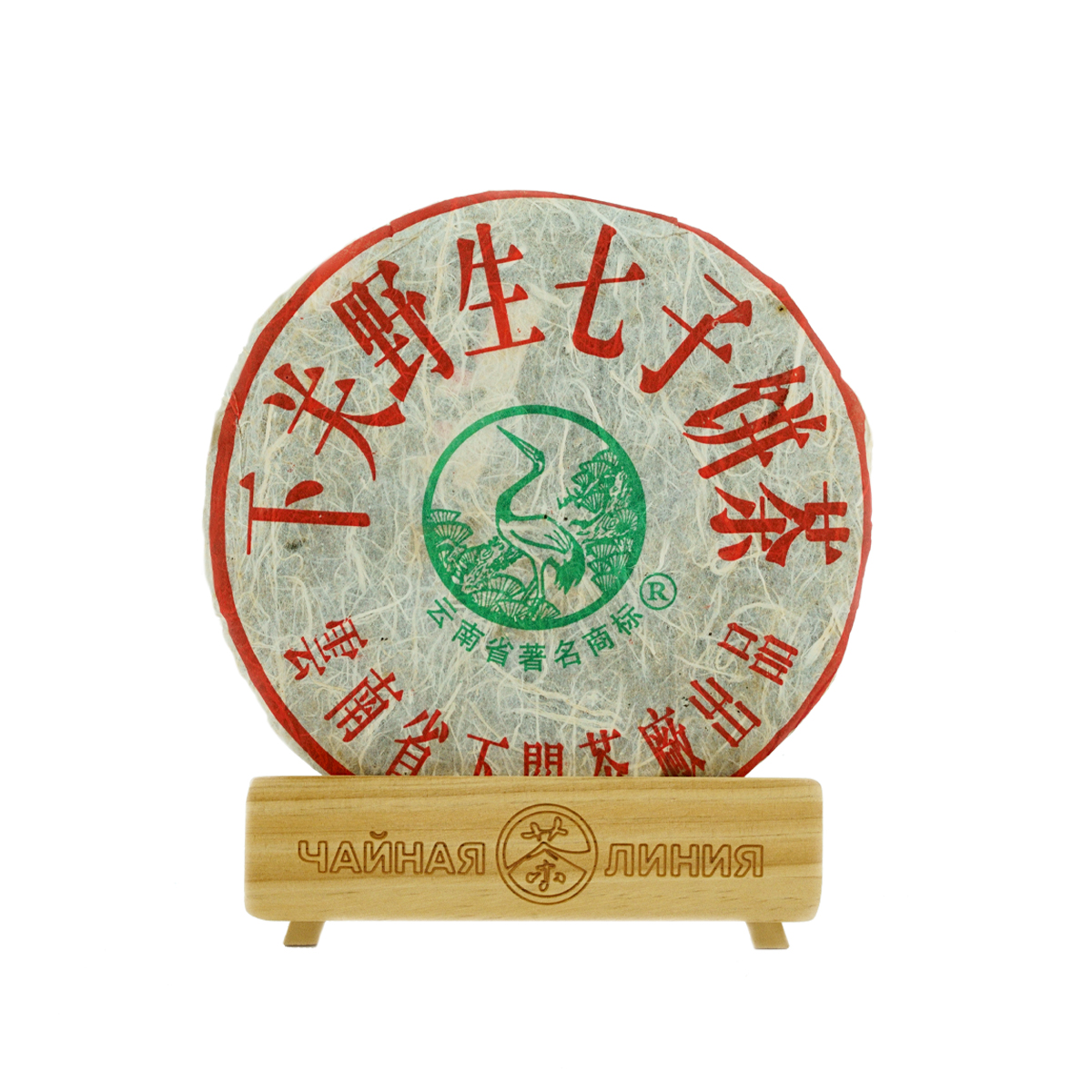
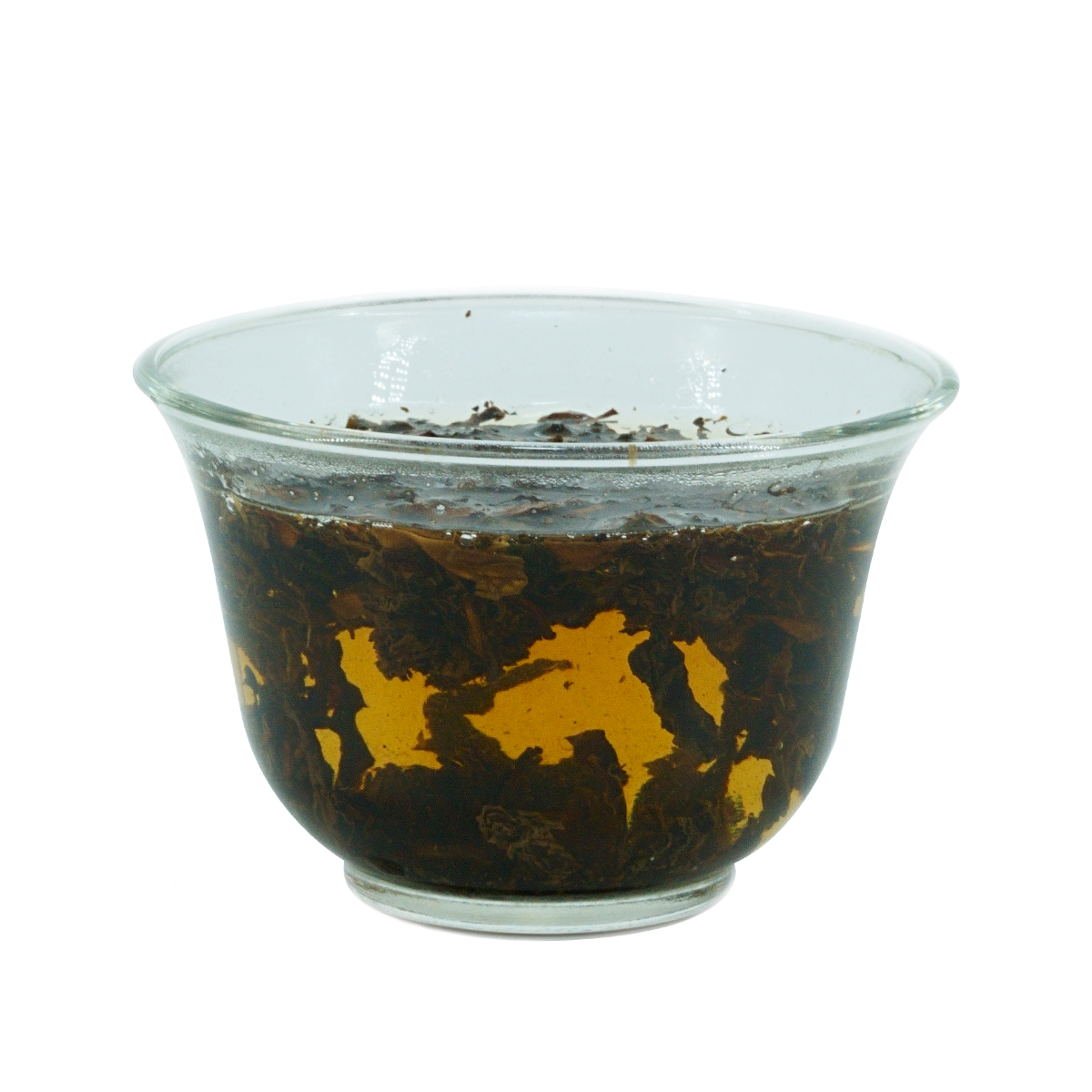
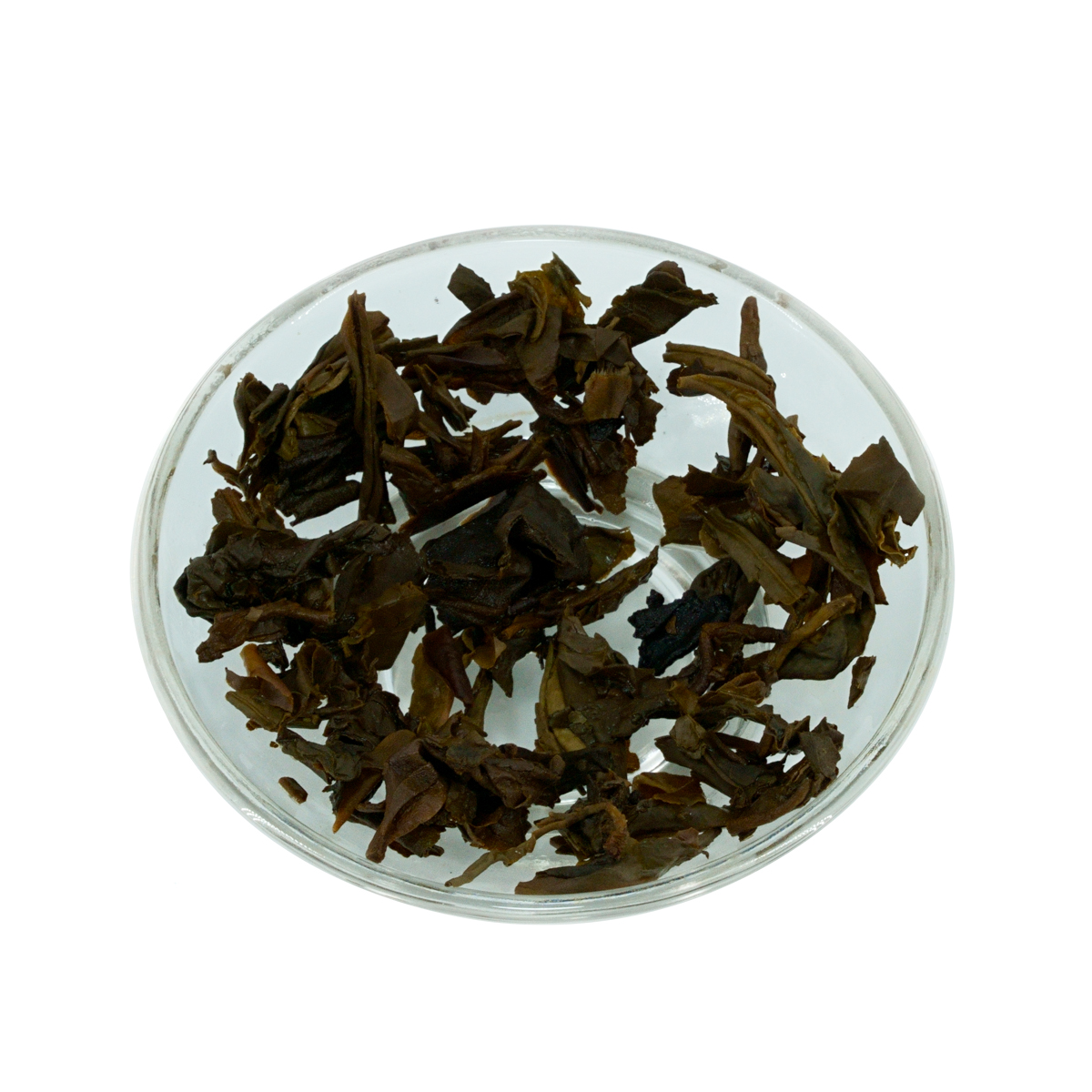
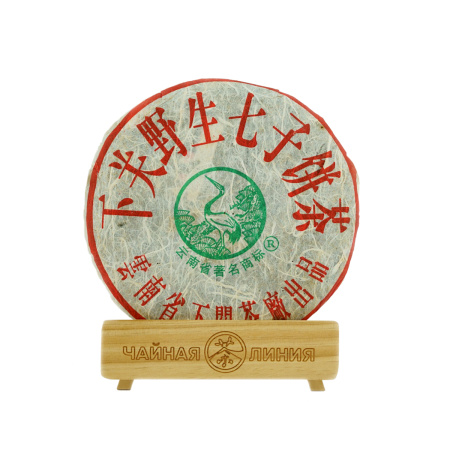
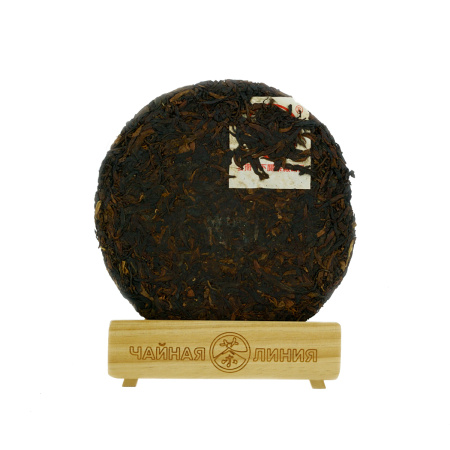
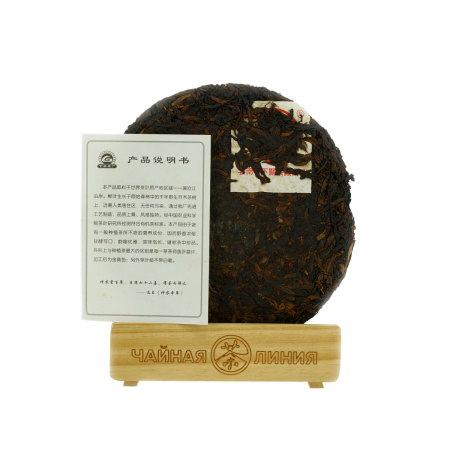
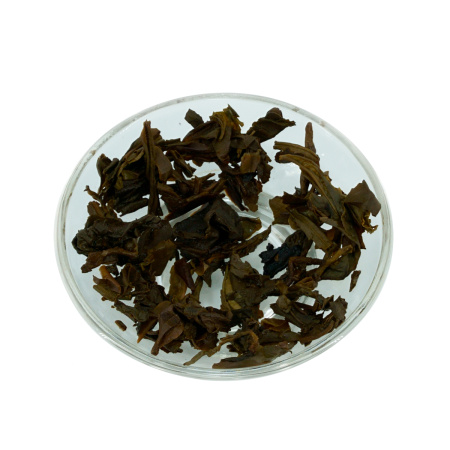
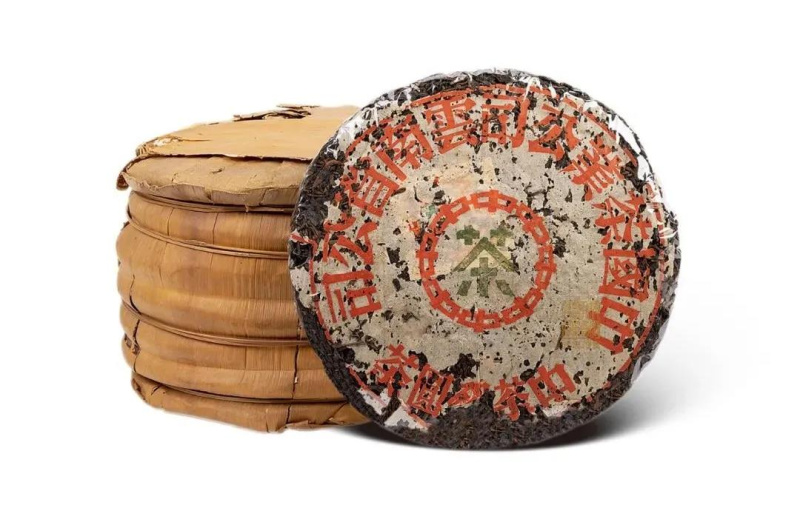
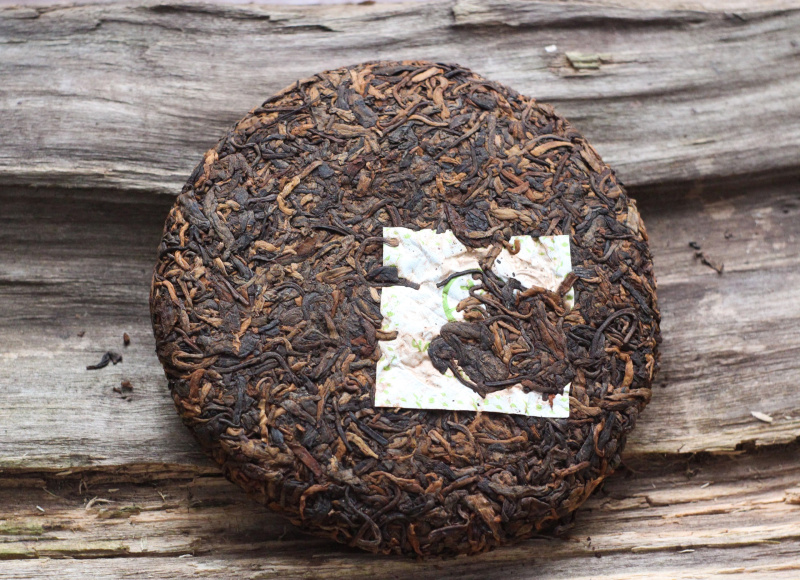
A well-aged cake from one of the best tea factories, made from wild, ancient trees, with some whole buds. The color has already transformed into brownish hues, similar to shu pu-erh tea. A stone press was used—medium pressing—the cake is loose around the edges, and can be separated leaf by leaf.
When warmed up by the breath, one can feel a bright fruity-compote aroma with melodic honey tones, notes of baked apple and wild apricot.
After rinsing, the aroma is transformed: powerful, sweetish, slightly smoky, with hints of the beloved Soviet soda "Cream Soda", ripe berries, and hints of apple juice.
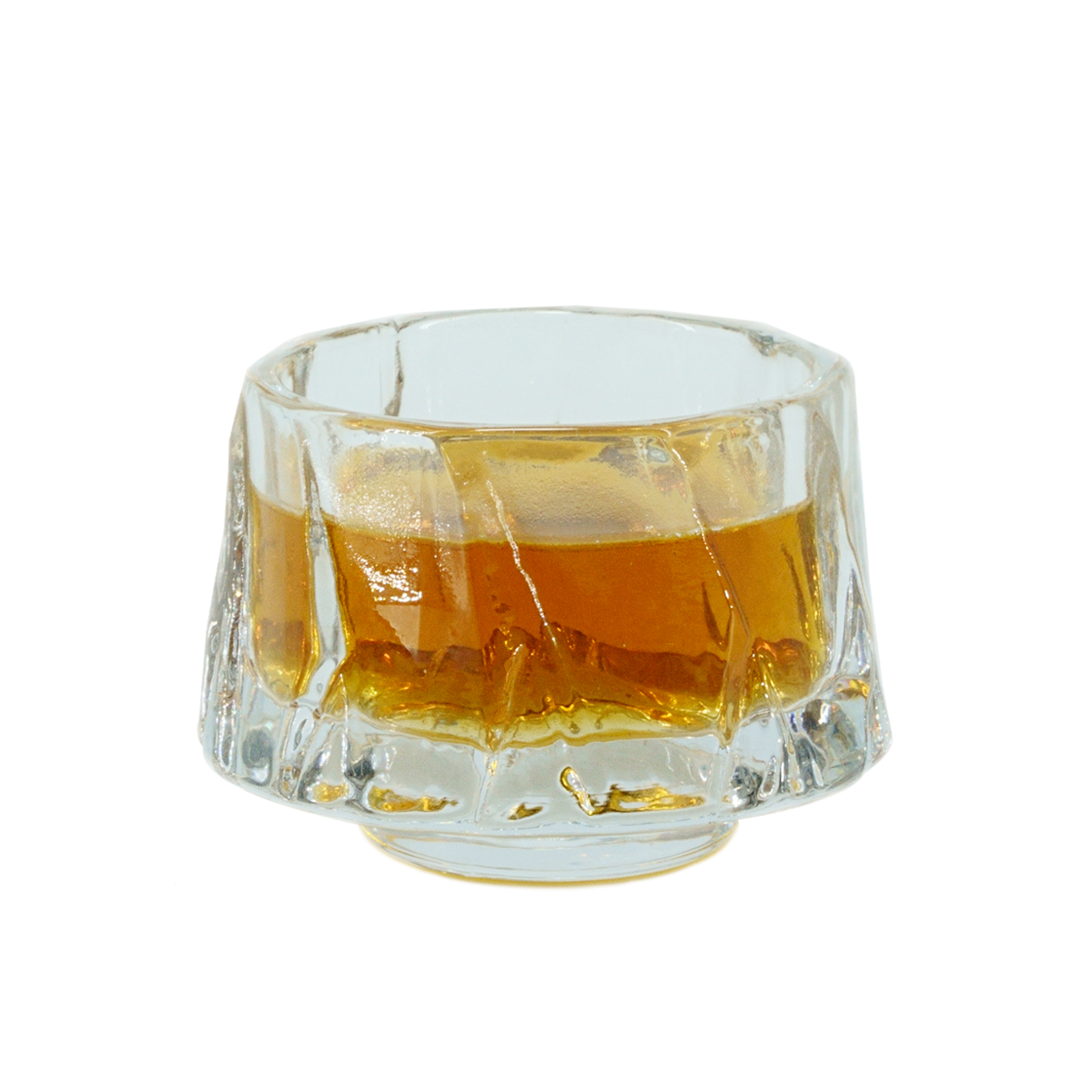
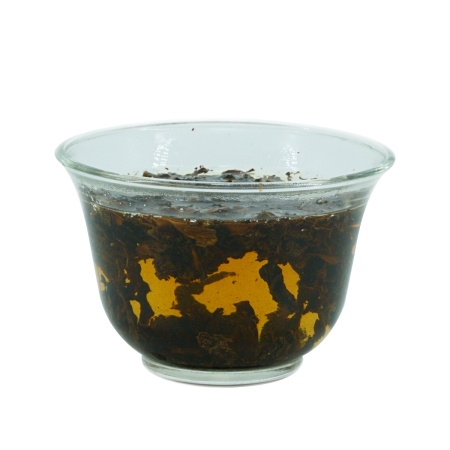
The flavor of the brewed tea is soft, oily, and aristocratic. As the Chinese say, "Chun" (醇), which means pure, active, and complete, reminiscent of wine, the taste of alcohol (fine wine is also appreciated in China). The taste is rich in baked apples, homemade pastilles, apricots at the peak of ripeness, and caramel fudge. If left to steep a bit too long, only a pleasant bitterness from the apricot kernel emerges, quickly turning to sweetness; there's no bitterness.
As the infusions increase, this sheng becomes softer, adding sweet confectionery notes with hints of apple marshmallow, homemade candy, and plum compote. By the end of the tea, a pleasant, candy-like tartness with a slight chill and tartness is felt.
The infusion literally melts on the lips, leaving a vibrant aftertaste with caramel, fruit, berry, and honey notes, dominated by baked apple. This flavor ensemble lingers in your mouth for a long time.
Withstands a record number of infusions of 15 or more, based on 10 grams of dry tea leaves per 120 ml.
This tea has a powerful, intoxicating effect. It promotes a meditative state, relaxation, deep introspection, clear thoughts, and a pleasant, light headiness, as if drinking a glass of fine, aged wine. It gently invigorates and energizes, completely recharges and balances, and one can feel the flow of Cha Qi in the body.
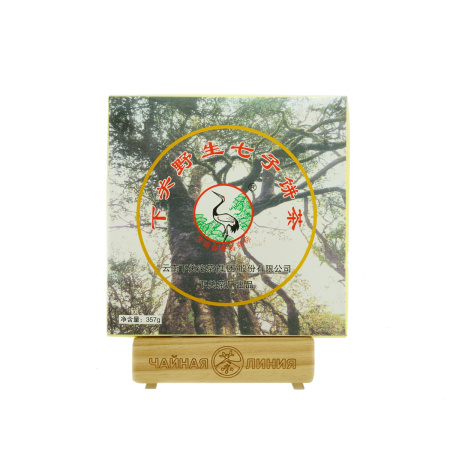
The 2005 Sheng Pu'er "Wild Tree Tea" from the "Pine and Crane" brand at the Xiaguan tea factory is a benchmark example of ideal aged tea, featuring premium wild tree tea, amazing flavor, and an absolute pleasure to drink. This festive pu'er is perfect for thoughtful ceremonial tea drinking and has collector's value.
|
Name in Chinese
|
下關 2005年 野生七子餅茶 |
|
Pinyin
|
Xià guān 2005 nián yěshēng qīzi bǐng chá |
|
English name
|
Qizi bincha from wild-growing trees |
|
Translation
|
Tsitsi bincha from wild trees |
|
Country
|
Китай |
|
Provinces
|
Юньнань (云南) |
|
Region
|
Дали́-Ба́йский автоно́мный о́круг (大理白族自治州) |
|
Manufacturer
|
Сягуань (云南下关沱茶集团) |
|
Date of raw material production
|
2005 |
|
Year of pressing
|
2005 |
|
Pressing form
|
Бин Ча (блин) |
|
A variety of tea tree (bush)
|
Gu Shu |
|
Fermentation method
|
In heaps |
|
Size
|
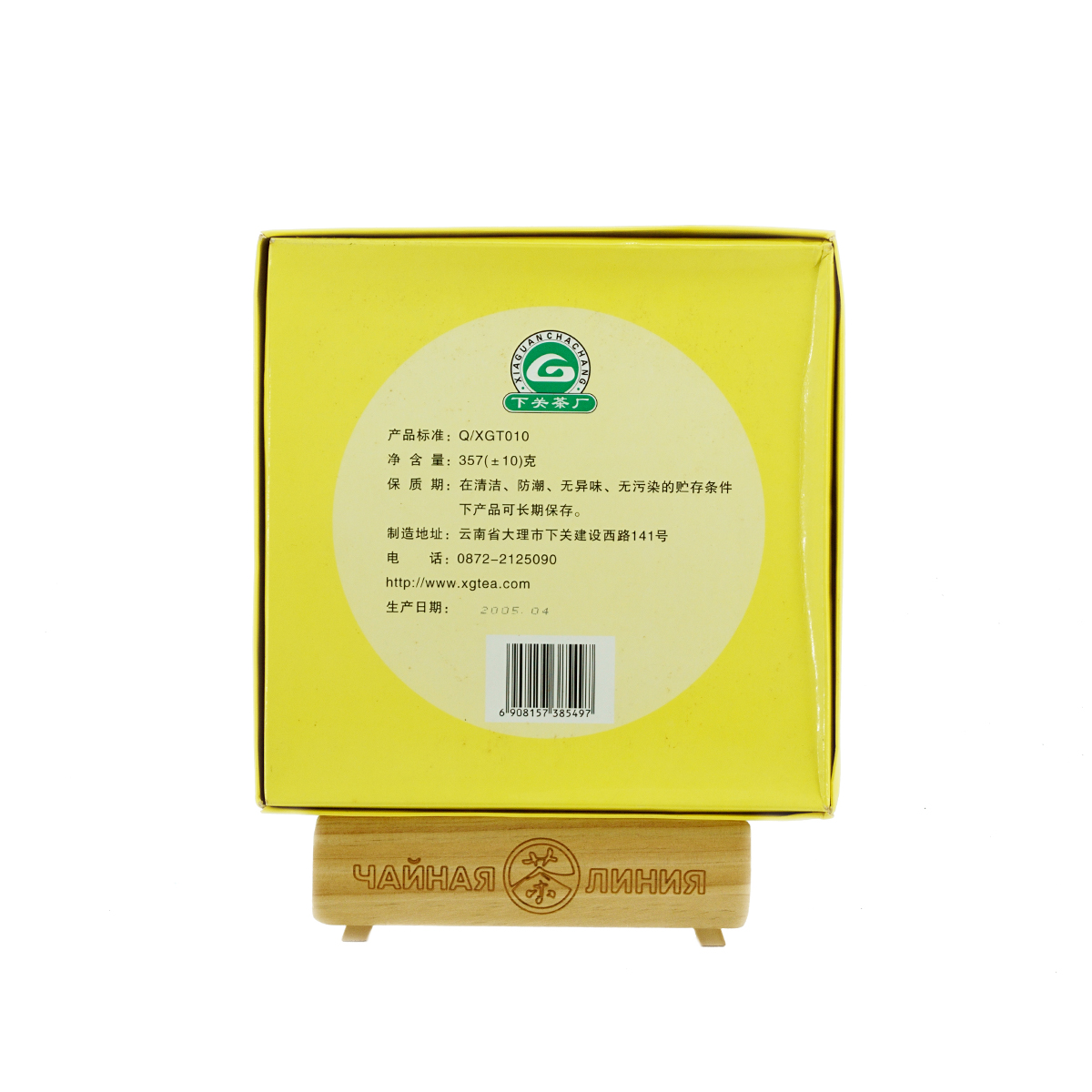
20x20x2 |
|
Length, cm
|
20 |
|
Width, cm
|
20 |
- Reviews
- Vkontakte
Pu-erh is one of the most unique types of tea, which only gets better with age. Many people, when they first encounter this tea, wondered: why is pu-erh more often found in pressed form (cakes, bricks, tochas), and not in loose form? The reasons for this are related to both history and the practical aspects of storing and fermenting tea. Despite modern technologies that allow the production of loose pu-erh, the shape of pressed cakes remains unchanged. And pu-erh is more often found on sale in pressed form, for example, in the form of cakes or bricks, and loose pu-erh is less common. We will talk about the reasons for pressing pu-erh into cakes in this article.
Puer is a unique Chinese tea that is distinguished by its depth of taste, complexity of aromas and versatility of aftertaste. Its taste characteristics are formed under the influence of many factors, from growing conditions to the brewing method. Let's look at the main ones.
Need a consultation?
Our specialists will answer any question of interest


