


-
0 Saturation
-
0 Aftertaste
-
0 Aroma
-
0 Effect
-
0 Balance
-
0 Body
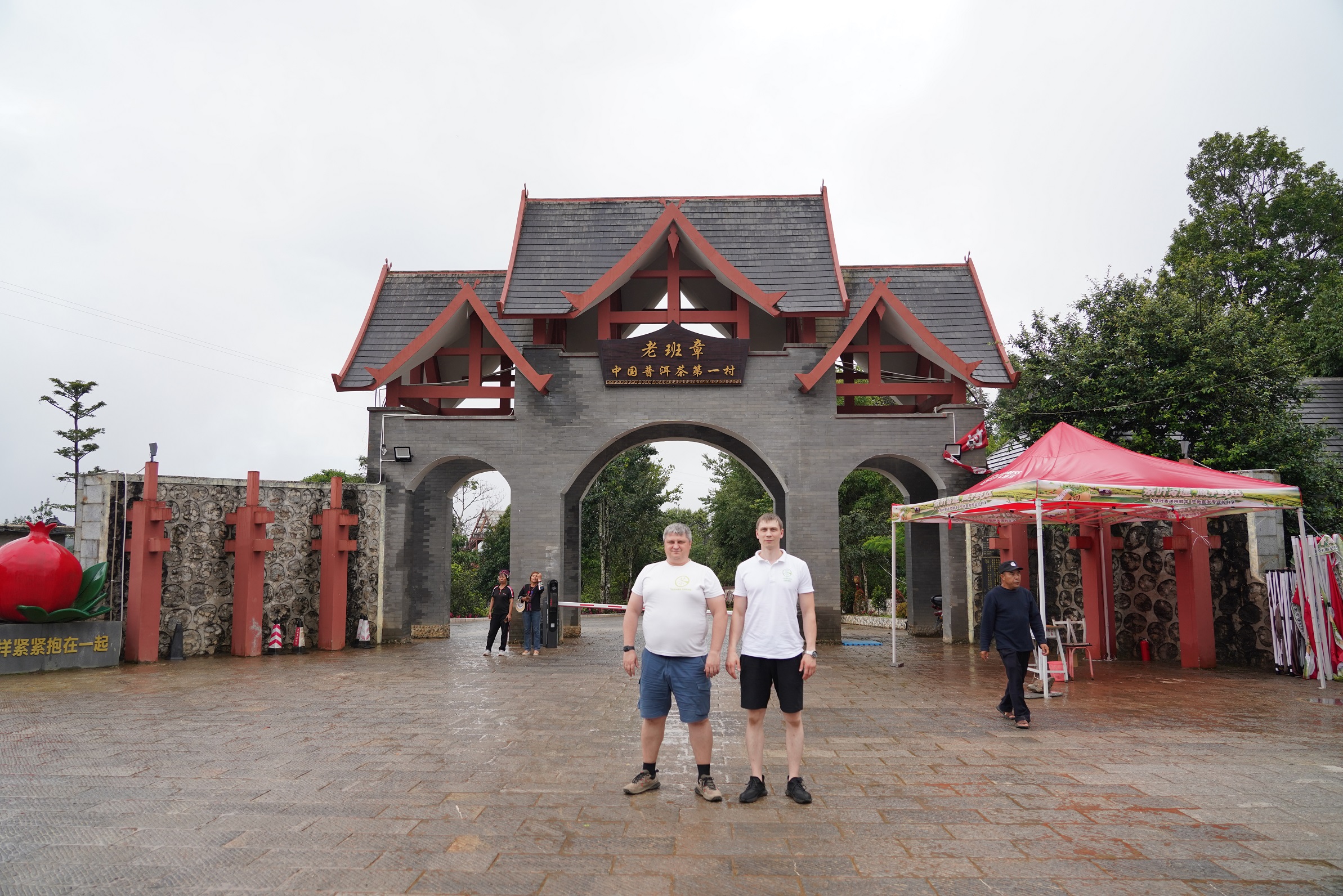
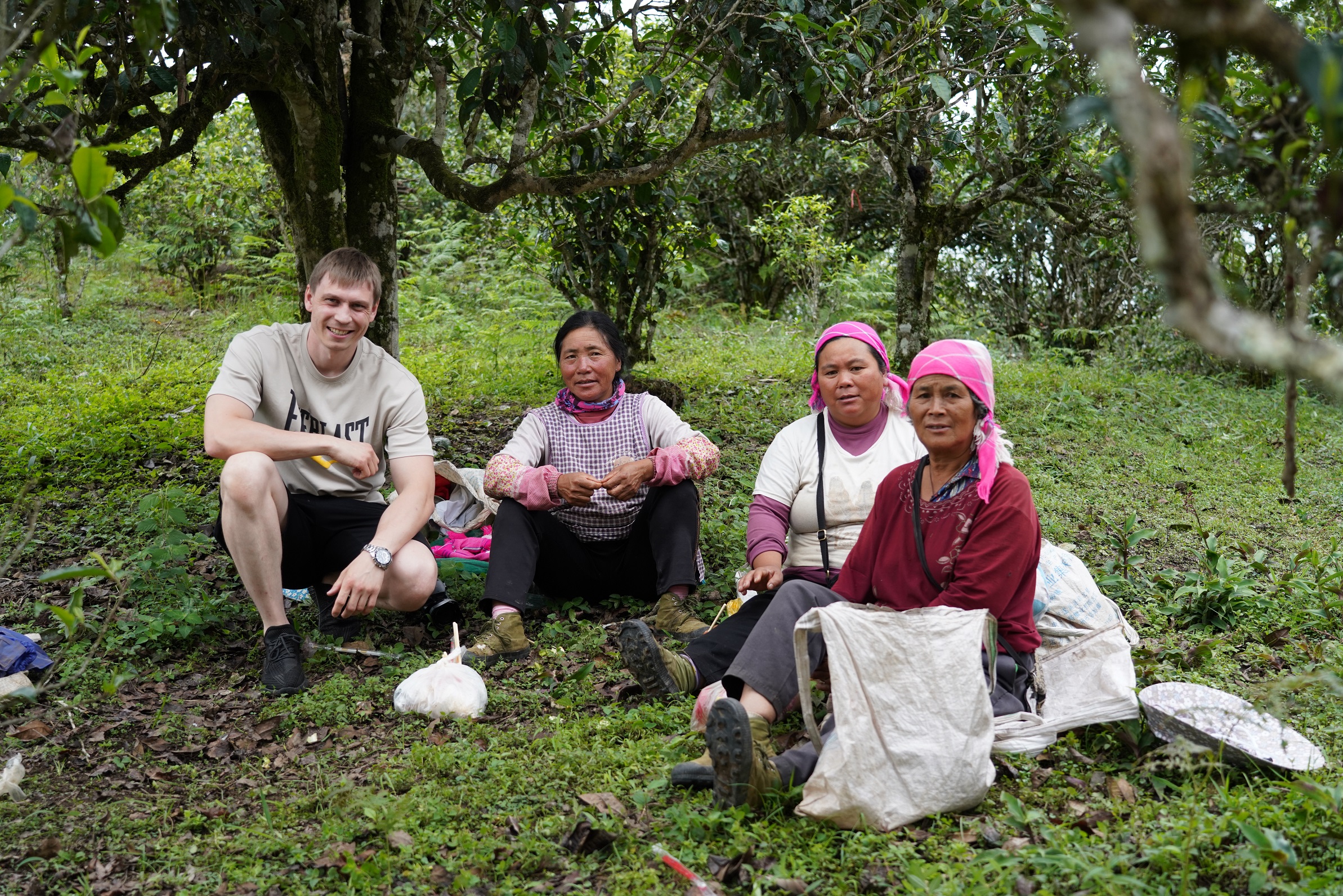
We managed to personally purchase a small amount of raw material from local farmers and transport it out of Lao Banzhang village ourselves, thereby completely eliminating any potential for substitution. For example, pu-erh tea from neighboring villages is often passed off as genuine Lao Banzhang, yet the price of such maocha is ten times lower, and it's virtually impossible to distinguish the true taste of Lao Banzhang without years of experience.
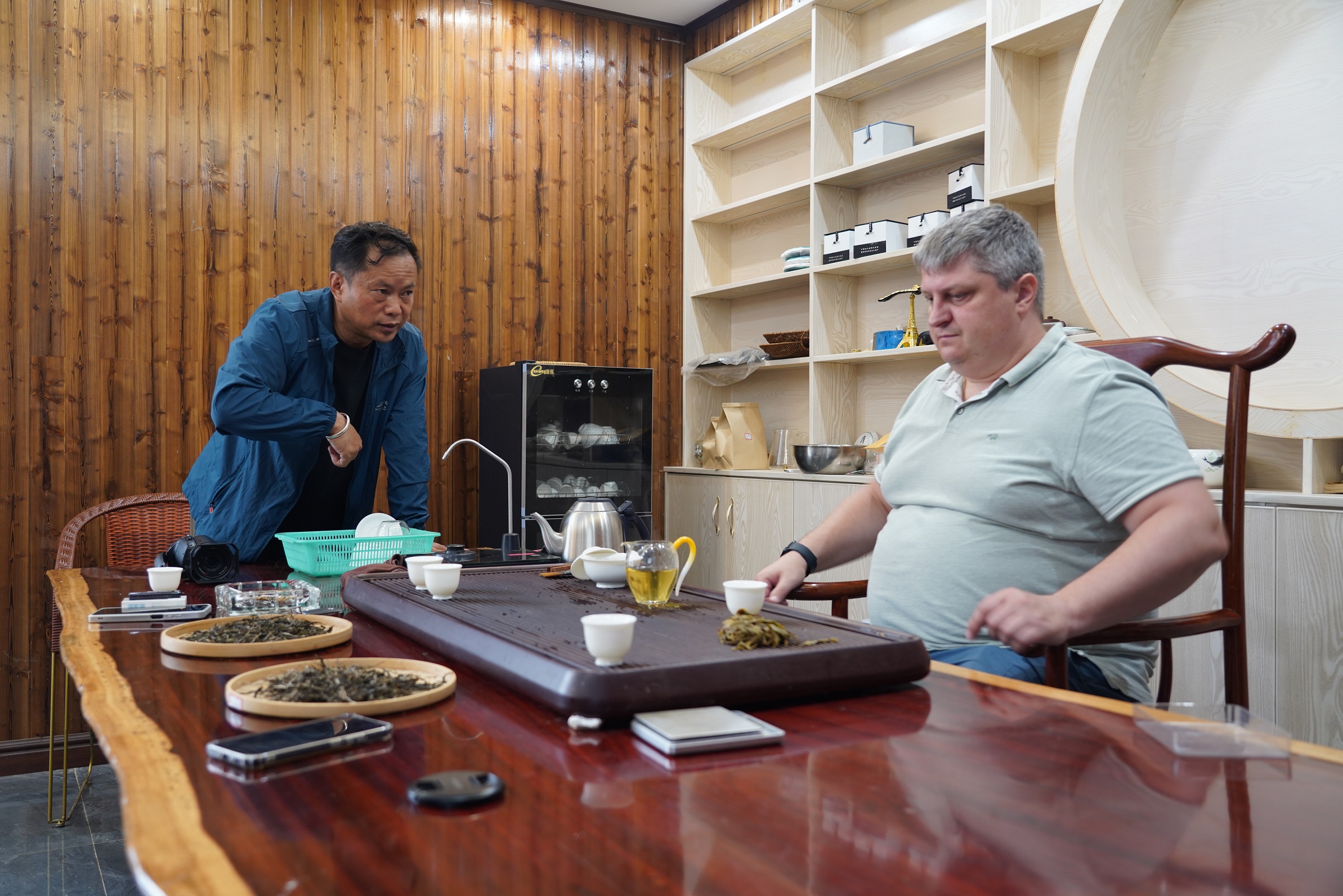
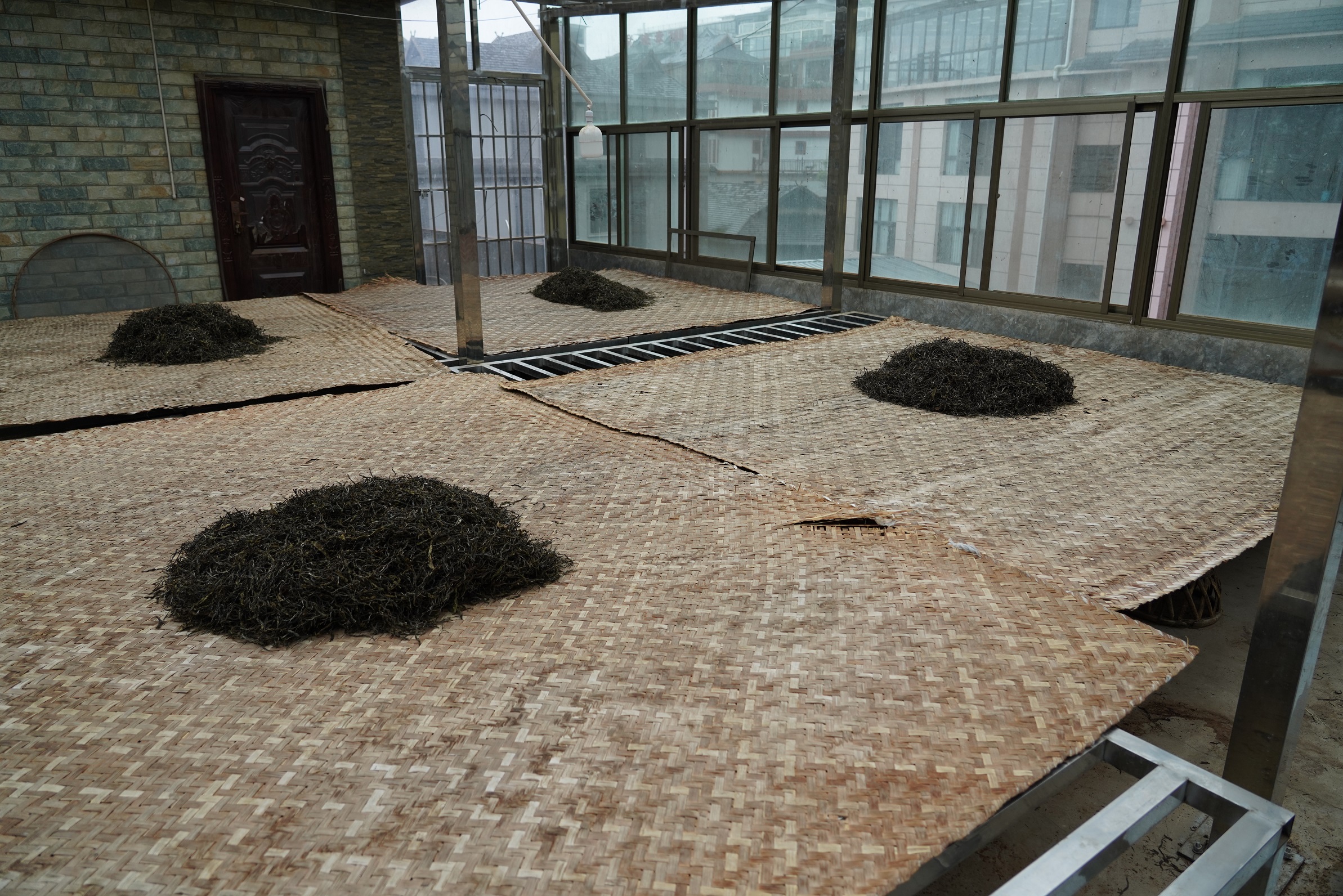
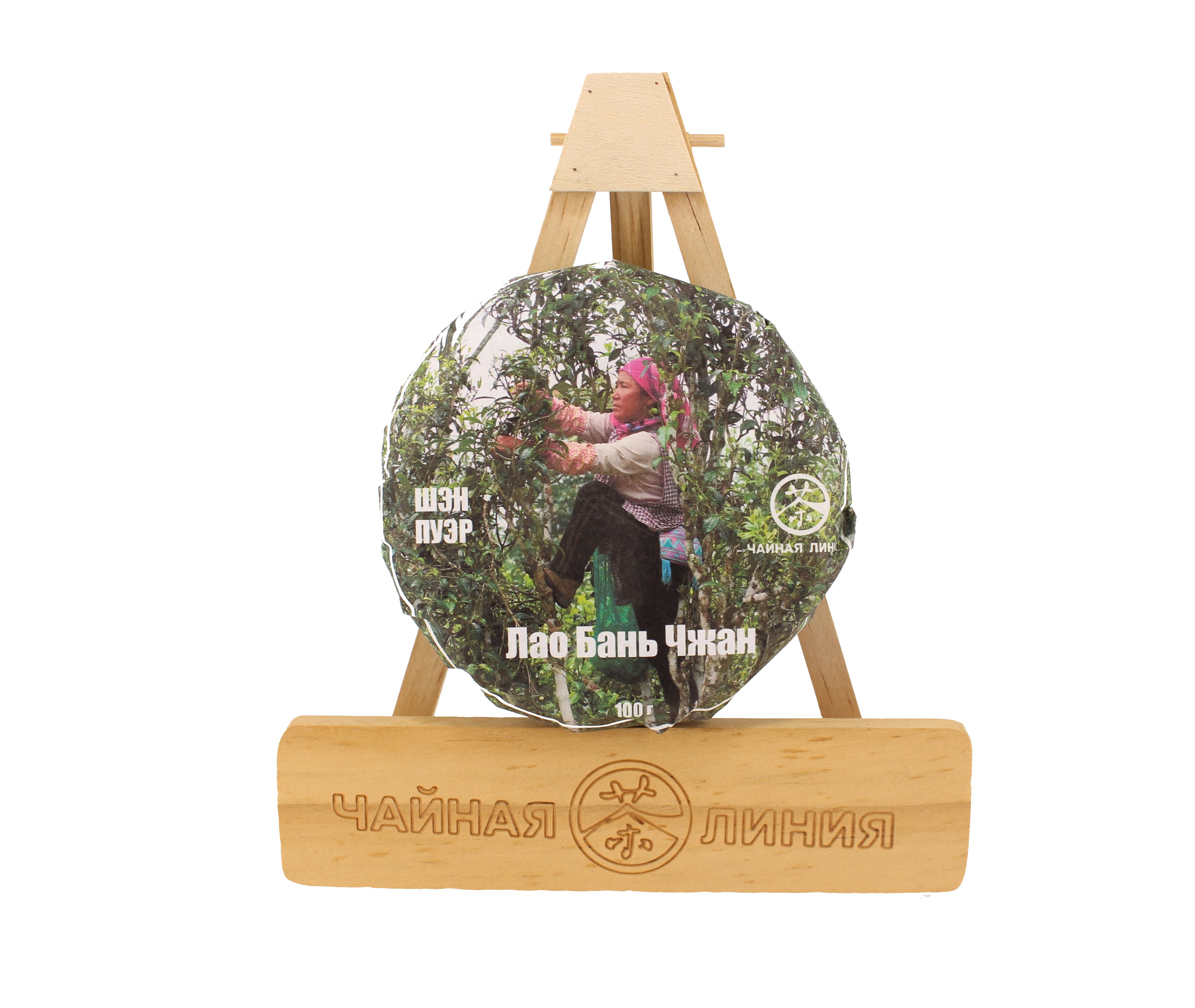
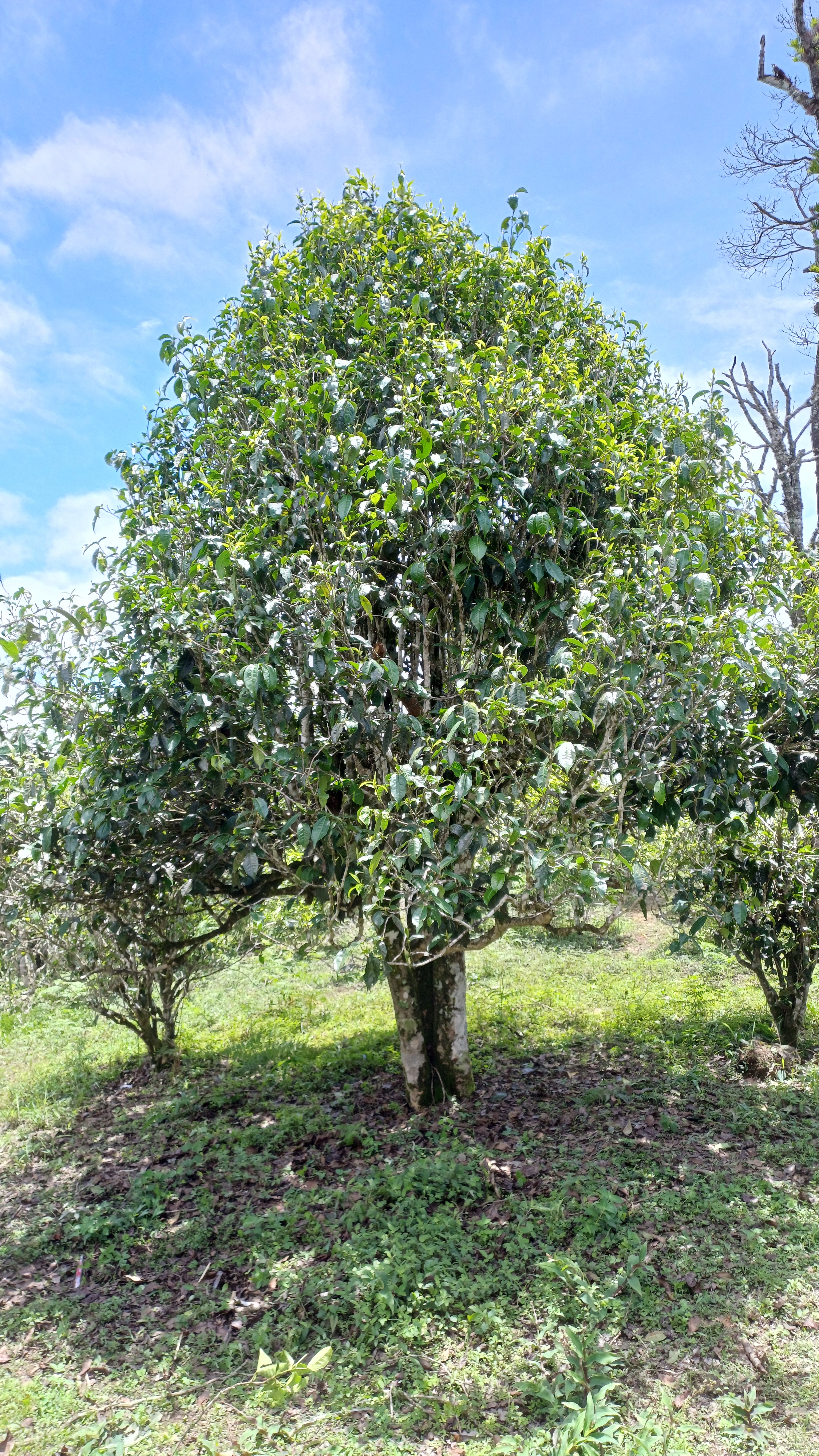
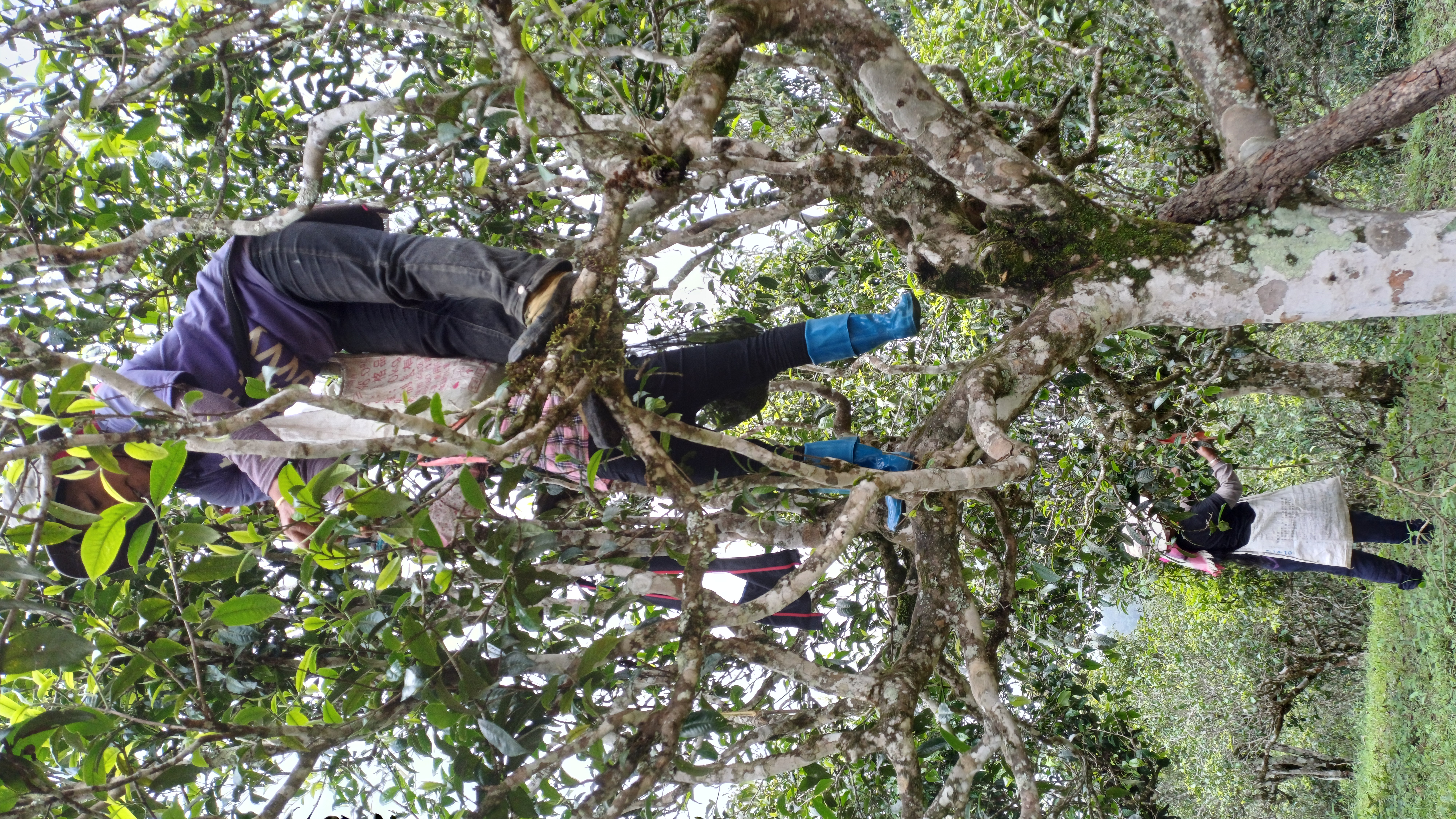
For this 100 gram pancake, we took 50 grams of spring leaves collected in the spring of 2025 from Da Shu tea trees up to 300 years old and 50 grams of Gu Shu raw materials (trees over 500 years old).
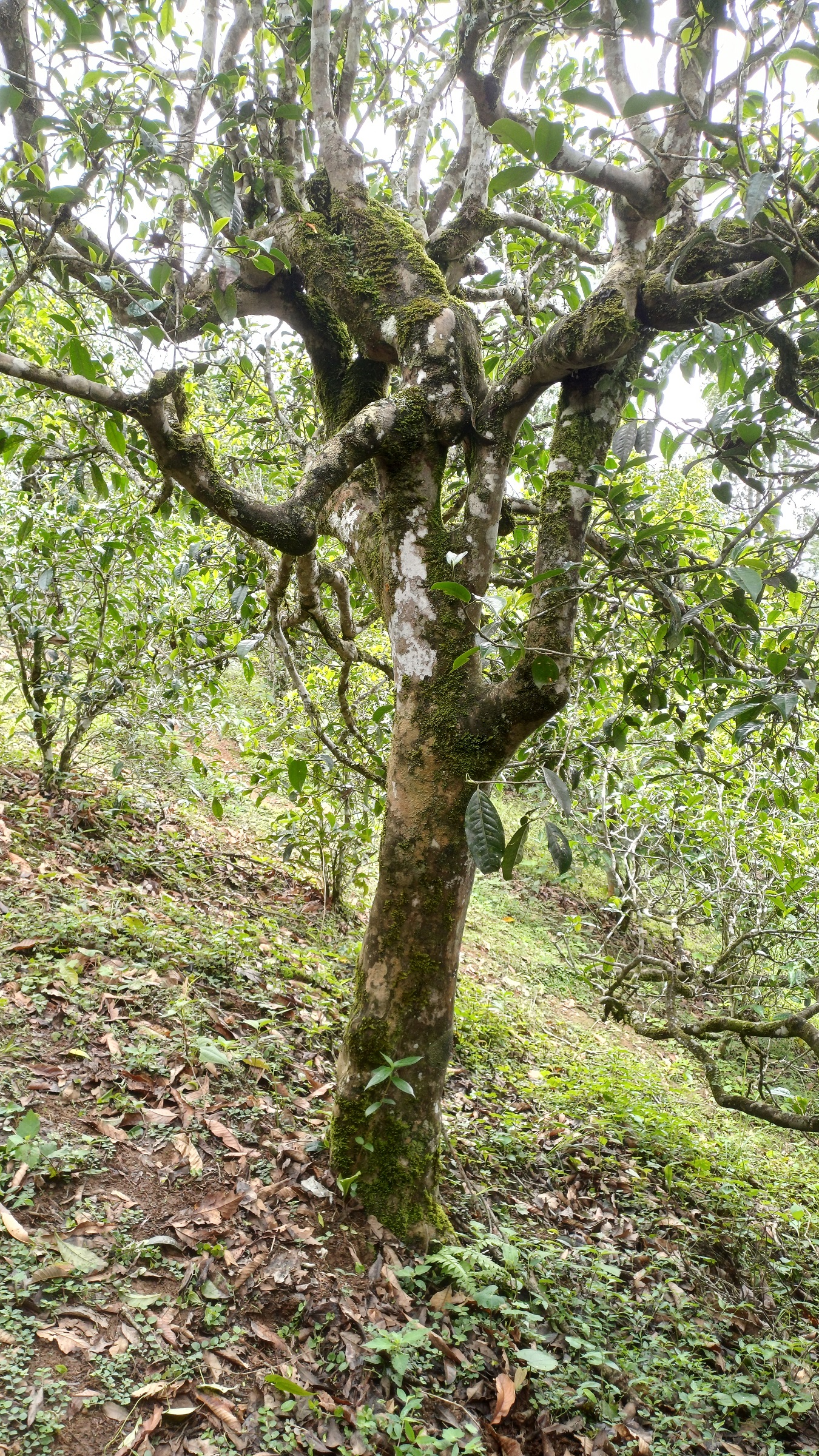
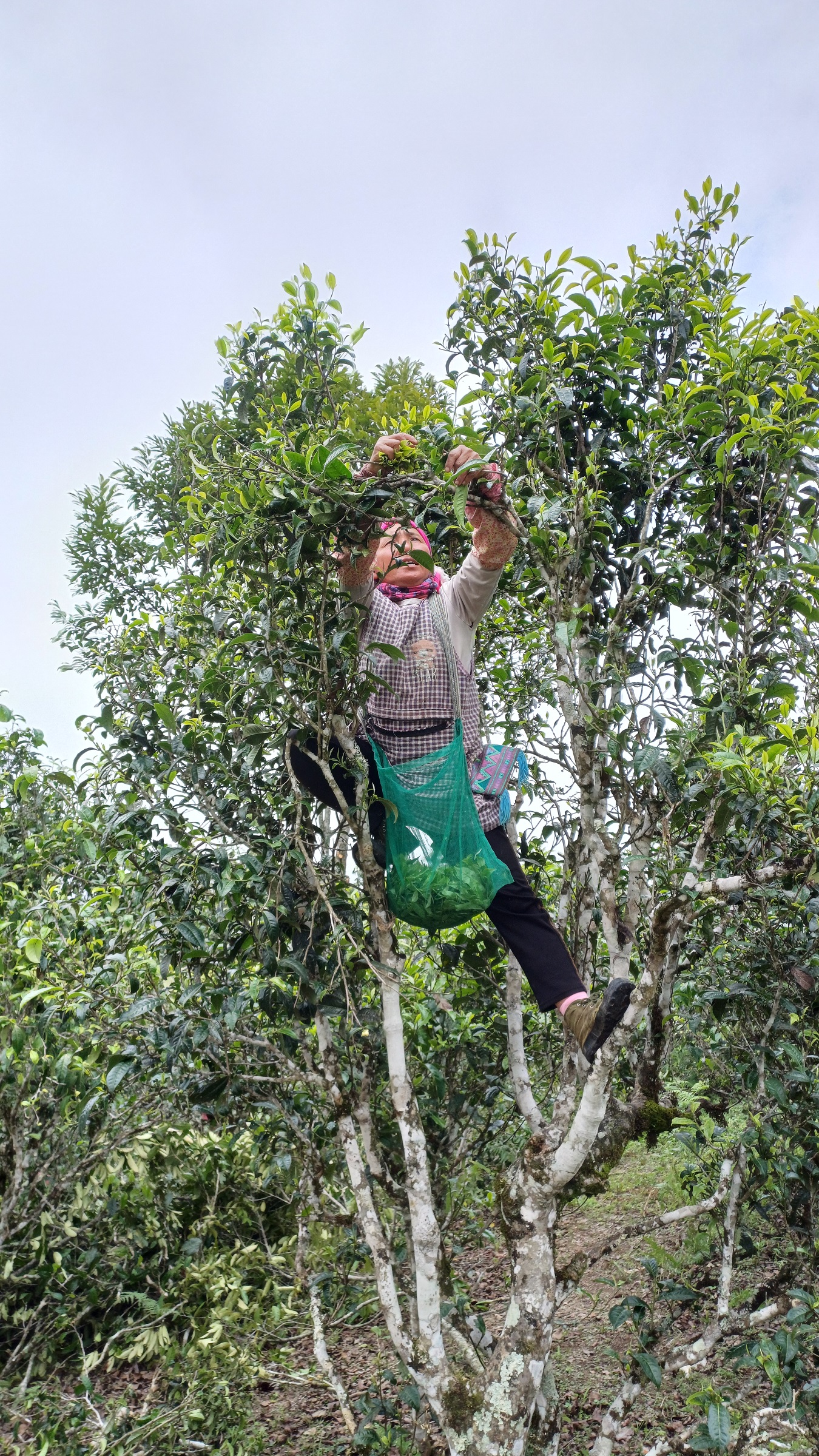
The pressing was carried out in the summer of 2025 at our own production facility.
The taste of Lao Banzhang sheng pu'er is extremely rich and multifaceted, yet very balanced and pure. A distinctive feature of Lao Banzhang sheng pu'er is its distinct bitterness, which quickly transitions to sweetness and lingers in the aftertaste.
It's worth noting that Laobanzhang tea has a very strong Cha Qi. This pu-erh has a noticeably strong tea state.
An exclusive collectible cake for those who want to experience the true pu'er tea from the world-famous Lao Banzhang village. Our company guarantees the authenticity of the raw material.

|
Country
|
China |
|
Habitat
|
Лао Бань Чжан (老班章, lǎo bān zhāng) |
|
Manufacturer
|
ООО "Чайная Линия" |
|
Year of pressing
|
2025 |
|
Pressing form
|
Bing Cha (Cake Tea) |
|
Declared weight, g
|
100 |
|
Type of tea raw material
|
Ancient trees (over 500 years old) |
- Reviews
- Vkontakte
Over time, some consumers who are part of the country's "tea elite" discover mainland Chinese tea. And only a few get acquainted with Taiwanese varieties. The path of a tea person is usually long and thorny, but ultimately it leads to the King of Teas - puer. But not everyone is able to go all the way from ordinary teas to puer and appreciate its qualities.
The tea ceremony occupies a special place in the centuries-old Eastern tradition. And although the essence of this phenomenon remains constant, the nature and external manifestations of the tea ceremony in different nations have their own national characteristics. In each Chinese province, the tea ceremony and the tea used in it are varied: for example, residents of the southern provinces prefer green tea, and residents of the northern provinces - red tea, in Fujian province they more often use Oolong tea, and in Yunnan province Puer tea is widely known.


