




-
0 Saturation
-
0 Aftertaste
-
0 Aroma
-
0 Effect
-
0 Balance
-
0 Body
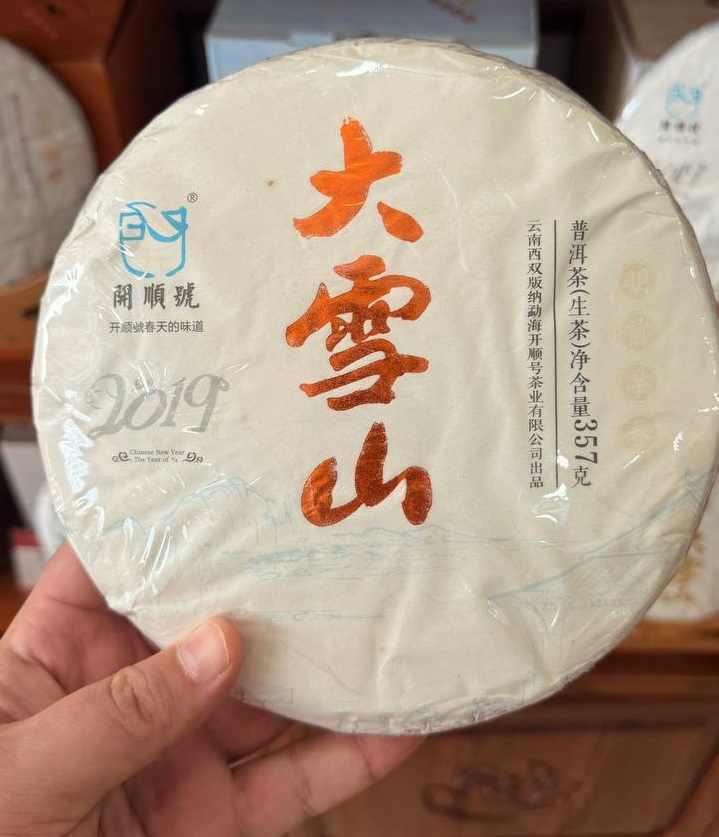
Sheng puer 2016 “ Xiaohusai gucha ” (小户赛古茶, xiǎohùsài gǔ chá) brand “ Kaishunhao ” (开顺号, kāishùnháo) of the Shuangjiang Mengku Bingdao Laoshu plant (双江勐库冰岛老树茶厂, shuāng jiāng měng kù bīngdǎo lǎo shù chá chǎng, Shuangjiang menku bindao laoshu tea factory) made from large-leaf pu-erh raw materials from Yunnan, Lincang city district (临沧, líncāng), county Mengku. The spring harvest took place before the Qingming period in the village of " Xiao Hu Sai ," whose name can be roughly translated as "Small Court Competition." The Mengku region is famous for many other tea spots, which you can read about in our tea magazine .
|
Country
|
Китай |
|
Manufacturer
|
Кайшуньхао (开顺号) |
|
Date of raw material production
|
2019 |
|
Declared weight, g
|
357 |
|
Length, cm
|
200 |
|
Width, cm
|
200 |
- Reviews
- Vkontakte
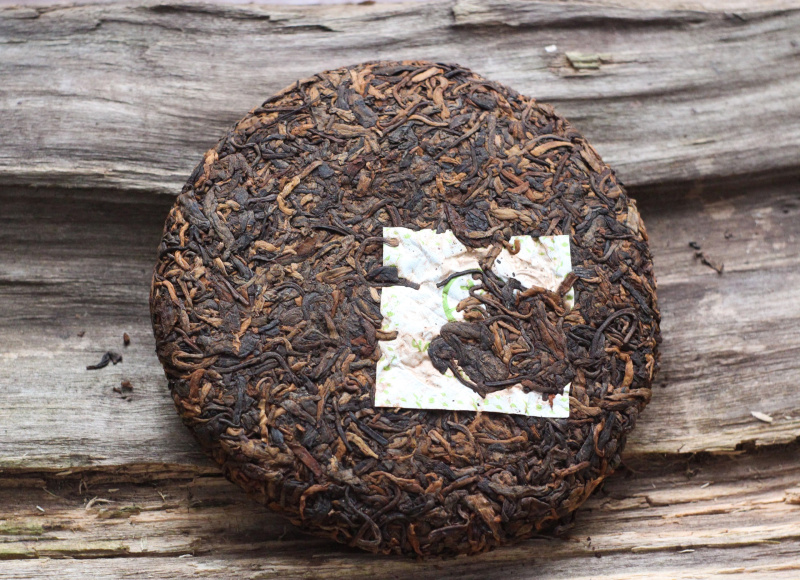
Pu-erh is one of the most unique types of tea, which only gets better with age. Many people, when they first encounter this tea, wondered: why is pu-erh more often found in pressed form (cakes, bricks, tochas), and not in loose form? The reasons for this are related to both history and the practical aspects of storing and fermenting tea. Despite modern technologies that allow the production of loose pu-erh, the shape of pressed cakes remains unchanged. And pu-erh is more often found on sale in pressed form, for example, in the form of cakes or bricks, and loose pu-erh is less common. We will talk about the reasons for pressing pu-erh into cakes in this article.
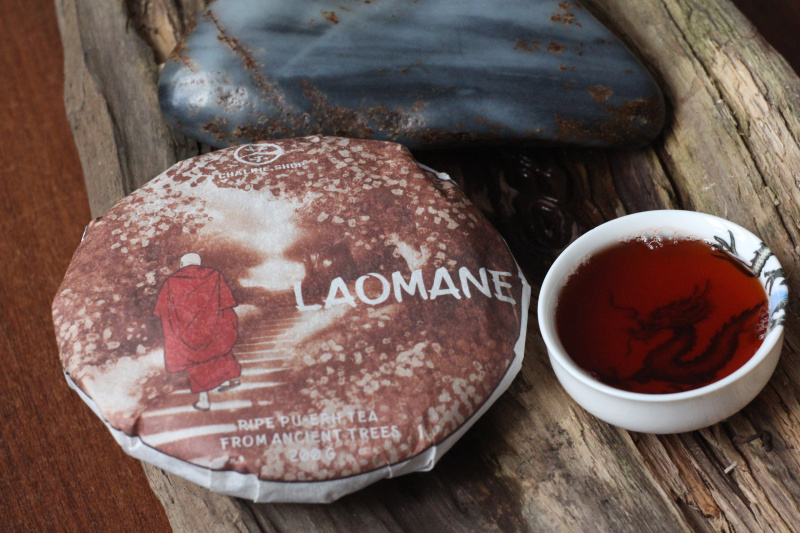
Puer is a unique Chinese tea that is distinguished by its depth of taste, complexity of aromas and versatility of aftertaste. Its taste characteristics are formed under the influence of many factors, from growing conditions to the brewing method. Let's look at the main ones.


