




-
10 Saturation
-
10 Aftertaste
-
10 Aroma
-
10 Effect
-
10 Balance
-
10 Body
Sheng Pu'er "Old Comrades" from "Tea Line" is a unique combination of tradition and innovation.
Sheng pu-erh "Old Comrades" is an unusual tea that combines the centuries-old traditions of Chinese tea culture with the unique flavor of Sochi tea. Produced by the Tea Line company, this pu-erh is a blend of Chinese sheng pu-erh and Sochi tea processed using the sheng pu-erh technology. This combination gives the drink a unique character and makes it appealing to both experienced tea connoisseurs and those just beginning their exploration of this noble beverage.
Characteristics of "Old Comrades" tea
The appearance of "Old Comrades" tea
The pancake is pressed carefully and tightly, indicating the high quality of the raw material. The leaf is large, with clearly visible buds and shoots, and has a noble greenish-golden hue. When broken, the raw material is homogeneous, free of dust and foreign matter.
Form and packaging
"Old Comrades" is pressed into a classic Bing Cha (pancake) shape, emphasizing its traditional production. The pancake weighs 200 grams, making it convenient for storage and gradual sipping.
Aroma and taste
The aroma of this sheng pu'erh tea's dry leaves is very fresh and sweet, with distinct notes of flower nectar and linden honey. When the leaves are warmed, deep notes of herbal honey, ripe dates, and tropical fruits are revealed. After rinsing the tea, the aroma becomes even more pronounced, revealing hints of pollen, pineapple, and young crab apple.
The infusion has a fragrant, rich flavor with a light, pleasant viscosity. The first few steeps delight with floral nuances reminiscent of birch sap and young honey. As the brew progresses, the flavor becomes denser, infused with fruity and sweet notes. In the final stages of the tea experience, hints of camphor and fine wood can be detected, lending the drink a special depth and authenticity.
Energy and Impact
This tea has a gentle yet noticeable tonic effect. It invigorates and clears the mind without causing sudden stimulation, making it an excellent choice for morning or afternoon tea. "Old Comrades" promotes concentration, promotes a meditative mood, and promotes inner balance.
Aftertaste
One of the main advantages of this pu-erh is its long and refreshing aftertaste. It has a delicate acidity that gradually transitions to a lingering sweetness, leaving a pleasant sensation even long after drinking.

Brewing recommendations
To unlock the full potential of this tea, it is recommended to use soft water at a temperature of approximately 85-90°C. The optimal ratio is 5-7 grams of tea per 150-200 ml of water. Steep in short infusions (5-10 seconds), gradually increasing the time with each subsequent steeping. This tea withstands multiple steepings, revealing new facets of flavor with each infusion.
Who is this tea suitable for?
"Old Comrades" Sheng Pu'er is an excellent choice for both seasoned connoisseurs of young sheng teas and newcomers to the world of pu'er. Its multifaceted flavor, pleasant texture, and rich aroma make it versatile and suitable for a variety of occasions—whether an invigorating morning tea or a leisurely evening tea.
Sheng Pu'er "Old Comrades" from Tea Line is a tea that will surprise you with its depth and diversity of flavors. Thanks to an original blend of Chinese and Sochi teas, it retains the classic characteristics of sheng pu'er while acquiring a unique character. This tea is a reliable companion for anyone who appreciates naturalness, harmony, and a richness of taste. Old Comrade will not disappoint!
"Old Comrades" Sheng Pu'er is an excellent choice for both seasoned connoisseurs of young sheng teas and newcomers to the world of pu'er. Its multifaceted flavor, pleasant texture, and rich aroma make it versatile and suitable for a variety of occasions—whether an invigorating morning tea or a leisurely evening tea.
Sheng Pu'er "Old Comrades" from Tea Line is a tea that will surprise you with its depth and diversity of flavors. Thanks to an original blend of Chinese and Sochi teas, it retains the classic characteristics of sheng pu'er while acquiring a unique character. This tea is a reliable companion for anyone who appreciates naturalness, harmony, and a richness of taste. Old Comrade will not disappoint!
This pancake was made using a blend of Chinese sheng pu-erh and Sochi tea.
The aroma of dried leaves is very fresh and sweet, evoking associations with flower nectar and linden honey. When the leaves are warmed, the scent of mixed-herb honey, ripe dates, and tropical fruits is noticeable. The aroma of washed leaves reveals notes of pollen, pineapple, and young wild apple. The infusion is fragrant, easy to drink, with a light, pleasant consistency.
The flavor of this tea is surprisingly multifaceted: the first few steeps reveal floral nuances, birch sap, and young honey, while over time it becomes denser, fruitier, and sweeter. The final steeps reveal hints of camphor and fine wood.
The finish is long and refreshing, with a delicate acidity and lingering sweetness.
This remarkable tea will satisfy both seasoned connoisseurs of young sheng pu-erh teas and those just beginning to explore the world of tea. This old friend won't let you down.
|
Country
|
China |
|
Provinces
|
Yunnan (云南) |
|
Manufacturer
|
ООО "Чайная Линия" |
|
Recipe
|
a blend of Chinese sheng pu'er and Sochi tea prepared using the sheng pu'er technology |
|
Pressing form
|
Bing Cha (Cake Tea) |
- Reviews
- Vkontakte
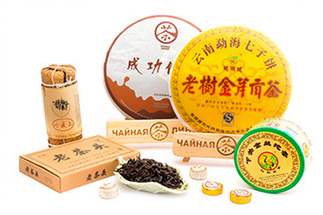
Over time, some consumers who are part of the country's "tea elite" discover mainland Chinese tea. And only a few get acquainted with Taiwanese varieties. The path of a tea person is usually long and thorny, but ultimately it leads to the King of Teas - puer. But not everyone is able to go all the way from ordinary teas to puer and appreciate its qualities.
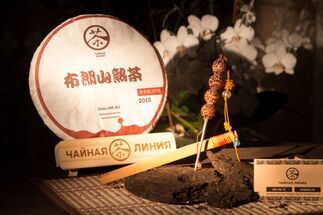
The tea ceremony occupies a special place in the centuries-old Eastern tradition. And although the essence of this phenomenon remains constant, the nature and external manifestations of the tea ceremony in different nations have their own national characteristics. In each Chinese province, the tea ceremony and the tea used in it are varied: for example, residents of the southern provinces prefer green tea, and residents of the northern provinces - red tea, in Fujian province they more often use Oolong tea, and in Yunnan province Puer tea is widely known.
Need a consultation?
Our specialists will answer any question of interest


