



-
10 Saturation
-
10 Aftertaste
-
10 Aroma
-
10 Effect
-
10 Balance
-
10 Body
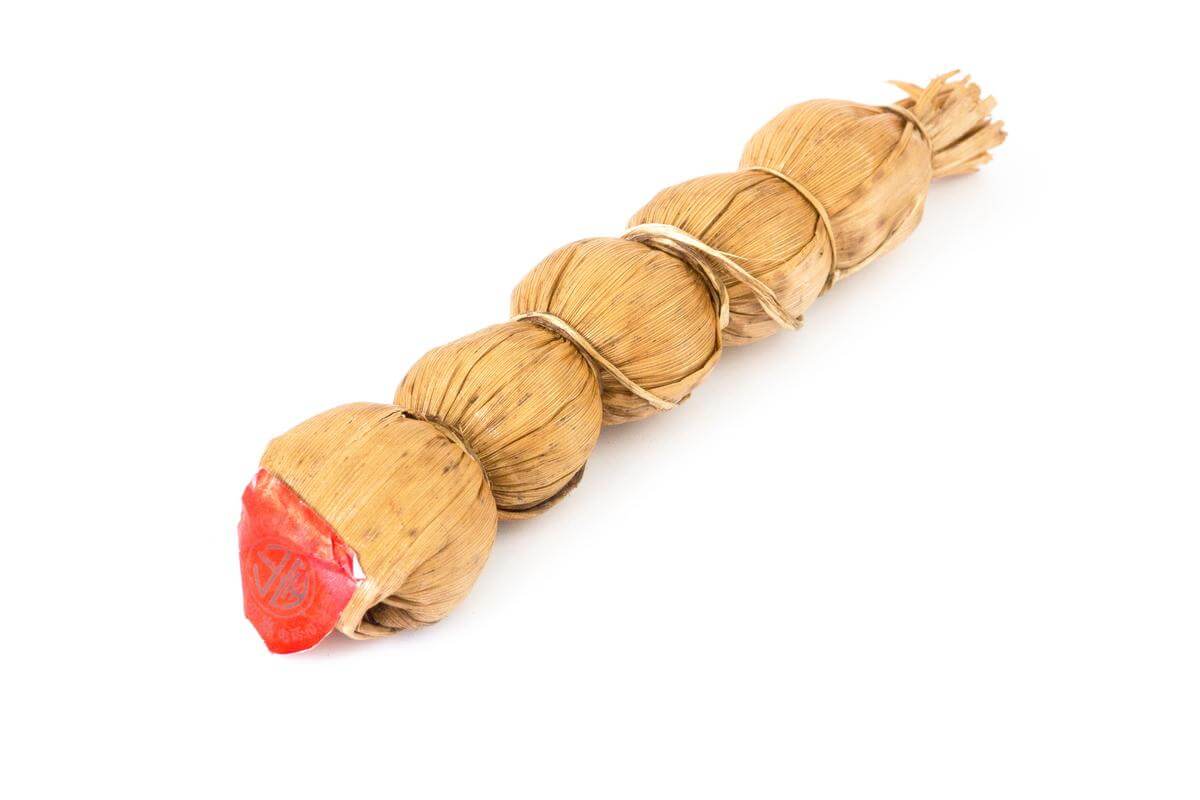
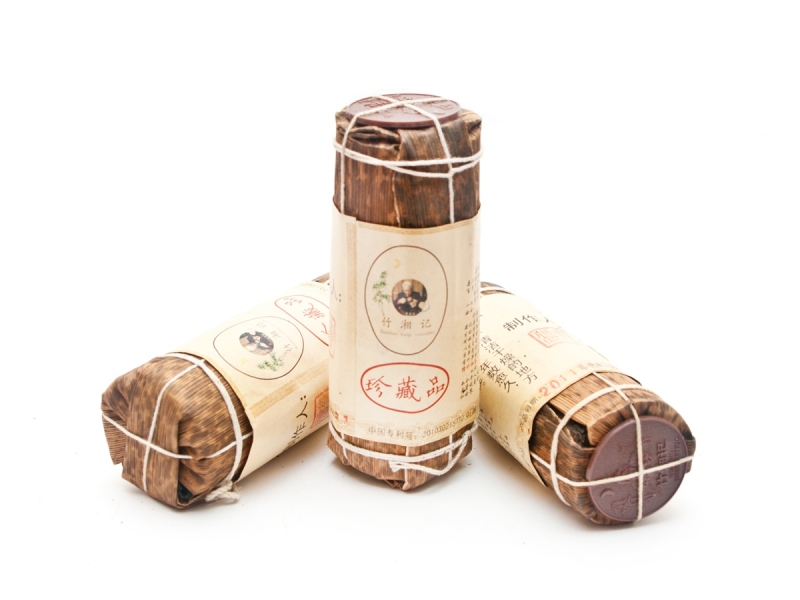
Black tea Zhuke Cha or tea in a bamboo shell
Name: Zhuke Cha
Translation: tea in a bamboo box
Whale. 竹壳茶, pinyin zhú qiào chá
Original name: Pumpkin tea (Chinese: 葫芦茶, pinyin: húluchá), also known as cold tea.
Date of manufacture: 2014.
Approximate weight: 25 grams.
Manufacturer: Zijin Lantang Tea Factory Taoran Zhuke Guangdong, Heyuan County (Chinese: 广东河源紫金蓝塘陶然竹壳茶厂, pinyin Guangdong heyuan zijin lantang taoran zhuke chachang).
Origin: Heyuan City, Guangdong Province.
Chinese living abroad call it "Taoist hermit tea." It has a 400-year history and consists of over 10 rare medicinal herbs collected in remote forests. It is produced using a special technology and is usually packaged in a bamboo box or a gourd (Lagenária sicerária). This is no coincidence, as the gourd was a symbol of doctors in ancient China, as it was used to store medicines.
This tea has a pleasant taste and a sweet aroma. It is one of the most popular cold teas in Guangdong Province. It has wonderful properties: it alleviates heat stress, aids digestion, and protects against insect pests (residents of Guangdong add it when salting fish and cooking meat). It is used to treat sore throats, coughs, lung diseases, including tuberculosis, intestinal disorders, joint pain associated with rheumatism, scleroderma, pregnancy toxicosis, postpartum illnesses, abscesses, and hives.
The dried tea's appearance is varied, with stems and woody components. It has a peppery aroma. The flavor is woody, spicy, and slightly tangy, but the latter doesn't dominate, creating a pleasant roughness in the throat.
Other haicha in the online store Tea Line.
First published on December 7, 2014.
Copyright © Chaline.Ru

|
Name in Chinese
|
竹壳茶 |
|
Pinyin
|
zhú qiào chá |
|
Translation
|
tea in a bamboo box |
|
Country
|
Китай |
|
District
|
Heyuan |
|
Provinces
|
Гуандун (广东) |
|
Region
|
Фэнхуан (凤凰) |
|
Date of raw material production
|
2014 |
|
Year of pressing
|
2014 |
|
Declared weight, g
|
25 |
- Reviews
- Vkontakte
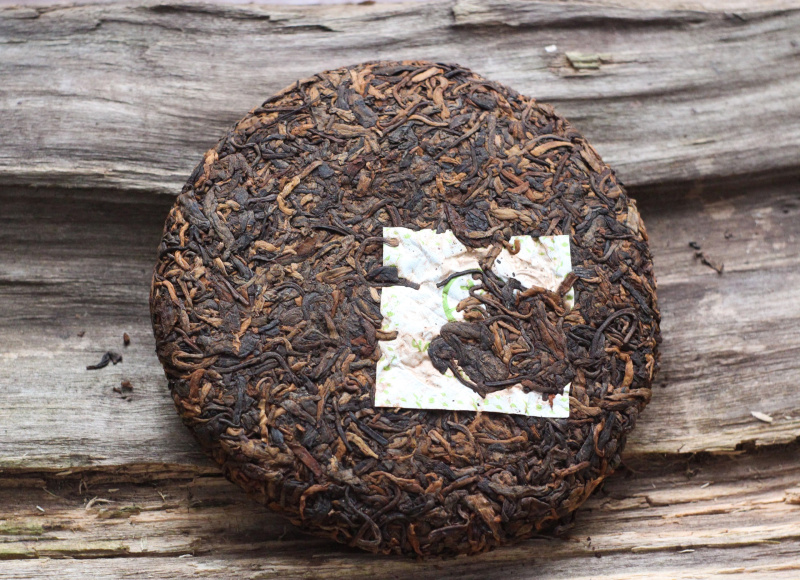
Pu-erh is one of the most unique types of tea, which only gets better with age. Many people, when they first encounter this tea, wondered: why is pu-erh more often found in pressed form (cakes, bricks, tochas), and not in loose form? The reasons for this are related to both history and the practical aspects of storing and fermenting tea. Despite modern technologies that allow the production of loose pu-erh, the shape of pressed cakes remains unchanged. And pu-erh is more often found on sale in pressed form, for example, in the form of cakes or bricks, and loose pu-erh is less common. We will talk about the reasons for pressing pu-erh into cakes in this article.
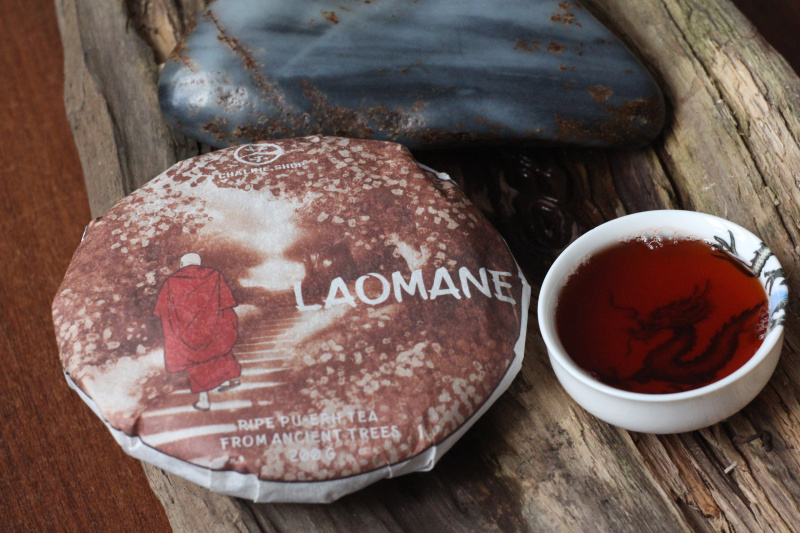
Puer is a unique Chinese tea that is distinguished by its depth of taste, complexity of aromas and versatility of aftertaste. Its taste characteristics are formed under the influence of many factors, from growing conditions to the brewing method. Let's look at the main ones.
In the world of tea, where every leaf holds a thousand-year history, there is one special drink whose origin is shrouded in mystery and wonder. This is Heicha, a dark tea that not only captivates with its deep taste, but also has an amazing story associated with rain, despair, and a miracle of healing.


