









-
10 Saturation
-
9 Aftertaste
-
10 Aroma
-
9 Effect
-
9 Balance
-
10 Body
Shu Pu'er "New Wave" 2021: A Taste of Renewal from Yunnan
Shu Pu'er "New Wave" 2021 is a fresh take on traditional Chinese tea. Produced by Tea Line from large tea trees up to 300 years old in Yongde, this tea boasts a vibrant character and a unique flavor.
Features of tea
- Region of Origin: Yongde (永德, yǒngdé) is a famous area of Yunnan, renowned for its tea plantations.
- Pressing shape: Fan cha (square) – a classic shape for pu-erhs, convenient for storage and brewing.
- Year of pressing: 2022, which indicates the comparative youth of the tea.
- Ingredients: High-quality tea leaves that have undergone artificial fermentation give the tea a rich taste and aroma.
Taste and aroma
Shu Pu-erh "New Wave" is distinguished by its vibrant and rich flavor. It harmoniously combines sweet dried fruit notes, a slight bitterness, and hints of wood. The tea's aroma is deep and multifaceted, with pronounced fruity and floral notes.
Health benefits
Like all shu pu-erhs, "New Wave" has a number of beneficial properties:
- Improves digestion: Promotes more efficient digestion of food.
- Lowers Cholesterol Levels: Regular consumption of this tea can help lower bad cholesterol levels in the blood.
- Strengthens the immune system: Contains a variety of antioxidants that help protect the body from the harmful effects of free radicals.
- Improves mood: Has a relaxing effect, helping to relieve stress and improve mood.
How to brew
For brewing New Wave shu pu-erh, it is recommended to use water at a temperature of approximately 95°C. The tea can be steeped multiple times, revealing new flavor nuances each time.
Who is this tea for?
Shu Pu-erh "New Wave" is a tea for those who appreciate quality, depth of flavor, and seek new culinary experiences. It is ideal for both experienced tea connoisseurs and those just beginning their exploration of Chinese teas.
Shu Pu'er "New Wave" 2021 is a modern interpretation of classic shu pu'er. Its vibrant flavor and aroma, as well as its beneficial properties, make it an excellent choice for those looking to try something new.

|
Country
|
China |
|
Provinces
|
Yunnan (云南) |
|
Habitat
|
Yongde (永德) |
|
Manufacturer
|
ООО "Чайная Линия" |
|
Date of raw material production
|
2021 |
|
Year of pressing
|
2022 |
|
Pressing form
|
Fang Cha (Square Tea) |
|
Fermentation method
|
In heaps |
|
Type of tea raw material
|
Large trees (100-300 years) |
|
The tea is suitable.
|
post-workout (recovery), to improve performance, to perk up (morning) |
- Reviews
- Vkontakte
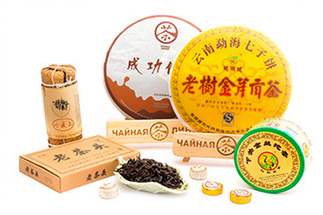
Over time, some consumers who are part of the country's "tea elite" discover mainland Chinese tea. And only a few get acquainted with Taiwanese varieties. The path of a tea person is usually long and thorny, but ultimately it leads to the King of Teas - puer. But not everyone is able to go all the way from ordinary teas to puer and appreciate its qualities.
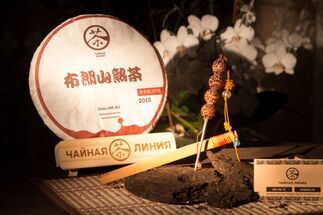
The tea ceremony occupies a special place in the centuries-old Eastern tradition. And although the essence of this phenomenon remains constant, the nature and external manifestations of the tea ceremony in different nations have their own national characteristics. In each Chinese province, the tea ceremony and the tea used in it are varied: for example, residents of the southern provinces prefer green tea, and residents of the northern provinces - red tea, in Fujian province they more often use Oolong tea, and in Yunnan province Puer tea is widely known.
Need a consultation?
Our specialists will answer any question of interest


