




-
0 Saturation
-
0 Aftertaste
-
0 Aroma
-
0 Effect
-
0 Balance
-
0 Body
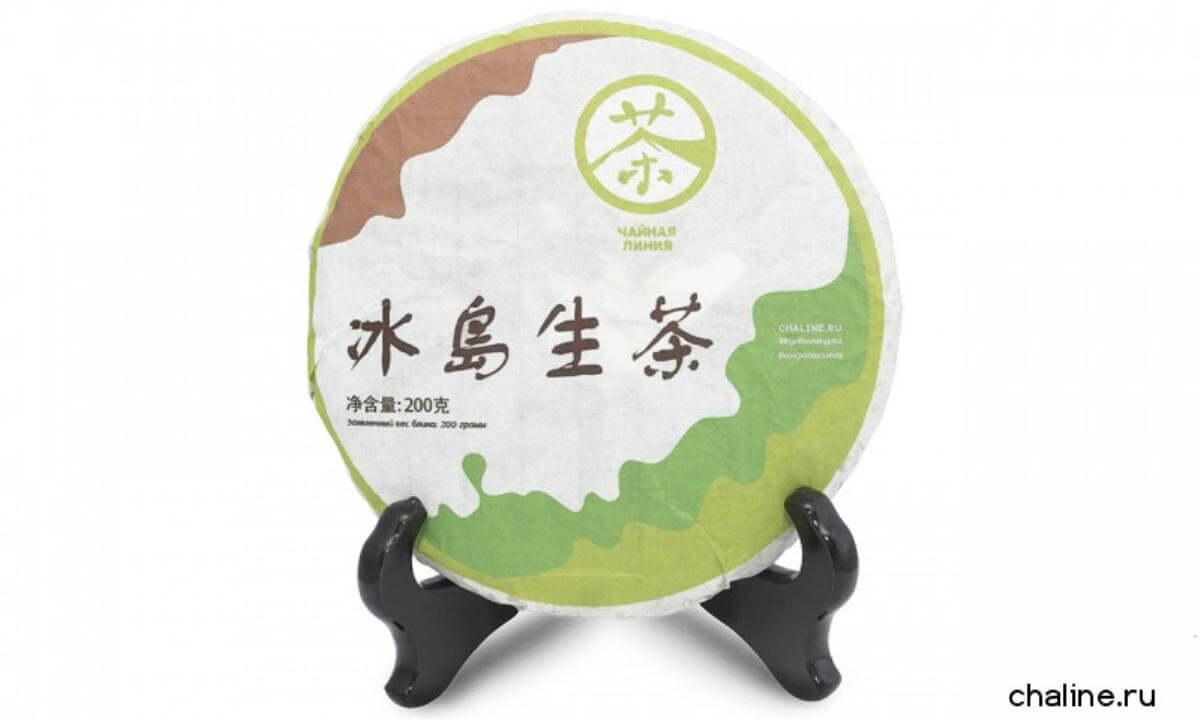
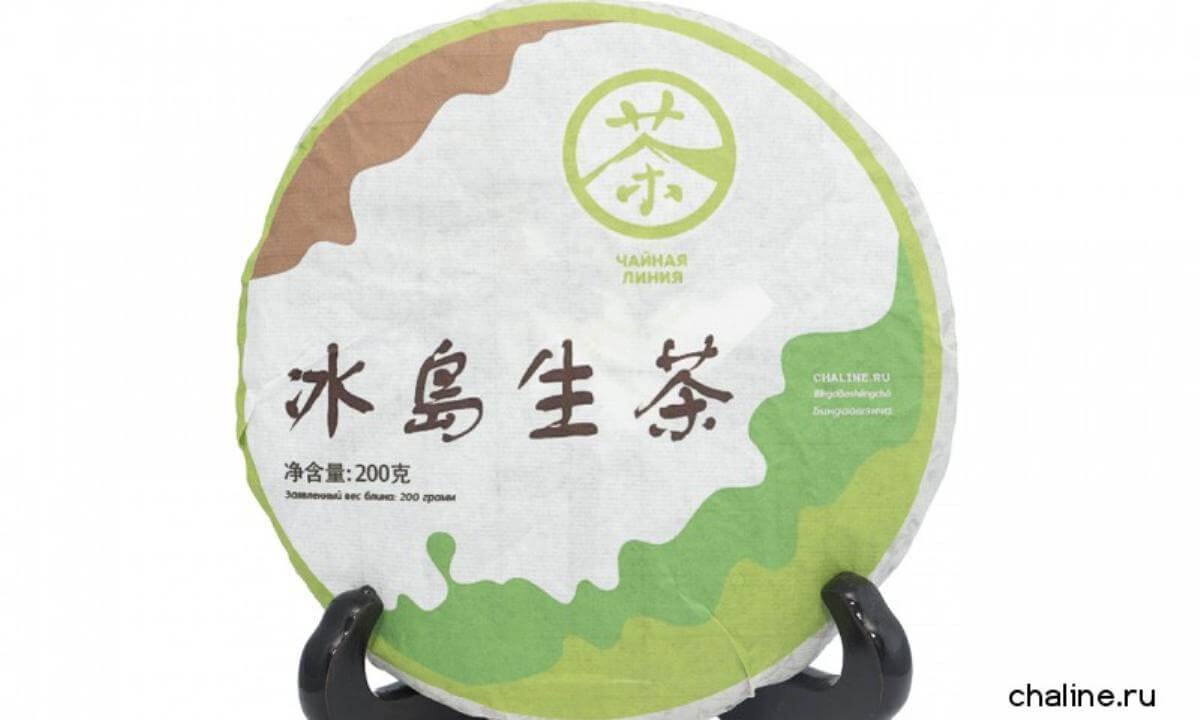
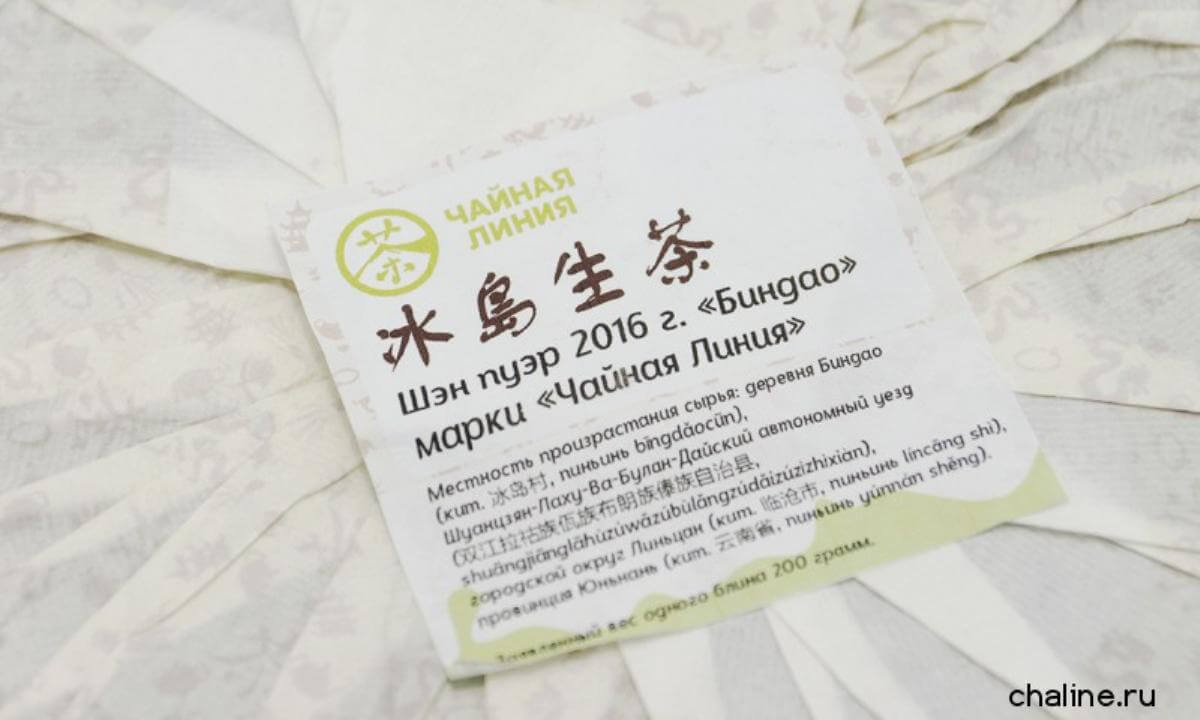
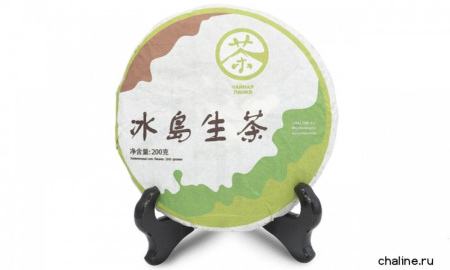
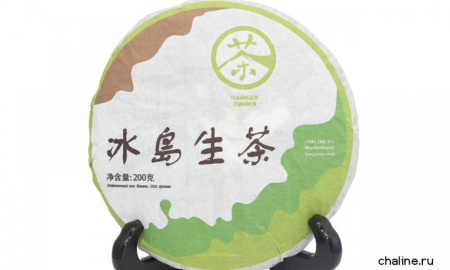
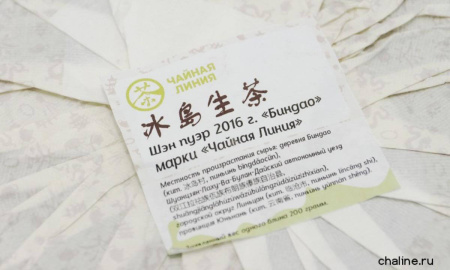
Title: "Bingdao Shencha"
Translation: "Sheng of Bindao"
Whale. 冰岛生茶 pinyin bīngdǎo shēngchá.
Date of manufacture: spring 2016.
Declared weight: 200 grams.
Production: "Tea Line" .
Origin: Bingdao Village (冰岛村, bīngdǎocūn), Shuangjiang Lahu Wa Bulan Dai Autonomous County (双江拉祜族佤族布朗族傣族自治县, shuāngjiāng lāhùzúwǎzú bùlǎng zúdǎizú zìzhìxiàn), Lincang City District (临沧市, líncāng shì), Yunnan Province (云南省, yúnnán shěng), China.
The Bindao tea region boasts centuries-old trees. Situated at altitudes up to 2,300 meters above sea level, it is slightly north of other pu'erh regions. Research shows that mountain teas have a higher concentration of beneficial substances in the leaves. Thanks to a combination of altitude, tropical climate, terroir, and cultivation, pu'erh from Bindao is considered the best in all of Lincang.
Appearance, aroma and taste
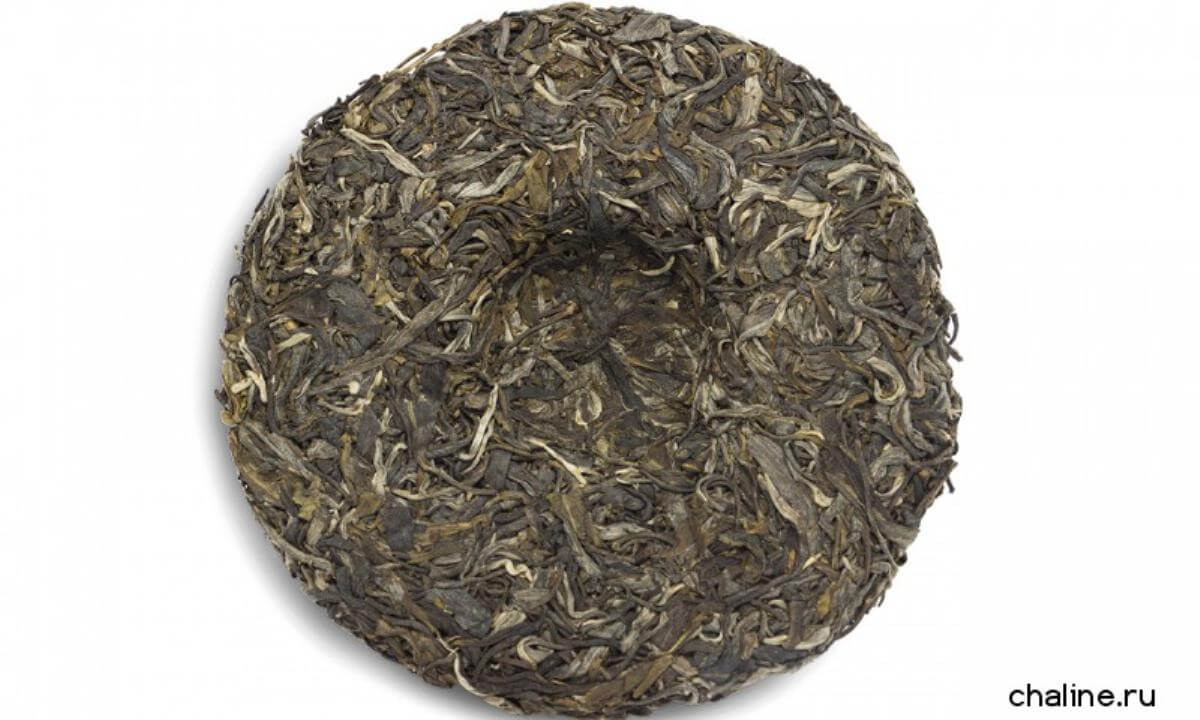
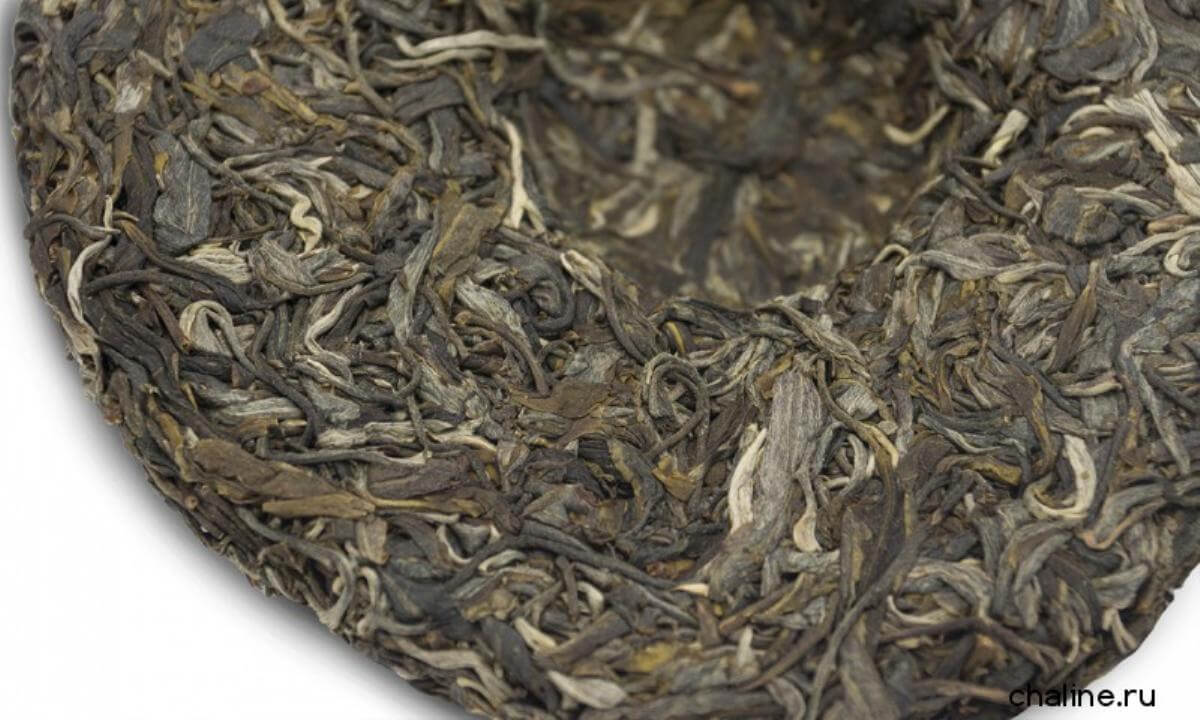
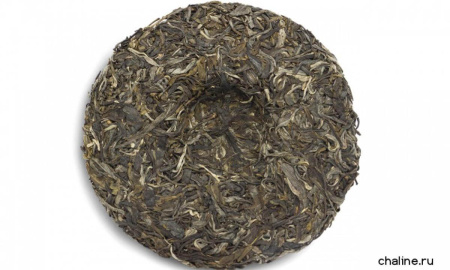
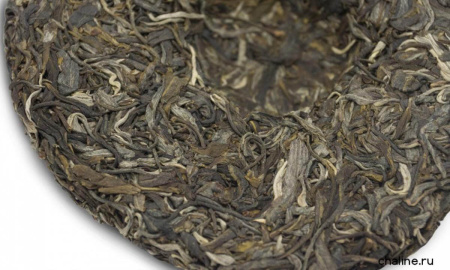
The tea leaves are large-leafed, with a significant portion of hairy buds. The aroma will appeal to those who appreciate subtle nuances of flavor. The infusion is clear, light amber, with a shimmering surface. Sheng tea has distinctive flavor characteristics. Its high altitude gives the infusion a subtle body, giving it a light, lingering aftertaste.
The 2016 Sheng Pu'er from Bingdao from Tea Line is produced in a limited edition and is an excellent example for the collection of a connoisseur of good tea.
First published on May 20, 2017.
Copyright © Chaline.Ru
|
Name in Chinese
|
冰岛生茶 |
|
Pinyin
|
bīngdǎo shēngchá |
|
Translation
|
Sheng from Bindao |
|
Country
|
Китай |
|
District
|
Lincang |
|
Provinces
|
Юньнань (云南) |
|
Habitat
|
Биндао (冰岛, bīngdǎo) |
|
Manufacturer
|
ООО "Чайная Линия" |
|
Date of raw material production
|
2016 |
|
Year of pressing
|
2016 |
|
Pressing form
|
Бин Ча (блин) |
|
Declared weight, g
|
200 |
|
Fermentation method
|
Natural |
|
Type of tea raw material
|
Large trees (100-300 years) |
- Reviews
- Vkontakte
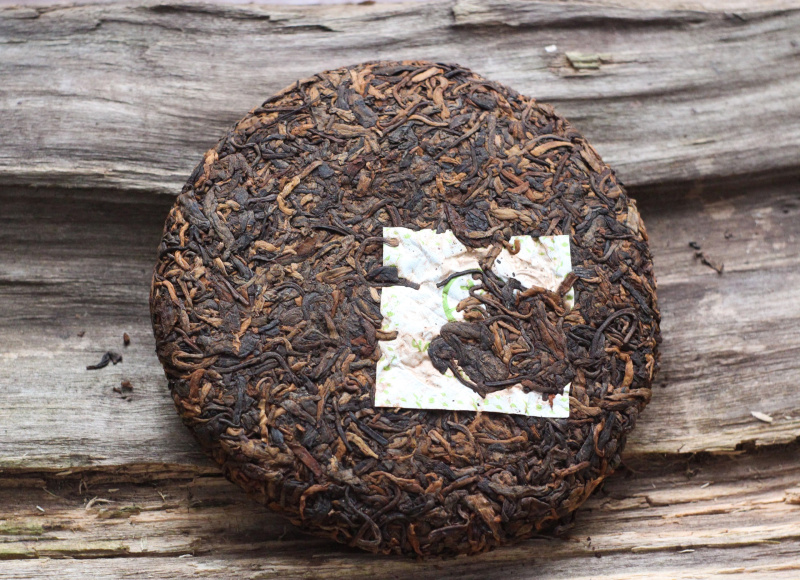
Pu-erh is one of the most unique types of tea, which only gets better with age. Many people, when they first encounter this tea, wondered: why is pu-erh more often found in pressed form (cakes, bricks, tochas), and not in loose form? The reasons for this are related to both history and the practical aspects of storing and fermenting tea. Despite modern technologies that allow the production of loose pu-erh, the shape of pressed cakes remains unchanged. And pu-erh is more often found on sale in pressed form, for example, in the form of cakes or bricks, and loose pu-erh is less common. We will talk about the reasons for pressing pu-erh into cakes in this article.
Puer is a unique Chinese tea that is distinguished by its depth of taste, complexity of aromas and versatility of aftertaste. Its taste characteristics are formed under the influence of many factors, from growing conditions to the brewing method. Let's look at the main ones.
Over time, some consumers who are part of the country's "tea elite" discover mainland Chinese tea. And only a few get acquainted with Taiwanese varieties. The path of a tea person is usually long and thorny, but ultimately it leads to the King of Teas - puer. But not everyone is able to go all the way from ordinary teas to puer and appreciate its qualities.
The tea ceremony occupies a special place in the centuries-old Eastern tradition. And although the essence of this phenomenon remains constant, the nature and external manifestations of the tea ceremony in different nations have their own national characteristics. In each Chinese province, the tea ceremony and the tea used in it are varied: for example, residents of the southern provinces prefer green tea, and residents of the northern provinces - red tea, in Fujian province they more often use Oolong tea, and in Yunnan province Puer tea is widely known.
Need a consultation?
Our specialists will answer any question of interest


