





-
0 Saturation
-
0 Aftertaste
-
0 Aroma
-
0 Effect
-
0 Balance
-
0 Body
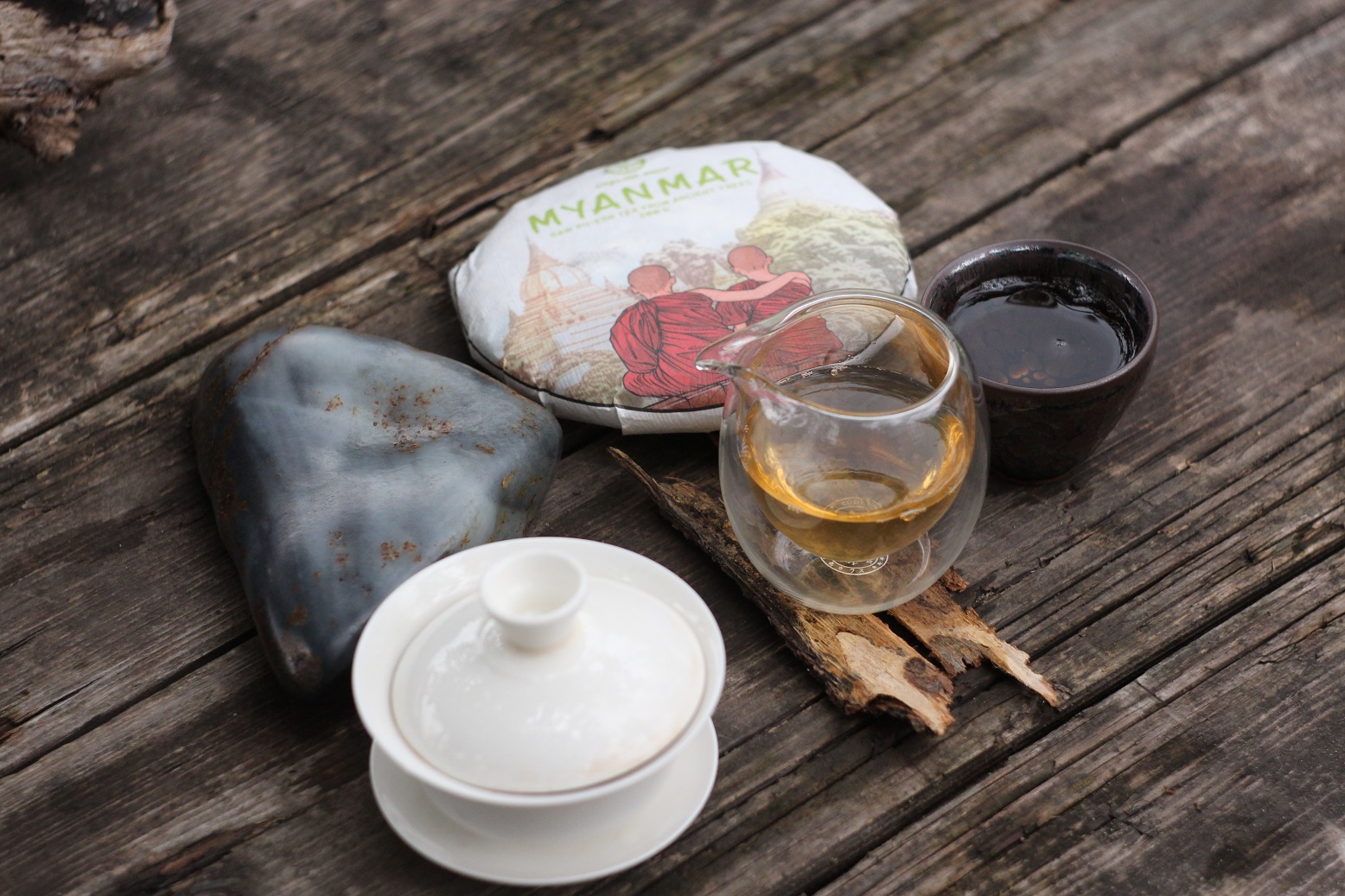
Vast tracts of ancient and even wild tea forests remain here. Tea from Myanmar, although often processed using techniques similar to those from Yunnan, bears the imprint of a unique terroir—a different soil, climate, and ecosystem. This opens the opportunity to experience a different expression of sheng pu'er's character.
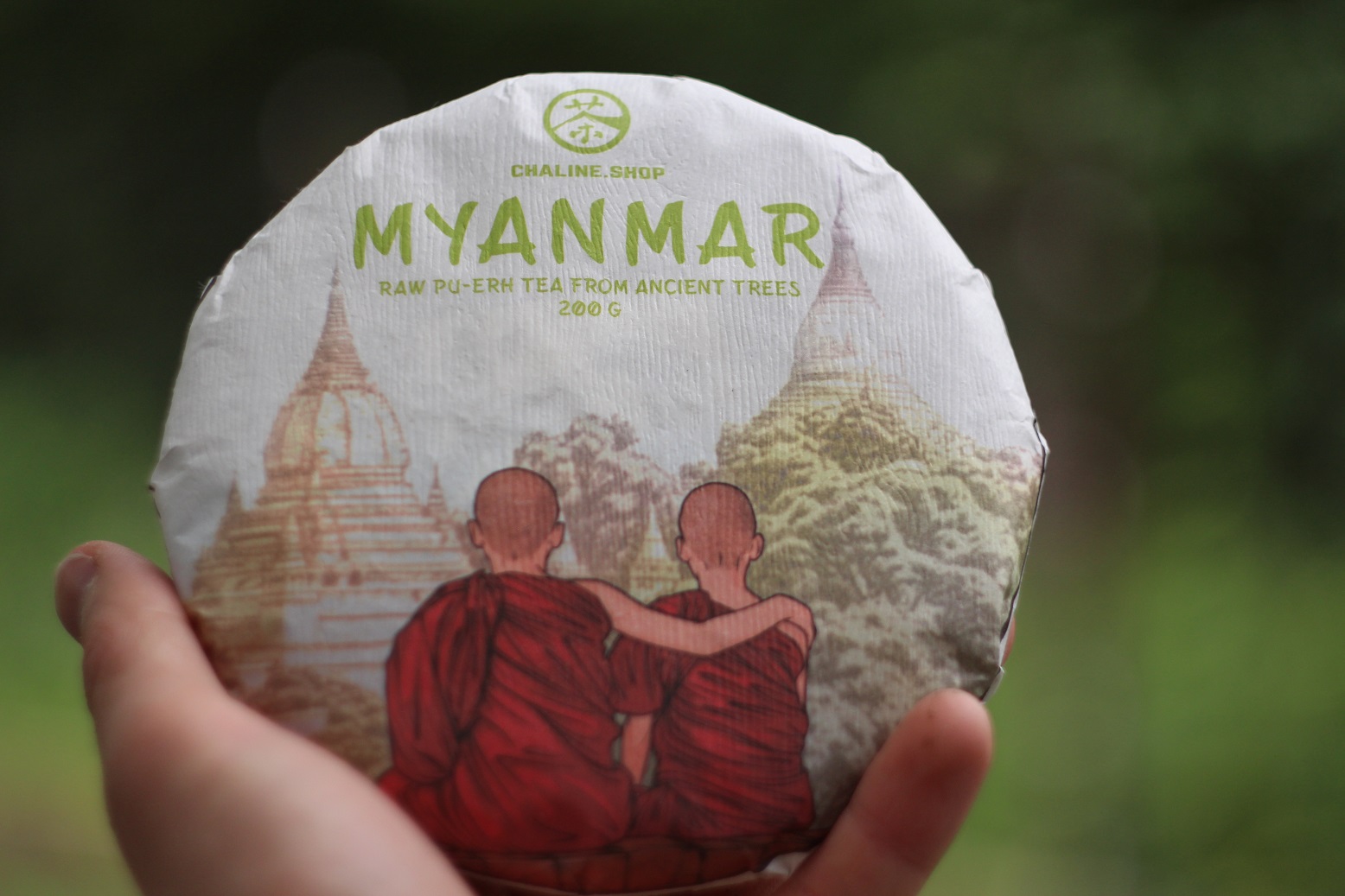
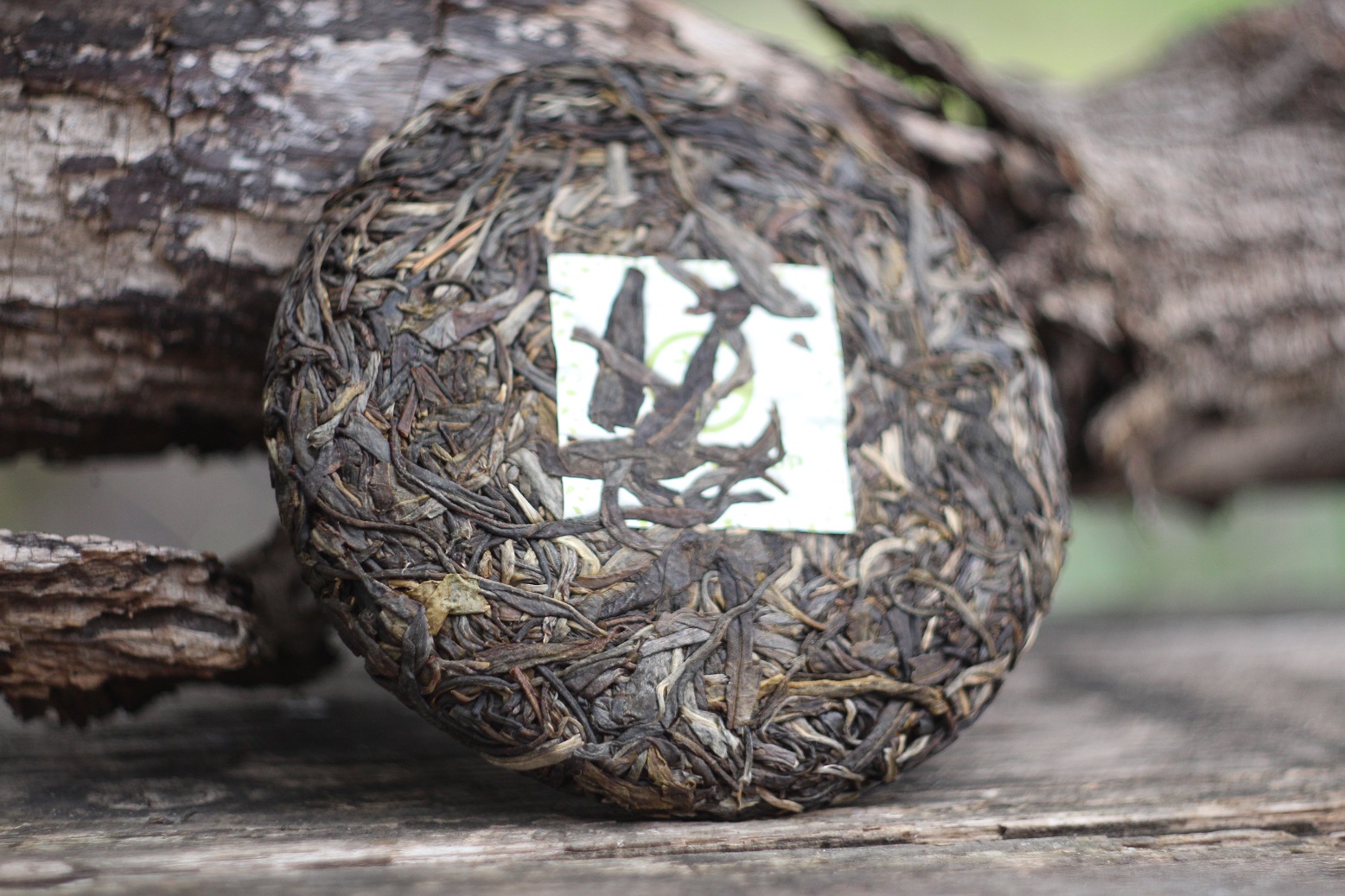
The aroma features magnolia and chrysanthemum, giving way to apricot juice. It has a noticeable, pleasant tartness and a lingering osmanthus finish. Brewing recommendations are standard for sheng teas: 85-90°C, 15-20 seconds.
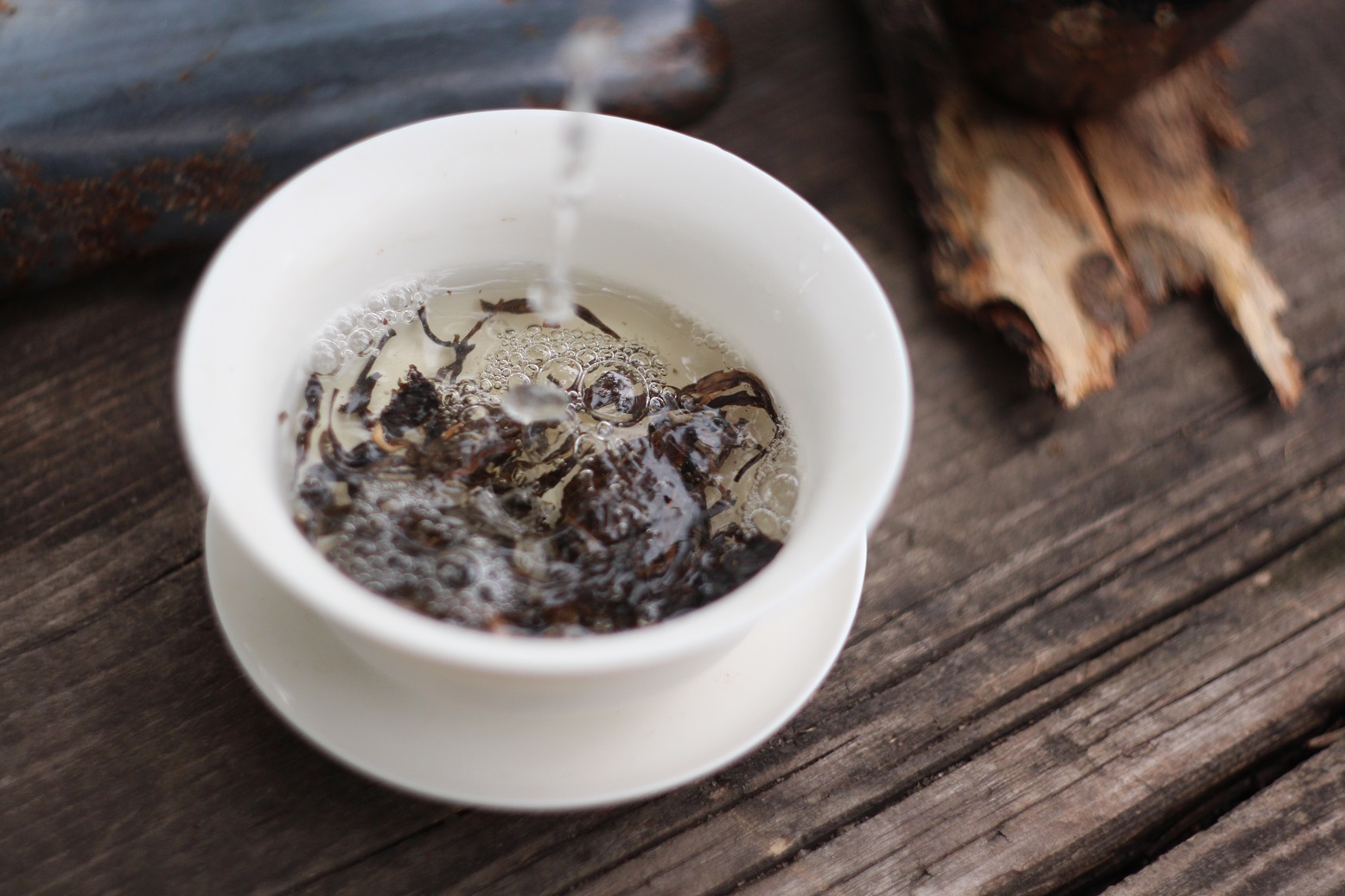
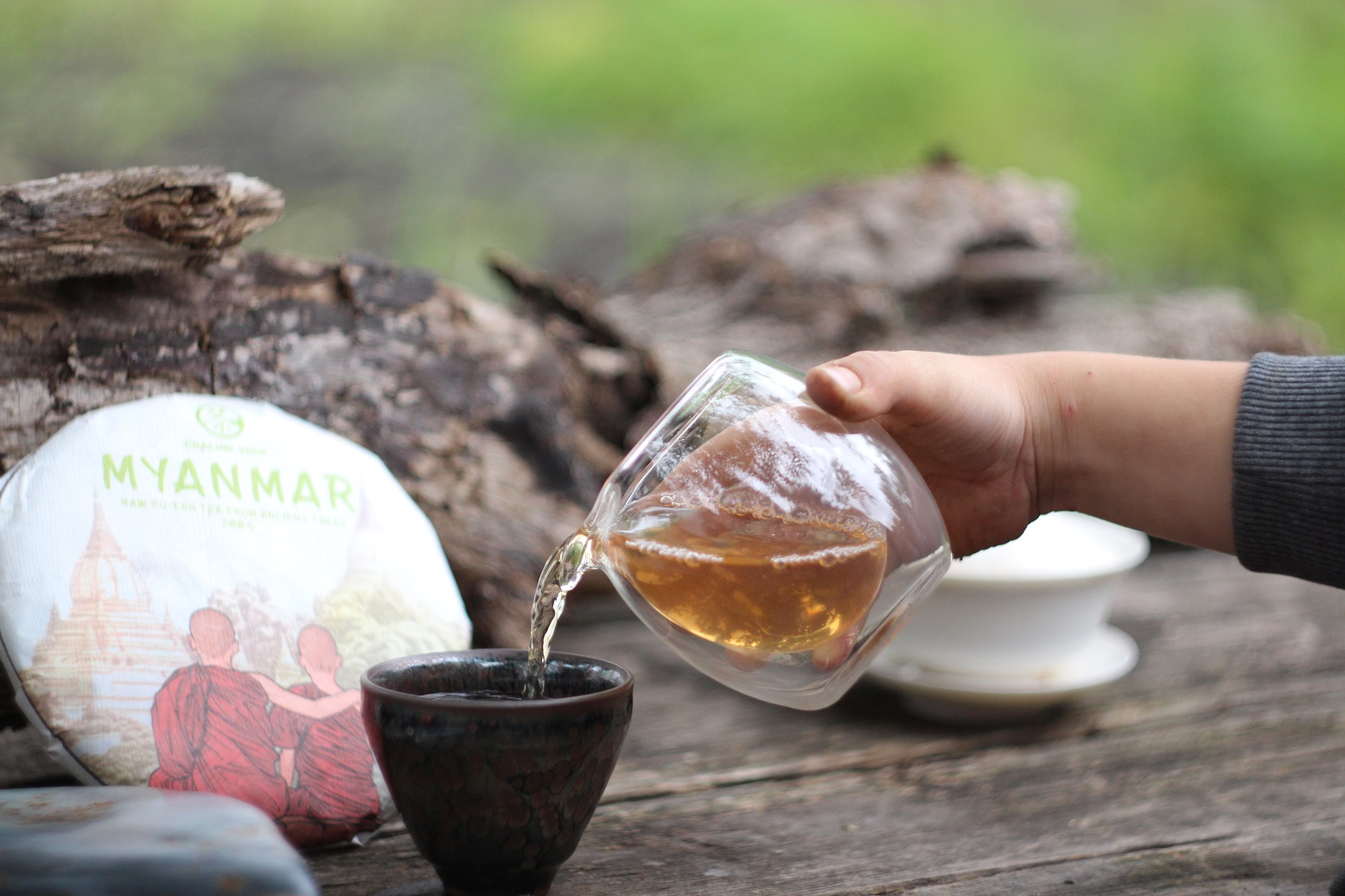
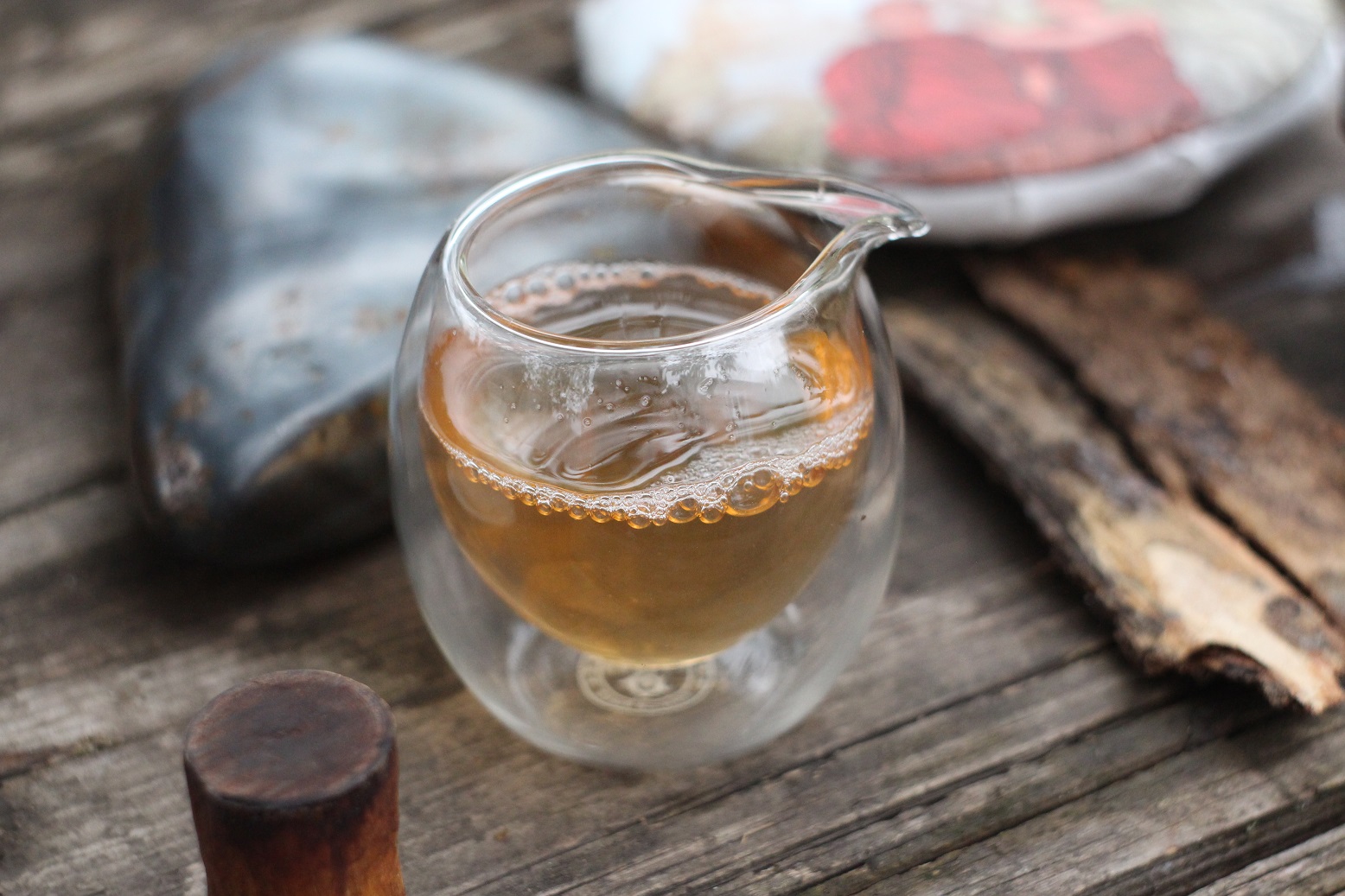
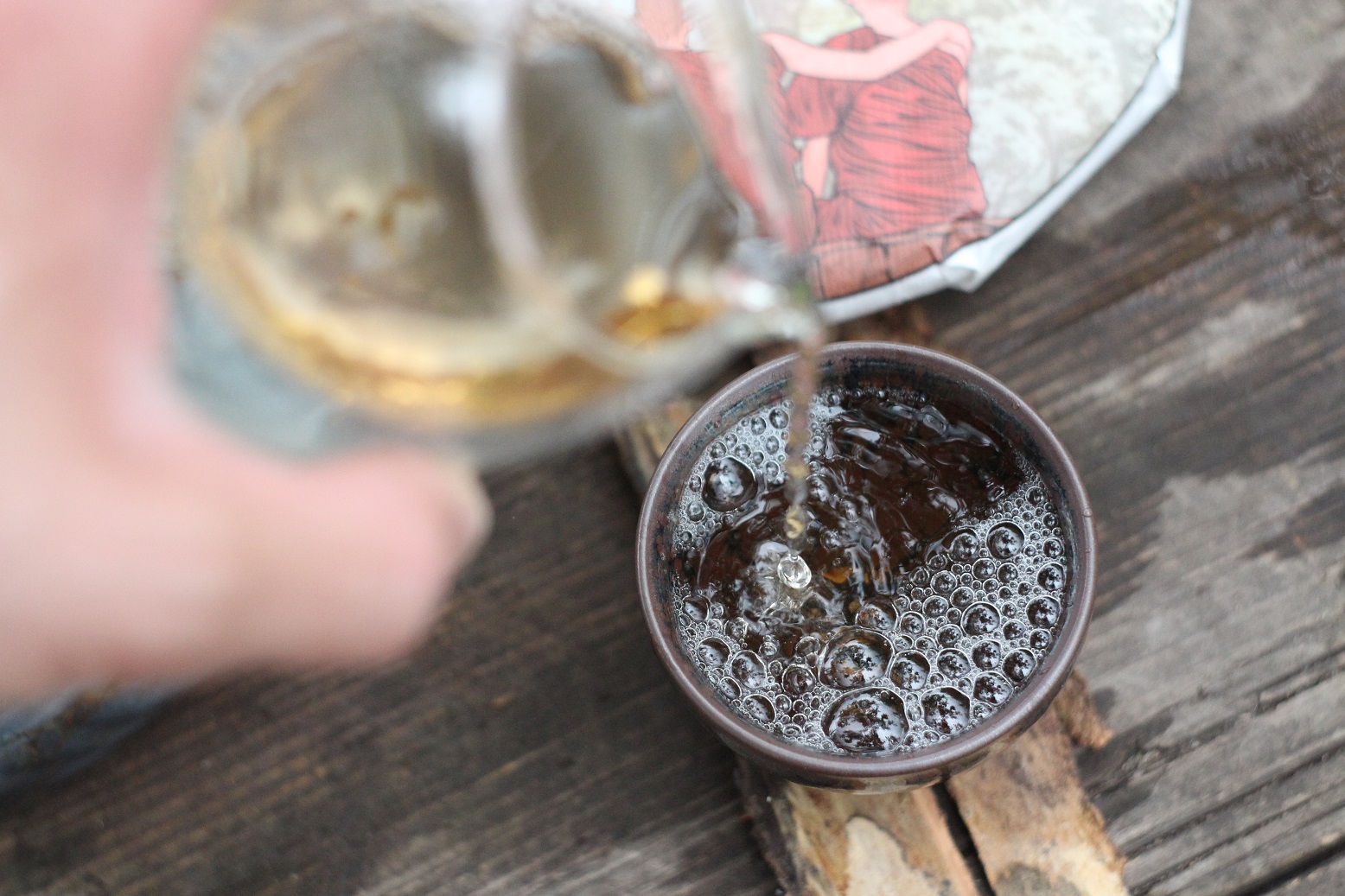
Withstands up to 9-10 steepings. The tea leaves a powerful tea state, imparting a noble, warm energy.
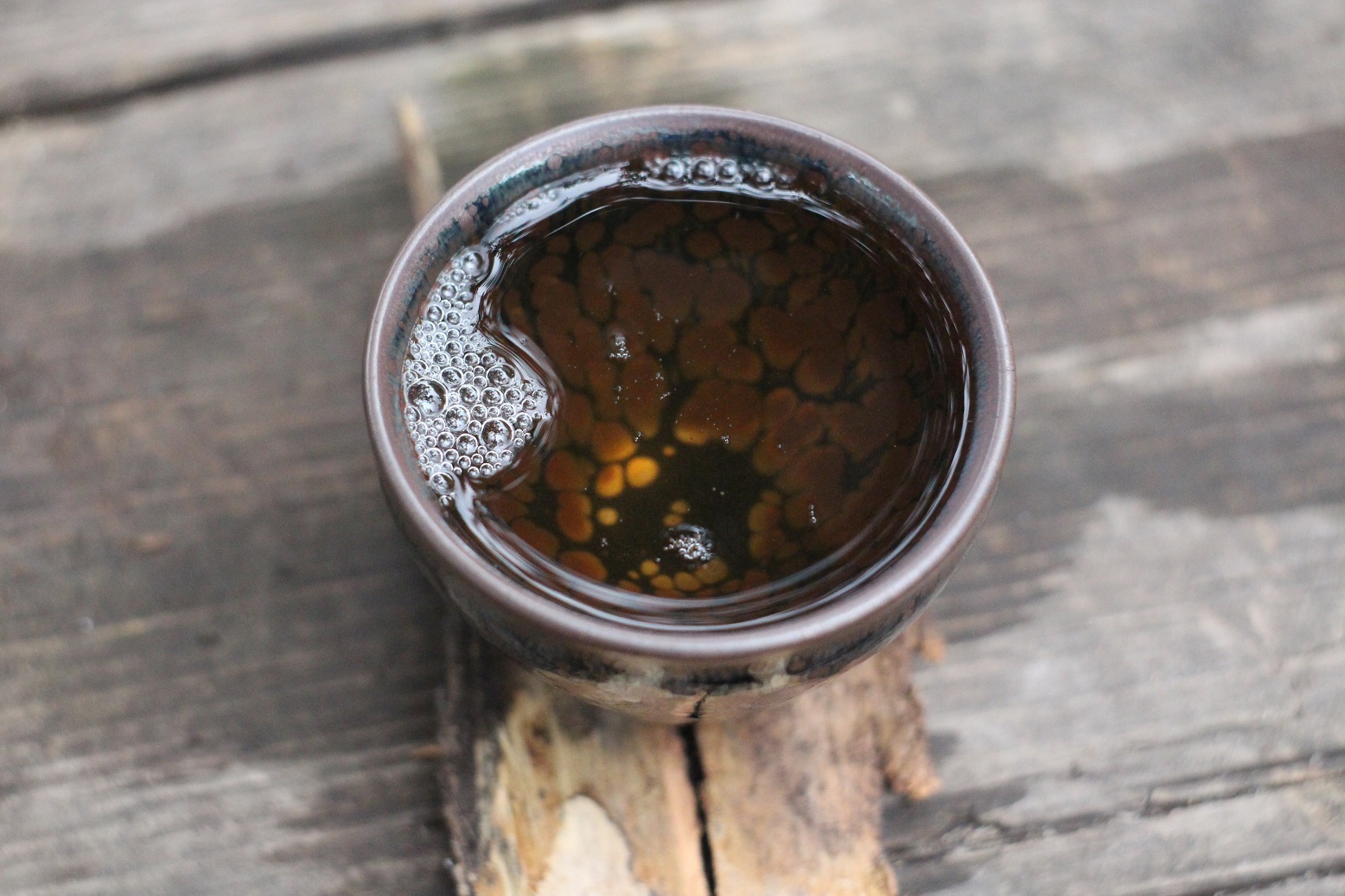
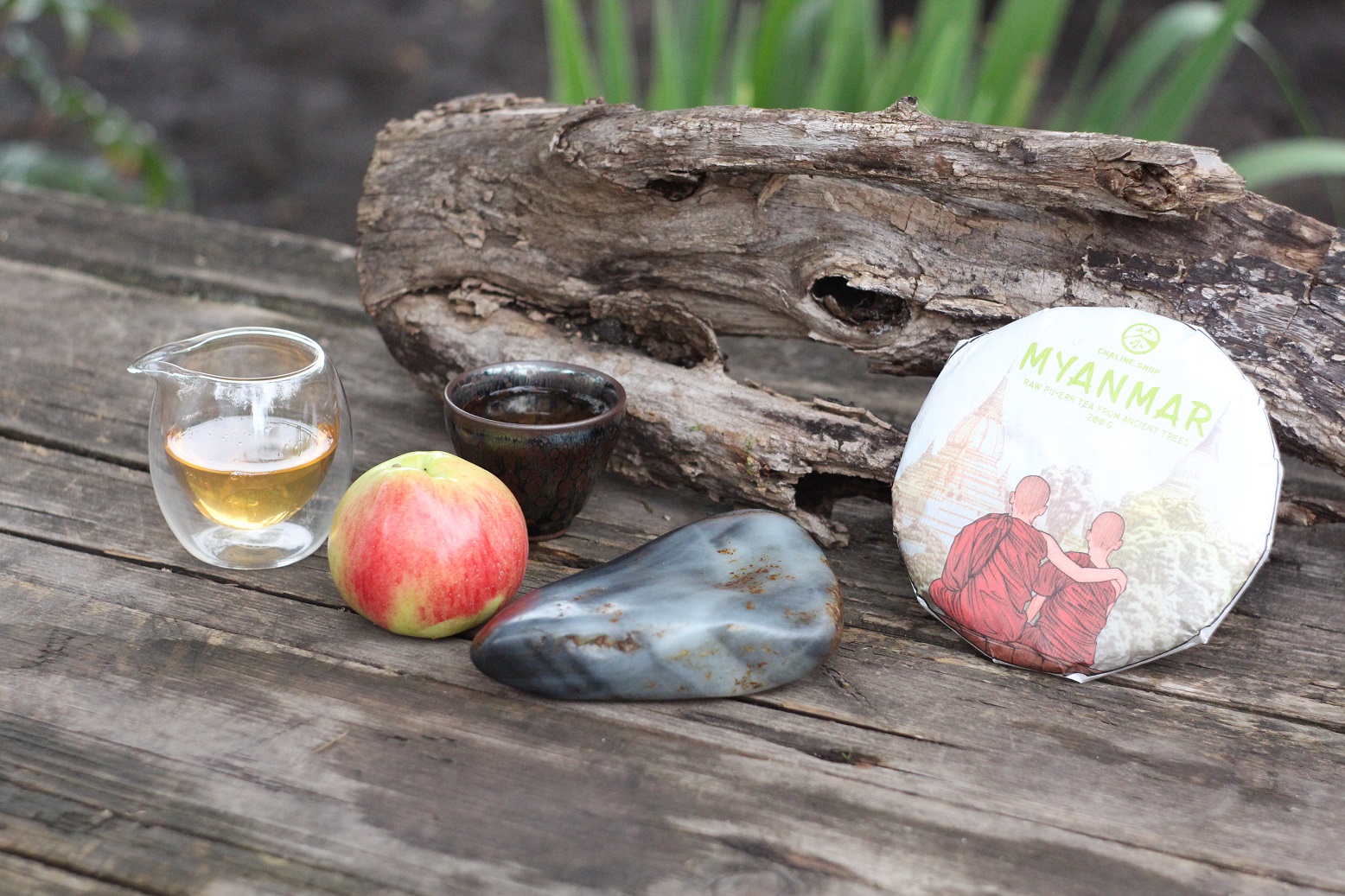
When stored properly (in a ventilated area, away from foreign odors, moisture, and light), it will transform over decades, becoming deeper, softer, and more complex.

|
Country
|
China |
|
Habitat
|
Myanmar (缅甸) |
|
Manufacturer
|
ООО "Чайная Линия" |
|
Pressing form
|
Bing Cha (Cake Tea) |
|
Fermentation method
|
Natural |
|
Type of tea raw material
|
Large trees (100-300 years) |
- Reviews
- Vkontakte
Over time, some consumers who are part of the country's "tea elite" discover mainland Chinese tea. And only a few get acquainted with Taiwanese varieties. The path of a tea person is usually long and thorny, but ultimately it leads to the King of Teas - puer. But not everyone is able to go all the way from ordinary teas to puer and appreciate its qualities.
The tea ceremony occupies a special place in the centuries-old Eastern tradition. And although the essence of this phenomenon remains constant, the nature and external manifestations of the tea ceremony in different nations have their own national characteristics. In each Chinese province, the tea ceremony and the tea used in it are varied: for example, residents of the southern provinces prefer green tea, and residents of the northern provinces - red tea, in Fujian province they more often use Oolong tea, and in Yunnan province Puer tea is widely known.


