





-
10 Saturation
-
10 Aftertaste
-
10 Aroma
-
10 Effect
-
10 Balance
-
9 Body
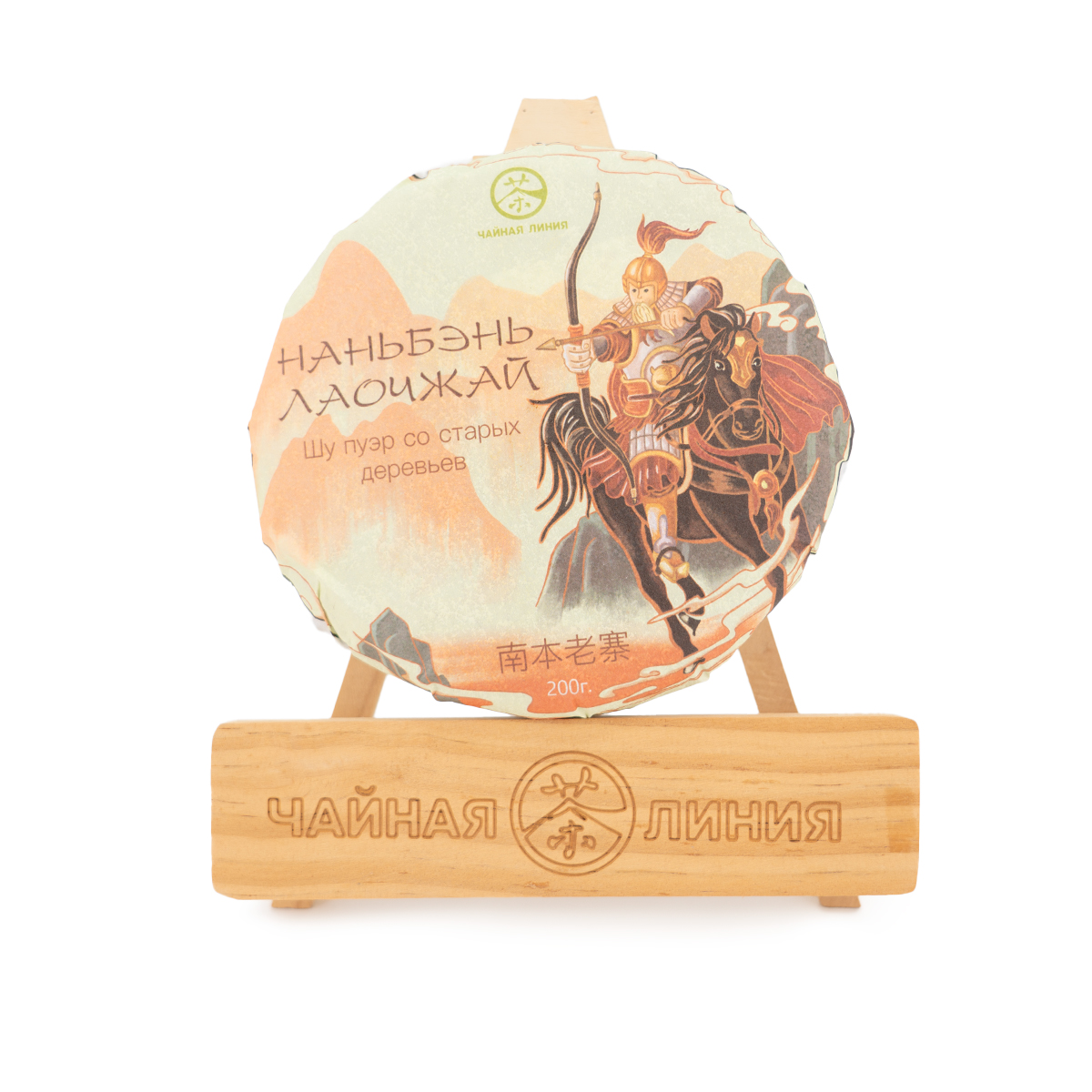
Nanben Laozhai is not just the name of a tea, but a whole history woven from centuries-old traditions, the unique climate and fertile soil of the Yunnan mountains.
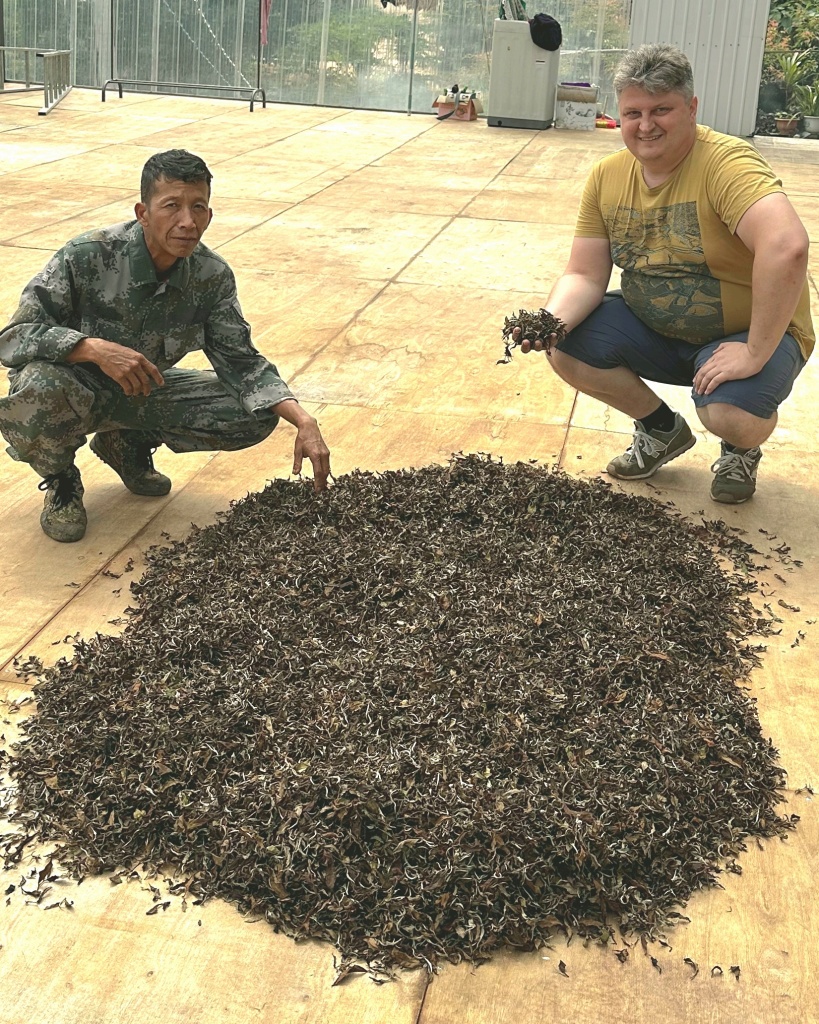
The raw material used for production was collected from ancient trees in the Mengsong Mountains in the Nanben Laozhai area and processed to the sheng state by master Hei Ki (Chinese: 黑克, pinyin: hēikè).
We've come to love the raw materials from these areas and have been regularly importing them since 2019. Master Hei Qi was born in 1979. He has been growing tea and producing sheng pu'er tea near the village of Nanben Laozhai since the age of 20. His family owns tea gardens covering over 40 mu, home to approximately 200 ancient pu'er trees.

We entrusted the fermentation of this exclusive raw material to Master Zhang Dechun (Chinese: 张德春, pinyin: zhāng déchūn), who has 19 years of experience fermenting shu pu'er tea. During his tea career, he worked as a technologist at the Yulin Gushucha tea factory (Chinese: 雨林古树茶, pinyin: yǔlín gǔshù chá), and currently works at the Xinhai factory (Chinese: 鑫海茶厂, pinyin: xīnhǎi cháchǎng).

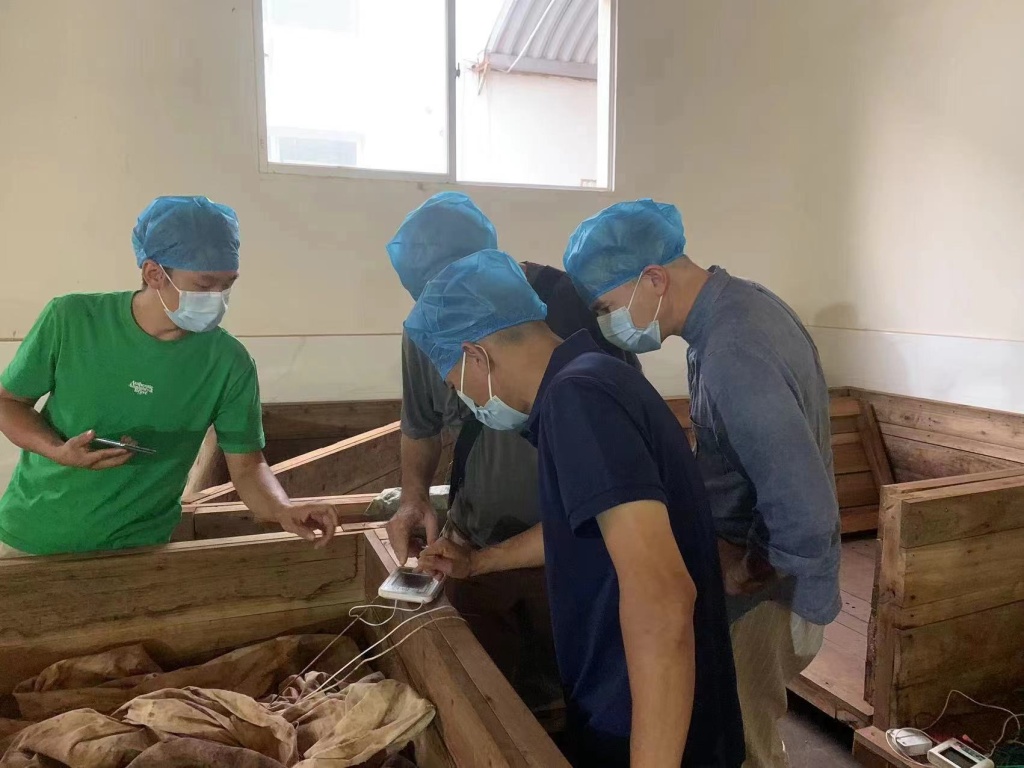
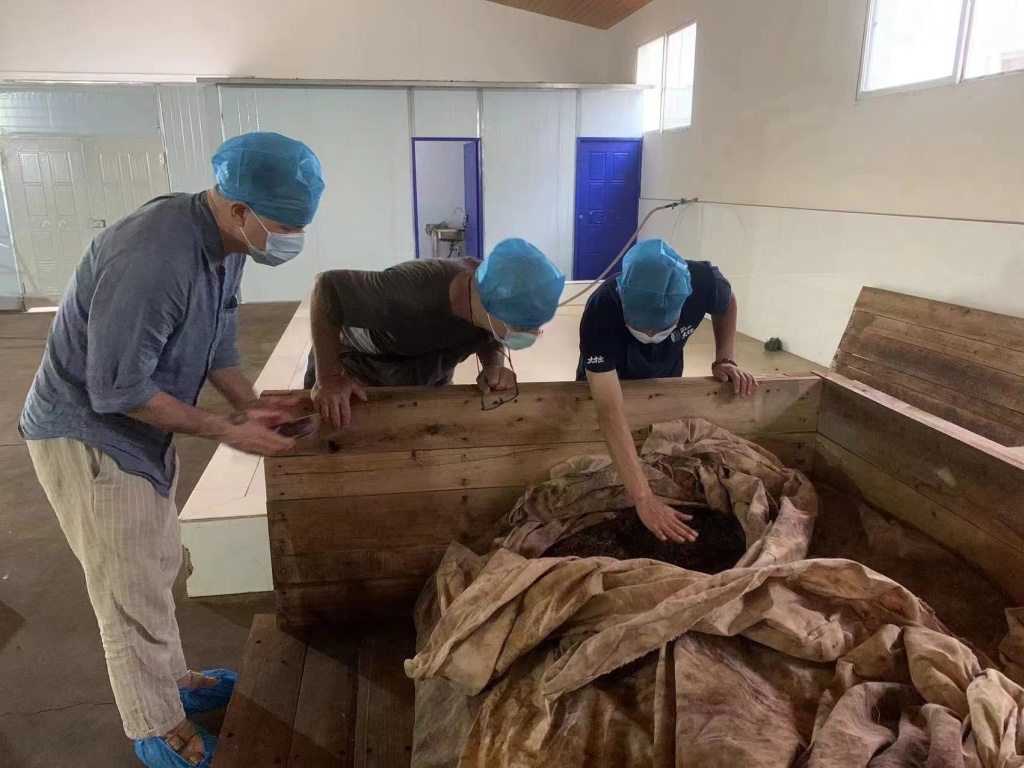
Mr. Zhang Dechun also owns a small tea fermentation plant called Chunla Xi'an (Chinese: 春腊习验 pinyin: chūnlà xíyàn). This plant is where the collected raw materials for our signature Shu Pu'erh were fermented. Fermentation is carried out in small baskets (also known as lift-off fermentation).
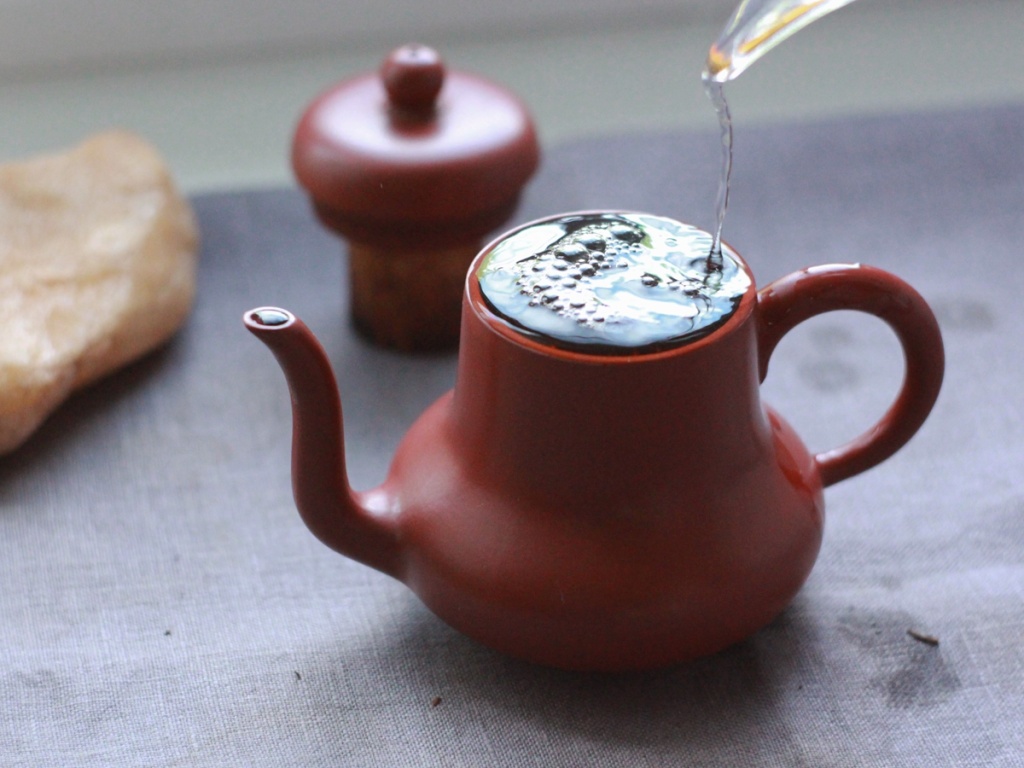
This pu-erh tea turns the traditional notion of shu on its head. The powerful aroma of hazelnuts, spices, coffee, and halva penetrates even through the double packaging.
The flavor is multifaceted, woody, with berry, coffee, and creamy notes. The infusion is oily and viscous. The infusion is a captivating red color, perfectly clear. The tea intoxicates with its sobriety, invigorating gently but lastingly. Its subtle effects are noticeable.
This exclusive, collectible Shu Pu-erh is the result of meticulous selection of raw materials and the expertise of experienced tea specialists. It has a rich flavor profile and profound effects on the body, making it a prized possession for collectors and lovers of high-quality tea.

|
Name in Chinese
|
南本老寨老熟普洱 |
|
Pinyin
|
nánběn lǎozhài lǎoshù shú pǔ'ěr |
|
Translation
|
Shu pu'er from old trees from Nanben village |
|
Country
|
China |
|
Provinces
|
Yunnan (云南) |
|
Habitat
|
Наньбэнь Лаочжай (南本老寨, Nánběn lǎozhài) |
|
Altitude
?
Height in meters |
1702 |
|
Manufacturer
|
ООО "Чайная Линия" |
|
Pressing form
|
Bing Cha (Cake Tea) |
|
Declared weight, g
|
200 |
|
Fermentation method
|
With a lift-off from the ground |
|
Type of tea raw material
|
Old trees (300-500 years) |
|
The tea is suitable.
|
for evening tea (calming), for the tea ceremony (ceremonial), to alter consciousness (intoxicating tea), to perk up (morning) |
- Reviews
- Vkontakte
Over time, some consumers who are part of the country's "tea elite" discover mainland Chinese tea. And only a few get acquainted with Taiwanese varieties. The path of a tea person is usually long and thorny, but ultimately it leads to the King of Teas - puer. But not everyone is able to go all the way from ordinary teas to puer and appreciate its qualities.
The tea ceremony occupies a special place in the centuries-old Eastern tradition. And although the essence of this phenomenon remains constant, the nature and external manifestations of the tea ceremony in different nations have their own national characteristics. In each Chinese province, the tea ceremony and the tea used in it are varied: for example, residents of the southern provinces prefer green tea, and residents of the northern provinces - red tea, in Fujian province they more often use Oolong tea, and in Yunnan province Puer tea is widely known.
Need a consultation?
Our specialists will answer any question of interest


