





-
8 Saturation
-
8 Aftertaste
-
10 Aroma
-
9 Effect
-
6 Balance
-
9 Body
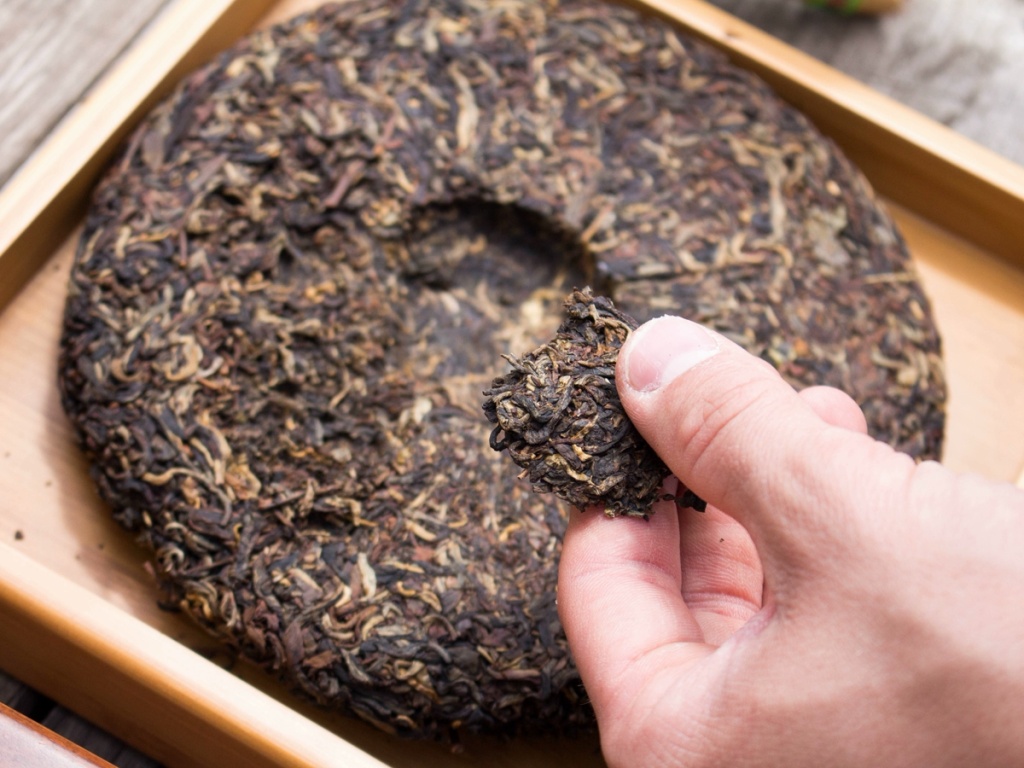
"Mengsun Shaikhun" is a Chinese red tea, carefully pressed into a 200-gram cake in colorful packaging and prepared using a relatively new technology of drying raw materials under the open rays of the sun.
When warmed, the breath reveals a fresh, velvety aroma with notes of dried herbs, wildflower honey, and hints of spices. After rinsing, the scent is infused with hints of dried rose petals and warm wheat bread.
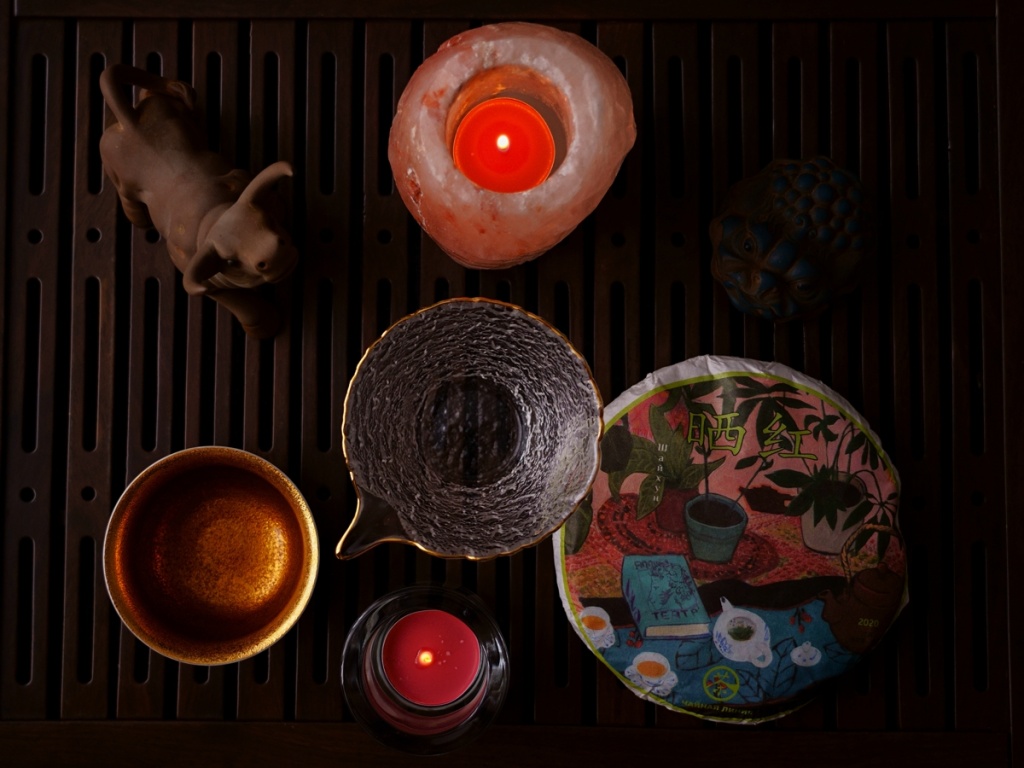
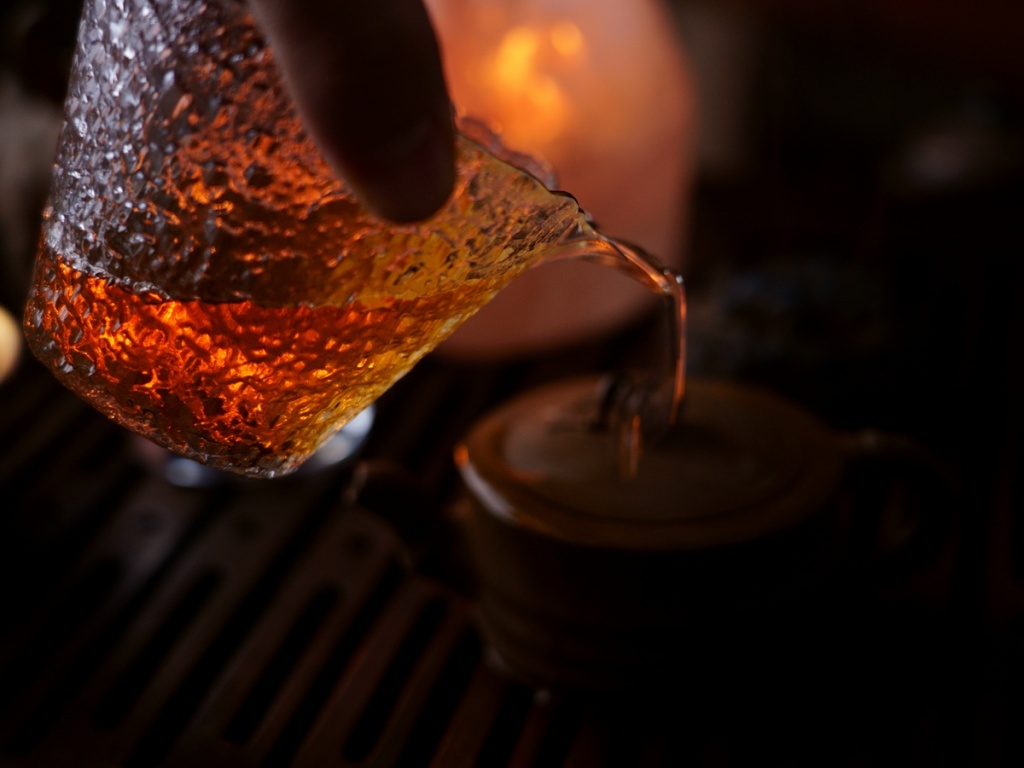
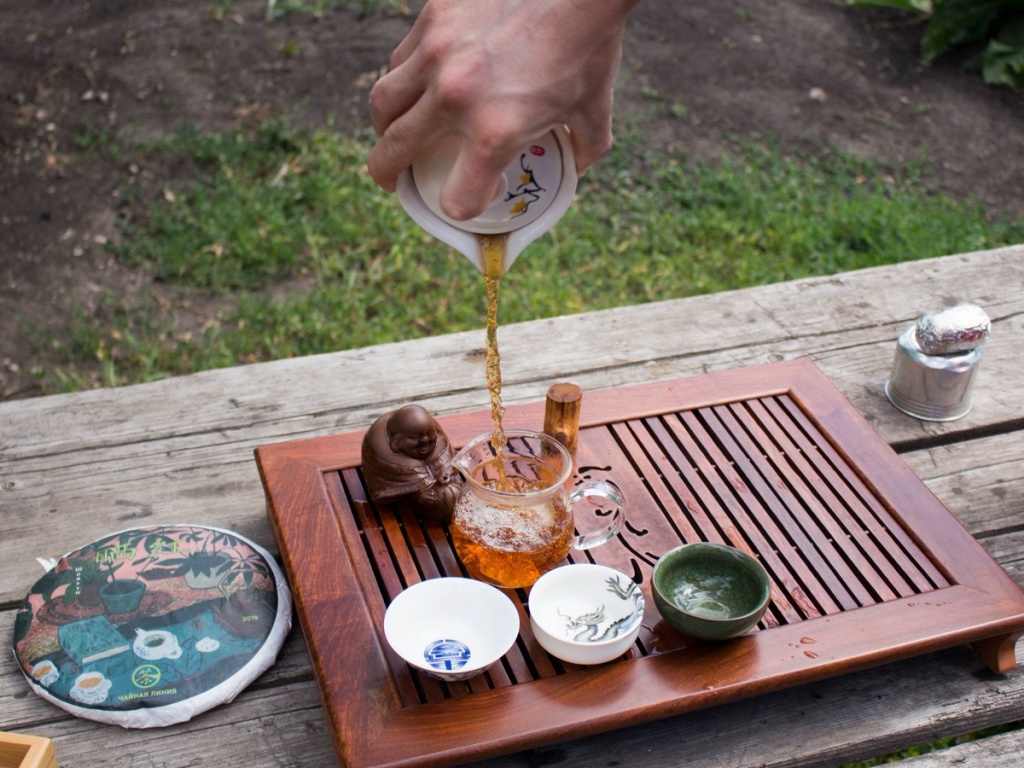
The finished infusion is soft and delicate, slightly oily and sweet. Herbal and honey notes, a slight tartness, and hints of spice are clearly noticeable. A subtle tartness is added by the third steeping, bringing with it woody notes. The tea withstands five full steepings, reaching a dark amber color with a shiny bronze hue. The aftertaste is moderate and refreshing, filled with hints of ripe berries, wildflowers, and honey.
The most suitable teaware for brewing this tea is a thick-walled Yixing clay teapot, which is capable of maximizing and conveying the full flavor palette and all the nuances of aroma.
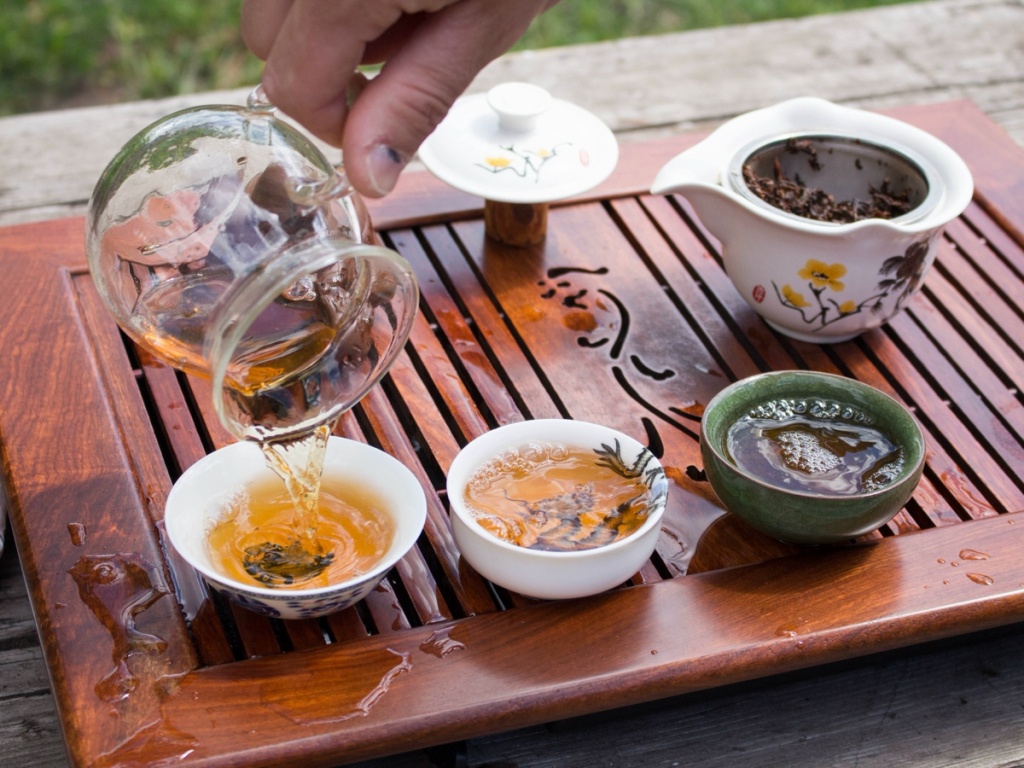
Ancient pu'erh trees from the Mengsong Mountains have accumulated Cha Qi (tea energy) in their leaves for many years. This energy is actively expressed during tea drinking: the tea warms perfectly, creates a feeling of comfort and calm, gently invigorates, and makes you pause and reflect. It perfectly clears the mind, calms the nervous system, and promotes longevity.
"Mensun Shaikhun" from the "Tea Line" brand is an exclusive tea, delicious and harmonious, which will remind you of the warm rays of the summer sun during tea parties in the cold season.

Shaikhong, 晒红, is a red tea that is naturally sun-dried, creating a powerful, unique flavor and aging potential.
The aroma of dry tea leaves is assertive, berry-wine, subtle and sweet, with a note of fortified dessert red wine.
After the first flush, Shaikhun reveals a velvety and soft aroma with tobacco, wine, floral notes, and hints of clove and menthol.
The taste of the brewed tea is silky, moderately sweet, with a very soft bitterness, a wine trail and a berry-floral palette.
By the fourth infusion, wild rosehip blossoms emerge with a pleasant bitterness and slight astringency. This tea can be steeped up to seven times, at a ratio of 6-8 g per 150-200 ml in a Yixing clay teapot or gaiwan. The aftertaste is fleeting and slightly sweet, wine-like immediately after the first sip and slightly tart over time.
This tea is very beautiful when steeped: the powerful dark orange tones immediately catch the eye, forcing you to gaze long and hard into its depth and transparency.
Shaikhong red tea, picked from the pu-erh trees of the Mengsong Mountains, is very sobering, clears the mind, and helps with concentration and focus. It warms from the inside, gently invigorates, and relaxes at the same time.
A new shaikhun tea bag weighs 200 grams, making it very convenient. It's perfect for both storage and daily tea drinking. As it ages, the tea will develop new nuances of flavor and aroma, transforming its effect.
|
Name in Chinese
|
勐宋晒红 |
|
Pinyin
|
měngsòng shài hóng |
|
Translation
|
Red tea from the pu-erh trees of Mengsong |
|
Tea variety
|
Шайхун |
|
Country
|
Китай |
|
District
|
Xishuangbanna Dai Autonomous Prefecture |
|
Provinces
|
Юньнань (云南) |
|
Region
|
Мэнхай (勐海) |
|
Habitat
|
Мэнсун (勐宋, měngsòng) |
|
Manufacturer
|
ООО "Чайная Линия" |
|
Pressing form
|
Бин Ча (блин) |
|
Declared weight, g
|
200 |
|
Type of tea raw material
|
Young trees (50-100 years) |
- Reviews
- Vkontakte
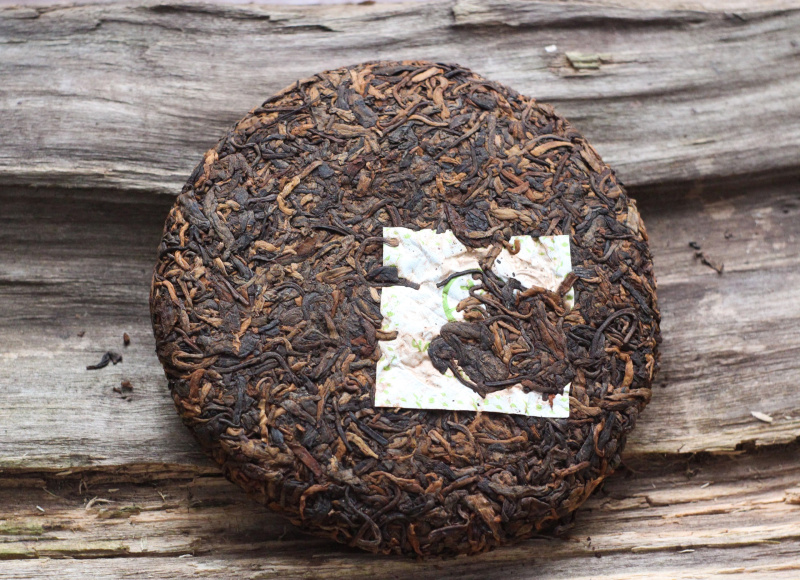
Pu-erh is one of the most unique types of tea, which only gets better with age. Many people, when they first encounter this tea, wondered: why is pu-erh more often found in pressed form (cakes, bricks, tochas), and not in loose form? The reasons for this are related to both history and the practical aspects of storing and fermenting tea. Despite modern technologies that allow the production of loose pu-erh, the shape of pressed cakes remains unchanged. And pu-erh is more often found on sale in pressed form, for example, in the form of cakes or bricks, and loose pu-erh is less common. We will talk about the reasons for pressing pu-erh into cakes in this article.
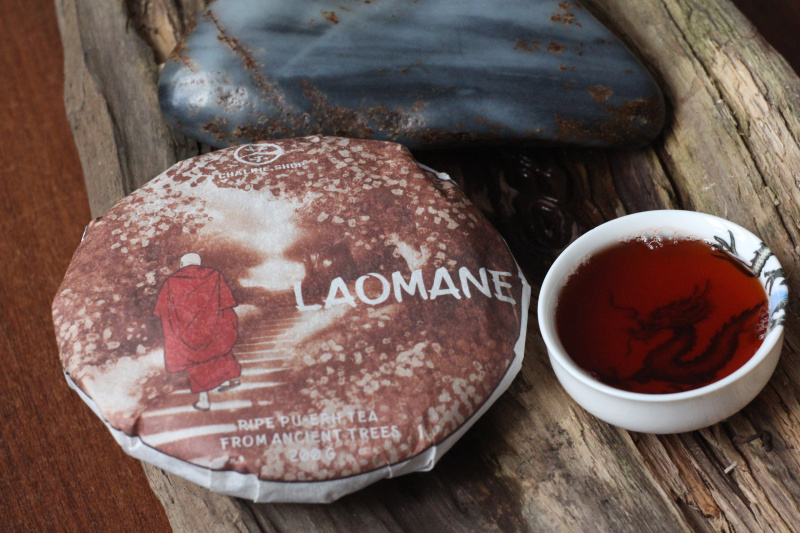
Puer is a unique Chinese tea that is distinguished by its depth of taste, complexity of aromas and versatility of aftertaste. Its taste characteristics are formed under the influence of many factors, from growing conditions to the brewing method. Let's look at the main ones.
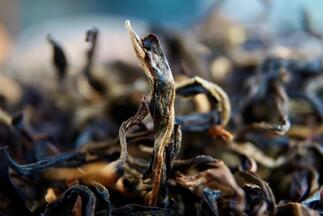
It is a type of red tea from Yunnan province, and appeared on the market relatively recently, in 2014. A year later, the new product began to be actively discussed in the media, and a year later, almost every tea factory in the region presented its own version of shai hong.
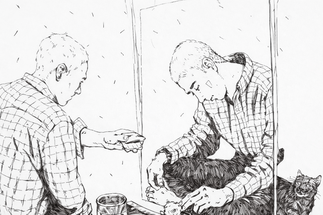
Several years ago, the Tea Line team met the Krasnoyarsk artist Nikolay Leushin. Nikolay Leushin draws different things depending on his mood, but his works inspired by Chinese tea and tea culture are of the greatest interest to us. All these years, Nikolay Leushin's works have been decorating the Krasnoyarsk Tea Line, helping to create an atmosphere, and sometimes visitors buy them and take them home or as gifts.
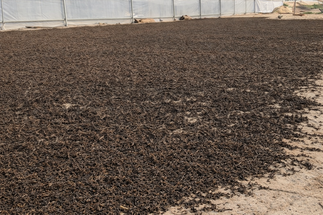
And so, our tea journey brought us to Mount Mengsun! The ecology and enchanting beauty of this place is simply amazing! We came to select raw materials for our signature pancakes and personally attend all stages of tea leaf collection and fermentation. We also got acquainted with the life of tea workers and our friends, who warmly welcomed us and showed us everything!
Need a consultation?
Our specialists will answer any question of interest


