




-
0 Saturation
-
0 Aftertaste
-
0 Aroma
-
0 Effect
-
0 Balance
-
0 Body
Tea from Nanben Laozhai village is not yet well-known on the market, and a road link between the village and the city was only built in 2010. The surrounding area is home to many large, ancient tea trees (500 acres or 202.3 hectares) over 200 years old, which were recently discovered and grow in the wild without human intervention.
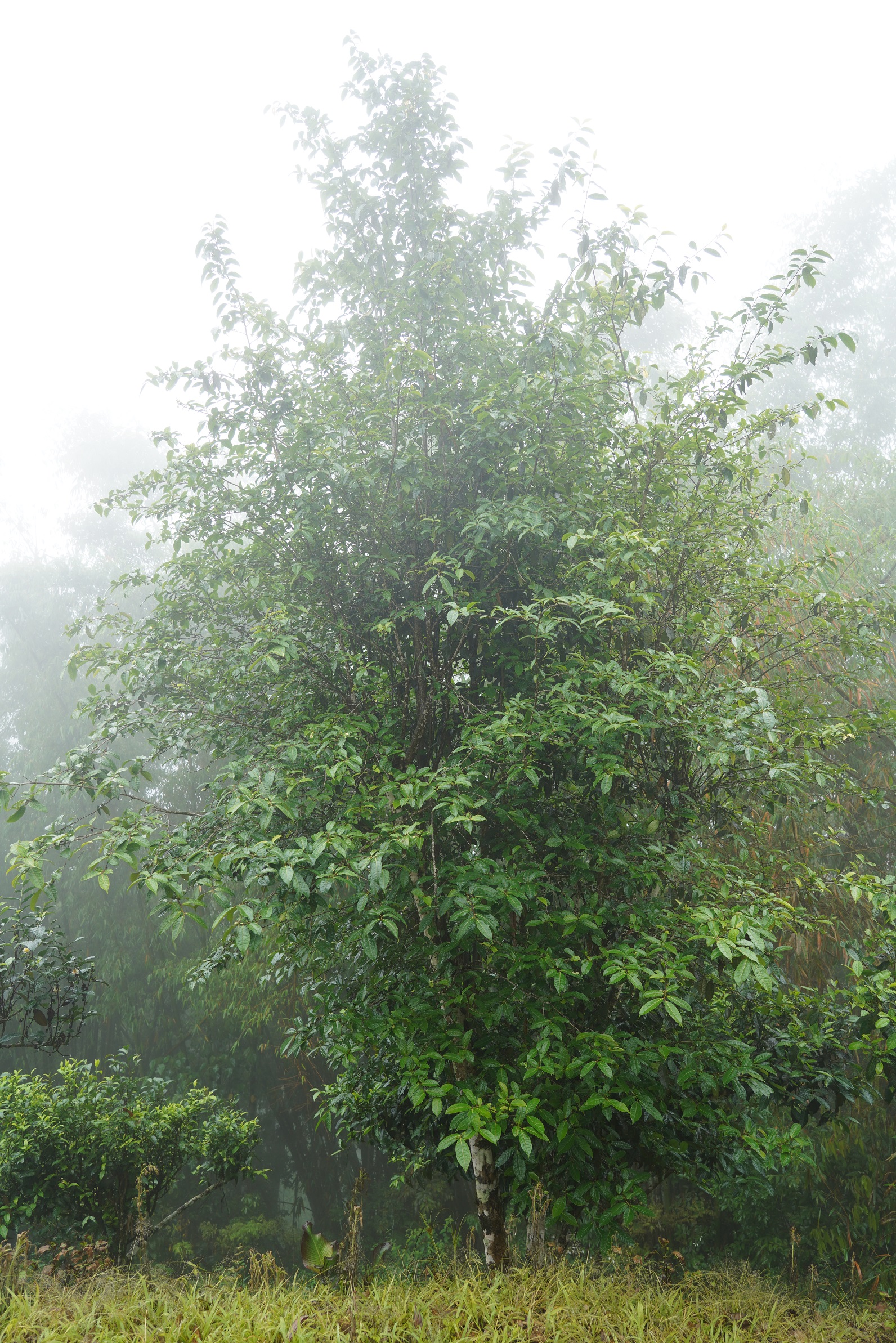
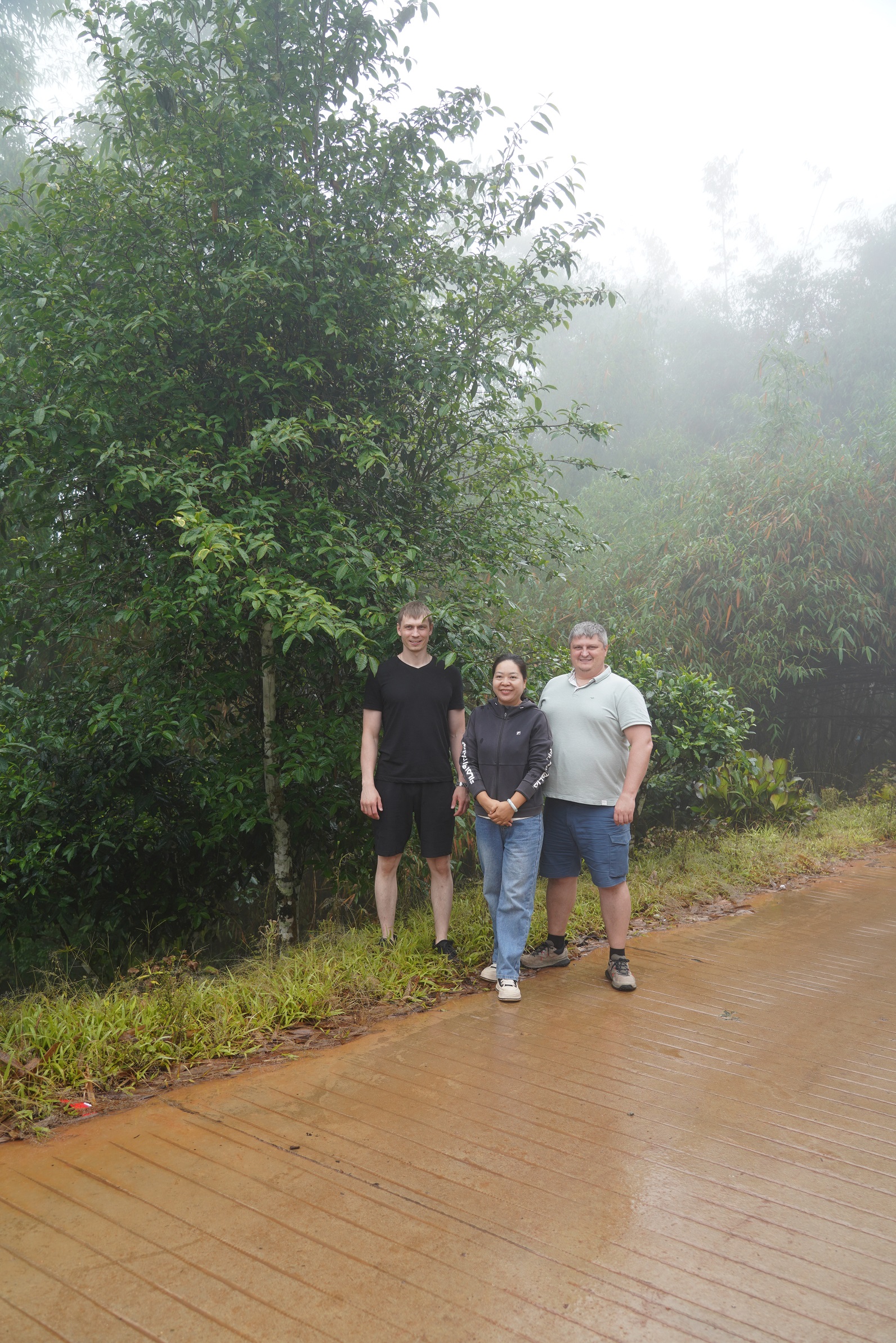
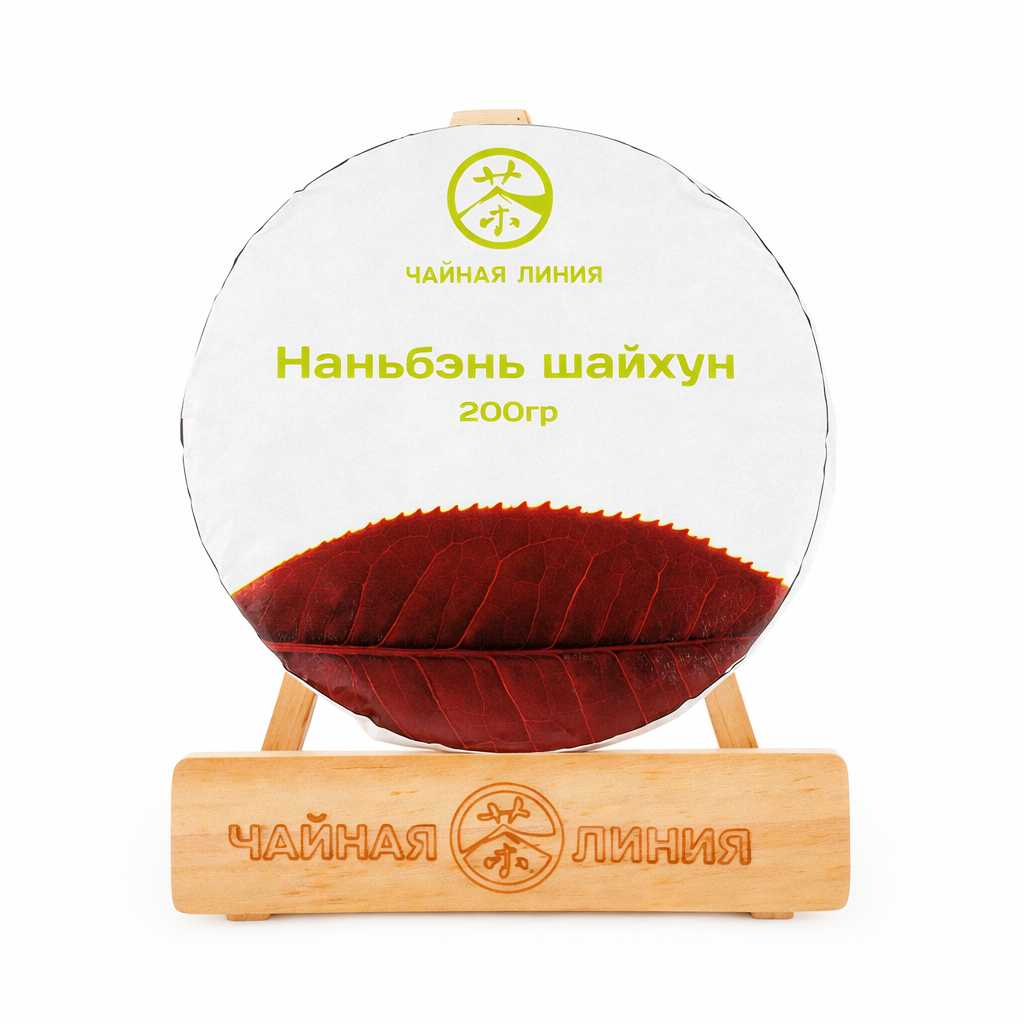
To produce this shaikhun, we used tea leaves harvested in the spring of 2025 from ancient tea trees up to 300 years old. The raw materials are uniform and unblended.
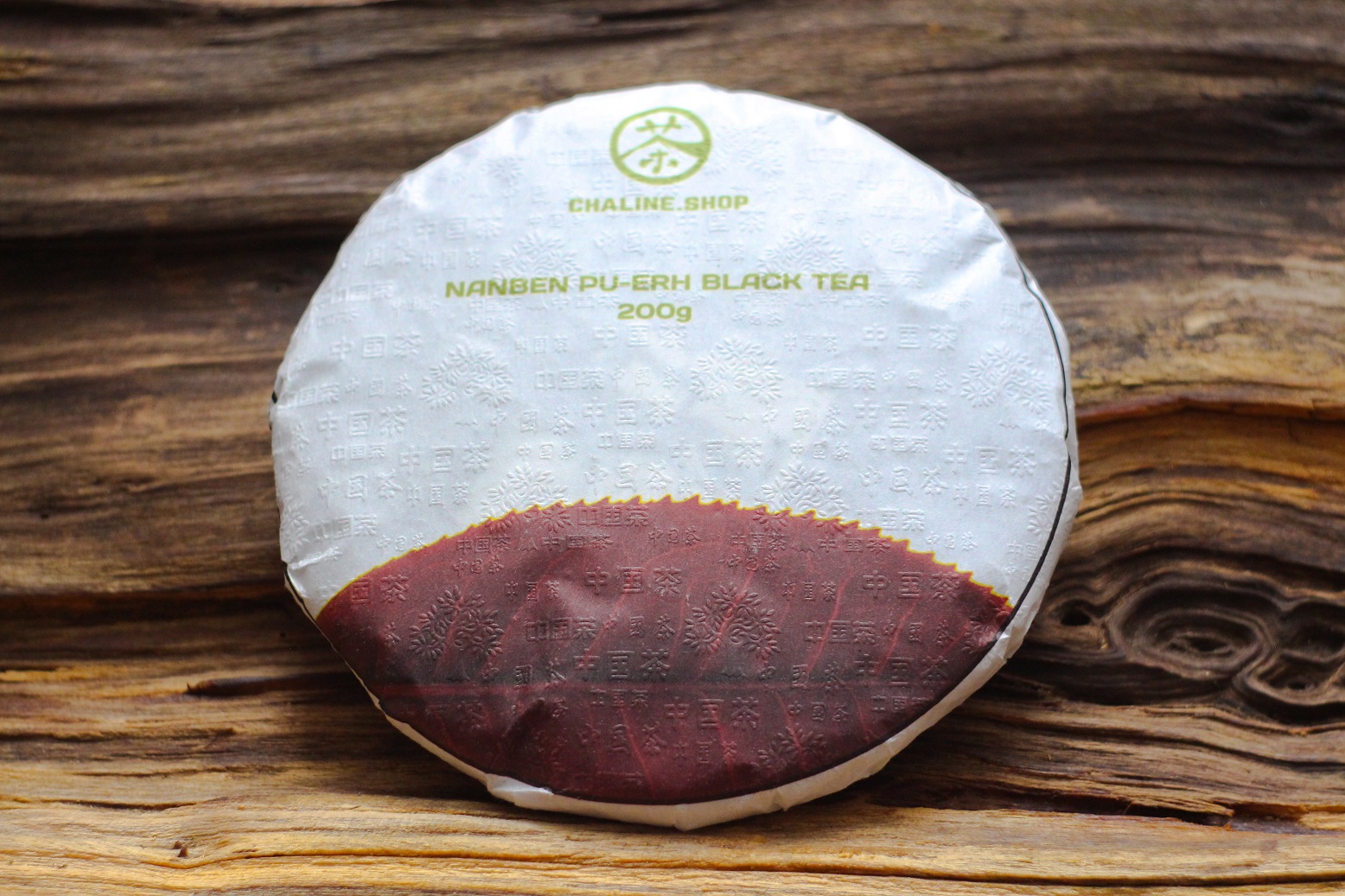
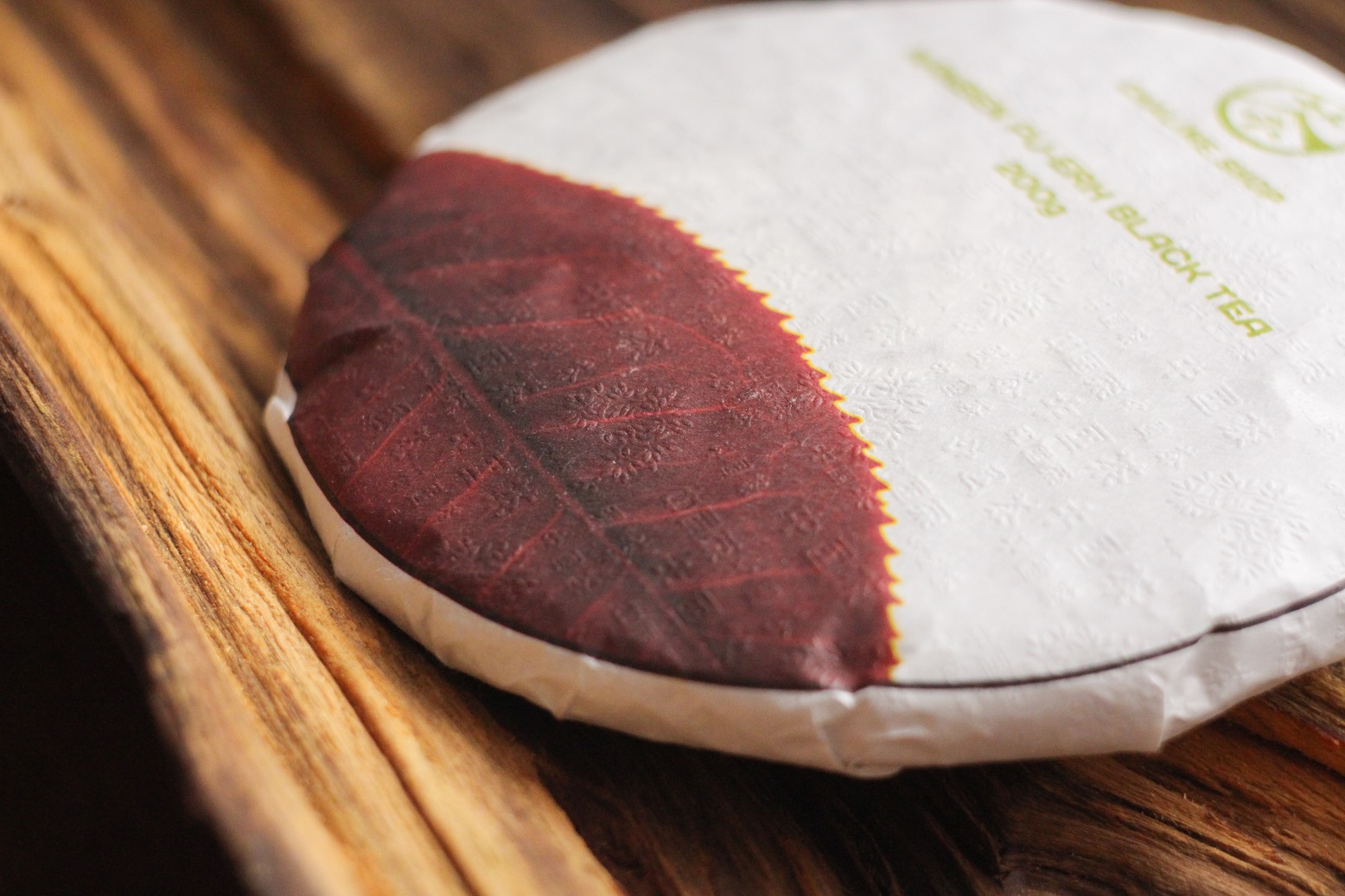
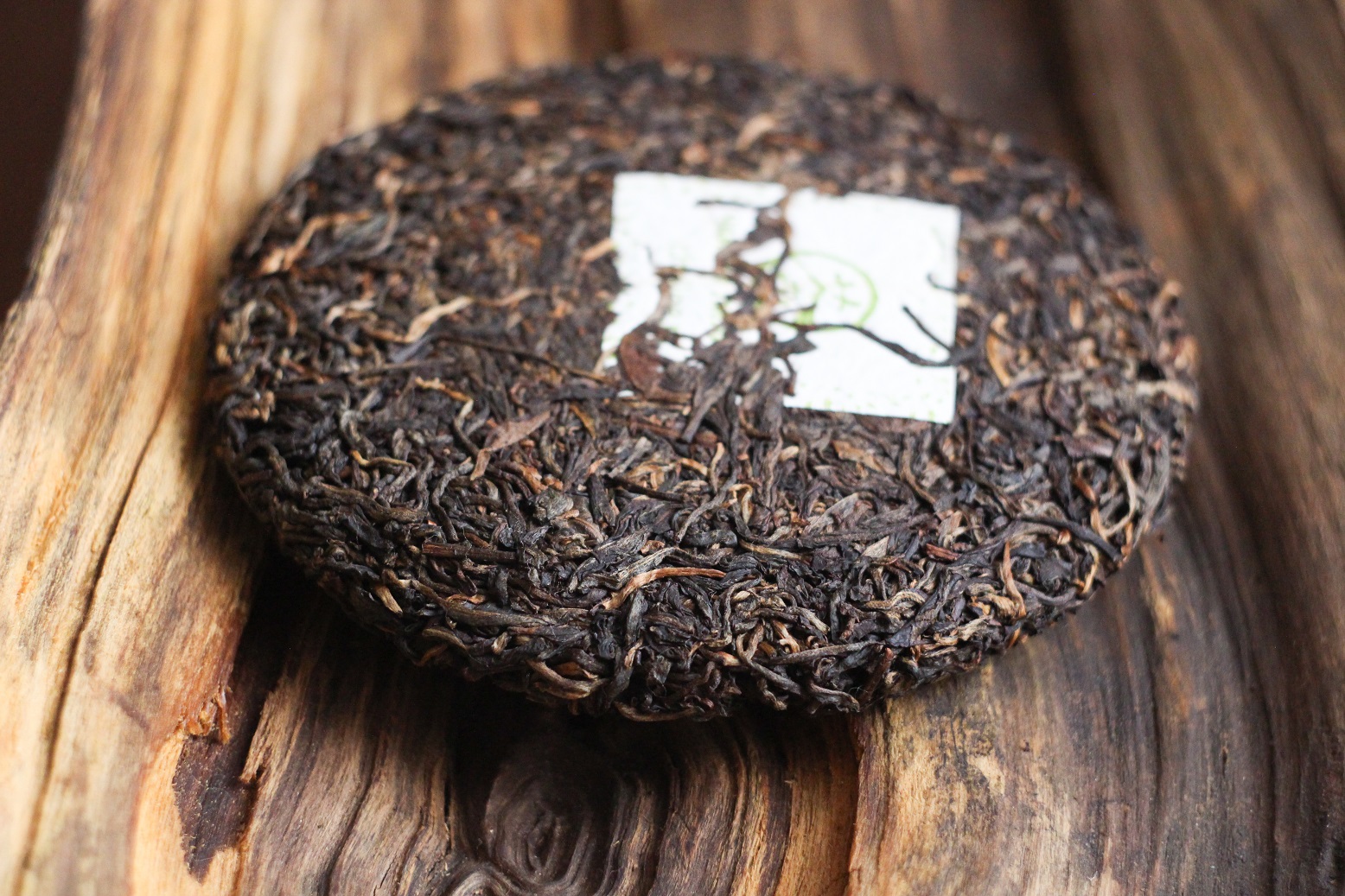
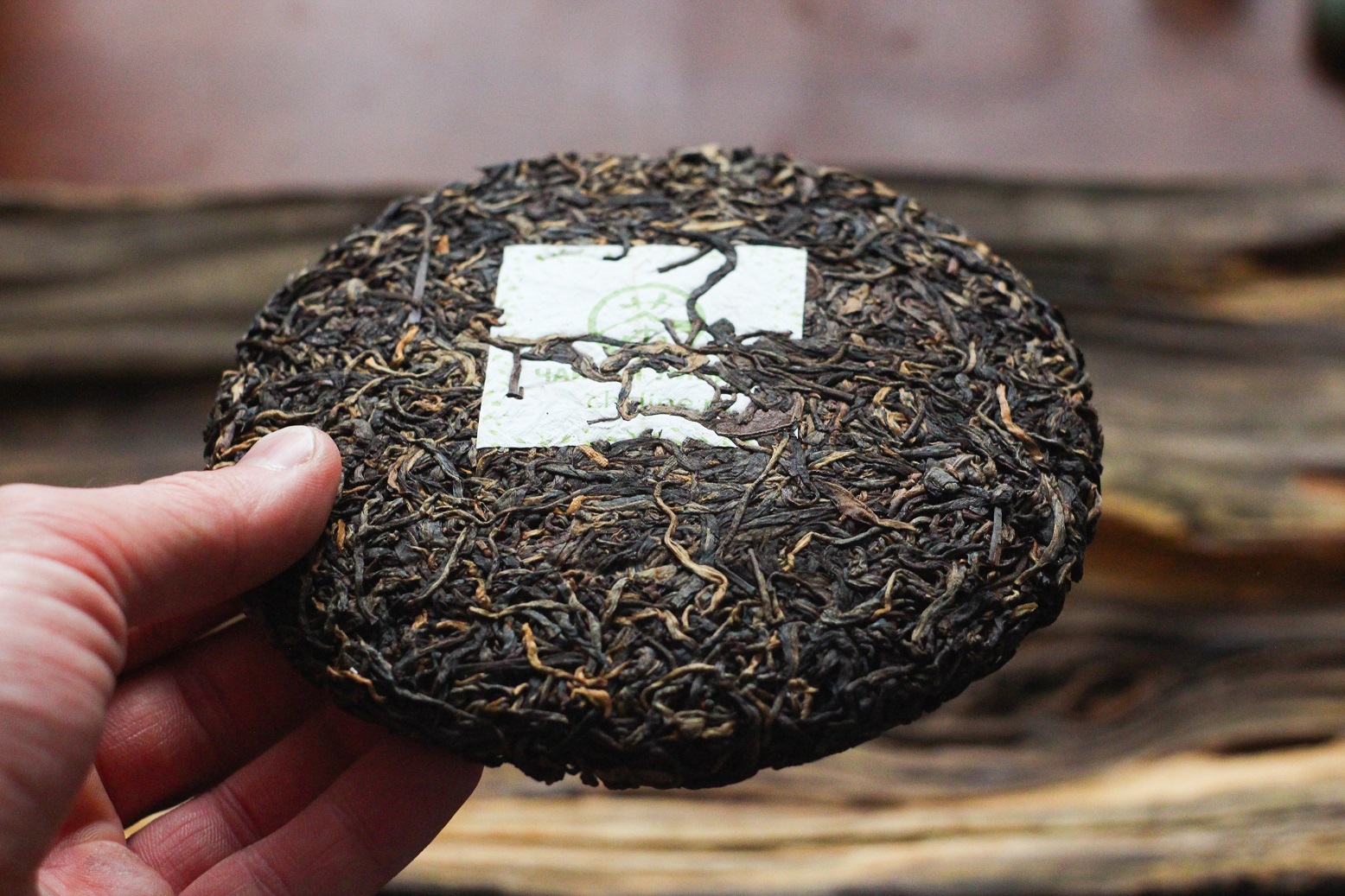
The tea changes interestingly from steep to steep. At first, it's oak wood and leather. In the second steep, sugary notes, apricot kernel, and cognac emerge. In the third and fourth steeps, fresh lily and lilac emerge against a delicate woody background.
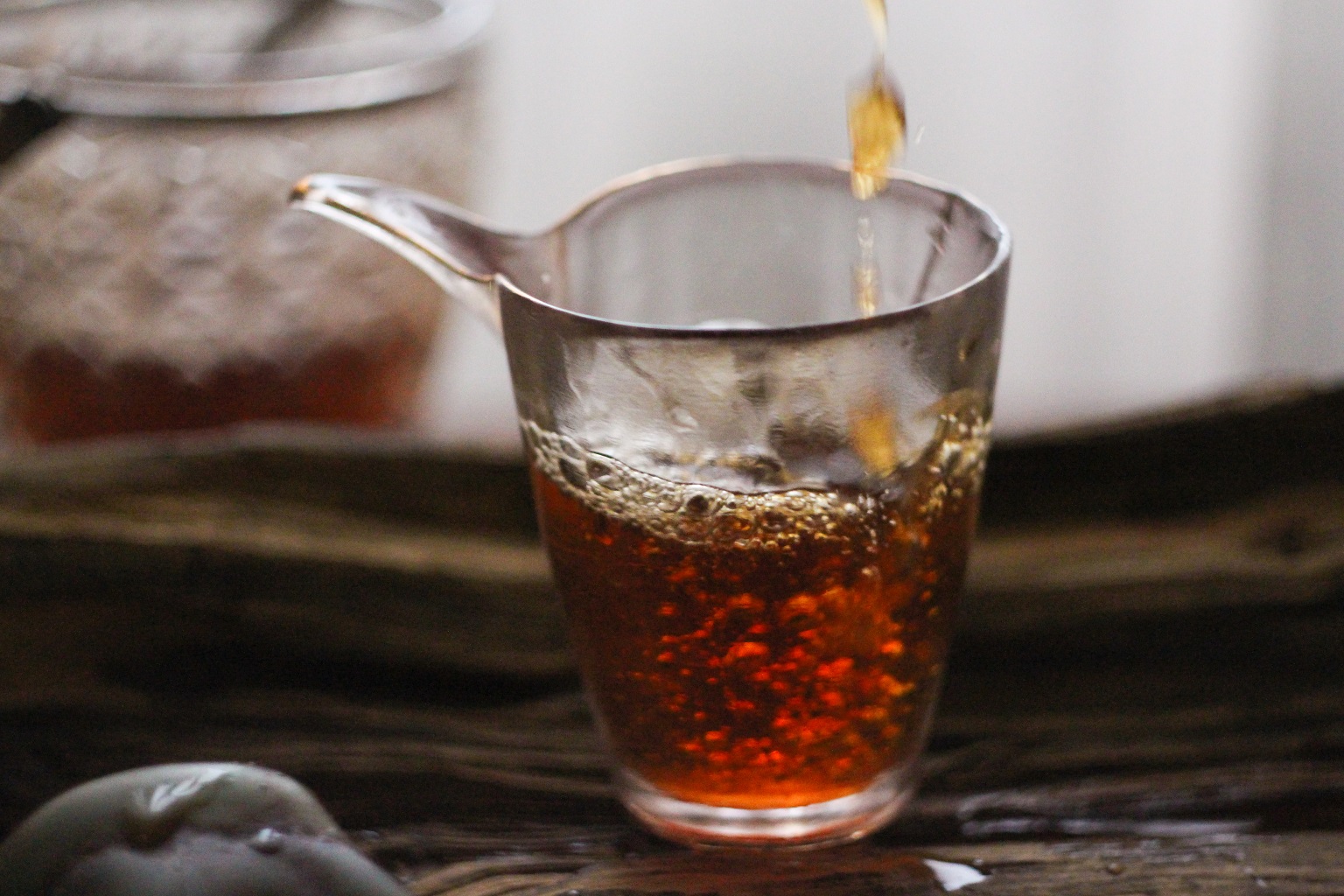
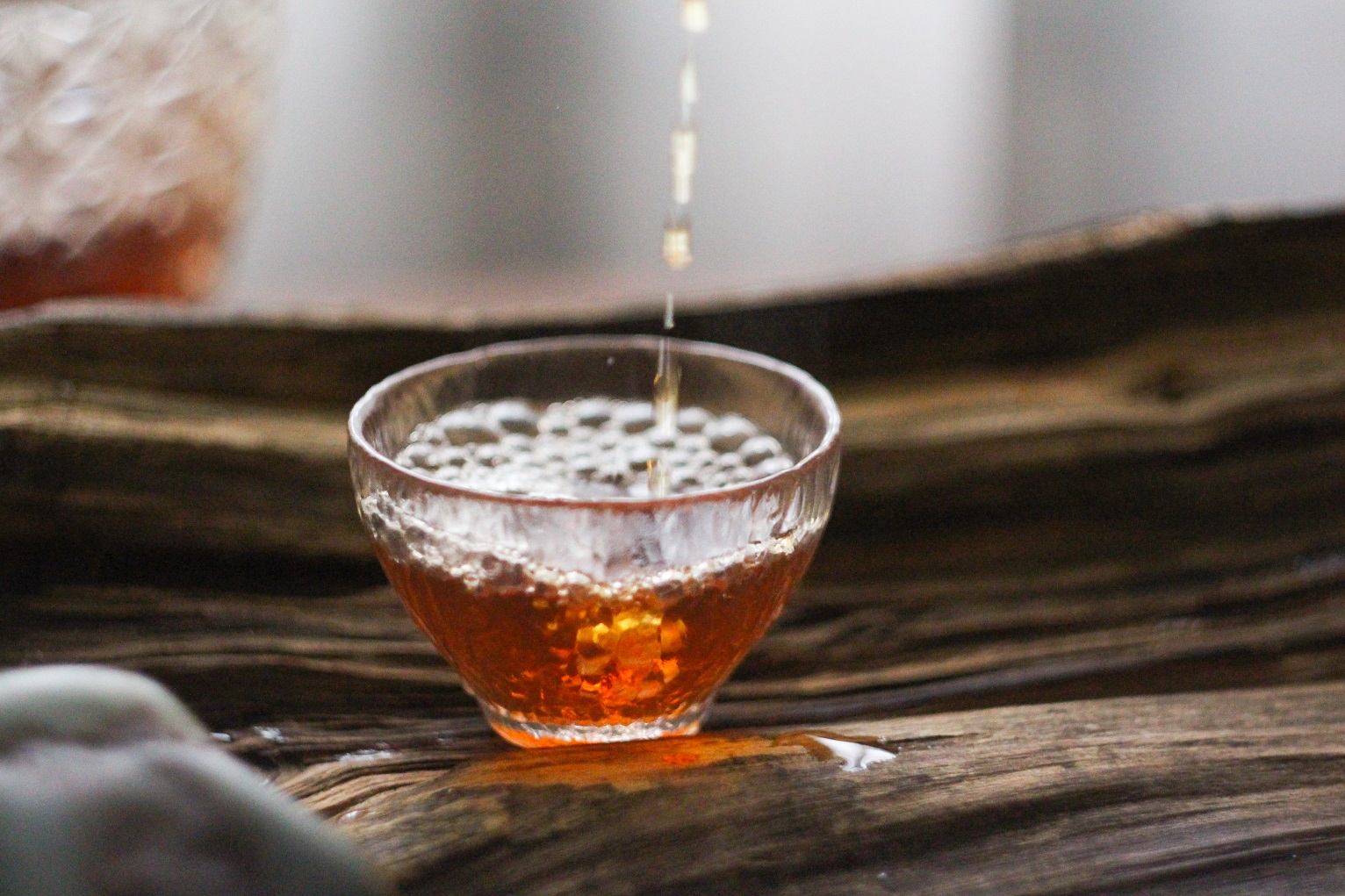
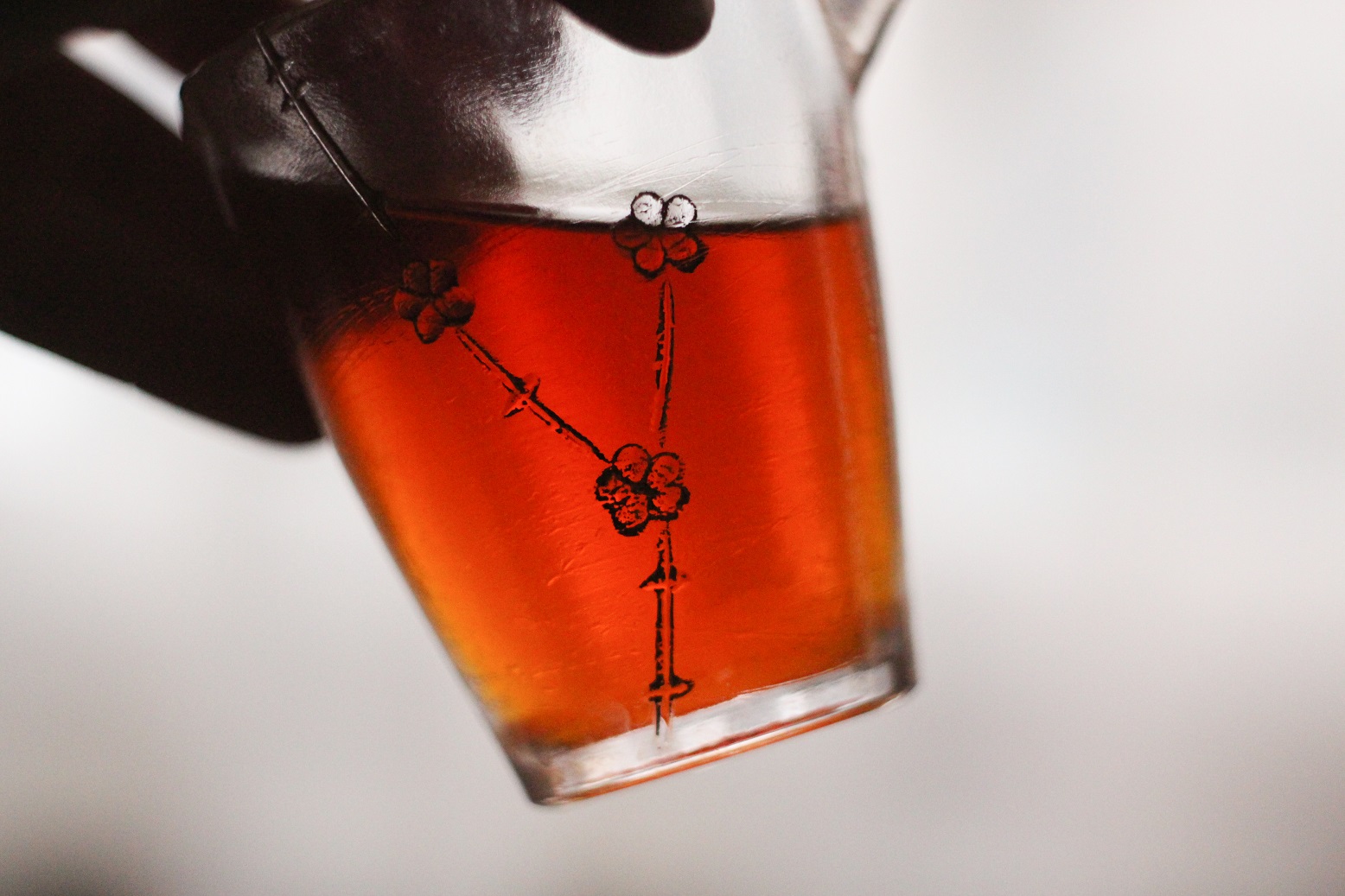
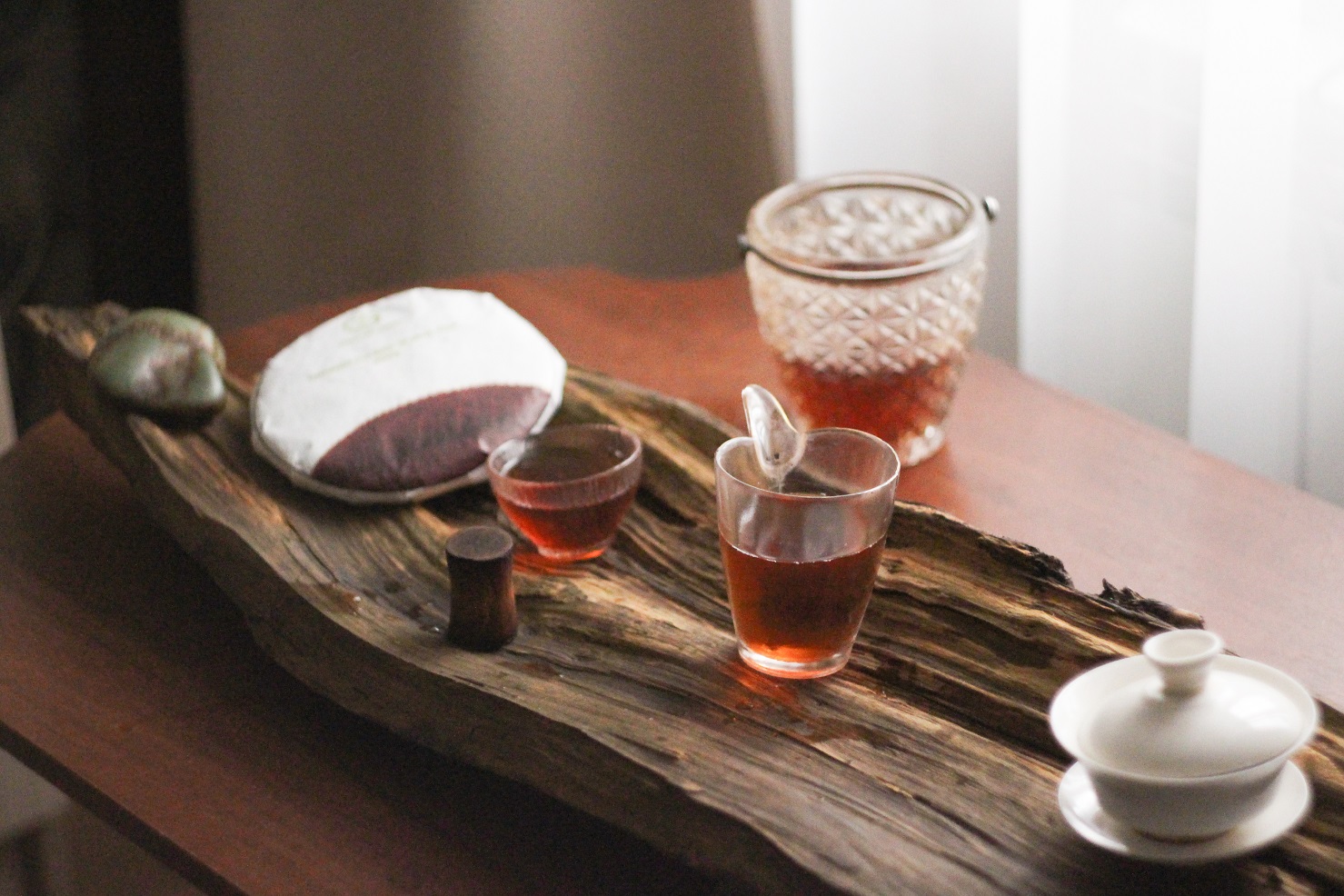
Medium body, moderate astringency, woody-berry finish, slightly sweet. Floral and sugary notes linger in the mouth.
An original, warming and very strong tea.
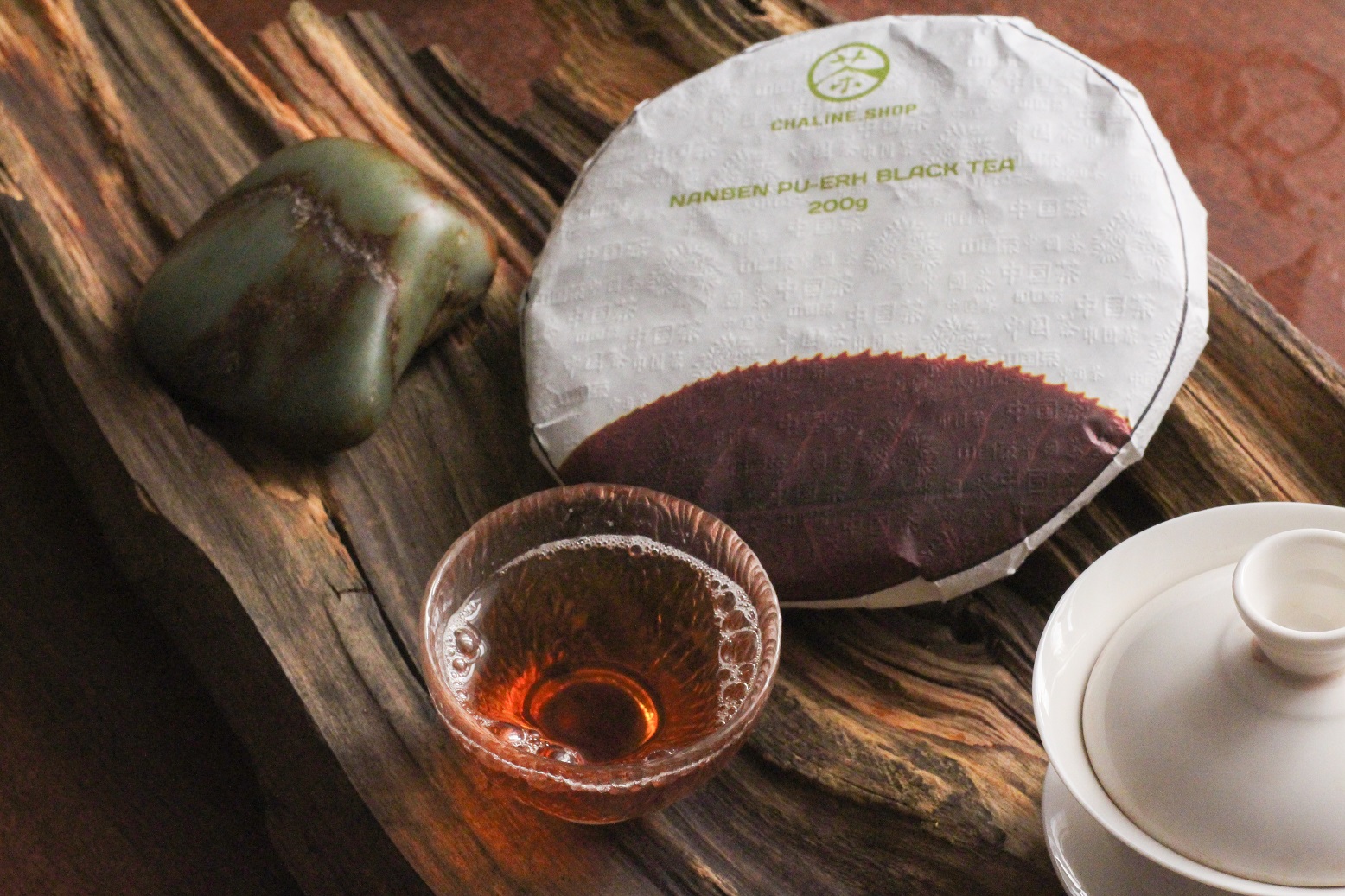
Due to the selected raw materials from old tea trees, each cake has a collector's value.

|
Tea variety
|
Shai Hong |
|
Country
|
China |
|
Provinces
|
Yunnan (云南) |
|
Habitat
|
Наньбэнь Лаочжай (南本老寨, Nánběn lǎozhài) |
|
Manufacturer
|
ООО "Чайная Линия" |
|
Pressing form
|
Bing Cha (Cake Tea) |
|
Type of tea raw material
|
Large trees (100-300 years) |
|
The tea is suitable.
|
for a bathhouse, for evening tea (calming), for the tea ceremony (ceremonial), to alter consciousness (intoxicating tea), to perk up (morning) |
- Reviews
- Vkontakte
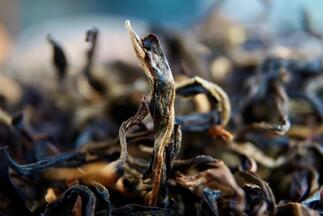
It is a type of red tea from Yunnan province, and appeared on the market relatively recently, in 2014. A year later, the new product began to be actively discussed in the media, and a year later, almost every tea factory in the region presented its own version of shai hong.
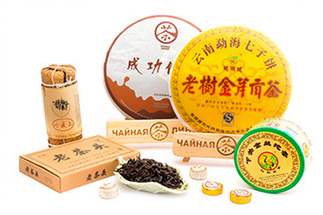
Over time, some consumers who are part of the country's "tea elite" discover mainland Chinese tea. And only a few get acquainted with Taiwanese varieties. The path of a tea person is usually long and thorny, but ultimately it leads to the King of Teas - puer. But not everyone is able to go all the way from ordinary teas to puer and appreciate its qualities.
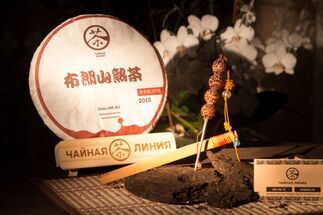
The tea ceremony occupies a special place in the centuries-old Eastern tradition. And although the essence of this phenomenon remains constant, the nature and external manifestations of the tea ceremony in different nations have their own national characteristics. In each Chinese province, the tea ceremony and the tea used in it are varied: for example, residents of the southern provinces prefer green tea, and residents of the northern provinces - red tea, in Fujian province they more often use Oolong tea, and in Yunnan province Puer tea is widely known.
Need a consultation?
Our specialists will answer any question of interest


