




-
0 Saturation
-
0 Aftertaste
-
0 Aroma
-
0 Effect
-
0 Balance
-
0 Body

The tea is hand-picked from trees aged between 100 and 200 years, giving the tea depth, richness and natural sweetness.
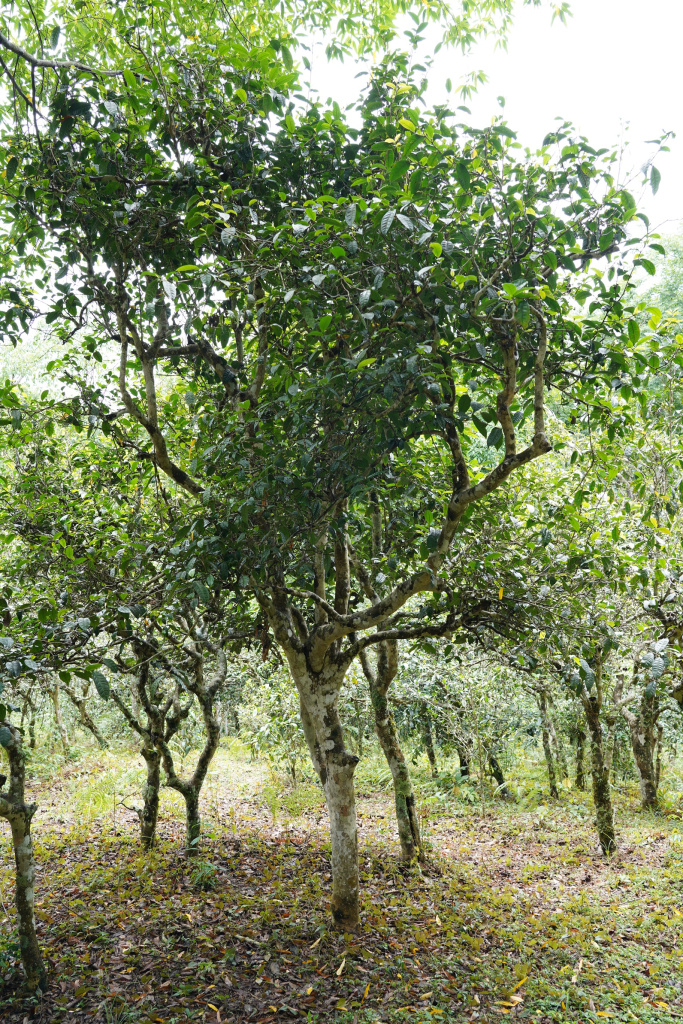
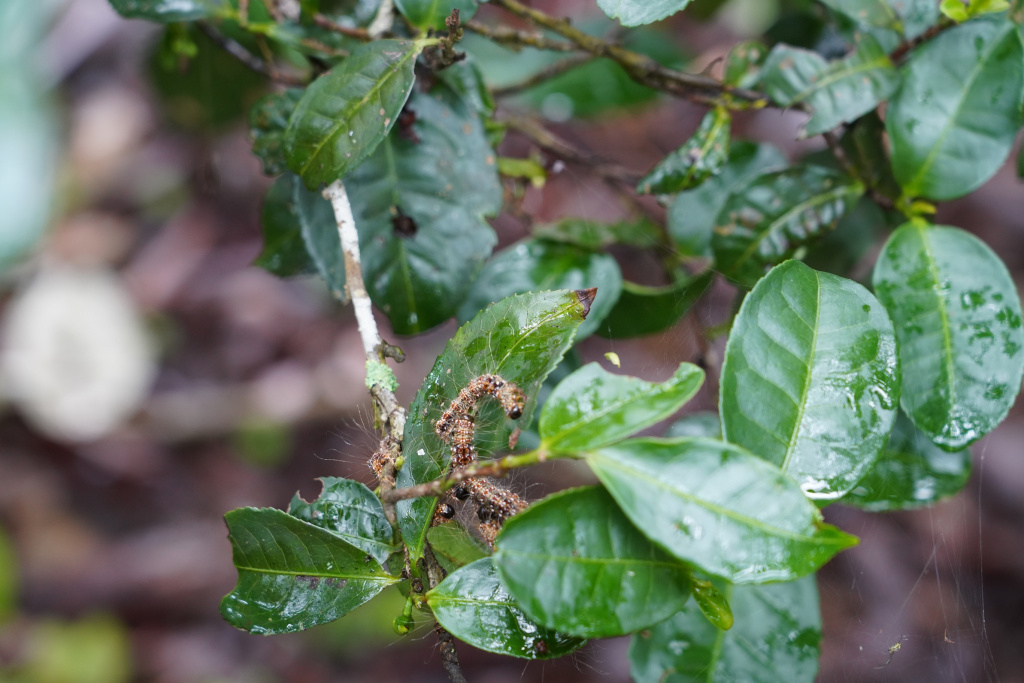
The environment is pristine – there are no industries in the area, and farmers do not use fertilizers or pesticides.
Aroma : rich, with notes of wood, sweet honey and light floral freshness.
Flavor : Rich and balanced, with a soft tartness and natural sweetness reminiscent of ripe berries and hazelnuts. The finish is long, with notes of wood smoke and the sweetness characteristic of Jingmai tea.
Tea creates a feeling of inner warmth and harmony. It gently invigorates, helps to relax, and clears the mind.
Shai Hong from large Jingmai trees is more than just a tea; it's a reflection of nature, time, and tradition. It's ideal for both everyday tea drinking and meditative brewing, when you want to immerse yourself in an atmosphere of silence and balance.

|
Country
|
Китай |
|
Provinces
|
Юньнань (云南) |
|
Habitat
|
Цзинмай (景迈, jǐngmài) |
|
Date of raw material production
|
2025 |
|
Type of tea raw material
|
Large trees (100-300 years) |
|
Length, cm
|
2 |
|
Width, cm
|
1 |
- Reviews
- Vkontakte
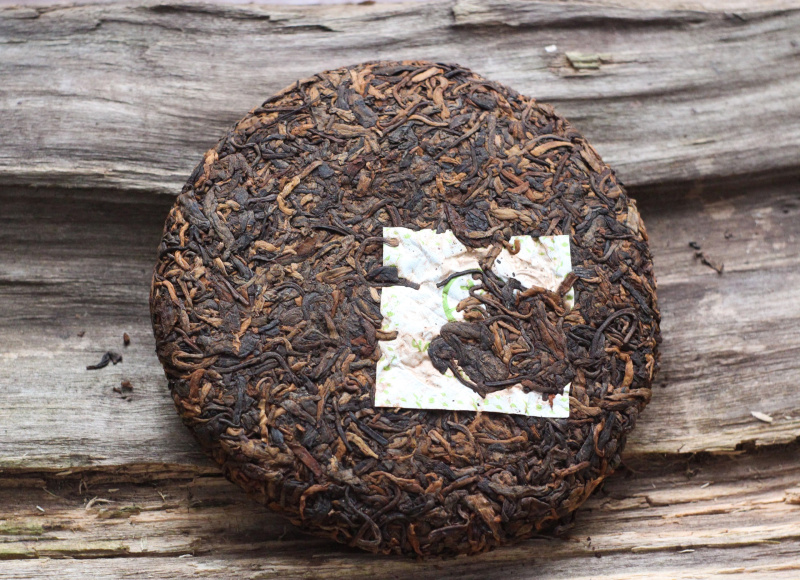
Pu-erh is one of the most unique types of tea, which only gets better with age. Many people, when they first encounter this tea, wondered: why is pu-erh more often found in pressed form (cakes, bricks, tochas), and not in loose form? The reasons for this are related to both history and the practical aspects of storing and fermenting tea. Despite modern technologies that allow the production of loose pu-erh, the shape of pressed cakes remains unchanged. And pu-erh is more often found on sale in pressed form, for example, in the form of cakes or bricks, and loose pu-erh is less common. We will talk about the reasons for pressing pu-erh into cakes in this article.
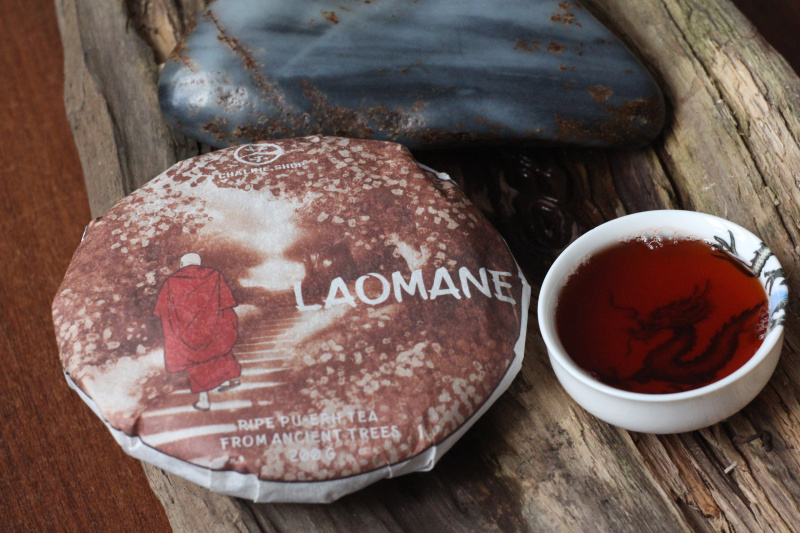
Puer is a unique Chinese tea that is distinguished by its depth of taste, complexity of aromas and versatility of aftertaste. Its taste characteristics are formed under the influence of many factors, from growing conditions to the brewing method. Let's look at the main ones.
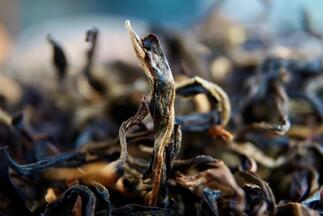
It is a type of red tea from Yunnan province, and appeared on the market relatively recently, in 2014. A year later, the new product began to be actively discussed in the media, and a year later, almost every tea factory in the region presented its own version of shai hong.


