




-
0 Saturation
-
0 Aftertaste
-
0 Aroma
-
0 Effect
-
0 Balance
-
0 Body
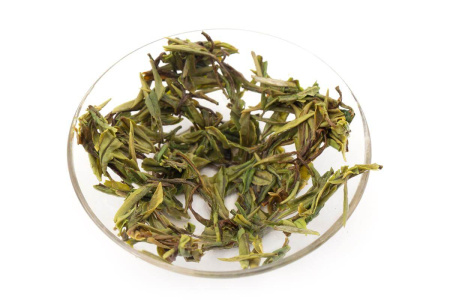
Ye Xiao Bai Mudan: Small Wild White Buds from Dagan
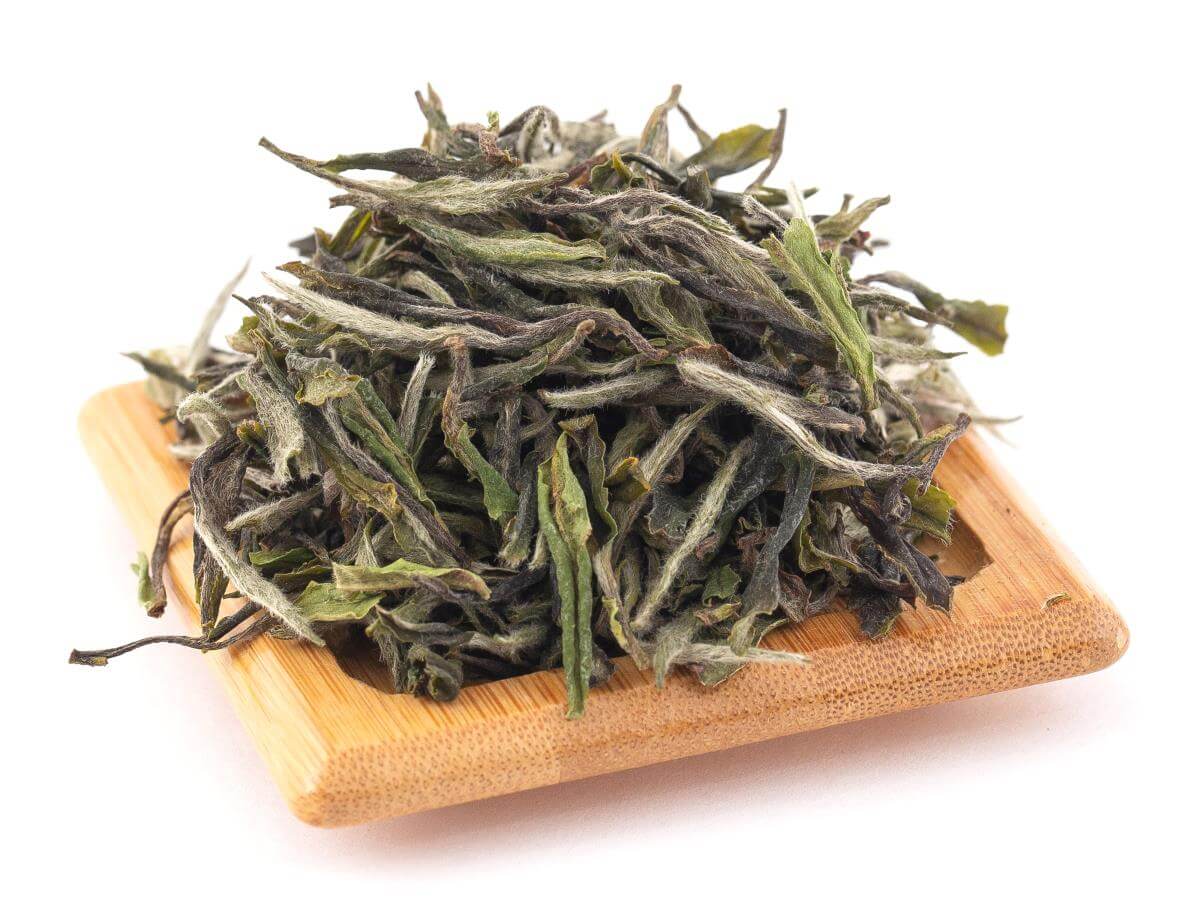
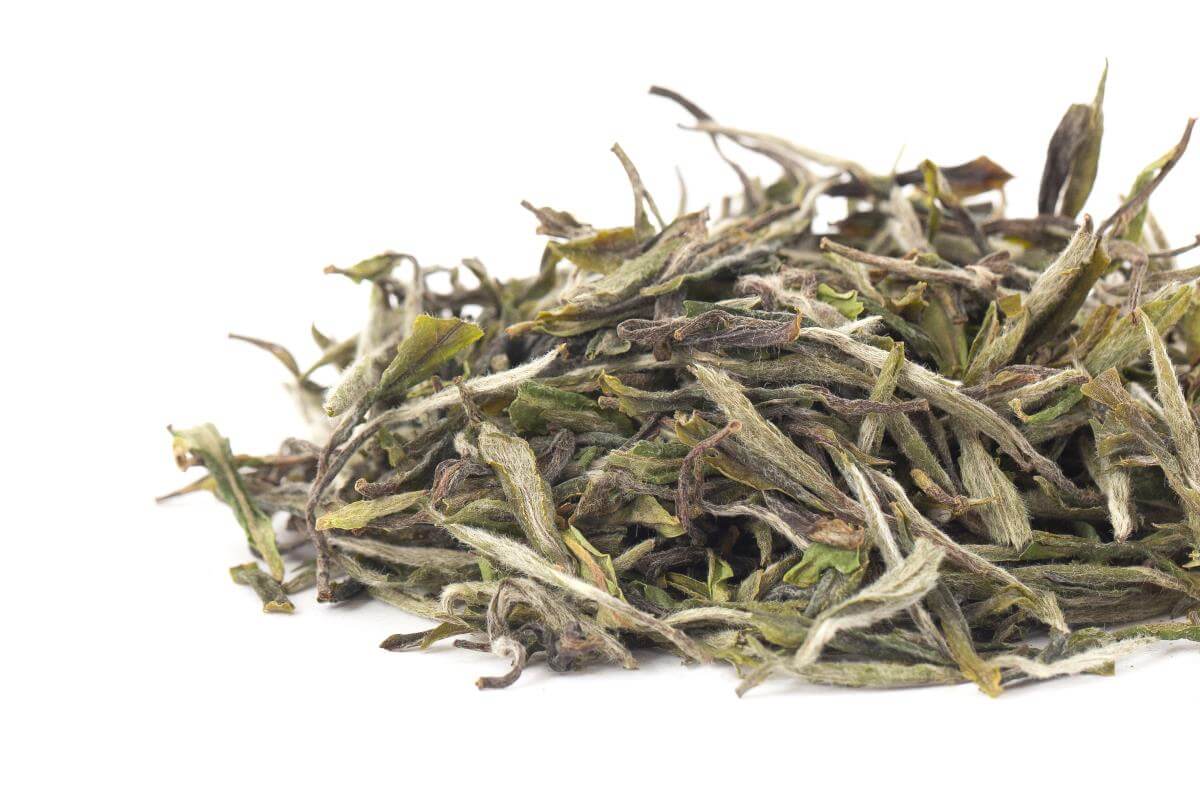
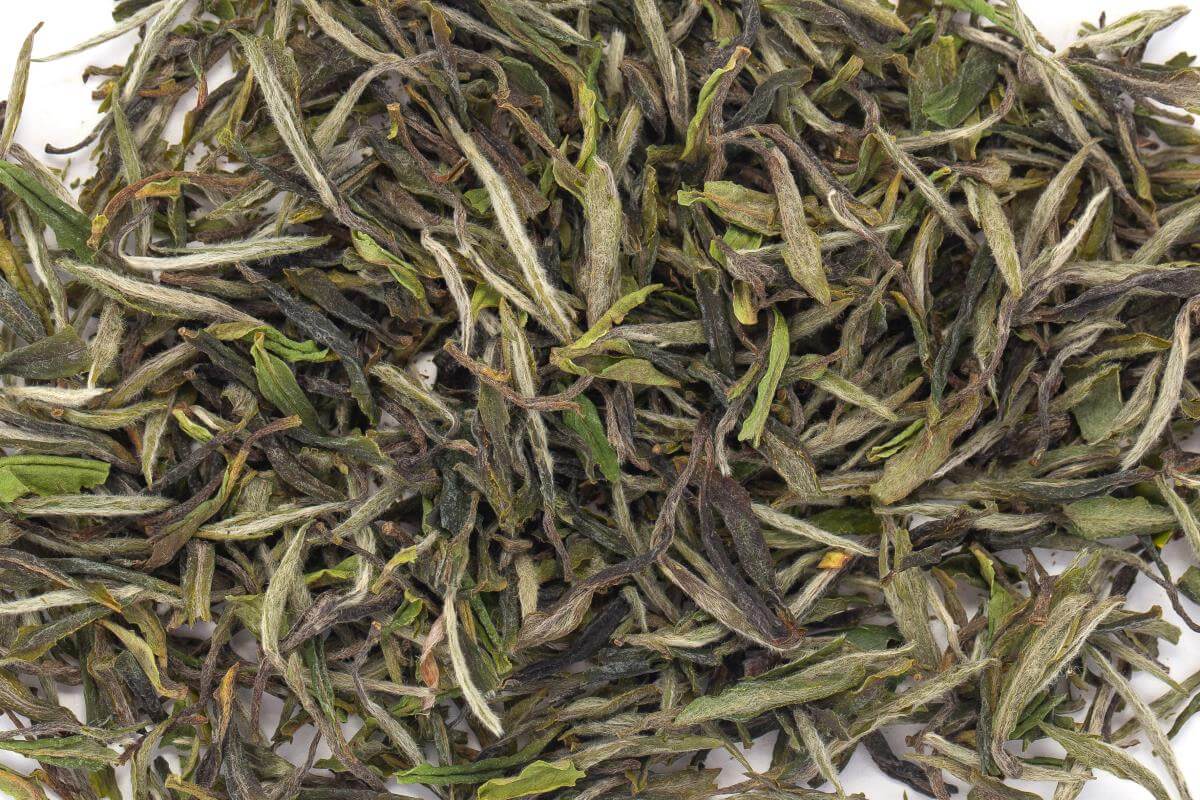
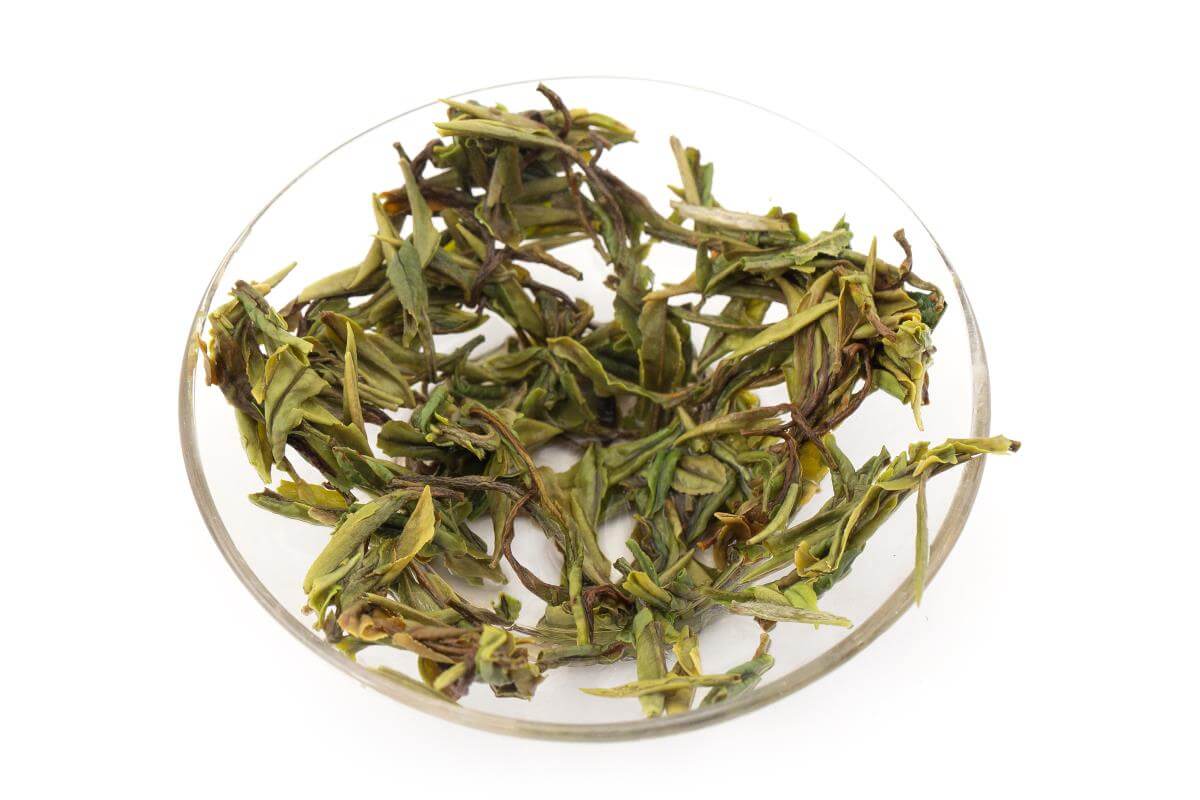
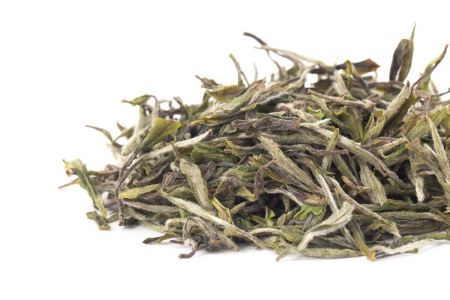
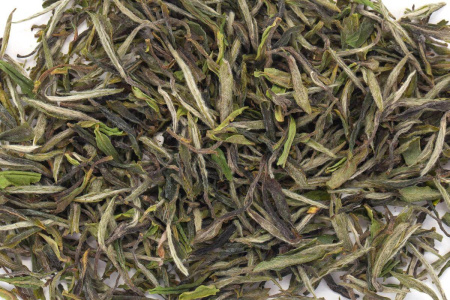
Ye Xiao Bai Mudan (Chinese: 野小百牡丹, pinyin: yě xiǎo bǎi mǔdan) This is a truly unique white tea variety, native to the picturesque mountainous region of Dagang (大岗, dàgǎng). This tea is prized for its delicate flavor, subtle aroma, and rare natural beauty.
Wildlife and hand-picked
The tea's name speaks for itself: "Ye Xiao" means "wild little." The tea bushes used to make this tea grow in the wild, far from civilization. The buds and young leaves are hand-picked, ensuring the preservation of all the beneficial nutrients and the unique flavor.
Delicate taste and aroma
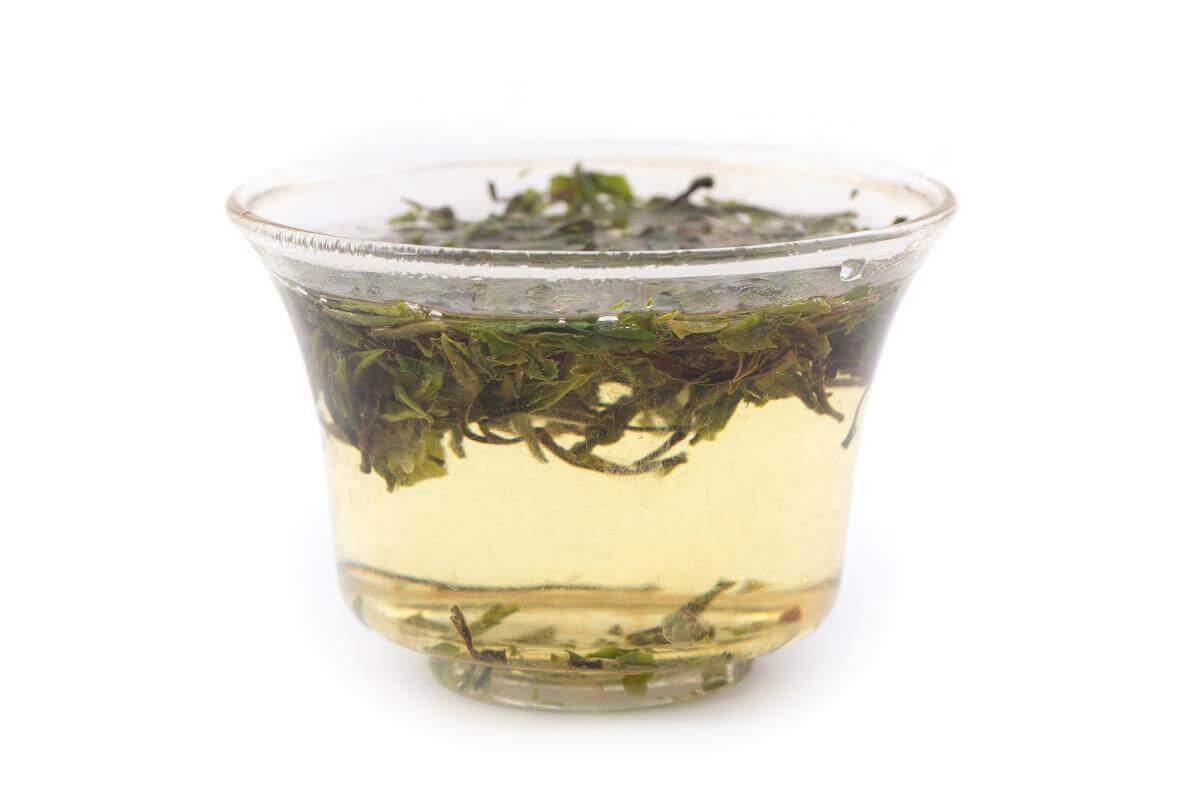
Ye Xiaobai Mudan has a very soft and sweet taste with light floral and fruity notes. The tea's aroma is delicate, subtle, and very pleasant. It reveals hints of honey, jasmine, and fresh fruit.
Beneficial properties
Like all white teas, Ye Xiaobai Mudan is rich in antioxidants, vitamins, and minerals. This tea has a number of beneficial properties:
- Strengthens the immune system
- Improves digestion
- Promotes weight loss
- Slows down the aging process
- Improves the functioning of the cardiovascular system
How to brew
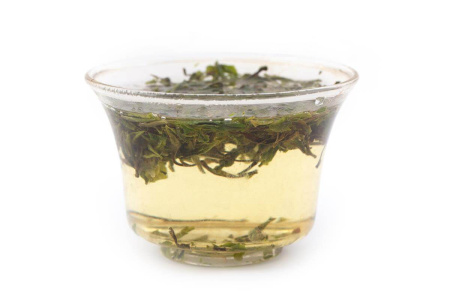
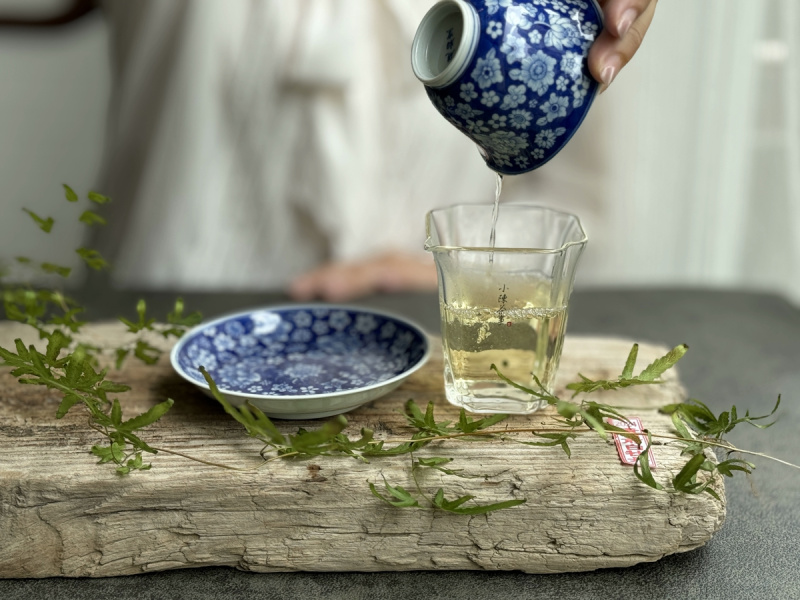
To fully appreciate the flavor of Ye Xiaobai Mudan, it is recommended to use water at a temperature of 80-85°C. Steep the tea for 3-5 minutes, depending on the desired strength.
Ye Xiaobai Mudan is a true gift from nature for connoisseurs of fine beverages. Its unique flavor, aroma, and beneficial properties make it one of the most prized white teas. If you're looking for something special, this tea is definitely worth trying.
|
Name in Chinese
|
野小百牡丹 |
|
Pinyin
|
yě xiǎo bǎi mǔdan |
|
English name
|
Small wild white buds |
|
Translation
|
Small wild white buds |
|
Tea variety
|
Бай Му Дань |
|
Country
|
Китай |
|
District
|
Ninda |
|
Provinces
|
Фуцзянь (福建) |
|
Region
|
Фуань (福安) |
|
Habitat
|
Даган (大岗, dàgǎng) |
|
A variety of tea tree (bush)
|
Da Bai Hao |
|
Length, cm
|
2 |
|
Width, cm
|
1 |
- Reviews
- Vkontakte
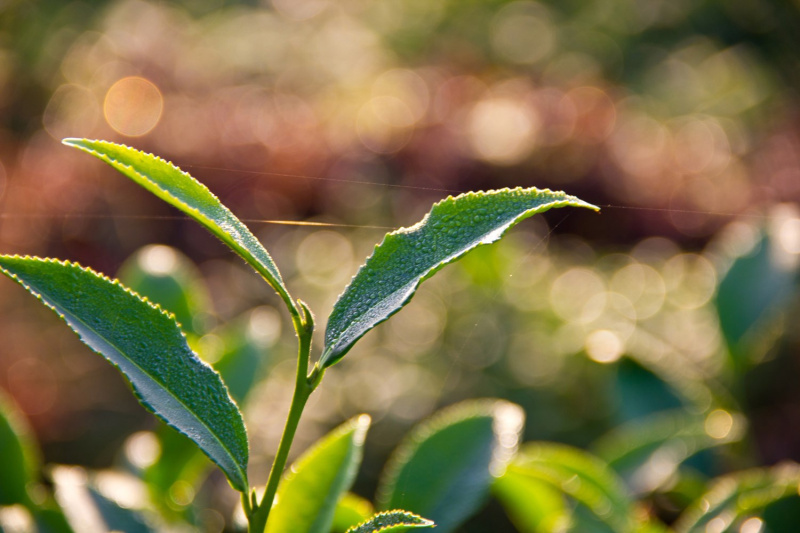
White Peony (Chinese: 白牡丹, pinyin: báimǔdān) (Bai Mudan) is one of the most exquisite and ancient varieties of white tea from China. It received its name due to the delicate white hairs covering the young leaves, which resemble blossoming peony buds. Its history is shrouded in many legends passed down from generation to generation. One of the most famous tells the story of how this unique drink appeared in the world.

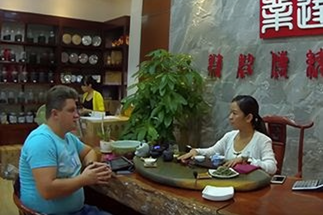
In 2015, we interviewed Zhou Xiaolin (周小莉, zhōu xiǎolì) and the materials were shelved. It happens. Xiaolin is a smart married woman who has been working productively with Russians in China for a long time and is already studying Russian herself. Now the time has come and you can read this interview.


