



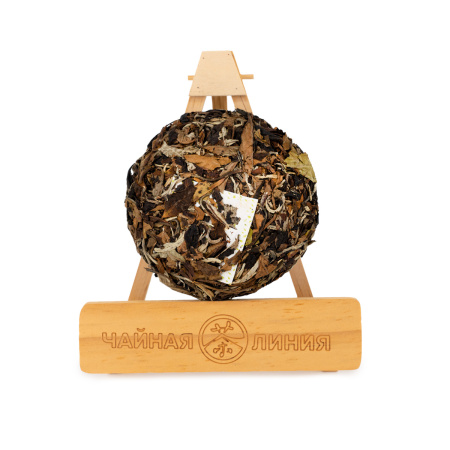
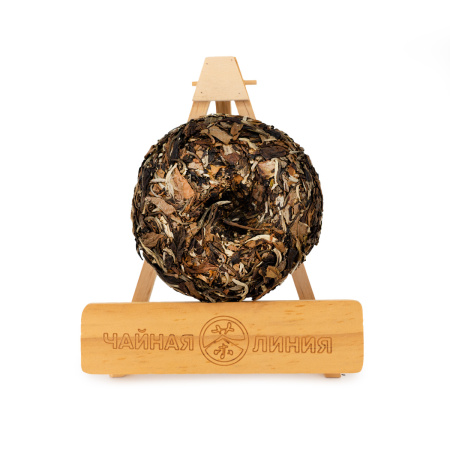
Article:
CL-6963
Out of stock
Found cheaper?
ADD TO CART
Bonus account:
Calculate shipping
I want it as a gift
Characteristics
Tea variety
—
Array
Country
—
Array
Habitat
—
Array
Manufacturer
—
Array
Year of pressing
—
Array
Pressing form
—
Array
All specifications
The price is valid only for the online store and may differ from prices in retail stores.
Taste card:
-
6 Saturation
-
5 Aftertaste
-
5 Aroma
-
5 Effect
-
5 Balance
-
5 Body
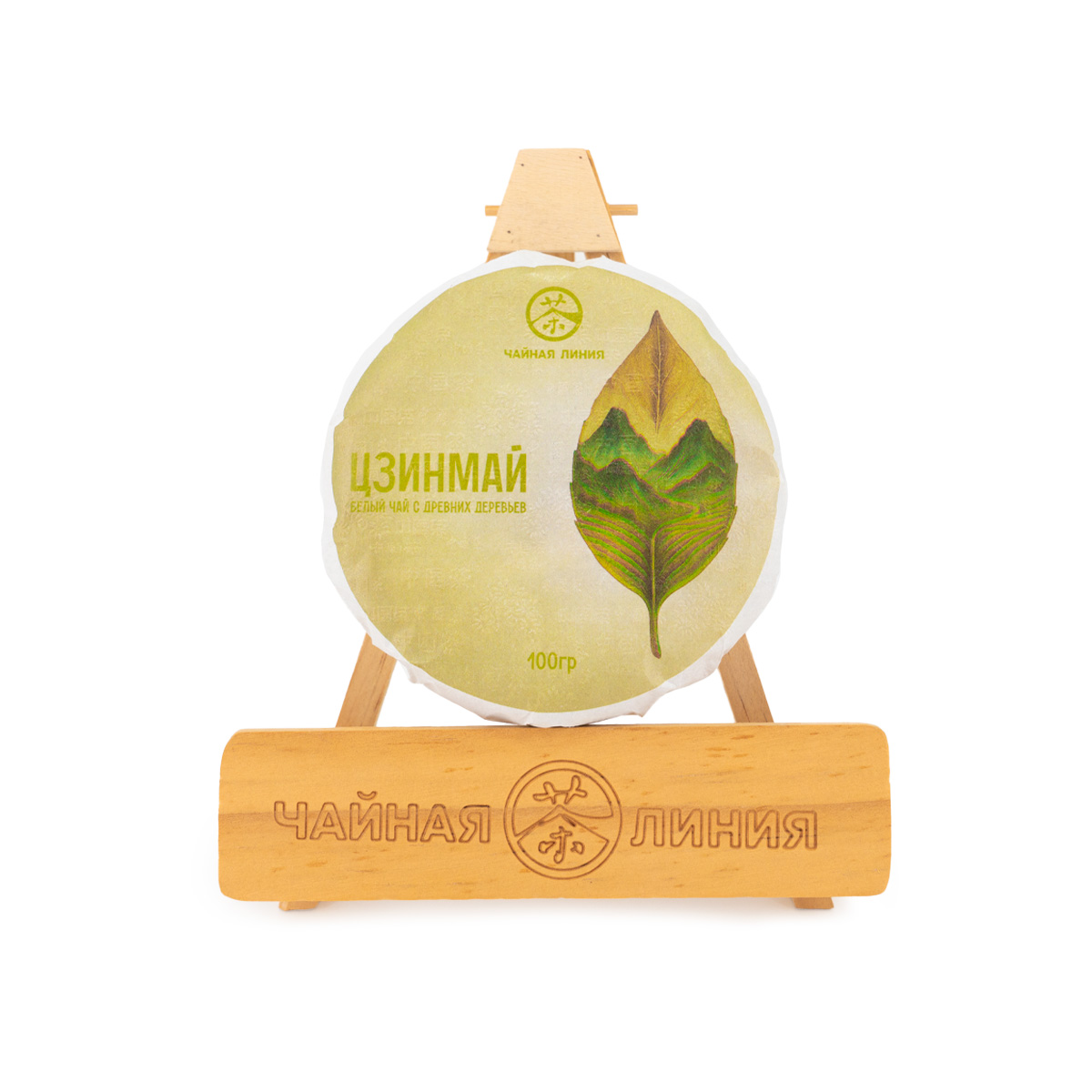
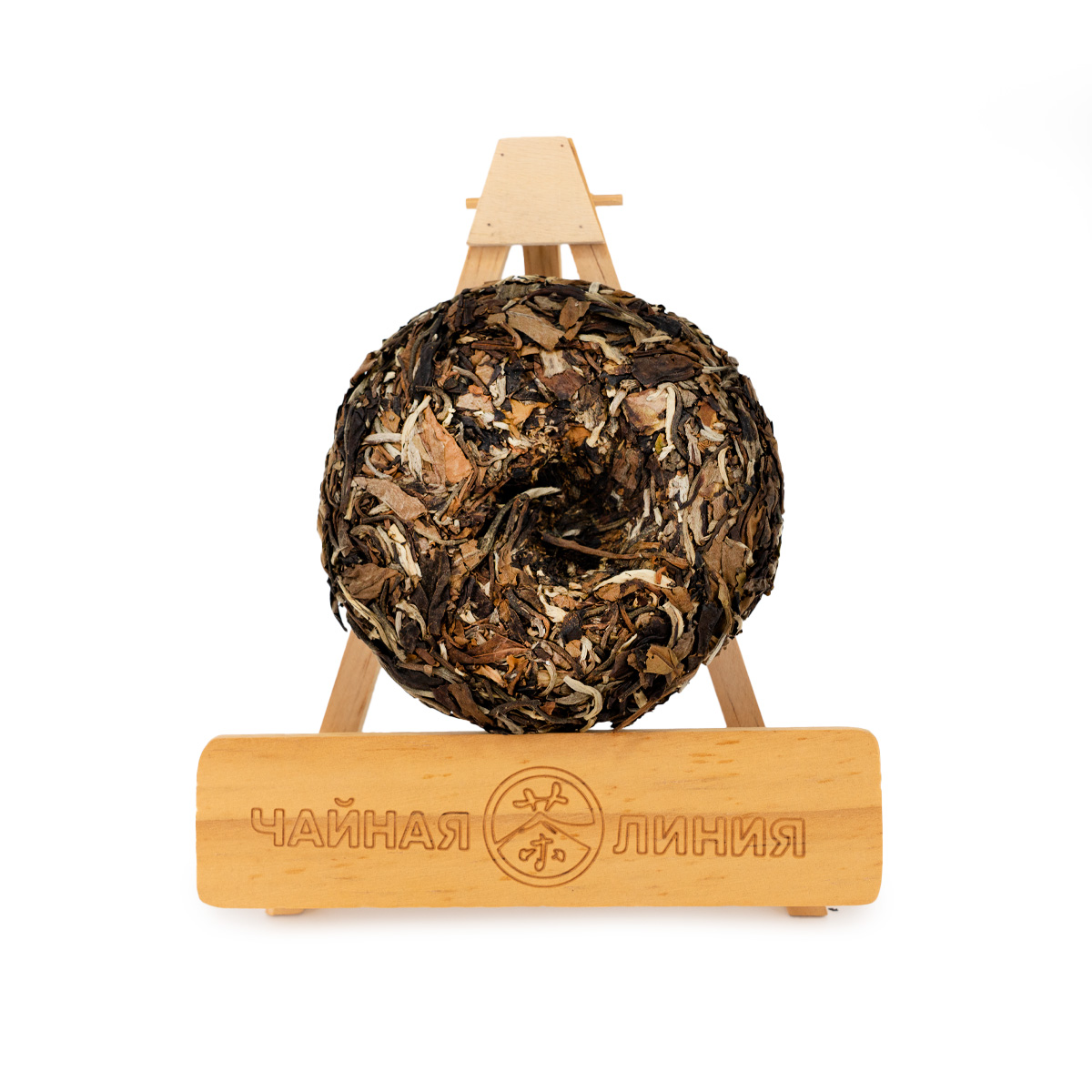
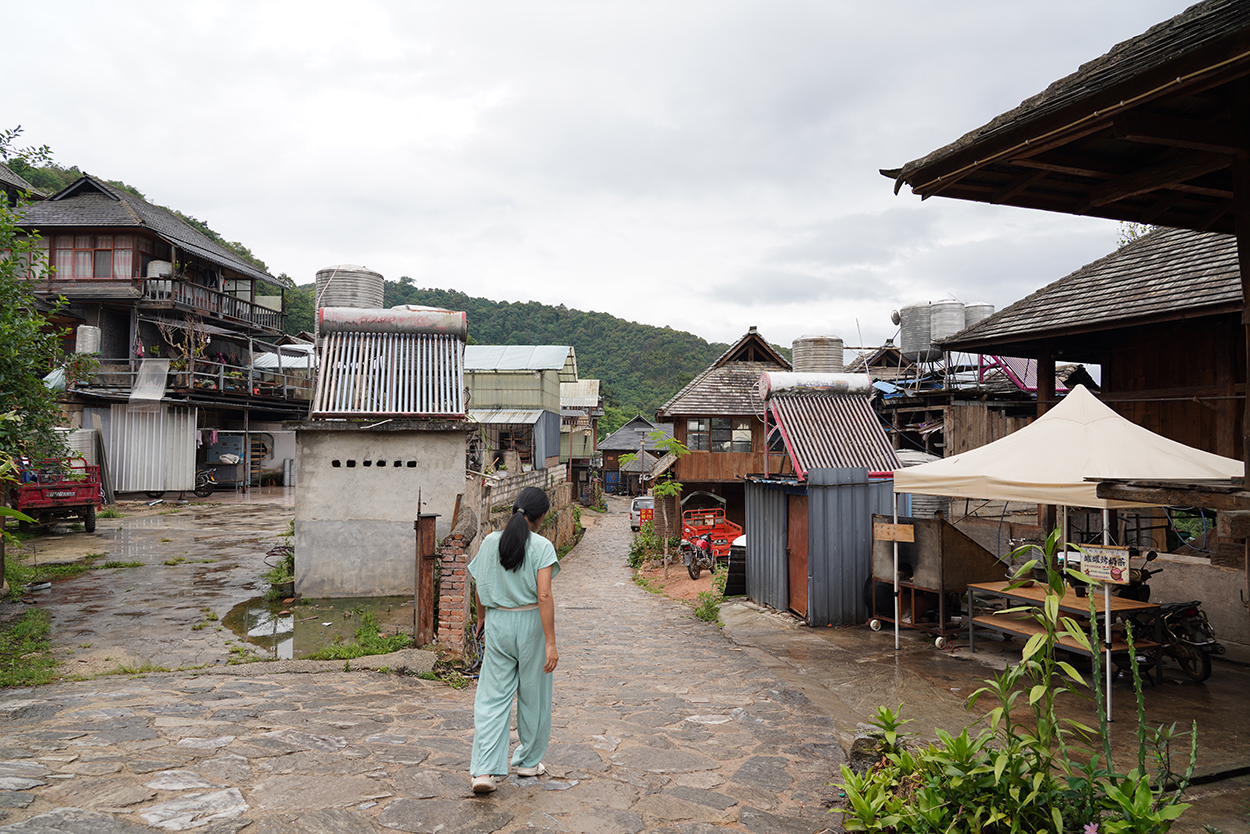
In the spring of 2025, we visited the village of Manhong (Chinese: 芒洪村, pinyin: mánghóng cūn), which is located in the Jingmai Shan (Chinese: 景迈山) mountains.
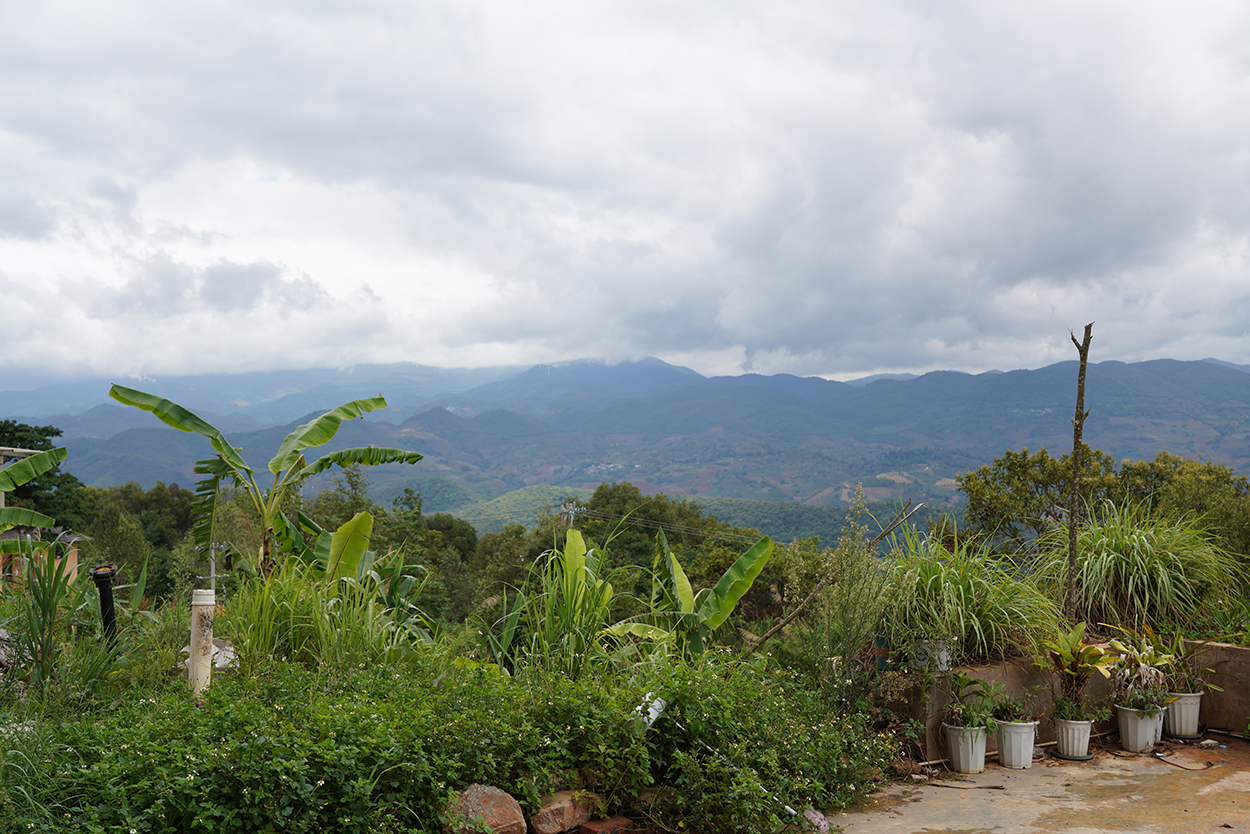
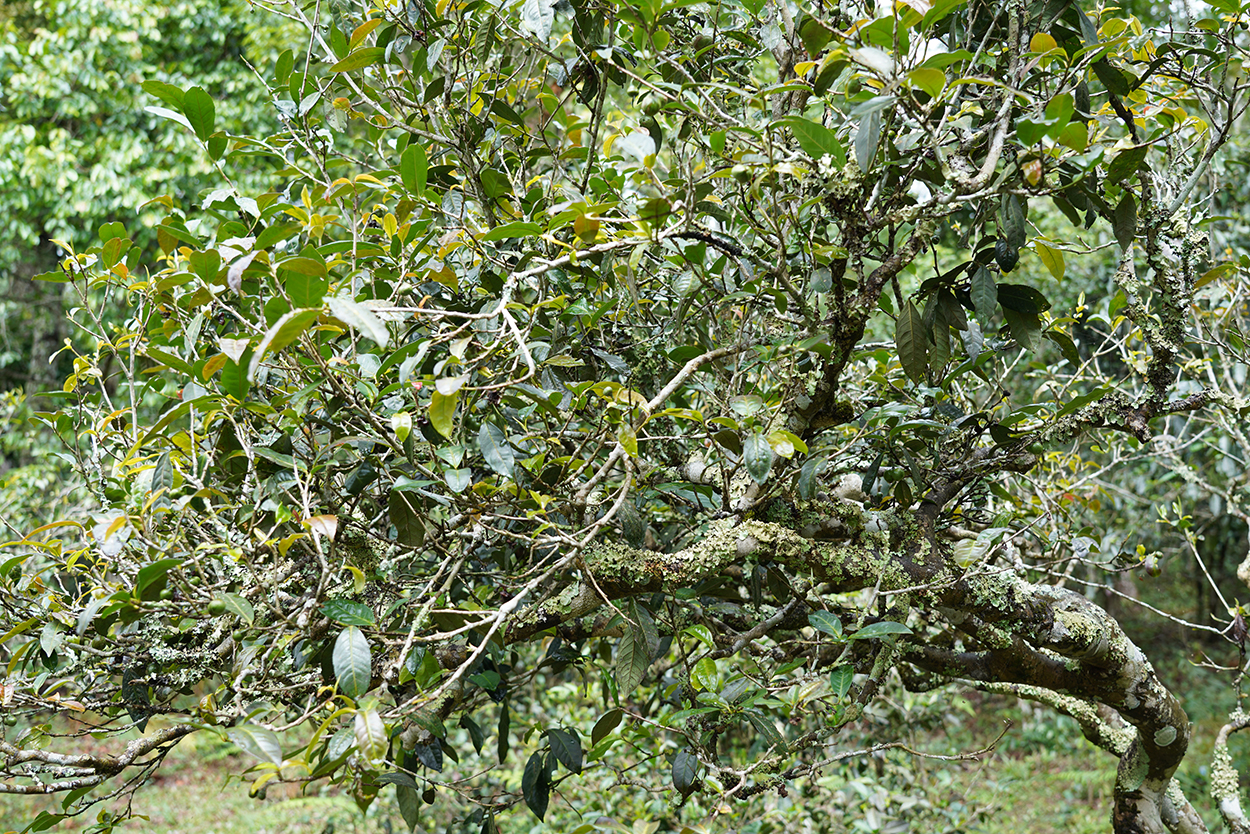
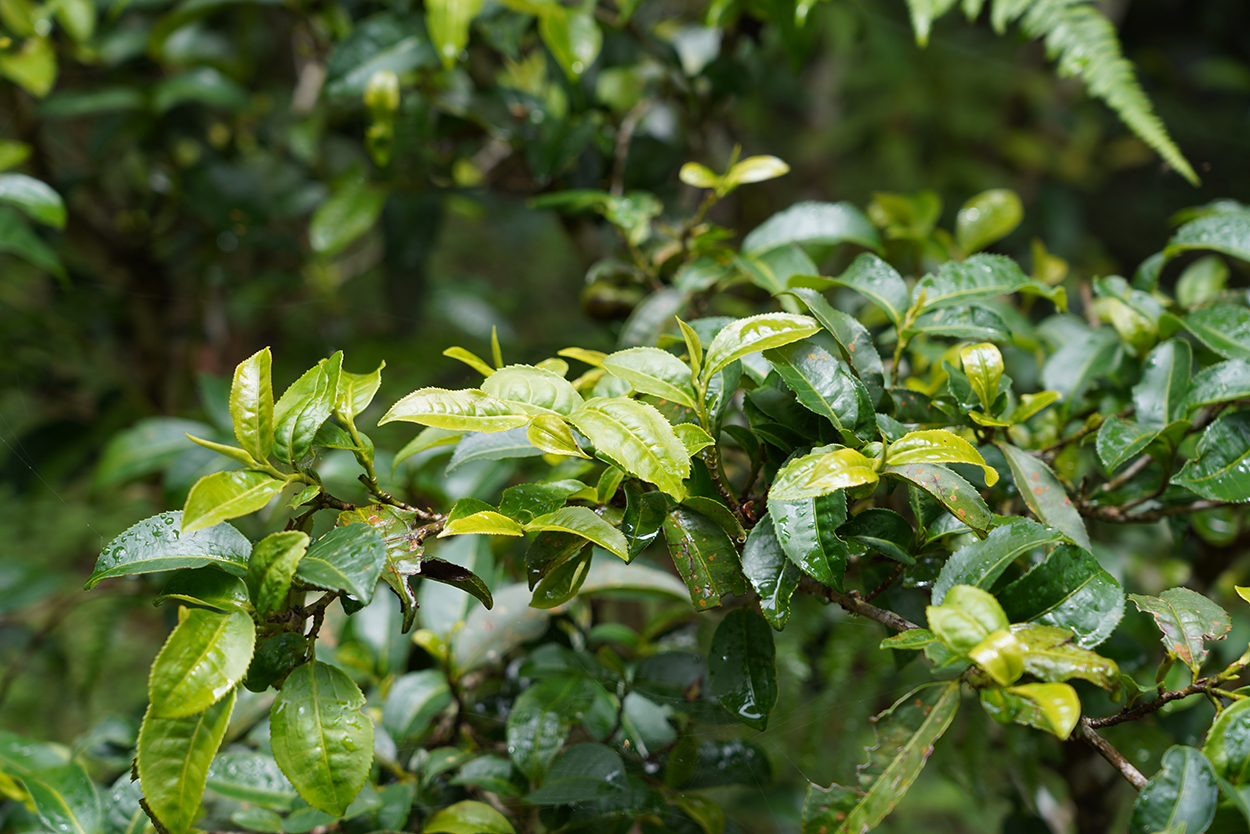
Here, Gu Shu tea trees, over 500 years old, grow in natural conditions in mixed forests, where a humid climate, clean air and a pristine environment are combined.

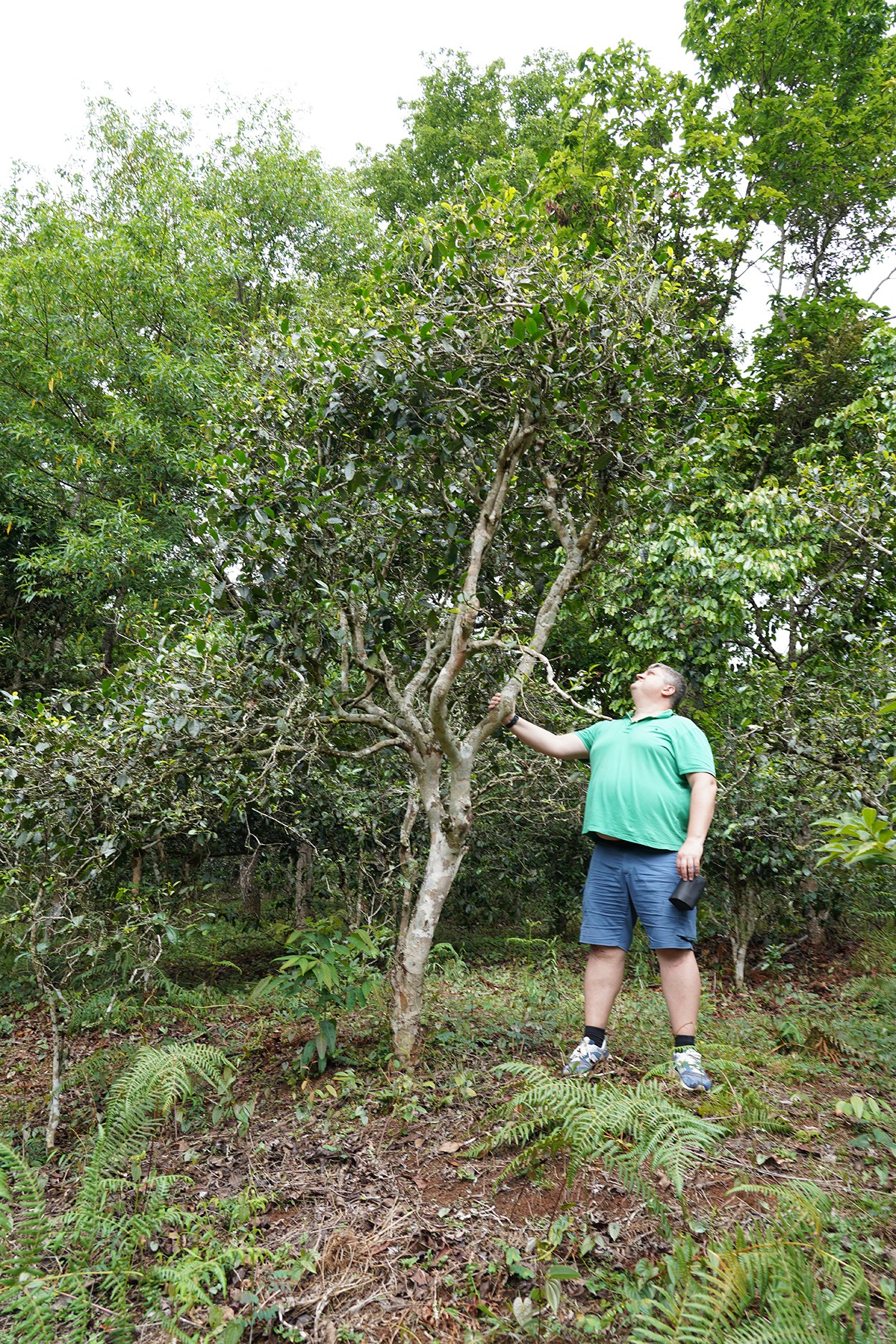
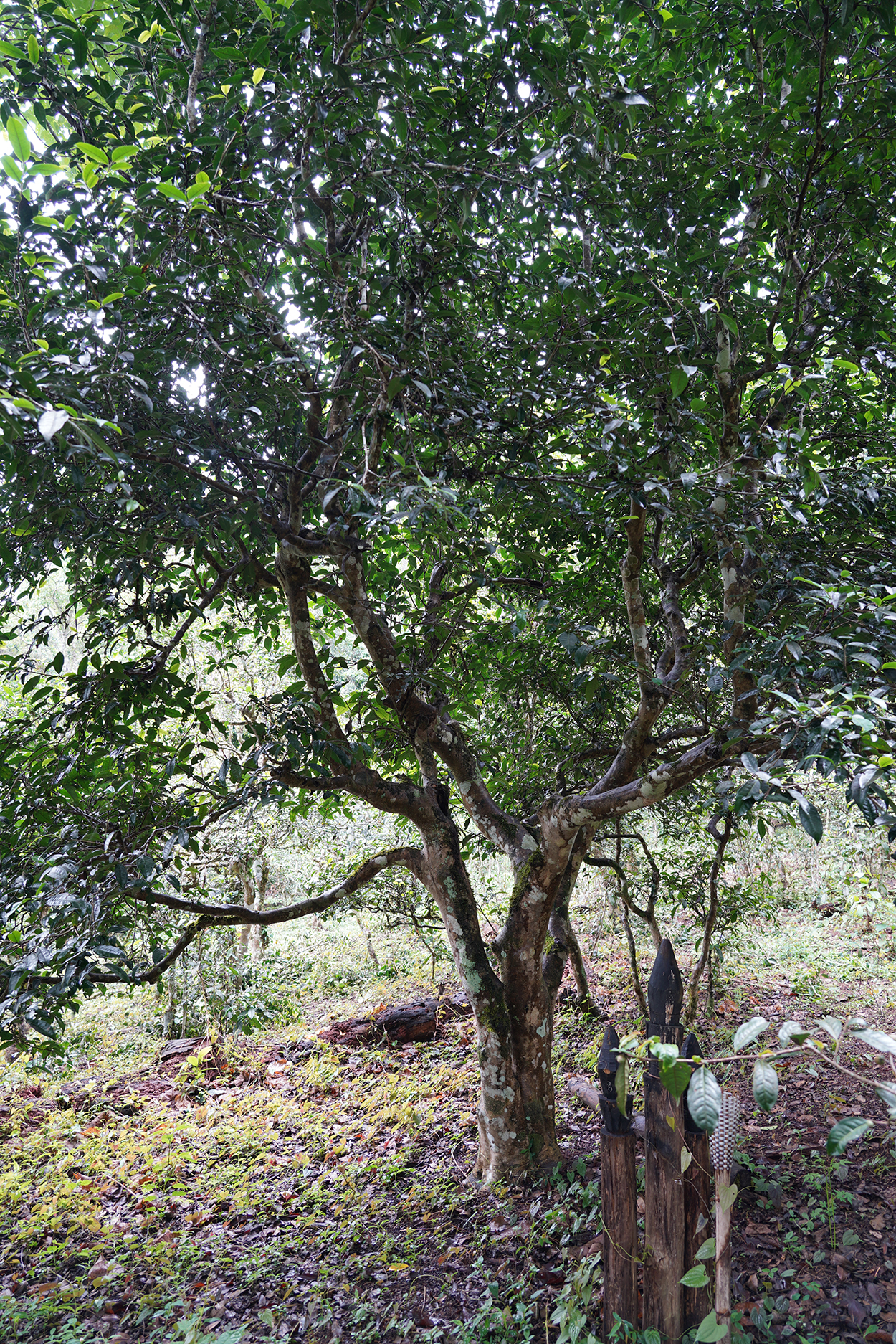
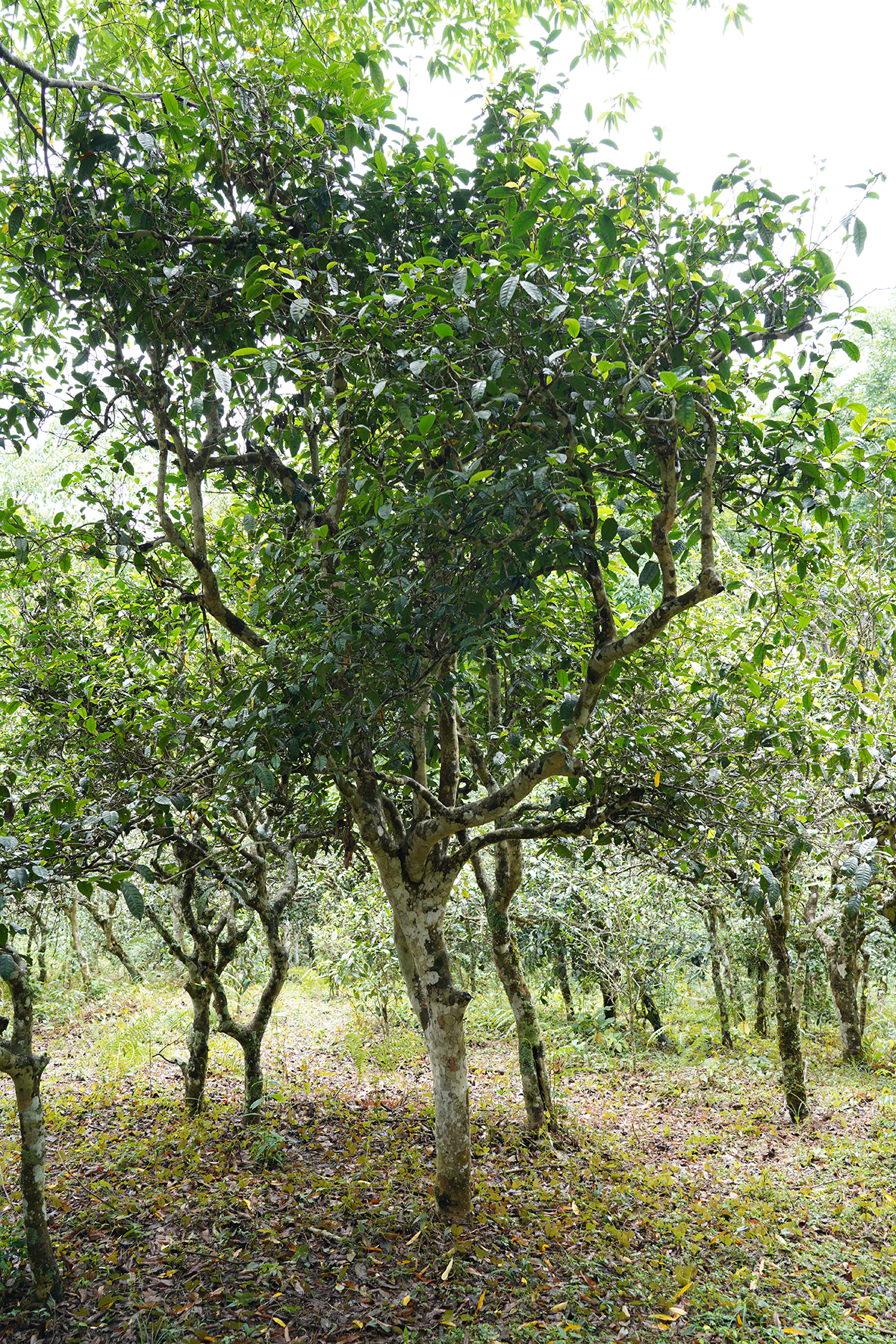
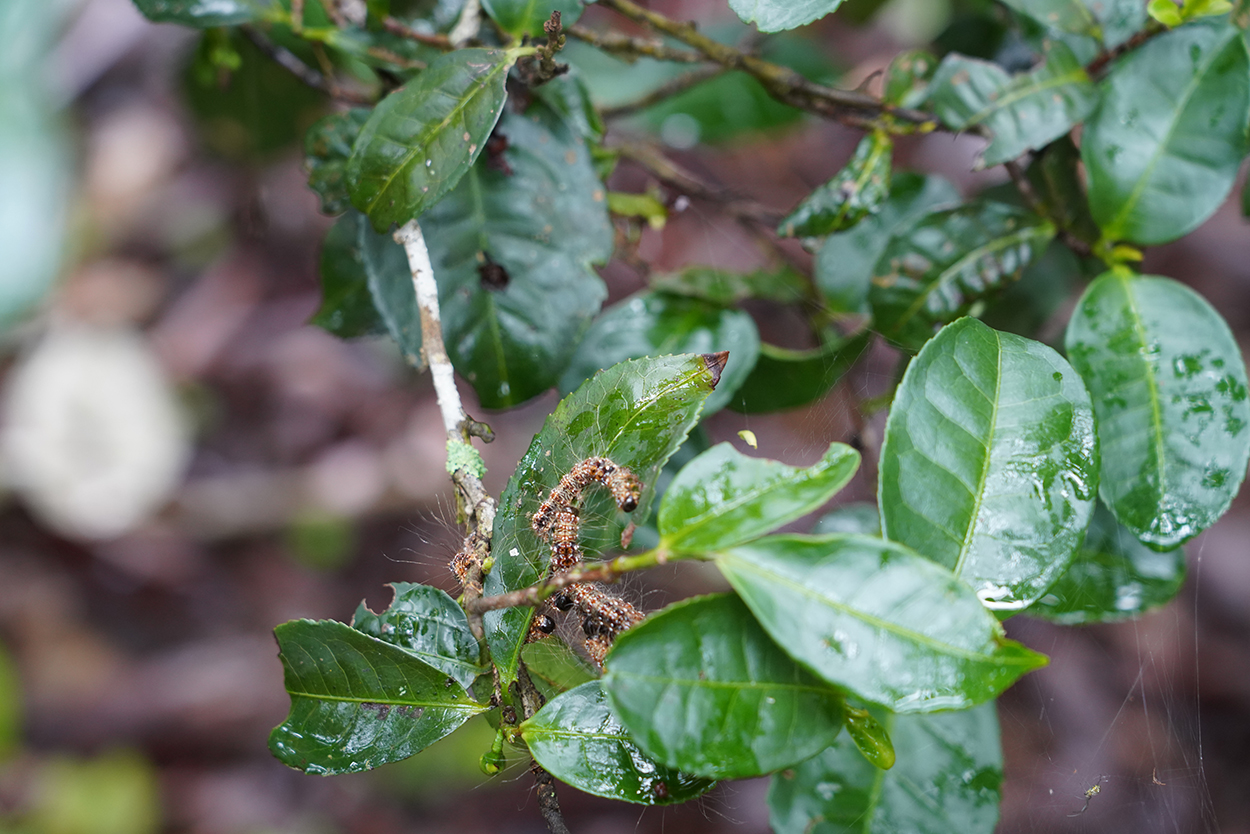
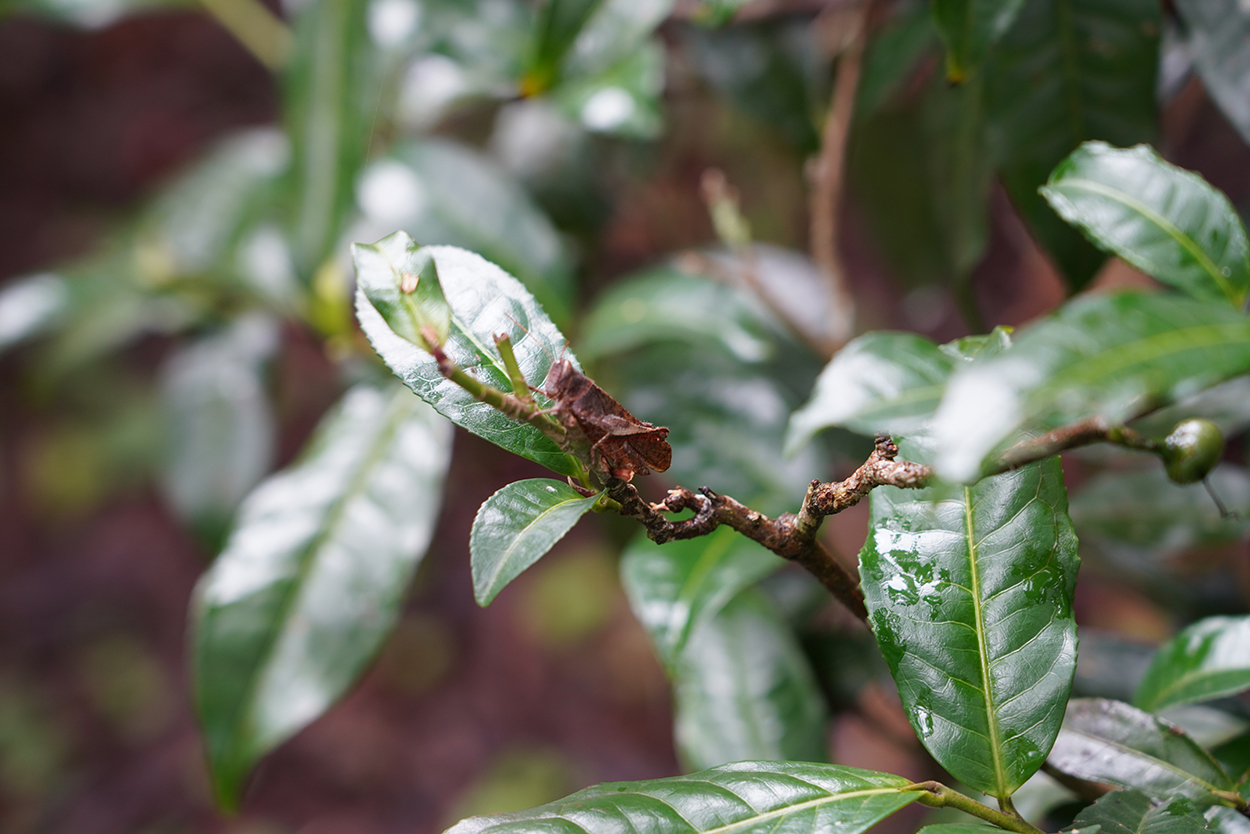
Jingmai tea is the result of a unique microclimate and a centuries-old tradition of tea farming. Local farmers are extremely principled: they do not use fertilizers, pruning, or maintenance on their tea trees, as this devalues the harvest, harms quality, and detracts from the natural flavor. Caterpillars and grasshoppers perch right on the tea leaves—a result of the pristine environment.
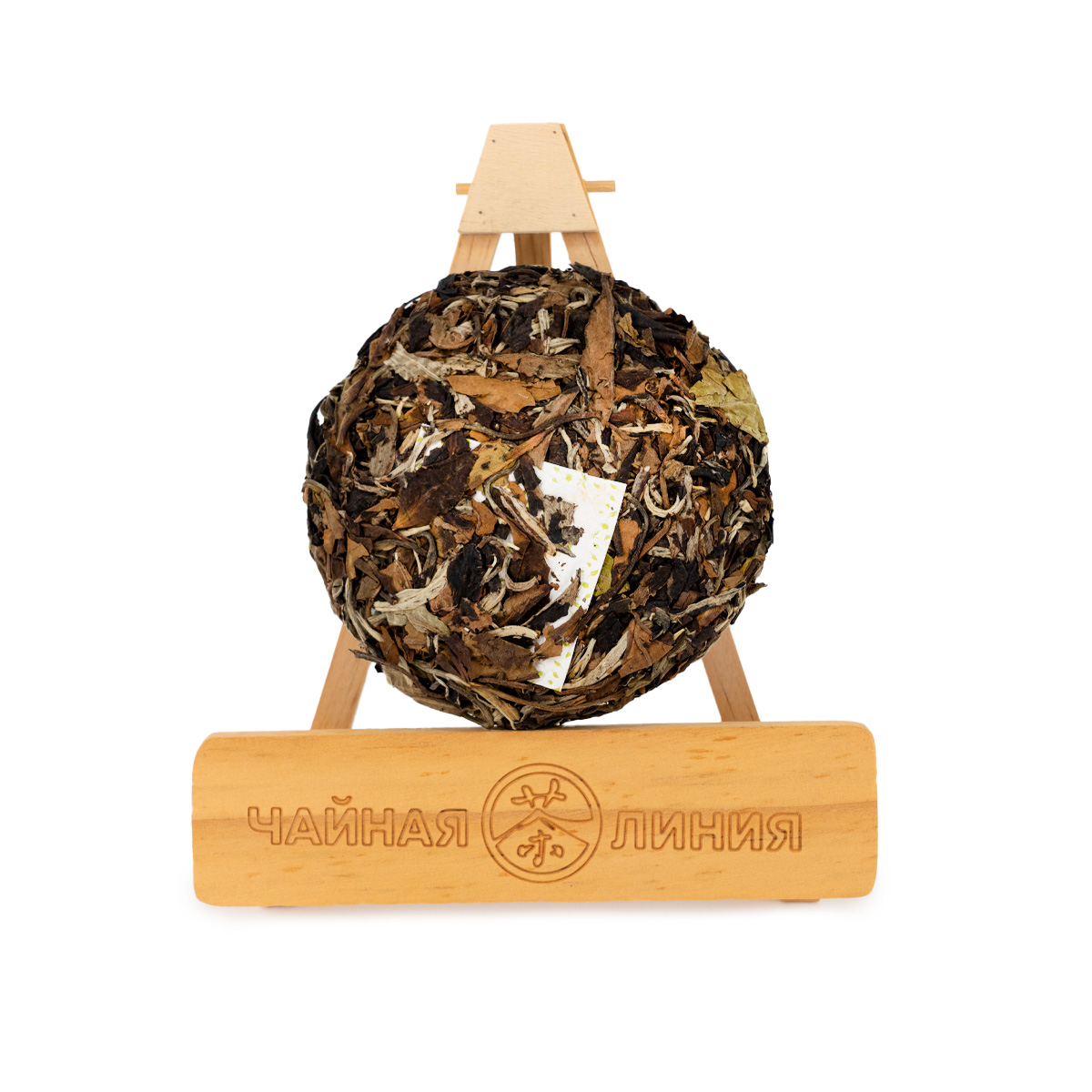
The finished tea has a delicate, airy flavor, with a soft tartness and natural sweetness reminiscent of young berries and wild flowers. The finish is long, with a slight freshness and fleeting sweetness characteristic of Jingmai tea.
Tea creates a feeling of lightness and inner balance. It gently clears the mind, refreshes the body, and promotes relaxation.
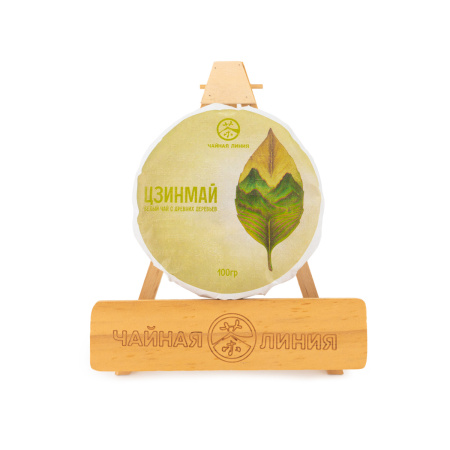
White tea from centuries-old pu-erh trees in the Jingmai Mountains is more than just a drink, it's an inspiring journey into the heart of nature. It's ideal for those who appreciate naturalness, subtlety, and depth of flavor.
Here, Gu Shu tea trees, over 500 years old, grow in natural conditions in mixed forests, where a humid climate, clean air and a pristine environment are combined.
Jingmai tea is the result of a unique microclimate and a centuries-old tradition of tea farming. Local farmers are extremely principled: they do not use fertilizers, pruning, or maintenance on their tea trees, as this devalues the harvest, harms quality, and detracts from the natural flavor. Caterpillars and grasshoppers perch right on the tea leaves—a result of the pristine environment.
The finished tea has a delicate, airy flavor, with a soft tartness and natural sweetness reminiscent of young berries and wild flowers. The finish is long, with a slight freshness and fleeting sweetness characteristic of Jingmai tea.
Tea creates a feeling of lightness and inner balance. It gently clears the mind, refreshes the body, and promotes relaxation.
White tea from centuries-old pu-erh trees in the Jingmai Mountains is more than just a drink, it's an inspiring journey into the heart of nature. It's ideal for those who appreciate naturalness, subtlety, and depth of flavor.
|
Tea variety
|
Юэ Гуан Бай |
|
Country
|
Китай |
|
Habitat
|
Цзинмай (景迈, jǐngmài) |
|
Manufacturer
|
ООО "Чайная Линия" |
|
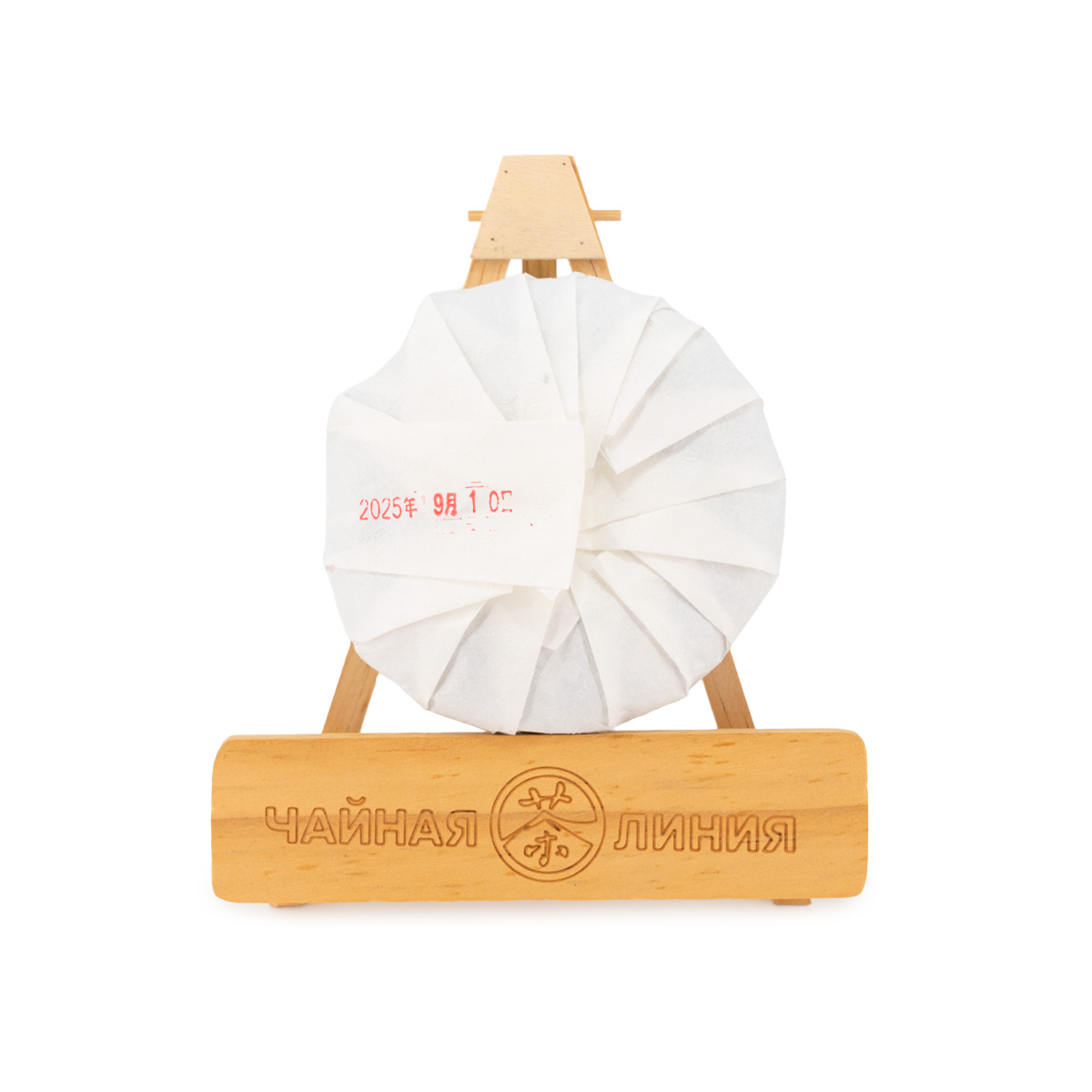
Year of pressing
|
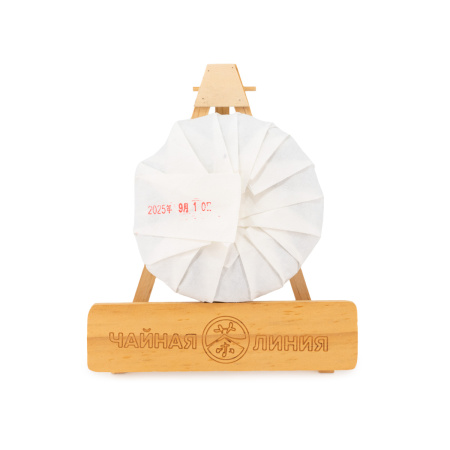
2025 |
|
Pressing form
|
Бин Ча (блин) |
|
Type of tea raw material
|
Ancient trees (over 500 years old) |
Availability
Reviews
- Reviews
- Vkontakte
Loading comments...
Articles

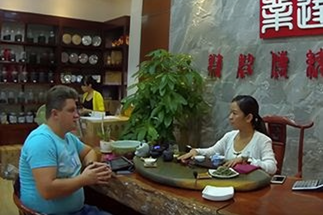
Video about tea and teaware
—
04.04.2018
In 2015, we interviewed Zhou Xiaolin (周小莉, zhōu xiǎolì) and the materials were shelved. It happens. Xiaolin is a smart married woman who has been working productively with Russians in China for a long time and is already studying Russian herself. Now the time has come and you can read this interview.


