


Чайник хуаин (华颖壶, Huáyǐng hú): история, особенности и значение в культуре
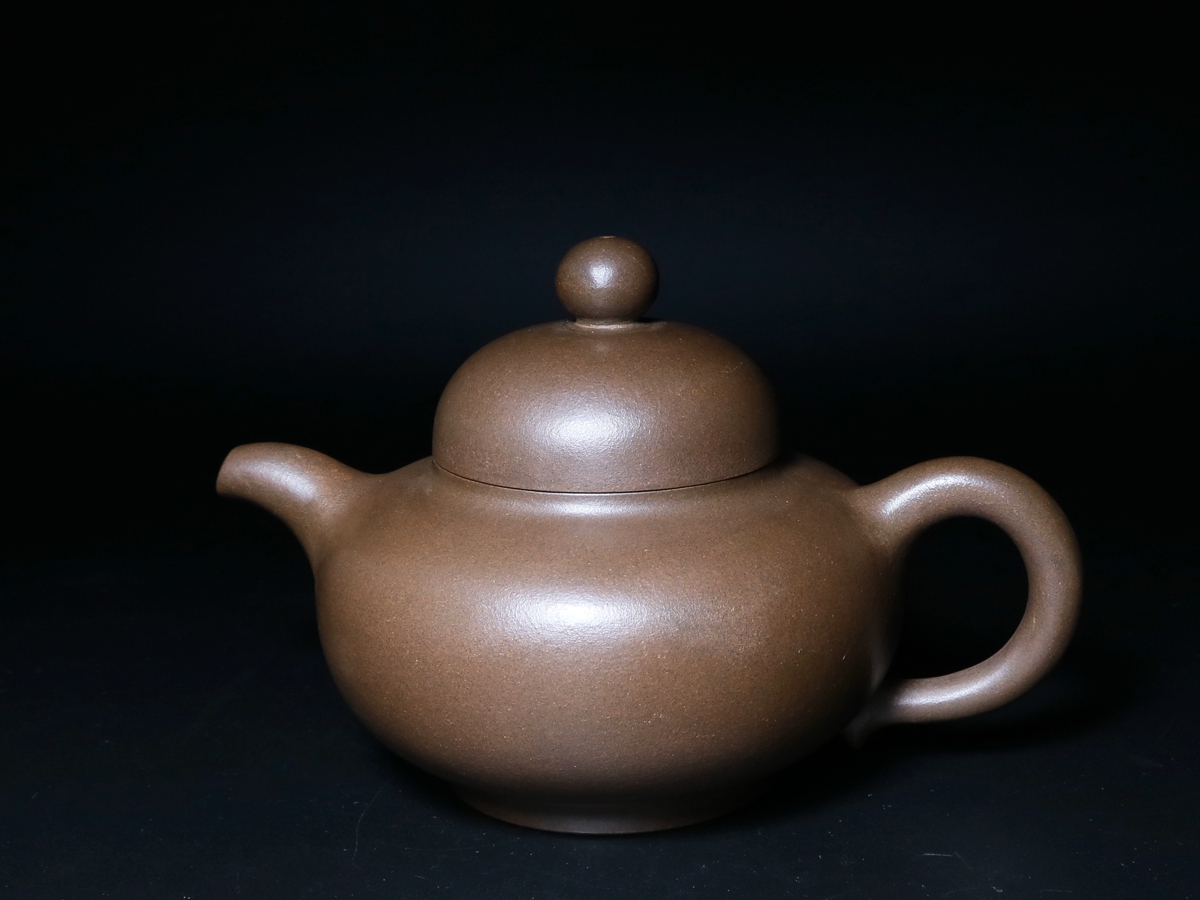
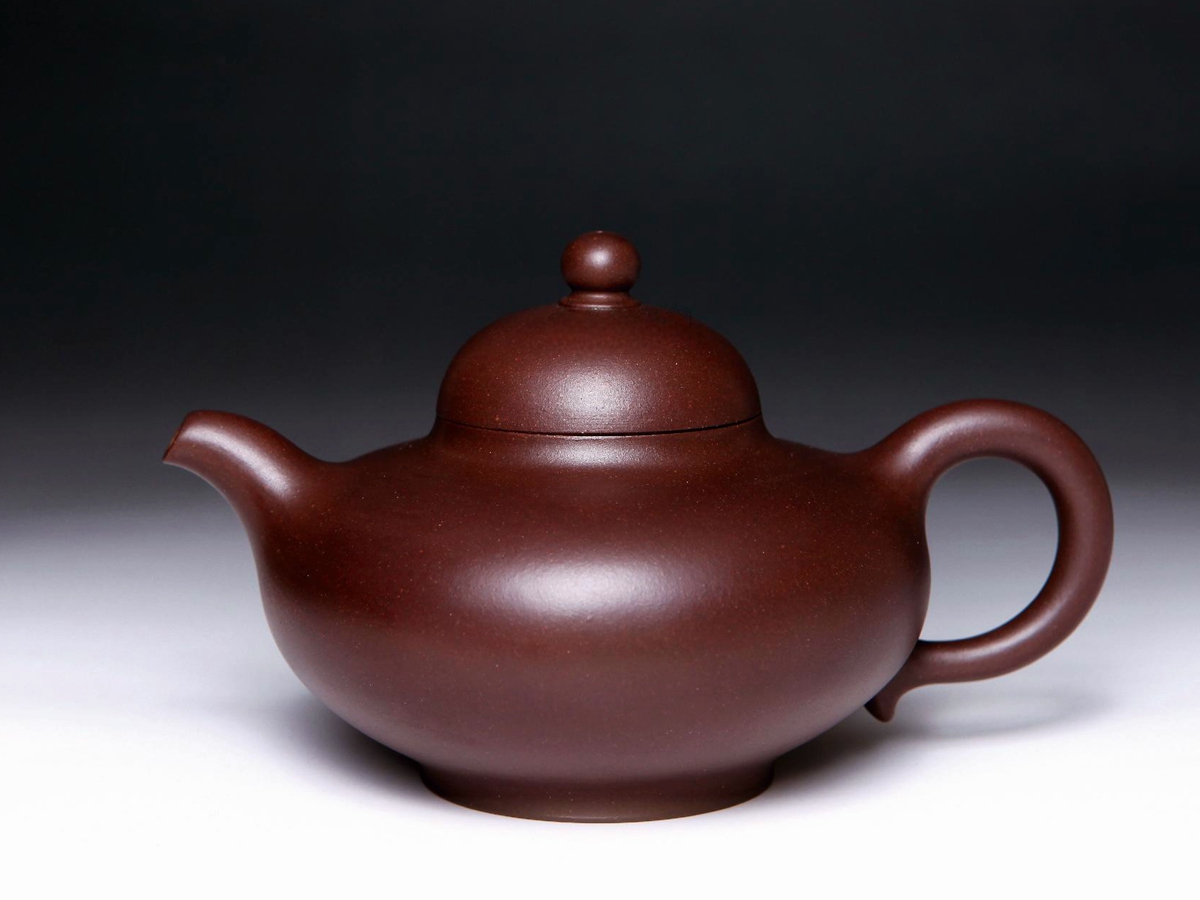
The Huayin teapot, or “flower bud,” is one of the most exquisite and symbolic teapots in Chinese tea tradition. Its name, 华颖壶 (Huáyǐng hú), reflects the elegance and sophistication of its nature-inspired form.
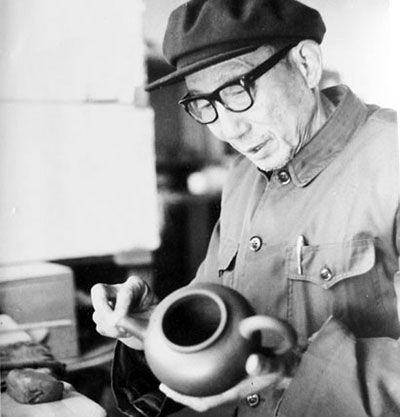
This teapot was created by master Gu Jingzhou (顾景舟, Gùjǐngzhōu), one of the most famous ceramic masters of the 20th century, who breathed new life into the traditional forms of Chinese teapots.
History of the Huayin Teapot Shape
The Huayin teapot was developed based on the traditional shape of the Duoqiu teapot (掇球, Duōqiú), which is known for its rounded and harmonious lines. However, master Gu Jingzhou added a new element to this shape, inspired by nature - a half-open flower bud. This shape symbolizes beauty, harmony and continuous development, making the teapot not only a functional object, but also a work of art.
Interestingly, there was no character for “flower” (花, huā) in ancient Chinese. Instead, the character “華” (huá) was used, which also means “splendor” or “brilliance.” That is why the character “華” was used in the name of the teapot, emphasizing its aesthetic value and connection with nature.
Design features
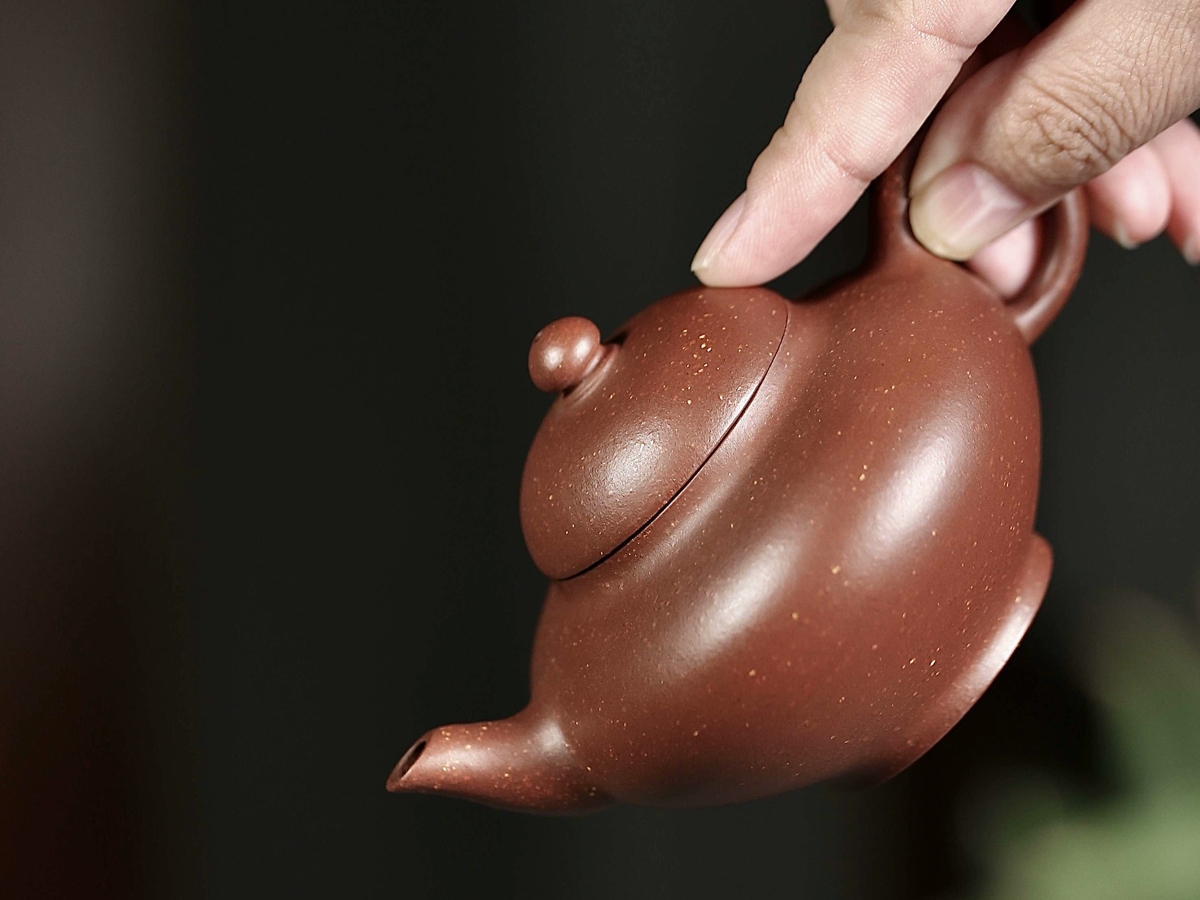
The Huayin teapot is distinguished by its exquisite shape, which consists of three main circles symbolizing harmony and balance. These circles flow smoothly into each other, creating a sense of continuity and naturalness. The handle, spout and lid of the teapot are made with special attention to detail, which makes it not only convenient to use, but also visually attractive.
Master Gu Jingzhou paid great attention to the quality of the material and the fineness of the workmanship. The Huayin teapot is usually made of high-quality Yixing clay (宜兴紫砂, Yíxīng zǐshā), which is known for its unique properties: it retains heat, improves the taste of tea and acquires a noble hue over time.
Interesting facts
- Symbolism of Shape: The shape of the Huayin teapot, inspired by a flower bud, symbolizes not only beauty but also the potential hidden in every living being. This makes it a popular gift for important life events such as weddings or the birth of children.
- Master Gu Jingzhou: Gu Jingzhou is considered one of the greatest ceramic artists of the 20th century. His works, including the Huayin teapot, are highly prized by collectors and often sell for huge sums at auction.
- Yixing Clay: Huayin teapots are made from Yixing clay, which is found only in Jiangsu Province. This clay is unique in that it “breathes,” allowing the tea to retain its aroma and flavor.