


Пуэр, Те Гуань Инь, Да Хун Пао – самые бодрящие чаи
Since November 2010, tea retailers have observed a strange interest among young people in certain tea varieties. Shu Pu'er, Tie Guan Yin, and Da Hong Pao are all selling out. These three famous Chinese tea varieties were mentioned in a song written by two popular hip-hop artists. The song conveys a message about the dangers of alcohol and drugs and the benefits of tea. After the album's release, hip-hop fans literally bought up the tea varieties mentioned in the lyrics. High-quality product placement, targeting not a specific brand but an entire product group, generated massive and undeniable demand.
Naturally, this interest didn't arise out of nowhere. Tie Guan Yin and Da Hong Pao are indeed often perceived as vibrant, memorable, and invigorating Chinese teas. They are often the first introduction to Chinese tea culture: these varieties have a distinctive flavor, a distinctive aroma, and the effects of quality tea are felt after the first few cups.
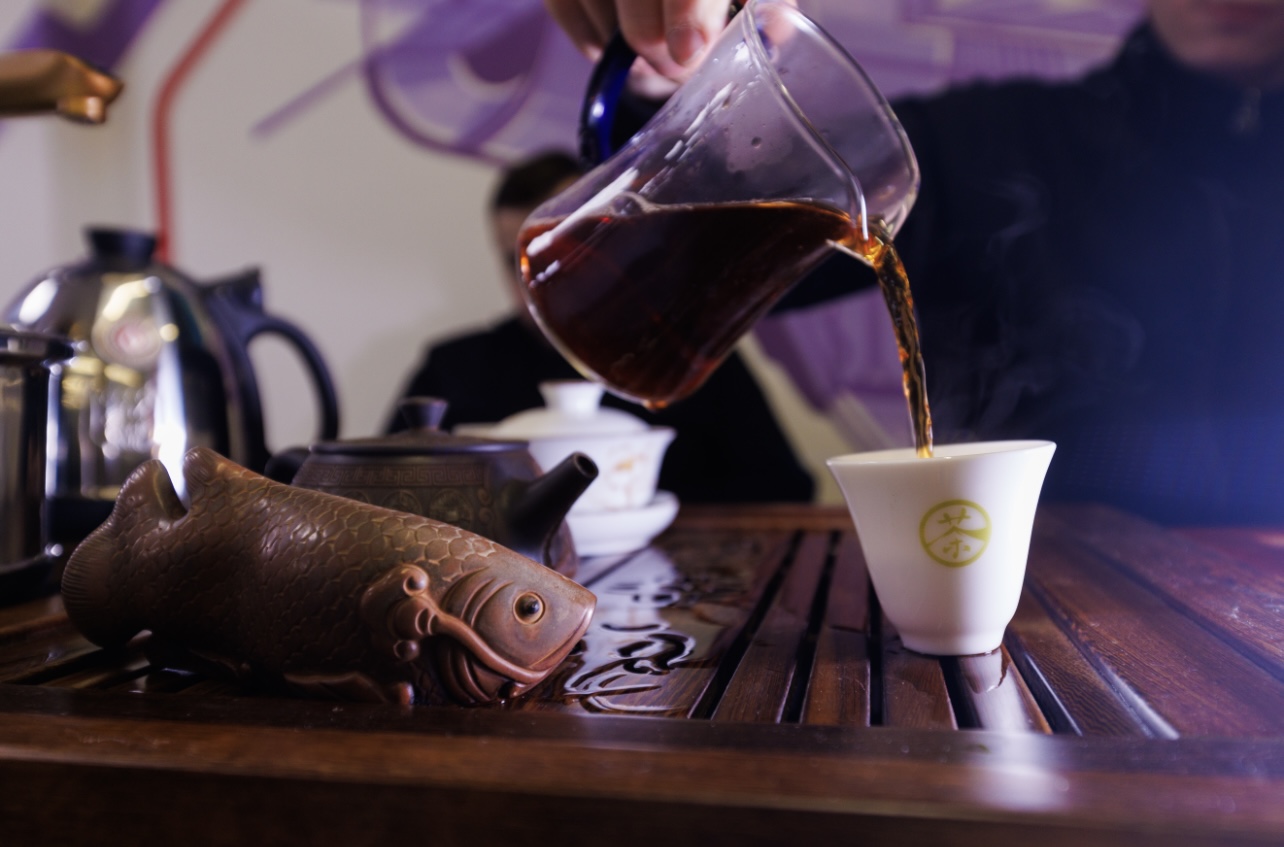
What's encouraging in this situation is the clear denial of drugs by respected figures in the hip-hop world, contrasting tea with alcohol and other psychostimulants. And these aren't just empty assertions.
Why does tea invigorate?
High-quality fresh tea contains approximately 700 different substances, some of which affect the brain. Primarily, this property is possessed by theine, which is similar in properties to caffeine but has a milder effect and does not accumulate in the body. Theine affects the brain centers associated with higher mental activity: it improves coordination and speed of various functional areas of the brain, inducing a feeling of alertness, lightness, and reduction of fatigue.
Professor I.P. Pavlov proved that under the influence of theine, excitatory processes prevail over inhibitory ones. Heart activity increases, blood vessels dilate, allowing more oxygen to reach brain cells. All this leads to heightened sensitivity and a wealth of mental associations. One could say that tea intoxicates with sobriety, helping to achieve a previously unknown clarity of consciousness, which an unaccustomed person might confuse with euphoria.
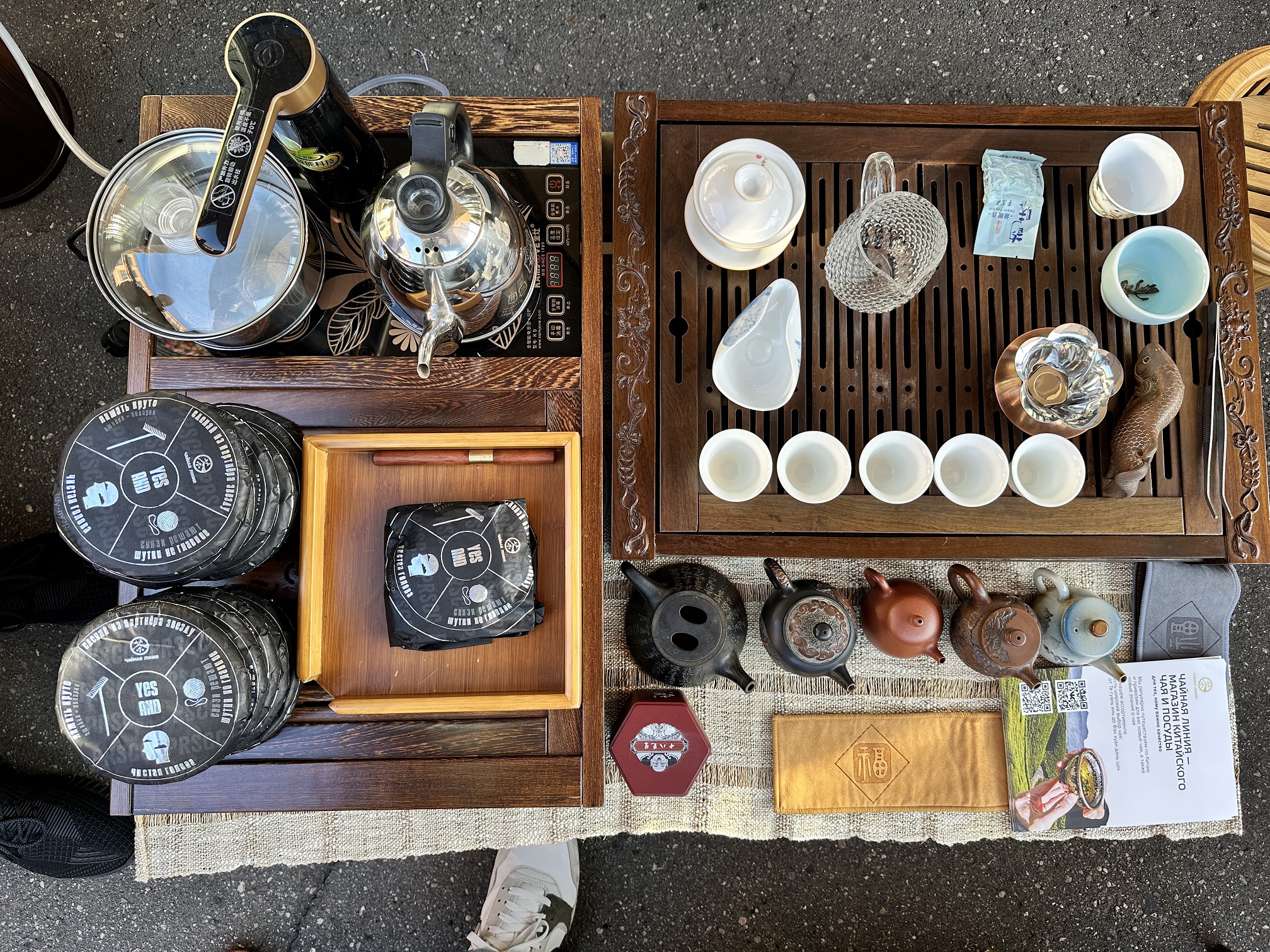
While an overdose of caffeine in coffee can deplete the nervous system and raise blood pressure, the caffeine in tea, combined with theine, has a different effect. Drinking tea brewed in the classical Chinese tradition daily provides a lasting, clearing effect, rather than the brief epiphanies and long-lasting mental fogginess associated with traditional stimulants. The tea is quite gentle, and its effects are prolonged.
This is why tea is increasingly seen as a milder alternative to coffee. Those looking for a tea to drink instead of coffee should consider not only the invigorating effect, but also the character of the drink:
- Pu-erh is suitable for those who need a dense and noticeable taste;
- Tie Guan Yin - for those who want lightness and floral aroma;
- Da Hong Pao - for those who appreciate calm concentration and the atmosphere of leisurely tea drinking.
A person who develops the habit of drinking good tea throughout the day ultimately gains much more than alcohol and drugs can provide: sharpness of thought and clarity of expression, conciseness and pithy speech, an abundance of ideas and an understanding of how to implement them, a lack of extremes in intentions and behavior – the so-called middle way, taught by Chinese sages.
Which is more invigorating: Pu-erh, Tie Guan Yin, or Da Hong Pao?
So what is this tea that has captured the attention of young people? Why are it selling so well, despite its high price?
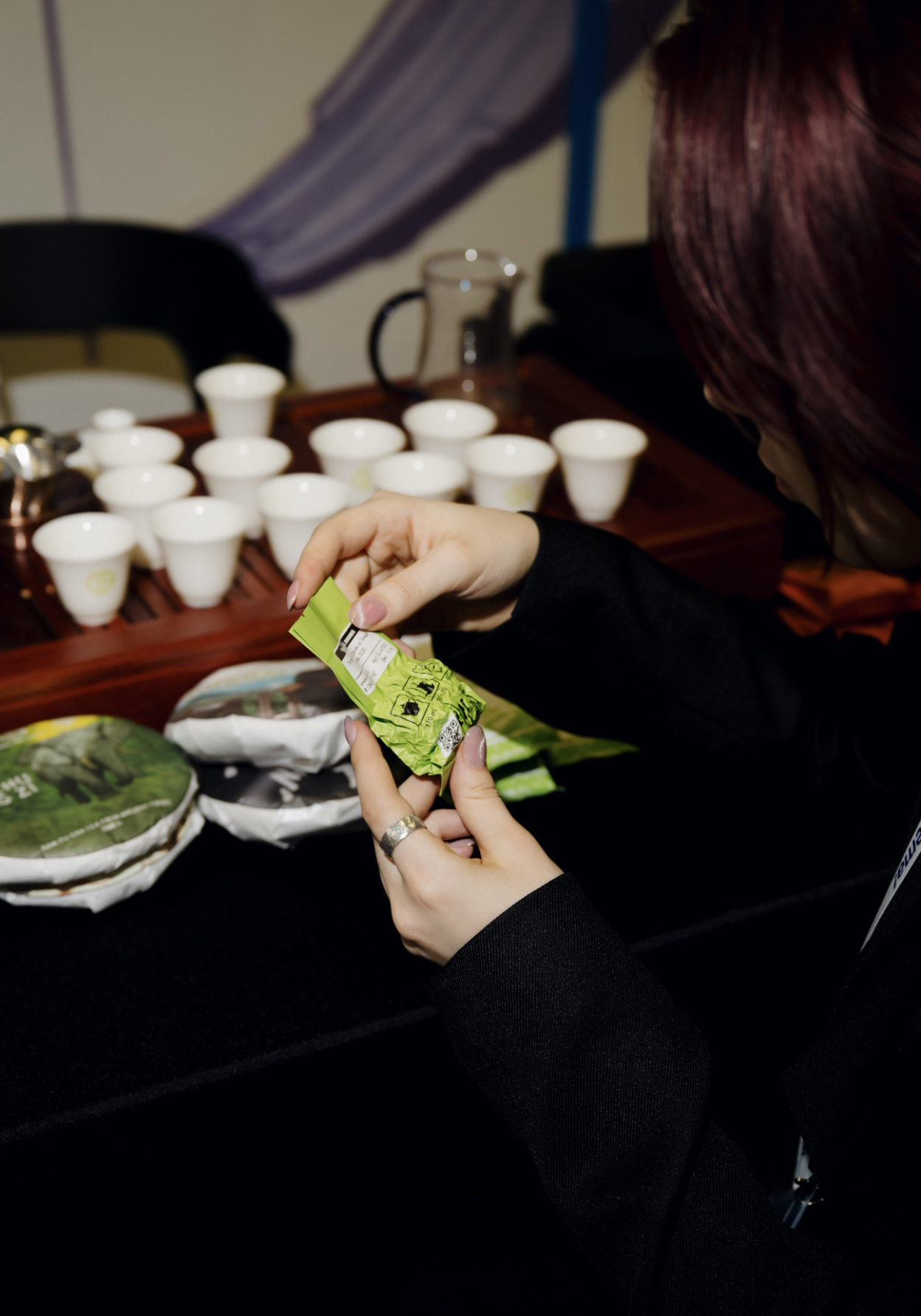
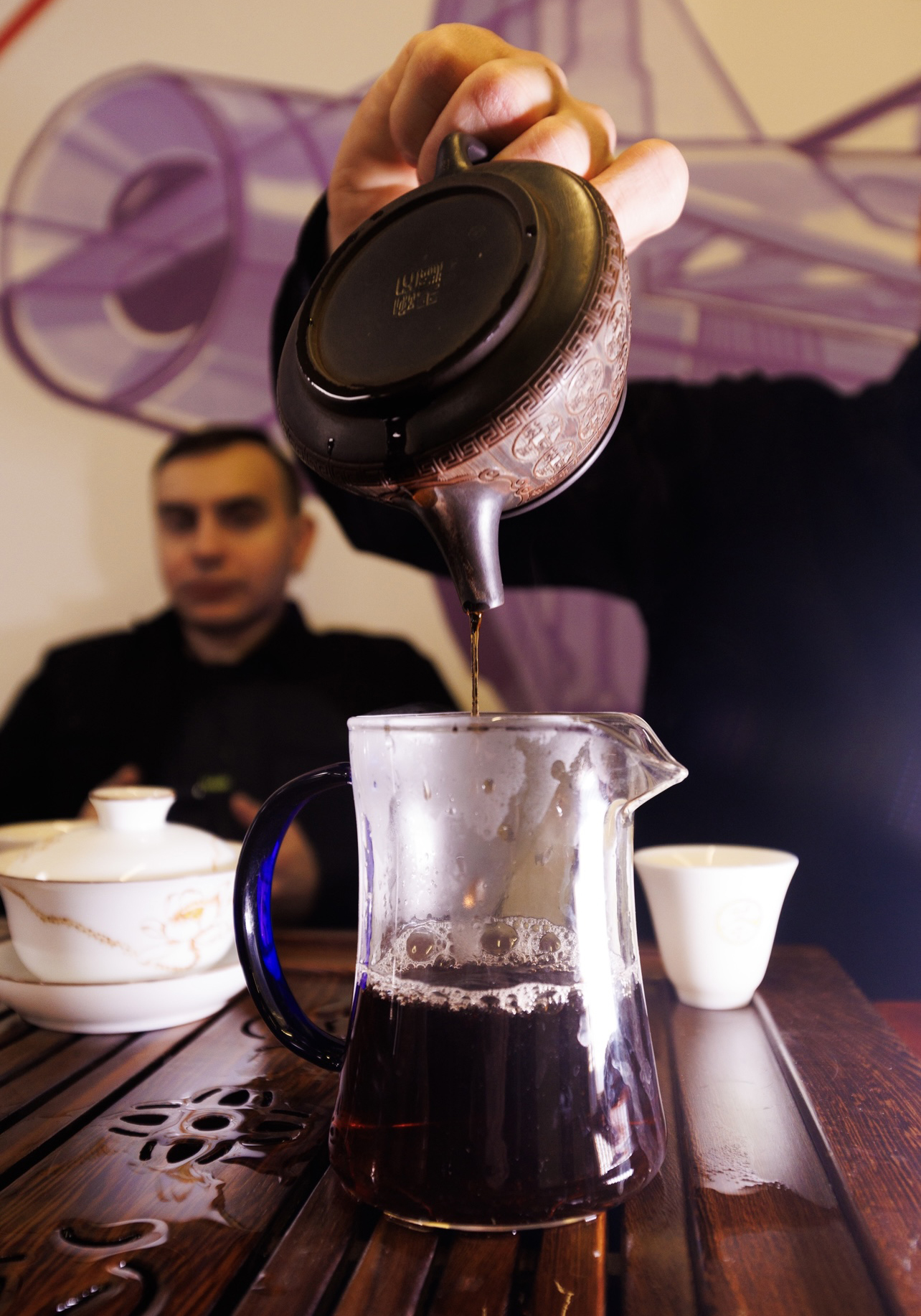
The answer is simple: these are the three most invigorating and vibrant varieties of Chinese tea, familiar to Europeans who want to experience a quick and noticeable effect from the very first cup.
| Tea | Taste | Effect | When to choose |
|---|---|---|---|
| Pu-erh | dense, dark, woody | pronounced cheerfulness | in the morning, instead of coffee, for energy |
| Tie Guan Yin | floral, honeyed, light | soft clarity | first meeting, ceremony |
| Da Hong Pao | deep, tart, fruity | concentration and relaxation | evening, quiet tea drinking |
Pu-erh is an ancient tea with a pronounced invigorating effect.
Pu'er, as it has been for centuries, is harvested from wild tea trees in the southwestern province of Yunnan, bordering Laos and Vietnam. The leaves of Yunnan tea trees contain a wealth of beneficial substances, which are preserved and modified through a special process called fermentation.
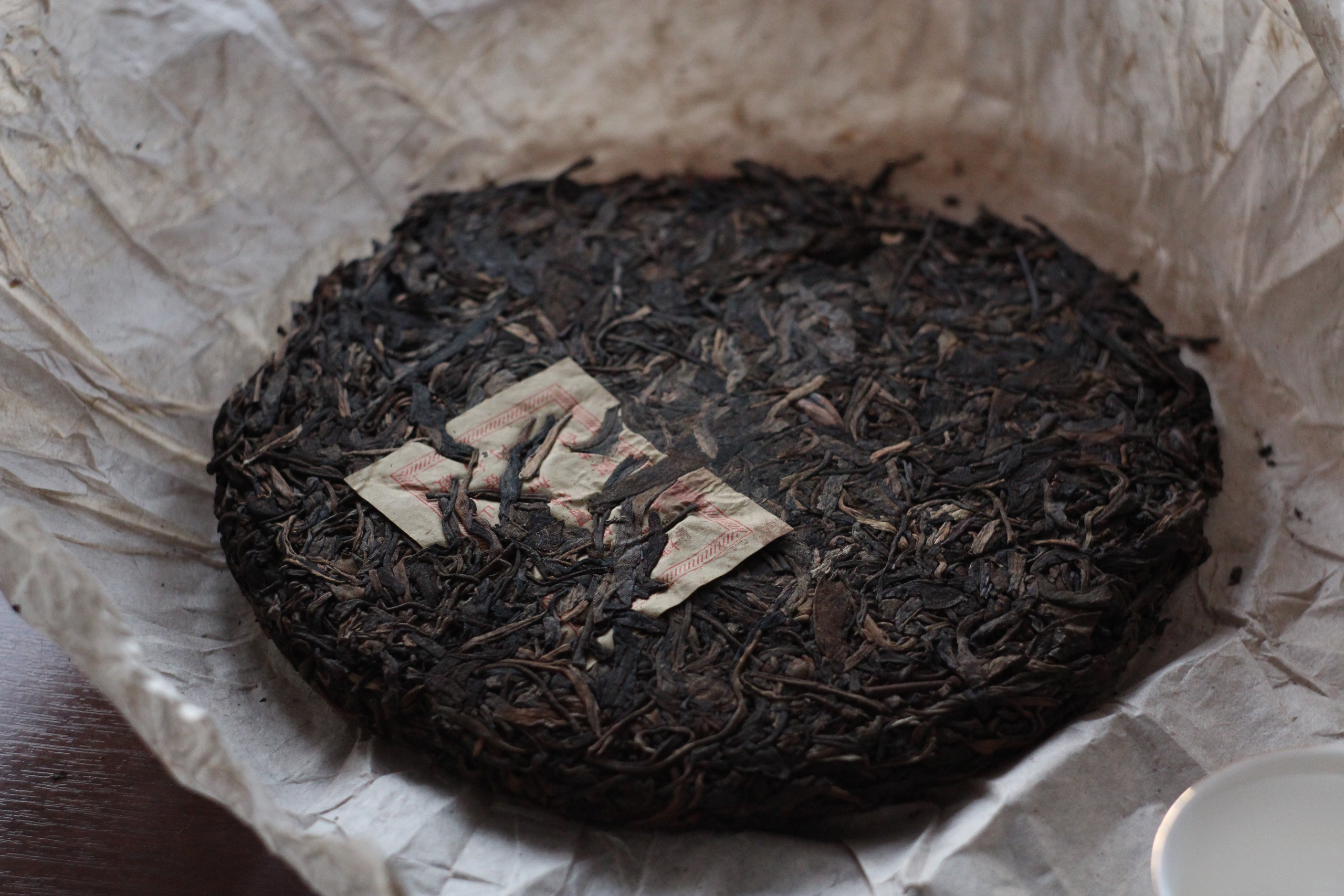
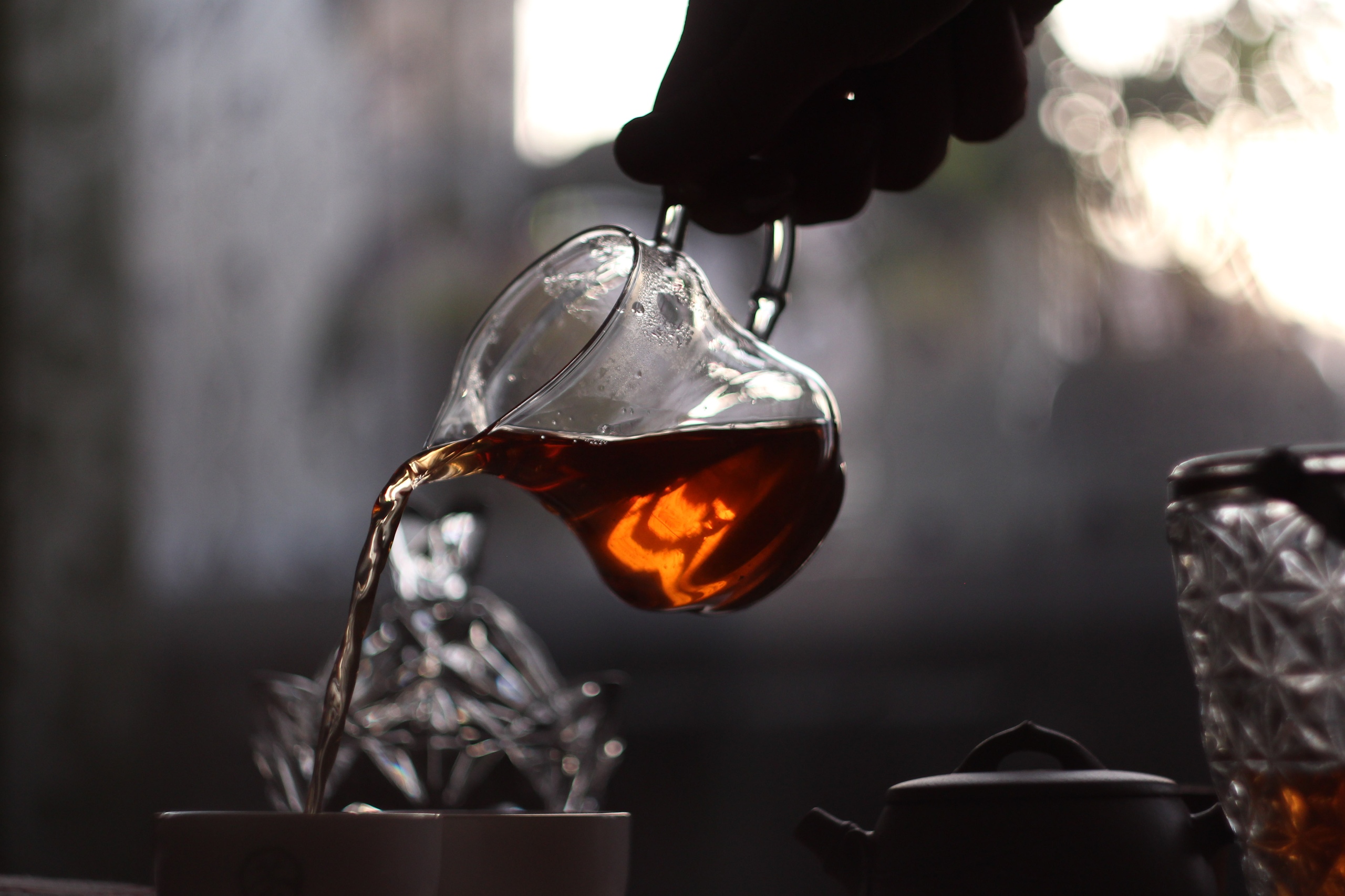
Pu-erh is the only tea that is aged for a long time under special conditions to mature, acquiring new beneficial compounds, enhanced flavor, and aromatic properties. Therefore, the main reason Pu-erh is so invigorating is its density, richness, and strong tea character. Therefore, Pu-erh is often chosen by those seeking an invigorating Chinese tea, a tea substitute for coffee, or a drink for clarity and focus.
Biochemists claim there are approximately 1,500 aromatic compounds in the world, more than 300 of which are found in pu-erh tea. Furthermore, this tea is rich in:
- antioxidants,
- amino acids,
- sugars,
- vitamins,
- pigments,
- polyphenols.
European scientists have discovered that gallic acid:
- prevents the formation of malignant hepatoma;
- blocks cholesterol synthesis;
- protects the liver and heart;
- inhibits the development of the hepatitis B virus.
Polyphenols and their oxidation products help cleanse blood vessels and capillaries, even in advanced cases or in the elderly. This means that with regular consumption of pu-erh:
- memory improves;
- reduces the risk of strokes;
- the overall tone increases;
- Decreases weather sensitivity.
The complex of vitamins and microelements contained in post-fermented tea helps delay many illnesses in old age, and in youth it strengthens the body, making it resilient and robust, preventing the development of age-related diseases.
Simply put, a 20-year-old man who drinks pu-erh every day will look much younger by the age of 30 than his peer who drank alcohol and abused drugs.
Needless to say, young women who understand the beneficial properties of tea early on have every chance of looking like they're thirty at 50, and instead of excess weight and health problems, have beautiful skin and a feeling of youth.
In addition, pu-erh contains a lot of fluoride - 300 times more than other types of tea, and this amount is enough to prevent tooth decay by drinking a couple of cups of pu-erh a day.
Regarding the taste and aroma of this tea, good pu-erh does not smell fishy or earthy. It has:
- dark rich infusion;
- pleasant taste, very different from any other tea;
- the aroma of an "attic smelling of antiquities";
- nutty and woody tones;
- heavy scent of tropical flowers.
It's often called a man's tea, and it's truly incredibly invigorating. You can buy pu-erh tea at our online Chinese tea store.
Pu-erh is the tea to choose if you're looking for the most invigorating tea in this selection, a full-bodied flavor, a dark brew, and a pronounced effect from the first cup. When brewing Pu-erh, to ensure its invigorating effect, it's best not to over-infuse it and adjust the strength to suit your taste.
Tie Guan Yin - a fragrant oolong for lightness and tea ceremony
Tie Guanyin, which is considered to be native to Anxi, is a completely different tea, belonging to the oolong category.
According to legend, a peasant dreamed of the goddess Guanyin, who, in return for his devotion, showed him the path to a tea bush in the mountains. The next morning, the peasant found the bush, brought it home, and grew it into a tree that produced miraculous tea leaves. The new tea variety was named in honor of the goddess—Tie Guanyin.
Today it is considered the finest tea in China and is used in the classical Chinese Gongfu Cha ceremony.
Tie Guanyin is very fragrant. It has:
- sweet floral aroma with honey notes;
- balanced sweet taste;
- long, full aftertaste.
Tie Guanyin is also valued for its wide range of beneficial properties. Anyone who tries this tea dramatically improves their opinion of Chinese tea. The only drawback to Tie Guanyin is its price.
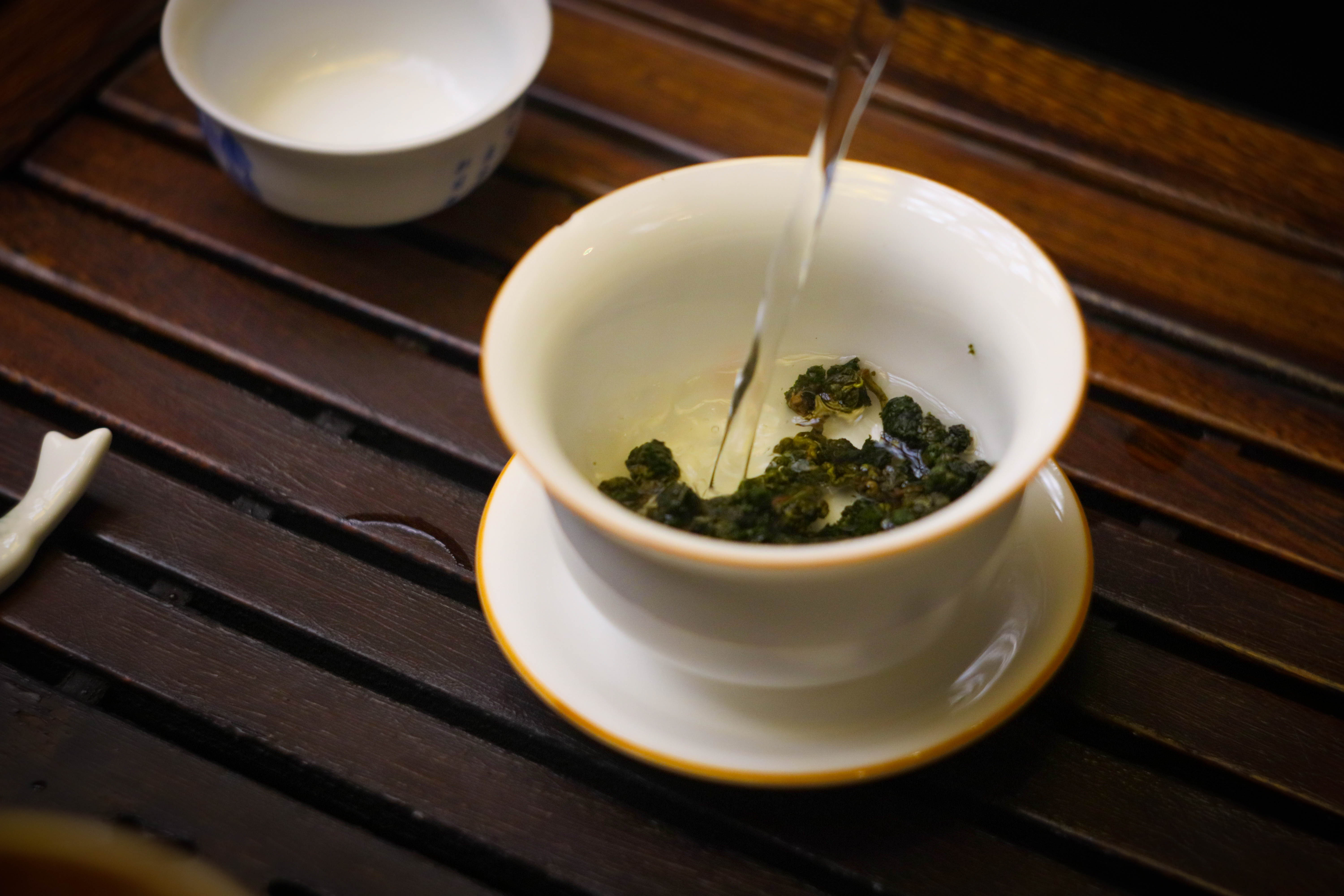
The fact is that Russian stores often sell its "little brother," Zhong Cha, instead of the best Chinese tea. It resembles the famous tea in appearance, but when brewed, it bears no resemblance to it: neither in taste, nor in the color of the infusion, nor in its effects on the mind.
Prices for Tie Guan Yin start at $30 per 100 grams, while Zhong Cha can cost as little as $3. Unfortunately, the only way to spot a fake is to brew the tea.
Often, after a long ceremony of drinking genuine Tie Guanyin, participants notice an extraordinary lightness and inexplicable joy. The best varieties of this tea can require up to 25 steepings, and each subsequent steeping produces a more tart and dark infusion.
This tea is traditionally enjoyed in pleasant company, when you have two or three free hours. It's not an everyday tea, but rather a festive one, akin to fine wine.
Da Hong Pao Effect - Fact or Fiction
Da Hong Pao tea literally means "Big Red Robe," which is associated with a beautiful legend about specially trained monkeys who picked tea in the remote mountainous regions of Wuyi Shan. To distinguish the tame monkeys from pests, they wore red robes. According to another legend, the emperor gifted the red robes to four tea bushes in gratitude for curing his mother of a mysterious illness. Regardless, Da Hong Pao is one of China's finest teas.
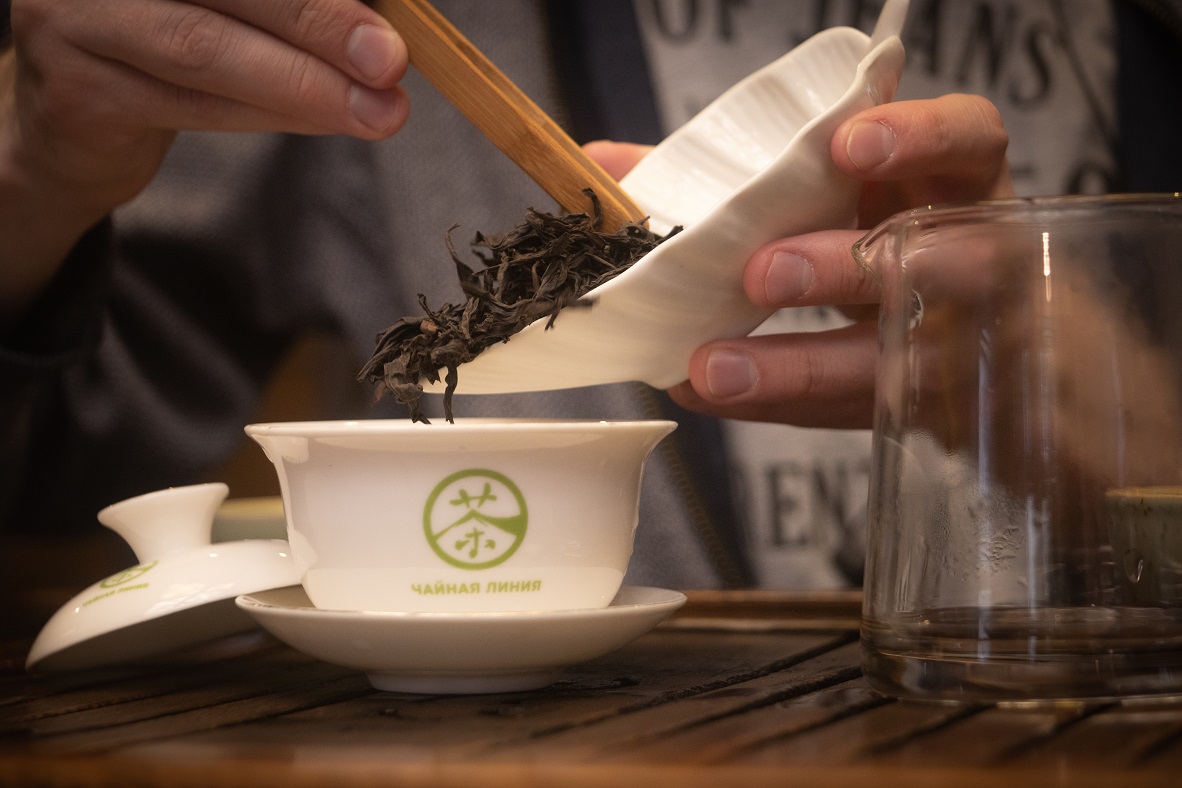
A unique growing region in the Wuyi Mountains of northern Fujian Province, a precise harvesting time, and meticulous sorting with careful processing produce tea with superb flavor, aroma, and healing properties. Good-quality tea costs from $30 per 100 grams and is dark green in color with brown and bluish, almost purple, tones, and a vibrant aroma. Like other good teas, Da Hong Pao is steeped many times, and each brew is unique.
The first steeps are characterized by a slight astringency and a reddish color, becoming sweeter with a fruity aroma and orange hues. Da Hong Pao has a soft, relaxing effect, often compared to intoxication. The effect of Da Hong Pao is that the first cups of tea clear the mind, sharpen vision, enhance detail, and enhance the ability to distinguish the subtlest shades of color. Da Hong Pao relieves fatigue and creates a special mood.
Da Hong Pao doesn't act as directly as strong coffee or rich Pu'er. It can simultaneously invigorate and relax: the first few cups help clear the mind, while subsequent cups reveal a soft, calming tea state. Therefore, this variety is often chosen not for a sharp stimulation, but for concentration, evening tea, and a special mood.
Which tea should a beginner choose?
If you're new to Chinese tea, the easiest way to start is with the question: what effect are you looking for? For a full-bodied, invigorating experience, try Pu-erh. For a light, aromatic tea experience, try Tie Guan Yin. For calm concentration and deep flavor, try Da Hong Pao.This choice helps you quickly understand the differences between the three famous varieties and decide which tea to drink instead of coffee, which tea to choose for invigoration, and which one for a leisurely ceremony.
Bottom Line: Which Chinese Teas Are Best for Invigoration?
Pu'er, Tie Guan Yin, and Da Hong Pao all invigorate in different ways. Pu'er is the densest and most powerful in its sensation. Tie Guan Yin is the lightest, most aromatic, and most festive. Da Hong Pao is the deepest and most atmospheric, with a calming clarity.
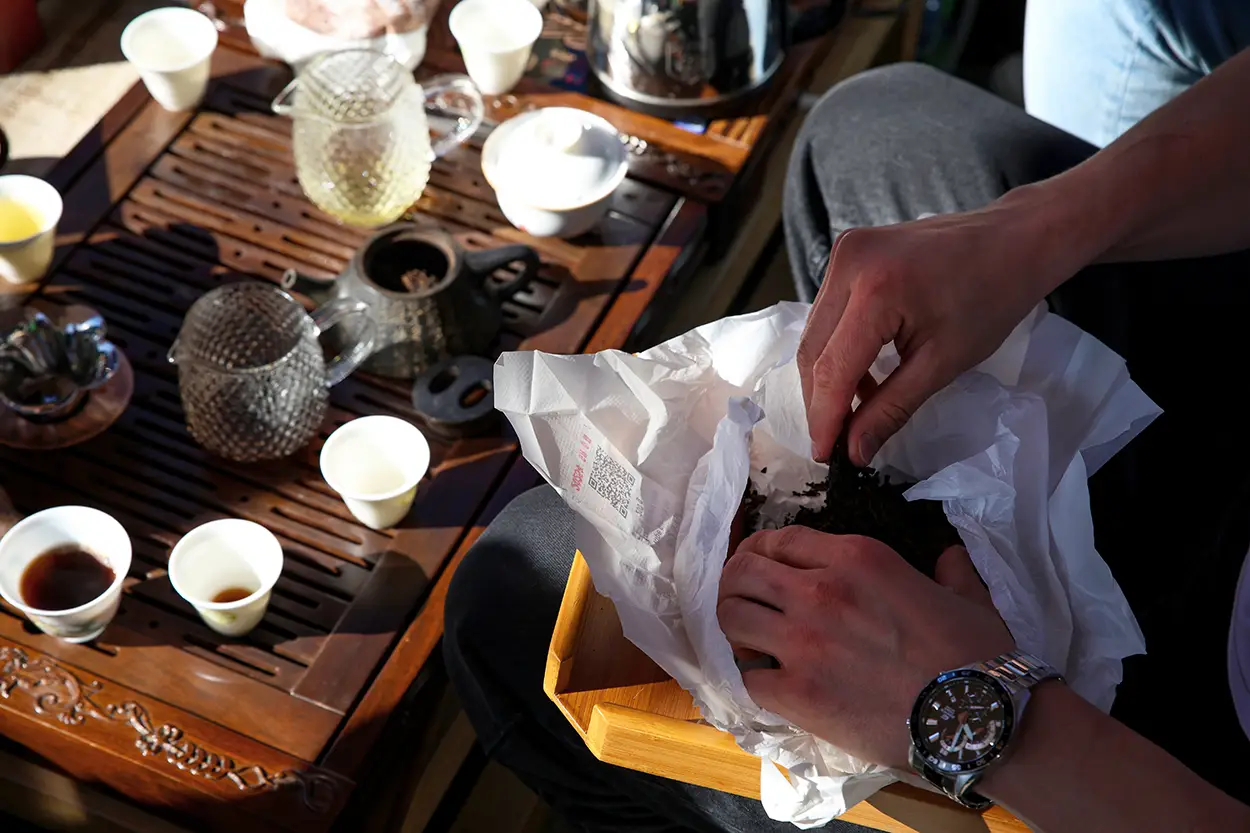
The irrepressible desire to alter consciousness by any means necessary too often leads to the use of substances that are toxic to the mind and body, but adults in every sense of the word increasingly choose tea. The path of tea leads to a clear mind, enables one to reach heights of thought, and helps preserve the youth of body and soul. The example of our eastern neighbors once again proves that hasty decisions are not the most effective. The thousand-year history of tea consumption is experiencing a true renaissance in 21st-century China, helping achieve success in all areas of life. Drink tea and be healthy!