


Молочный улун: что скрывается за популярным названием
Milk oolong is one of the most recognizable teas in Russia. It's on the menu of almost every café, ordered by newcomers, and given as a gift to those "who don't know much about tea."
Soft, slightly sweet, with a caramel aftertaste, it's a favorite of almost everyone. That's why there are so many beautiful, but so few honest, stories surrounding it.
Where did milk oolong come from?
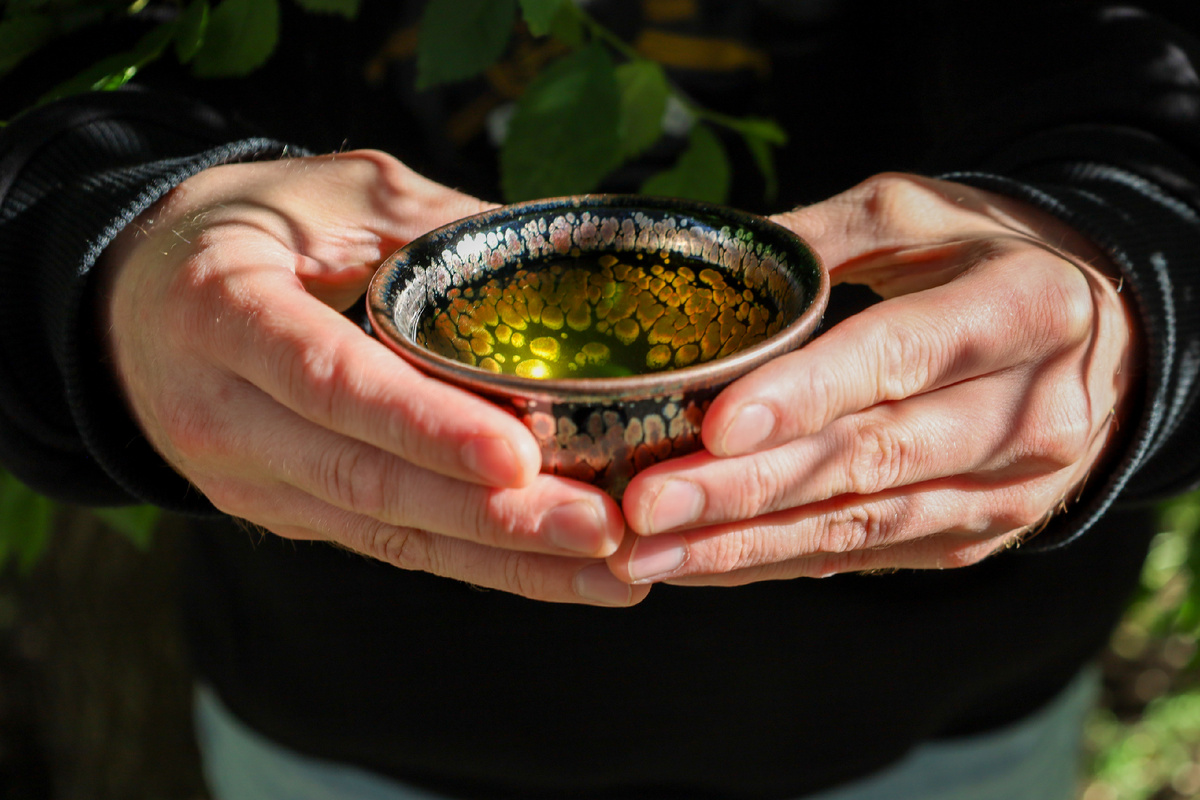
The story begins in Taiwan. In 1980, breeders at the Taiwan Tea Experimental Station developed a new variety of tea camellia, No. TTES-12, poetically named Jin Xuan, or "Golden Flower." The variety was created specifically for the production of lightly fermented oolongs, so-called turquoise teas. And unlike most other oolongs, it truly possessed natural milky notes: light, delicate, barely perceptible—just as a truly good oolong should.
Jin Xuan from high-altitude Taiwanese plantations is considered the best. The altitude significantly influences the taste: the higher the altitude, the slower the leaf grows, and the more complex and subtle its flavor profile. It is this tea that can produce those naturally milky notes that are commonly described. But these notes are not the aroma that hits the nose from a meter away.

When European buyers discovered this tea, it sold well, especially in the UK, where milk tea has long been a part of the culture. But along with the growing demand came a demand for a more vibrant, rich milky aroma. Buyers were no longer satisfied with Jin Xuan's subtle, natural notes—they wanted something more pronounced. This is where the story took a turn.
How Milk Oolong Tea Became a Mass Product
Selective breeding yielded no results. Naturally developing a bush with a rich, milky aroma proved impossible: this method simply didn't produce the desired intensity of scent. Then the Chinese chemical industry stepped in.
A flavoring agent called "Milk Aroma" was developed—an alcohol solution with vanilla-caramel flavors. It's produced primarily in Japan and Germany and added after fermentation, before heat treatment in a drum, at a rate of approximately 100 grams per ton of tea leaves. It's a clear liquid, slightly thicker than water. It's what you'll smell when you order a milky oolong tea at a regular café or pick it up at a store.
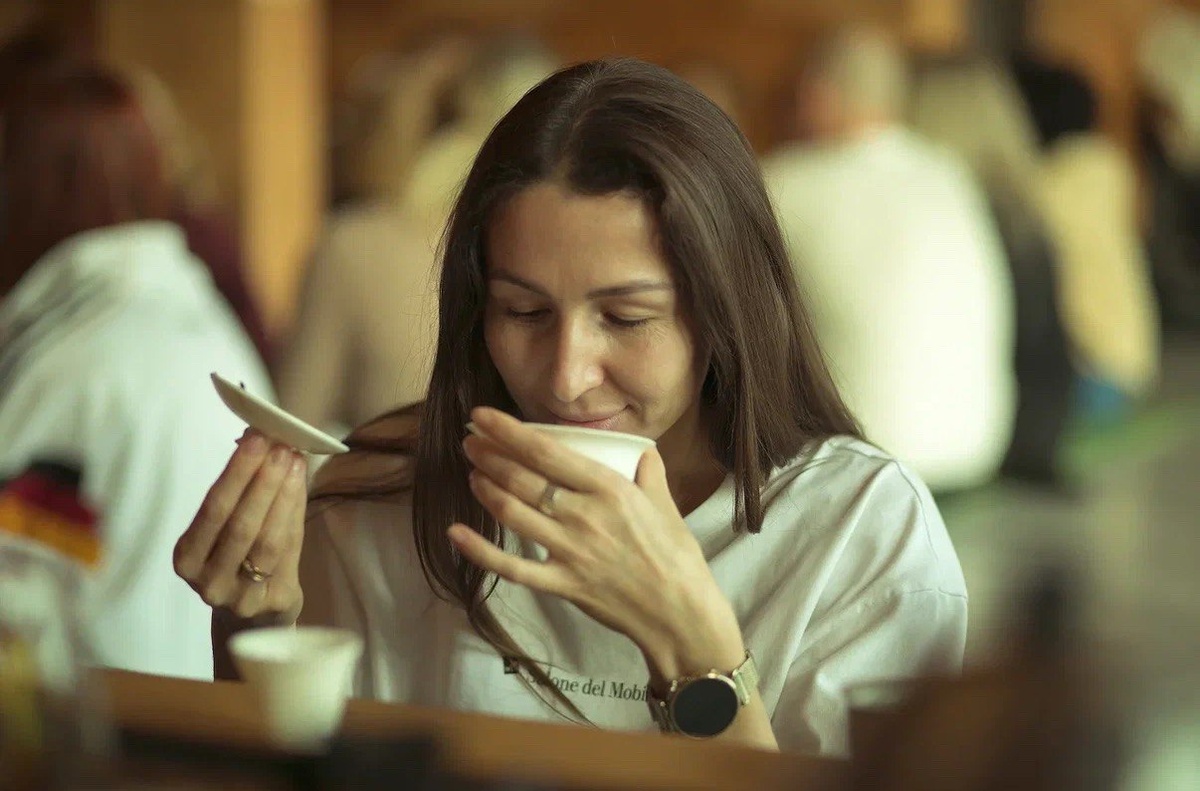
Why caramel and not milk? Because milk itself has almost no smell. The aroma we typically associate with milk is caramel, cream, and vanilla. This is precisely the bouquet that the flavoring reproduces.
An important detail: flavoring is primarily done with cheap, low-quality raw materials. The logic is simple: stale Tie Guan Yin (a year or more old), old Mao Xie, or Huangjin Gui sell poorly on their own. Flavoring them gives them the desired effect, after which they are exported well to Europe and Russia. There's no point in flavoring expensive tea for two reasons: it already sells well in China, and its own flavor will clash with the artificial flavor and fail to produce the desired effect.
This is why all milky oolong teas with their distinctive flavor sold in Russia are flavored. The only difference is the quality of the flavoring: the Russian market traditionally uses a cheaper flavoring, while the European market uses a higher-quality flavoring, sometimes developed specifically for a specific brand.
Myths that still live on
So many beautiful legends have accumulated around milk oolong tea that we could analyze them endlessly. Here are a few examples of what you might actually find in descriptions of this tea:
"The leaves are steamed in milk whey—the tea, under the influence of the steam, absorbs all the flavor and aroma of the milk."
"The bush is pollinated with a sugarcane solution, and the rhizomes are watered with instant milk and covered with rice grain husks."
"Tea is soaked in milk"
"During the drying process, the tea leaves are treated with pineapple juice—this is what gives the tea its creamy taste and aroma."
"The secret to the milky taste lies in a special cultivation method on high-mountain plantations in Fujian Province."
These are all just myths that sell tea, but they have no basis in reality. Neither milk infusions, nor whey steaming, nor pineapple juice would produce the rich caramel aroma found in classic milky oolong. It's physically impossible in such concentrations.
What's particularly noteworthy is that milky oolong tea is rarely consumed in Taiwan or China. All flavored tea of this kind is produced exclusively for export, for the European and Russian markets. The producers themselves drink something else.
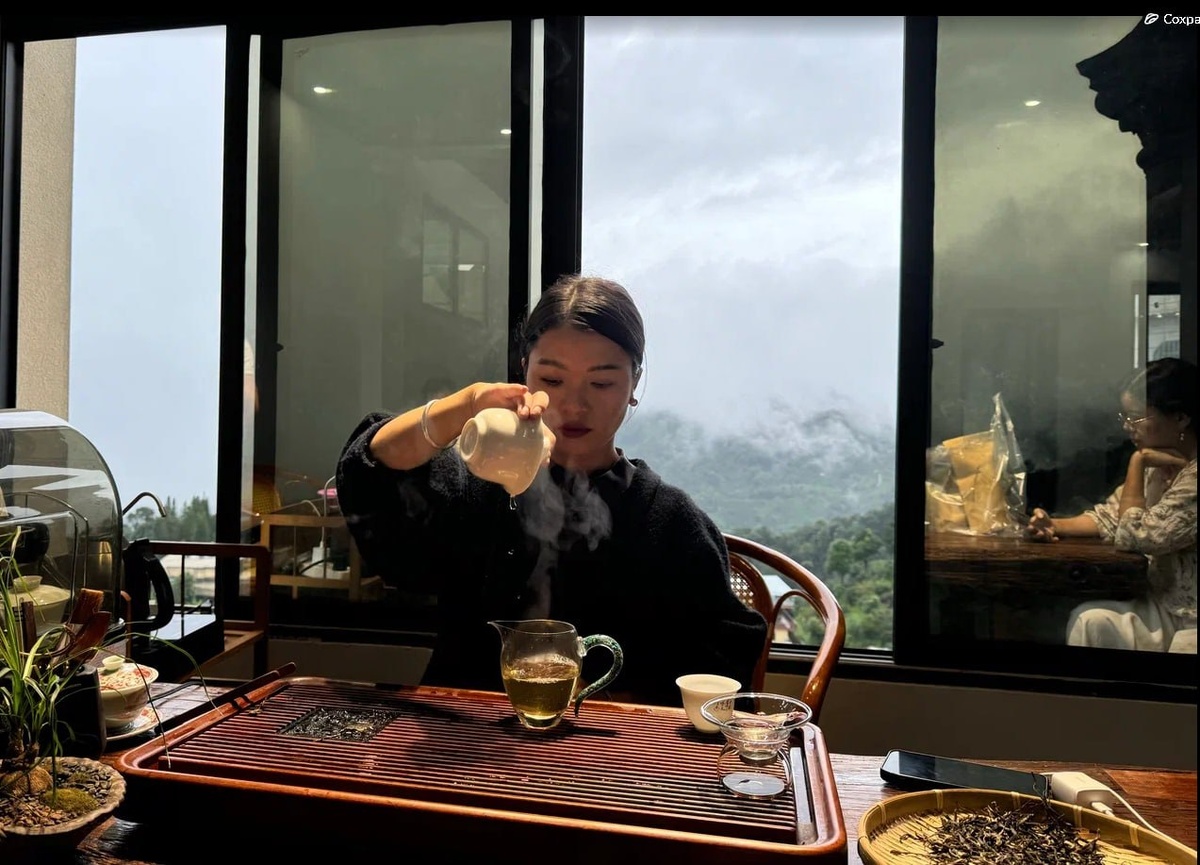
Is there such a thing as real milk oolong?
Yes, but that's a completely different story and a different scale of expectations.
The Jin Xuan variety from Taiwan's high-mountain plantations can indeed produce natural milky and caramel notes. Similar nuances are found in other oolongs, such as Fo Shou and certain Taiwanese varieties that are properly processed. But these are just that: subtle, fleeting notes, emerging at a specific point in the brewing process and disappearing just as imperceptibly. This is how a good oolong reveals itself: it doesn't reveal a single note from the first steep to the last, but evolves gradually.
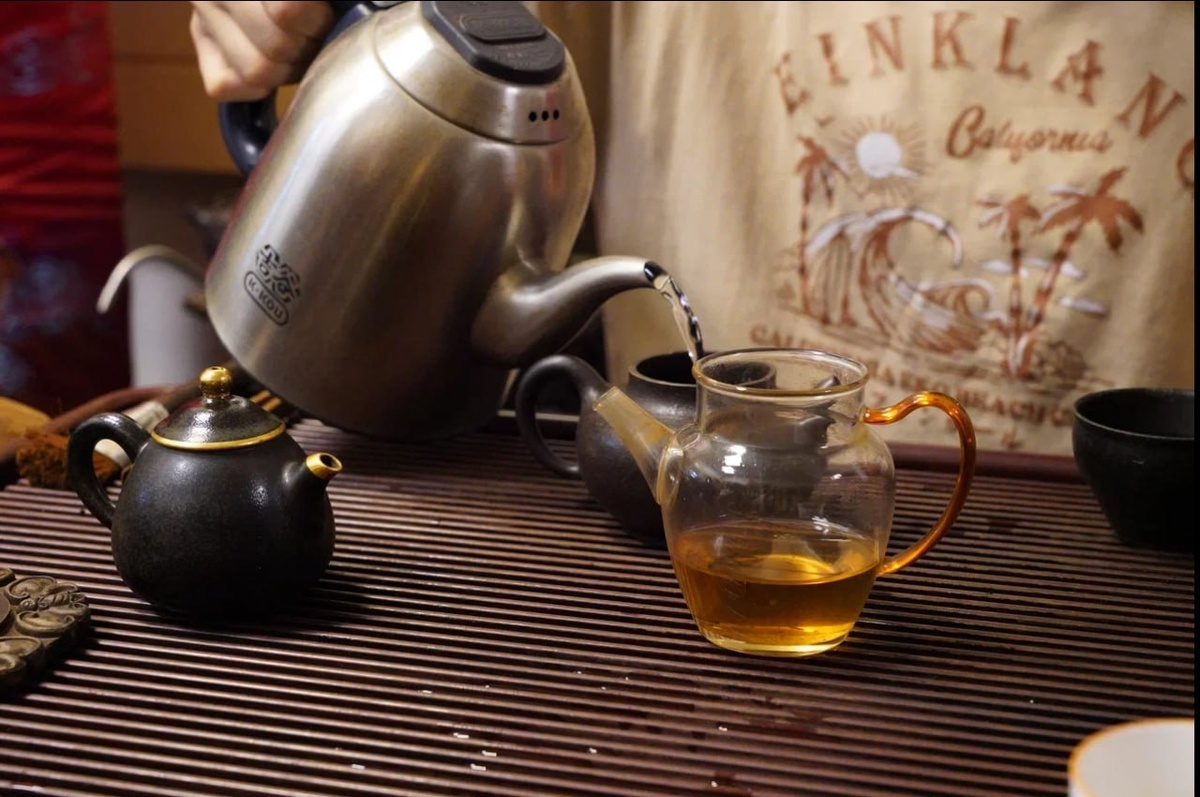
Comparing natural Jin Xuan with classic flavored milky oolong is like comparing fresh flowers with perfume. While they may look similar, their essence is different.
It's important to understand that artificial flavoring itself isn't a disaster. It's a technology that's long been around and is widely used in the food industry. The problem is that it almost always masks the low quality of the raw materials, while beautiful myths about milk and mountain plantations create false expectations in consumers about what they're drinking.
Why the price speaks for itself
There's one simple sign that explains a lot without further ado: Milk Oolong is cheaper in most stores than Tie Guan Yin. Even though the same raw materials are used (Tie Guan Yin or similar oolongs), the production of Milk Oolong also includes the cost of flavoring.
This means only one thing: the flavoring does not improve the tea - it hides the shortcomings of cheaper raw materials and sells it where without it it would not find a buyer.
It is neither profitable nor pointless to flavor good raw materials: they already have their own complex aroma that will not combine with artificial additives, and they are significantly more expensive.
How to choose milk oolong tea and what to look for
Here are a few guidelines to help you avoid mistakes.
• Aroma. Flavored milk oolong tea has a very sharp, thick aroma that can be felt even through the packaging. Natural Jin Xuan tea has a light, delicate aroma that is not overpowering.

• Price. A good Taiwanese Jin Xuan cannot be cheap. If a milky oolong is sold for less than the average Tie Guan Yin, it is almost certainly a flavored product made from cheap raw materials.
• Origin. Genuine Jin Xuan comes from Taiwan, not Fujian Province. If the description says "Fujian Milk Oolong," that's cause for concern.
• Brewing behavior. High-quality oolong tea develops gradually and changes from steeping to steeping. Flavored teas tend to lose their aroma quickly: by the 3rd or 4th steeping, there's little left.
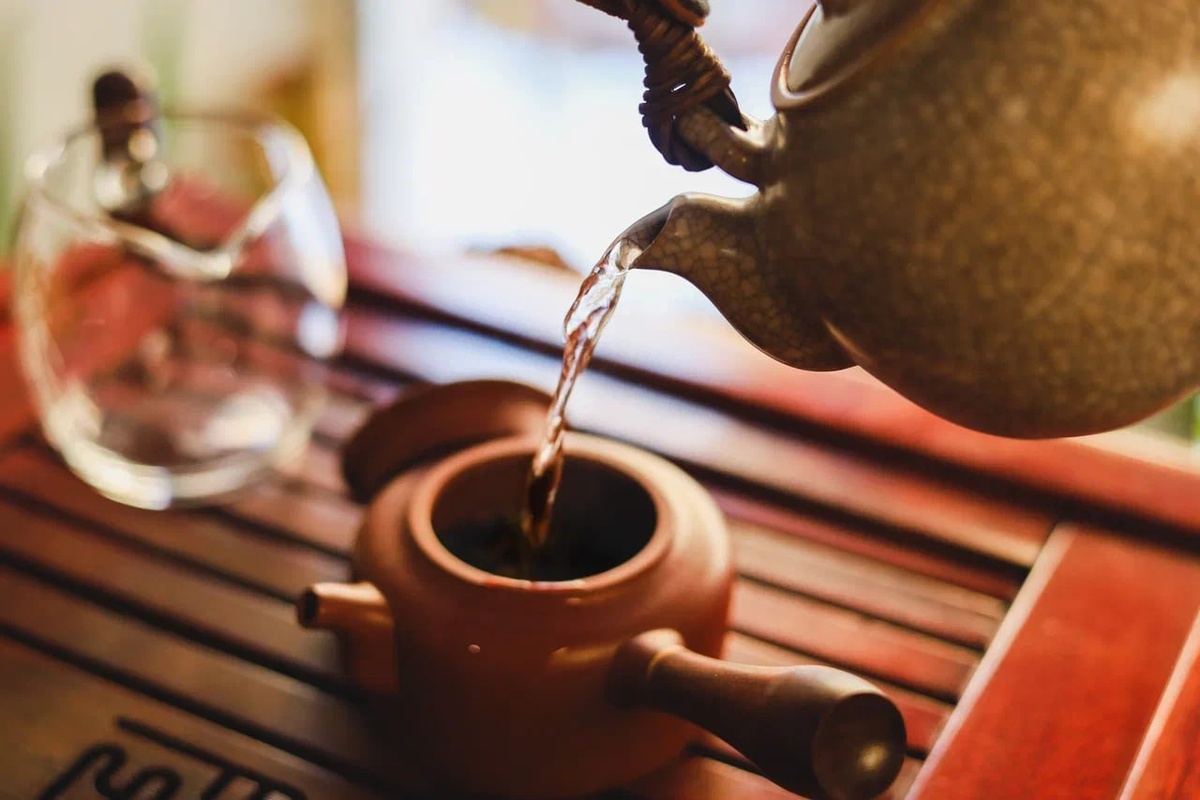
Our approach
We faced a difficult dilemma: whether to sell one of the most recognizable teas in Russia or not. Milk oolong is requested more often than many others, especially by those new to tea culture and those looking for something smooth and easy to understand. We weighed the options at length. Ultimately, we decided to offer both options.
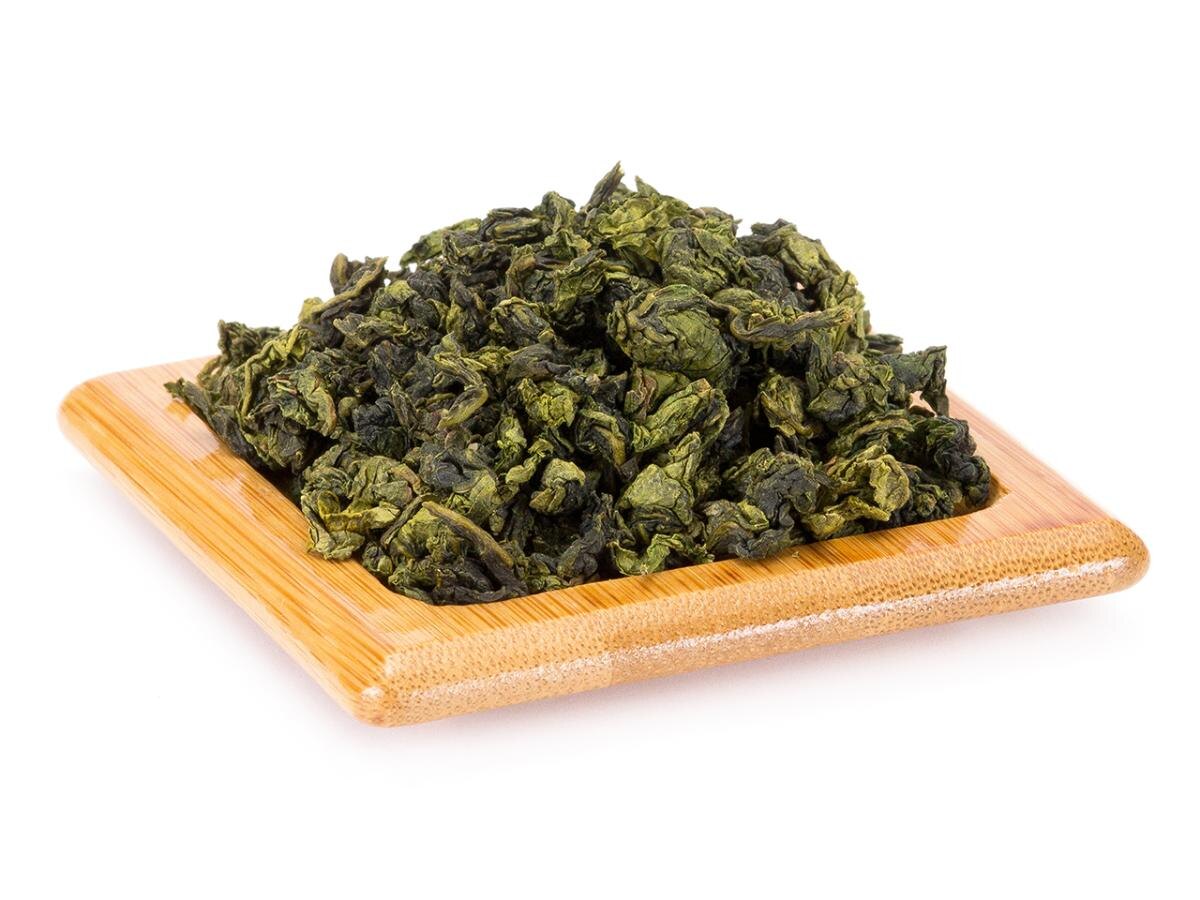
Milk Oolong, article number: CO-941
We sell classic flavored milk oolong tea with a rich caramel flavor, and we're open about it, including the flavoring in the product description. We're also open about this in our teahouses: when you request a milk oolong tea, we'll tell you honestly that it's a flavored tea, and we'll suggest you try our Jin Xuan tea, made from high-quality raw materials with natural milky notes and no chemicals, to experience the difference.
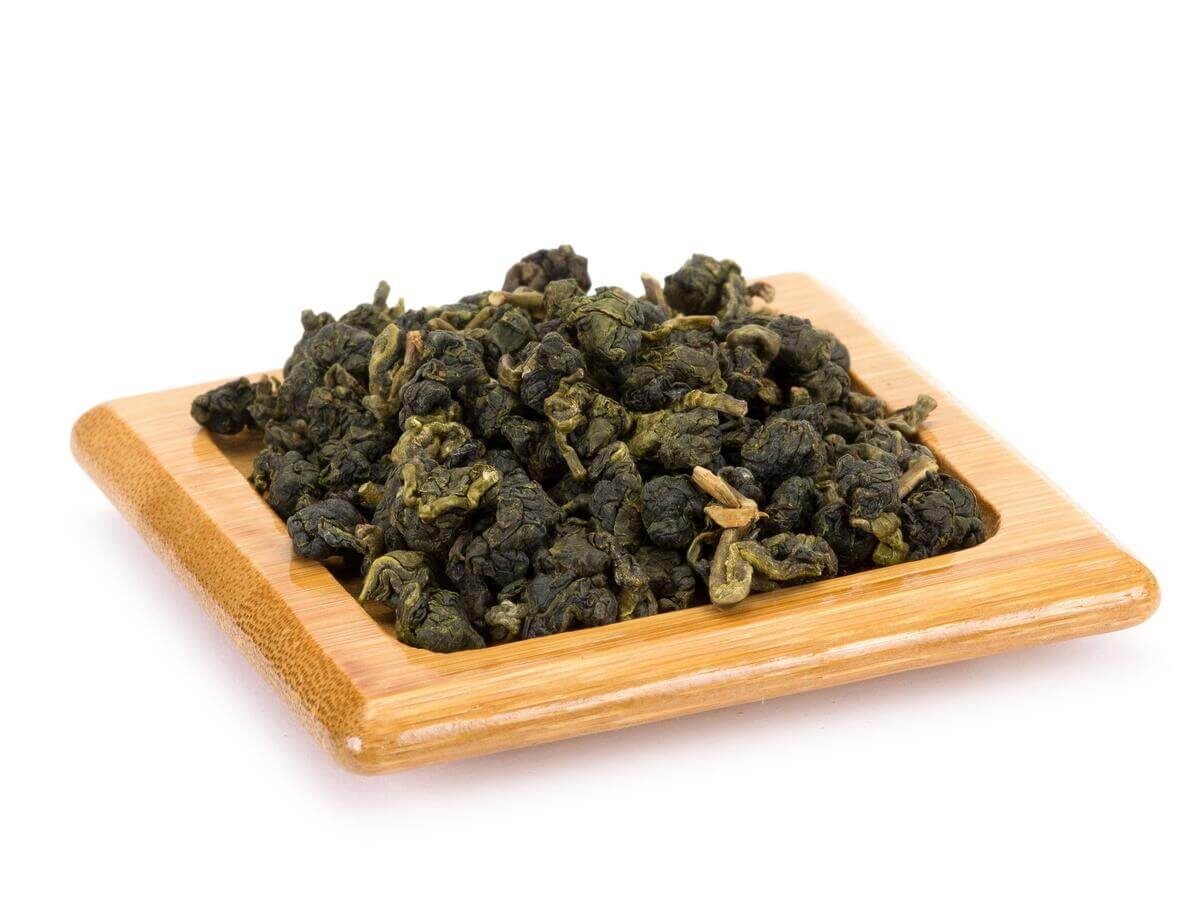
Jin xuan 1 (Golden Lily), article number: CL-488
What tea ends up in your bowl is up to you. The main thing is, now you know exactly what you're choosing.