



Хранители чайной истории: как спасают и сохраняют вековые деревья Китая
Chinese tea culture is currently at its peak, judging by customer inquiries about where to find wild sheng. Few consider the price paid for each cup of tea from truly ancient trees and the struggle Chinese farmers face to preserve this living heritage.
The tea industry classifies trees by age. However, the benchmark for the status of "ancient tea tree" (Gu Shu) is between 300 and 500 years old.
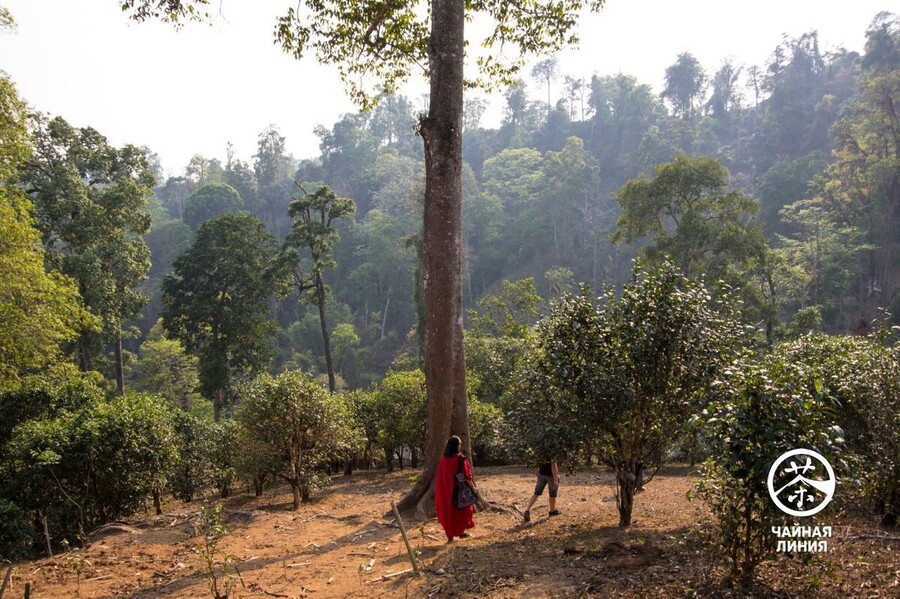
Why are these trees so valuable?
1. Deep root system: over centuries, roots go down meters, absorbing rare minerals and groundwater untouched by surface soil depletion.
2. Unique biochemical composition: tea from old trees is dense, with a complex aroma and that deep aftertaste that is impossible to obtain from tea from young trees.
3. Cha Qi Energy: Tea lovers value pu-erh teas from old trees for their powerful, harmonizing effect on their well-being.
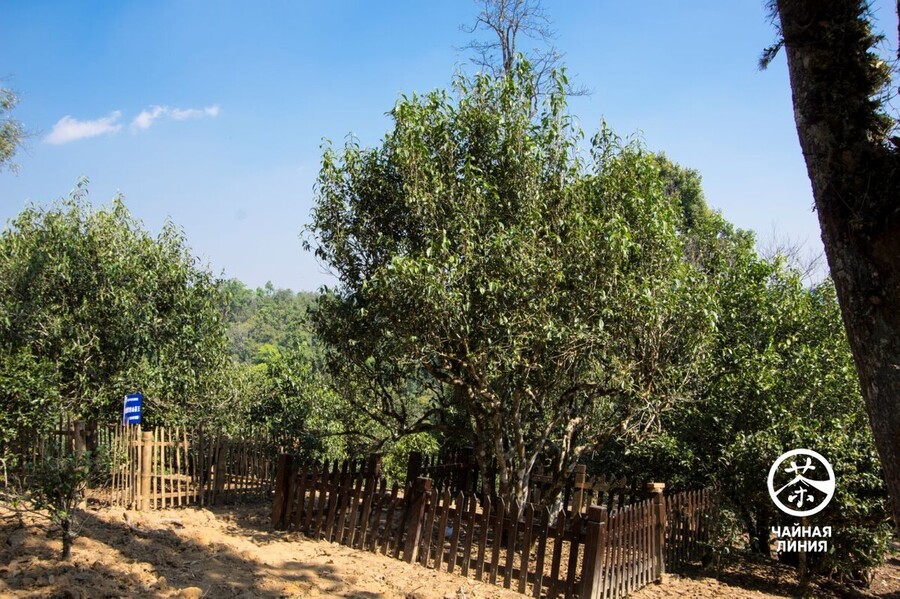
Wild and domesticated: how many are left?
Ancient wild trees are catastrophically rare in China, and each one is literally meticulously recorded. They grew in remote forests, untouched, as a distinct species. No one cultivated them, pruned them, or fertilized them.
In the famous Yiwu, most of the bushes were cut down to the roots and formed into multi-stemmed ones.
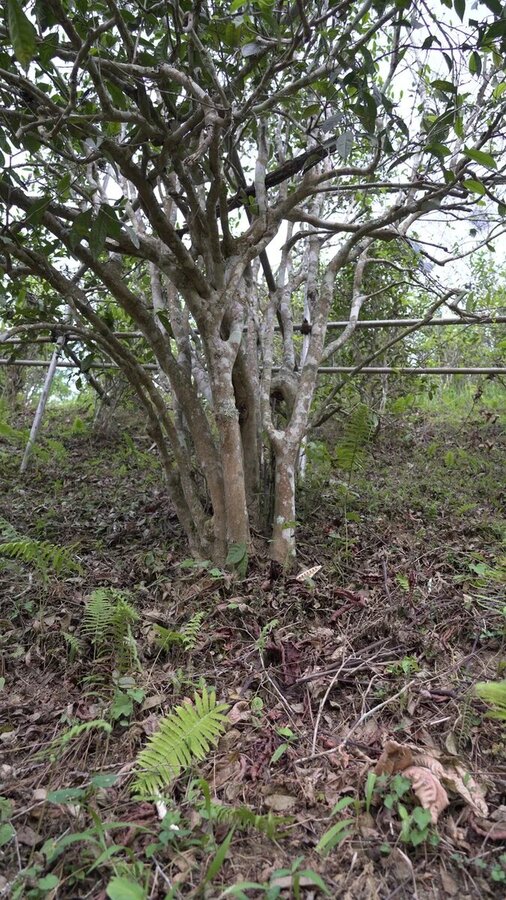
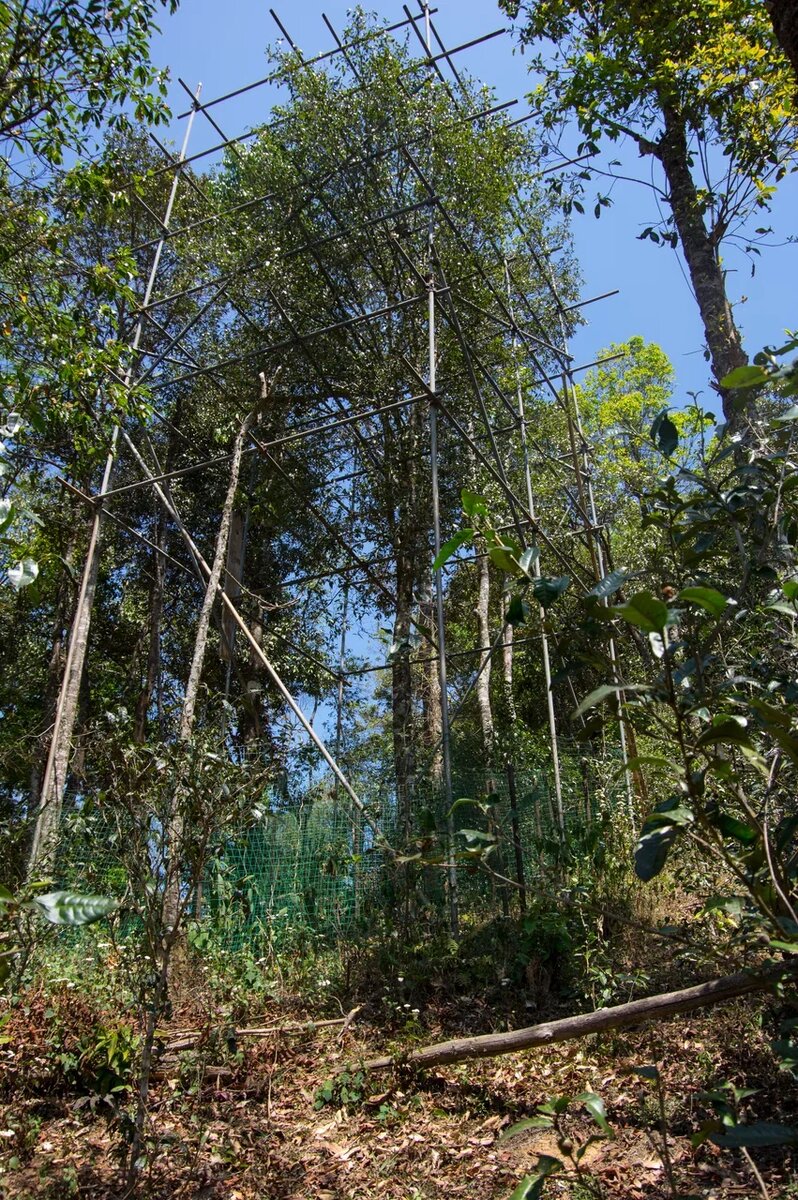
An ancient tree, approximately 300 years old. About 10 trunks were formed from the felled area (photo left).
Gaogan near Mahei village (photo on the right).

Young trees from 70 to 100 years old, which were also cut down 30-40 years ago
However, about 200 tall, straight-trunked trees, 10-15 meters in height, remain. These trees are called Gaogan. This is a unique tea variety found only in this region.
Xishuangbanna has more domesticated trees, as tea has been produced there for a long time and regularly. The Pu'er region, however, has more wild trees, and in addition to this amazing tea variety, it also produces Yabao (tea buds).
But the main area of wild tea trees, where tea buds are collected, is the regions of Lincang (Daxueshan, Bindao, Xigui).
Domesticated trees
They were planted by humans hundreds of years ago and adapted for harvesting. There are more of them, but they are also unique. For example, in the Bu Lan Shan region, domesticated old trees are relatively abundant, while finding a truly wild tree there is difficult, but possible. In the Menghai region, they account for less than 1%.
Historical context: why are there so few ancient trees?
Looking at the price of modern pu-erh teas from ancient trees, it seems as if they should have been protected forever. But this is not the case. In the 20th century, China went through a period of brutal modernization and cultural revolution.
Firstly, most of the trees were cut down to plant rice fields.
Secondly, large-scale felling of old trees was done to make way for the planting of bushes (Tai Di Cha). It was believed that the huge trees were difficult to harvest and yielded little raw material per unit of land, while the country needed a plan for the gross tea harvest.
Thirdly, many trees suffered from simple ignorance: they were pruned too heavily to encourage lower branch growth, or the surrounding ecosystem was destroyed, depriving the centuries-old trees of natural shade and forest biome. What remains today is a miracle, surviving in remote, inaccessible mountainous areas.
Fourth: after the Opium Wars, the country was poor, and the goal was not tea quality but quantity. That's why, in the same prison, so many trees were cut down to make harvesting easier and increase the number of branches.
How are they preserved today? Farmers' secrets
The modern approach to ancient trees is one of strict ecological balance. To ensure the tree's continued life, farmers make significant financial sacrifices.
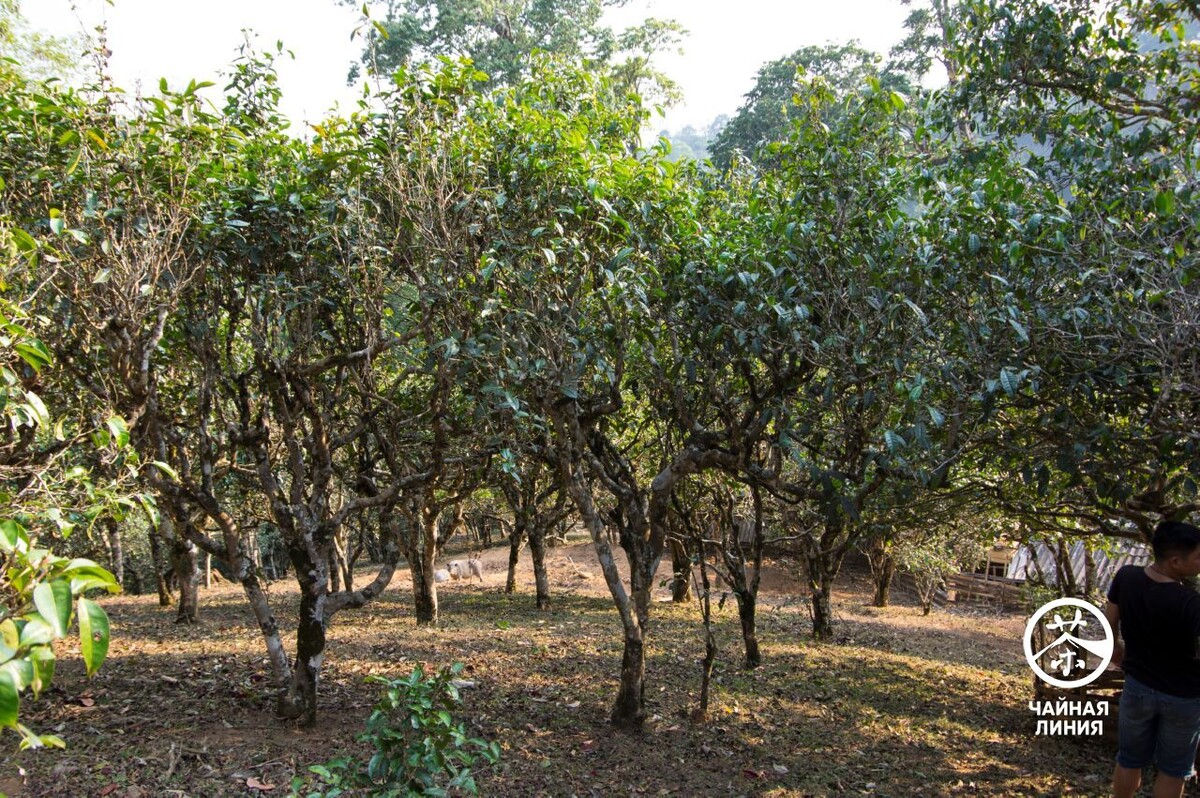
Harvesting restrictions: Tea is harvested from regular bushes and young trees 2–3 times a year (spring, summer, and fall). From ancient trees, tea is harvested strictly once a year—in spring.
Silent years: If a farmer sees a tree is exhausted, they may forego harvesting entirely for the entire season or year. A special harvesting technique: when harvesting leaves from an old tree, the branch is carefully pinched at the farthest point rather than simply plucked. This stimulates proper branching and protects the tree from disease and cut-off rot.
It's important to understand: Today, farmers are actively planting new trees for future generations. But only domesticated varieties can be replanted, and growth is a long process. A tree can be harvested for at least 70 years. Wild forest tea is a product of a unique ecosystem that cannot simply be copied and planted in a garden. It is a fundamentally different tea.
Conclusion
Since ancient trees produce a negligible harvest, tea from them becomes an object of hunting for collectors.