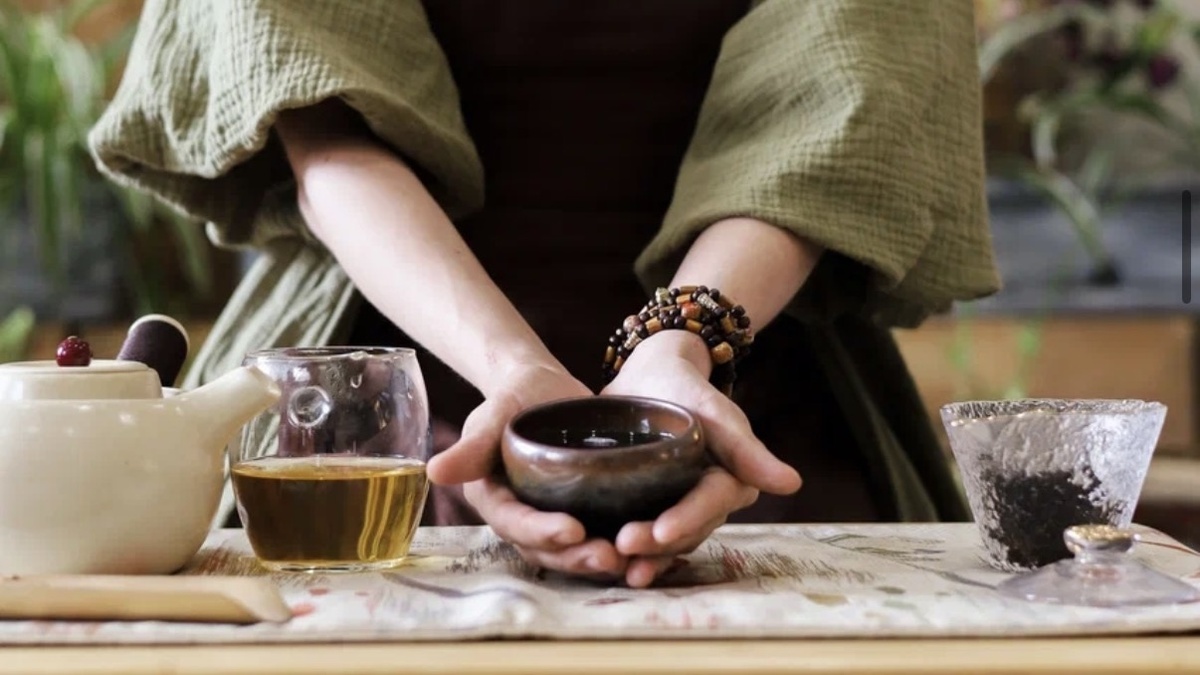



Чай не может быть одинаковым
We're often asked, "I brewed some tea, but it didn't turn out as described. Is that normal?" It's normal. In fact, it's inevitable.
Every person feels differently
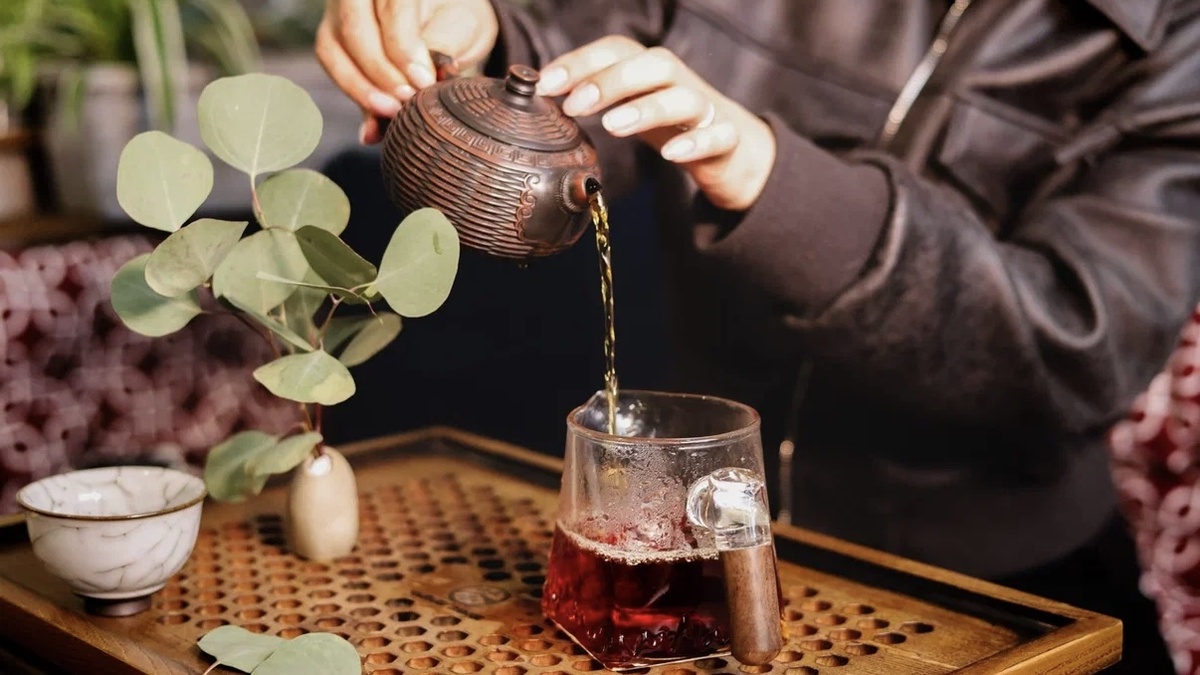
Let's start with the most obvious, yet often overlooked, point. Everyone has their own taste buds and unique gastronomic experience. Two people can sit next to each other, drinking the same tea from the same teapot, and each will perceive something different in it. One will detect florality, another resinousness. One will say "sweet," another "a little tart." This isn't a misperception, but a clear example of how taste works.
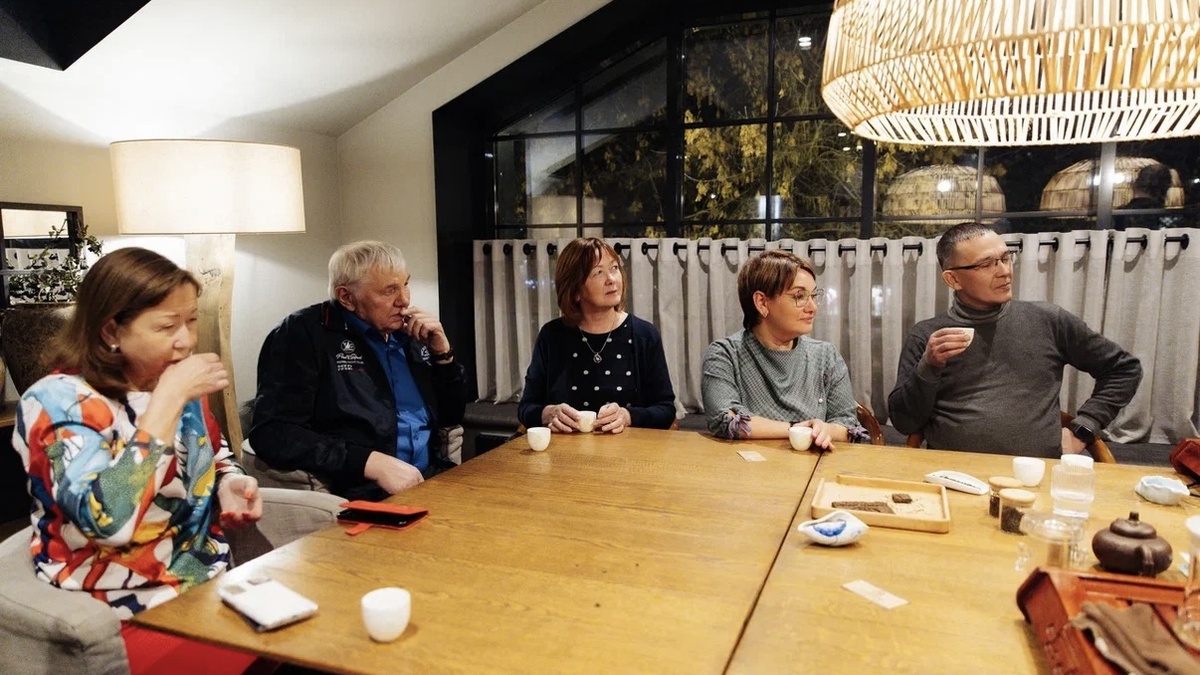
What a person ate before the bowl also influences their perception. Food irritates the taste buds and alters their sensitivity, sometimes quite dramatically. That's why, during shopping tastings, we try not to eat for several hours beforehand. And we stay away from bananas: they especially overpower the taste.
All this means one thing: tea descriptions are always written by a specific person at a specific moment. Your experience will be different, and that's perfectly normal.
The influence of water and climate
The water used to brew the tea in this description and the water you use at home are two different products. They have different mineralization, different composition, and different pH. The lower the mineralization, the milder the tea's flavor: less harshness and fewer pronounced notes. The higher the mineralization, the richer the tea. Bottled water, spring water, tap water, or reverse osmosis water will produce significantly different results when brewing tea from the same leaves.
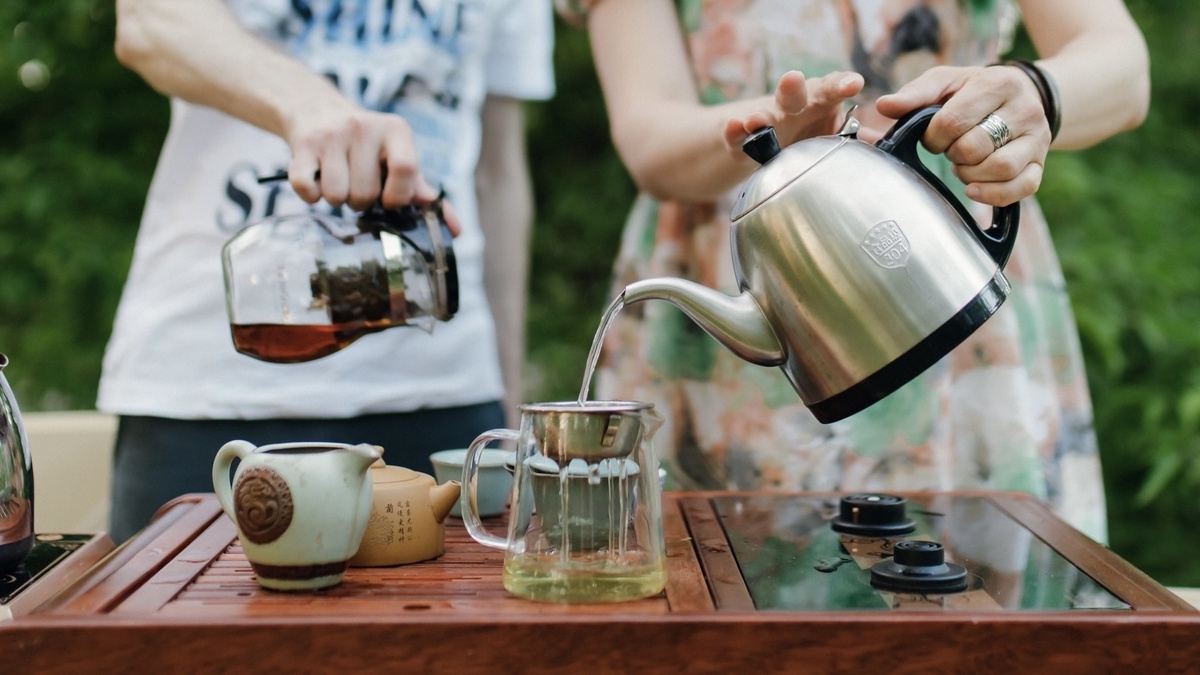
Water is a part of flavor, but it's often not the only factor. The climate, air temperature, and humidity of the region also influence how tea unfolds in the cup. For example, tea brewed in Siberia and in Voronezh will "sound" different: it reacts to the environment.
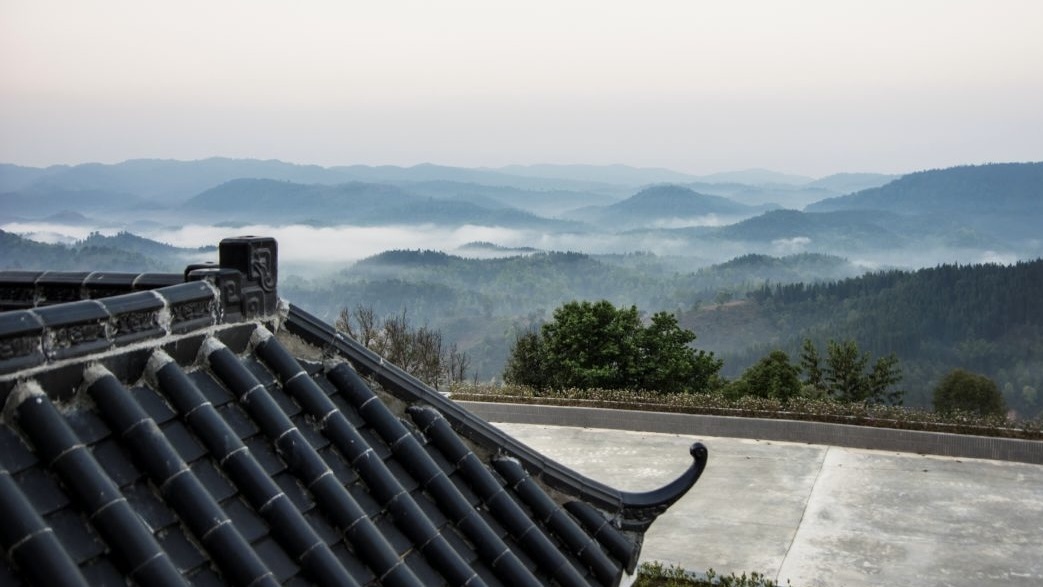
There was a telling incident: in the Lincang area, we found an interesting tea—sweet, soft, and very pleasant. We brewed it there, then in Guangzhou before our flight. But when we brewed it in the Lipetsk region two or three days later, the same tea became noticeably more sour. It hadn't spoiled—it just tasted different.
Some pu-erhs from certain regions are particularly unstable in this regard: when the climate changes, completely unexpected nuances can emerge in them.
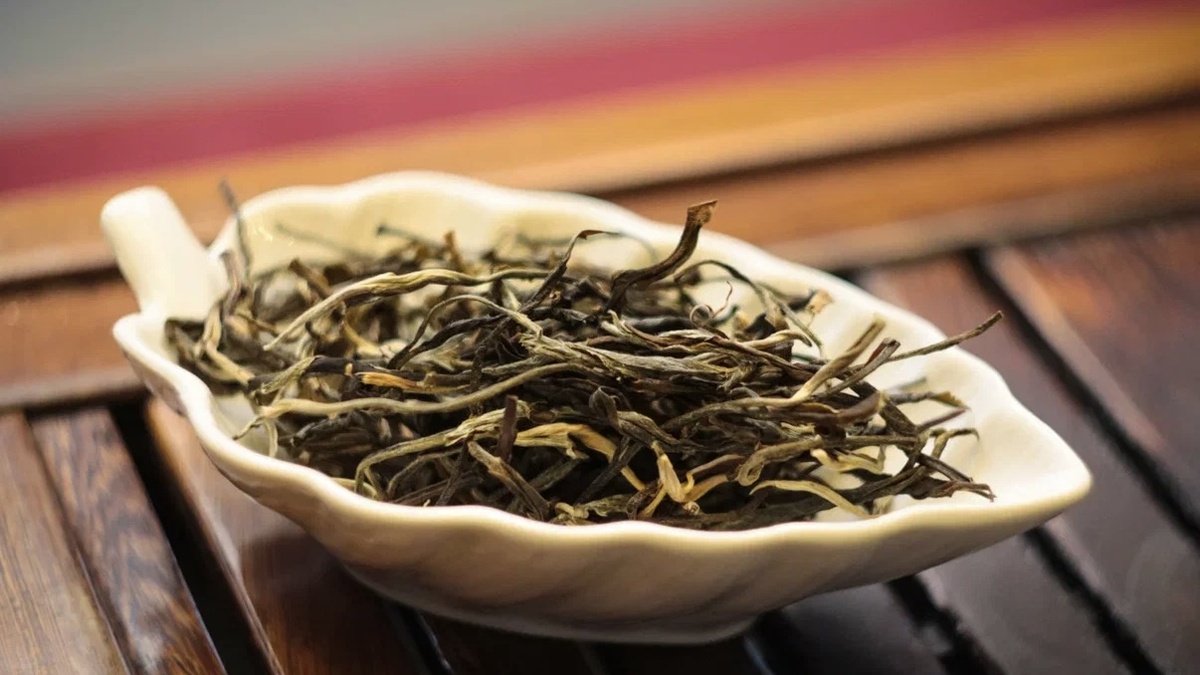
Tea lives and changes even on the shelf.
Tea is a living product. It breathes, reacts to moisture, absorbs aromas, oxidizes, and continues to ferment even on the shelf. A description from two months ago reflects the tea's state then, not now.
This is especially noticeable with pu-erh. When a new batch arrives, we observe over the first few weeks how the tea literally changes from brew to brew: new nuances emerge, one fades, another emerges. Our "Clean Fuel" cake has changed so much within a month of its arrival that it has become a completely different product than it originally was.
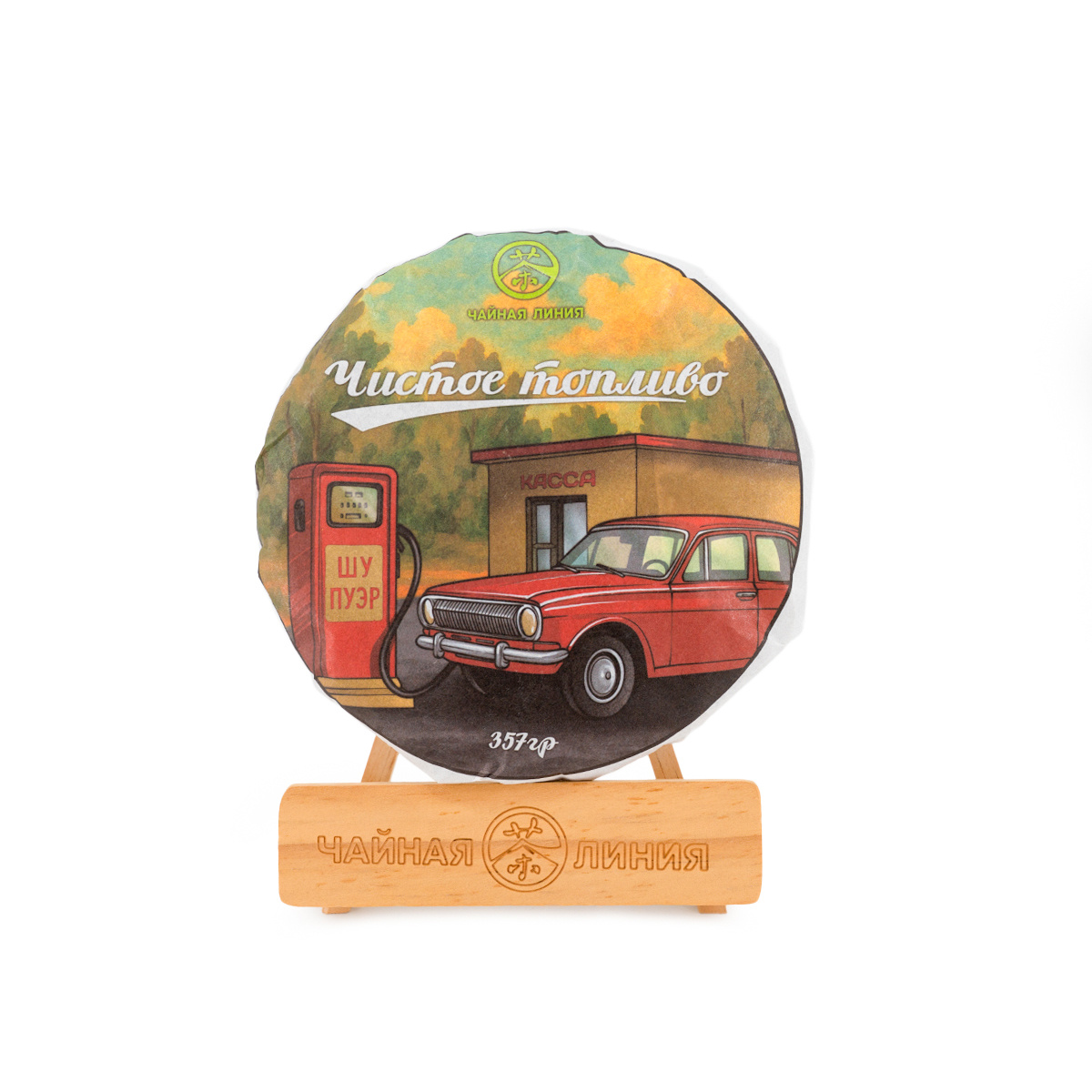
To be honest, there is something charming about this: every time you buy one pancake, you get a slightly different tea.
Why does every tea master have his own?
Diversity begins long before the tea reaches the teapot. The same pu-erh leaf can be used to make white tea, shai hong, sheng, or shu pu-erh—it all depends on the processing method. Historically, techniques developed in different regions and followed their own paths: farmers from Yunnan learned from masters from Fujian, new varieties emerged, and new flavors were born. There are over 10,000 varieties of tea bushes in China. Around 2,000 trees grow in the Yishan region alone, and all are distinct from one another: leaf shape, trunk structure, and tree height vary.
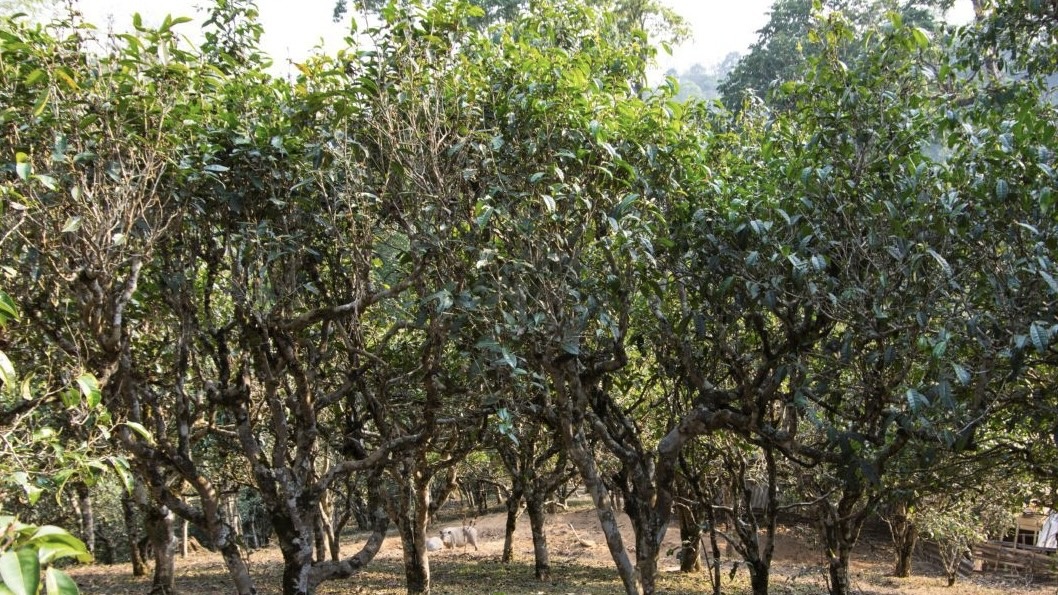
But even with the same variety and the same region, each tea maker will produce their own unique tea. In large companies, processing is standardized: machines, fixed times, and a set temperature. The resulting tea is predictable and consistent.
Farmers are different. Every year's harvest varies: some have had more rain, others more sun. An experienced roaster doesn't look at a clock or set a timer, but rather watches the leaf: how it wrinkles during wilting, how it behaves during roasting, when it's ready. When we were filming the roasting process, the farmer would periodically come over, feel the leaf with his hands, and say, "Now's the final step, I'll finish it myself." No equipment—only experience, passed down from father to son since childhood. It's impossible to standardize such things.
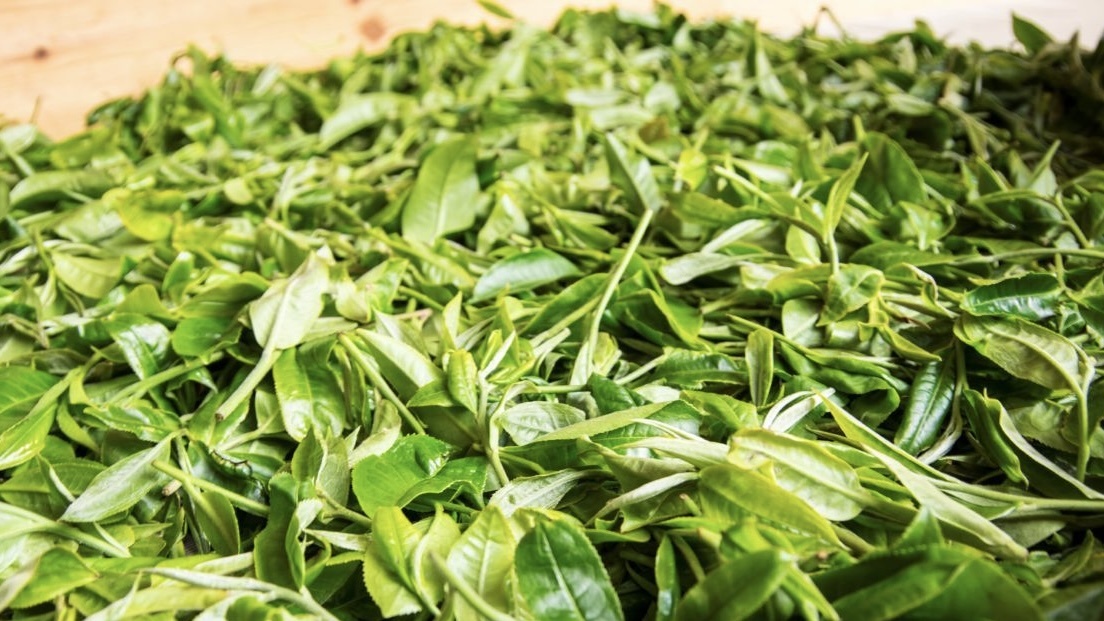
Lao Ban Zhang, for example, has a different flavor every year: a light roast produces a floral, herbal flavor, while a fuller roast brings out a fruity edge. Even from the same location and the same harvest, each family will produce its own tea, with its own distinctive signature that's unmistakable.
What follows from this?
A tea description is a guide, not a precise instruction. It reflects what a specific person experienced at a specific moment in time. But your perception will be influenced by everything: what you ate before, what kind of water you have, where you live, how long the batch has been sitting on the shelf, and who made it.
Your experience will be different. Not worse—just different. That's the whole point: tea is unique.