




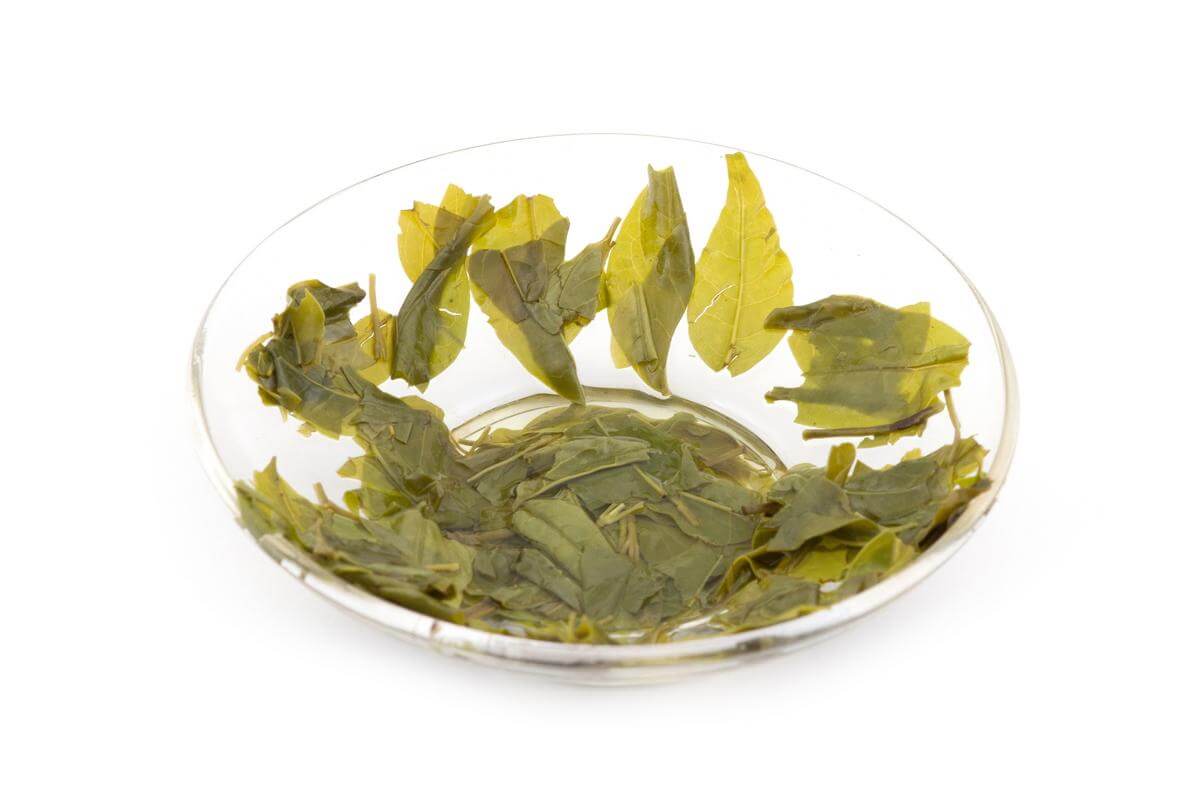
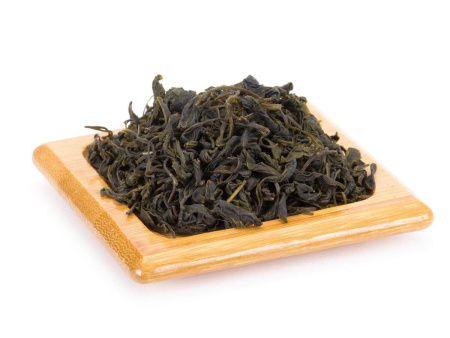
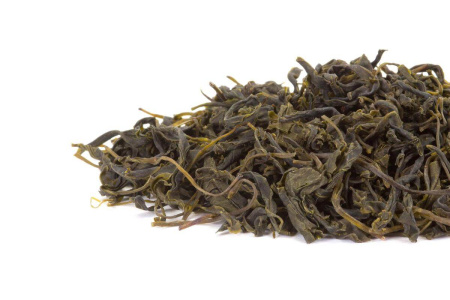
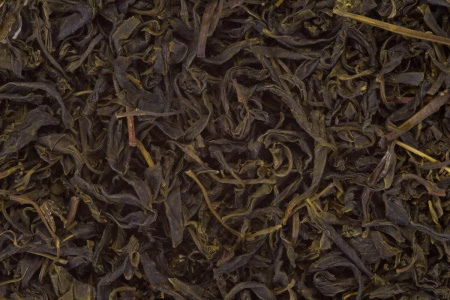
-
10 Saturation
-
8 Aftertaste
-
8 Aroma
-
10 Effect
-
8 Balance
-
8 Body
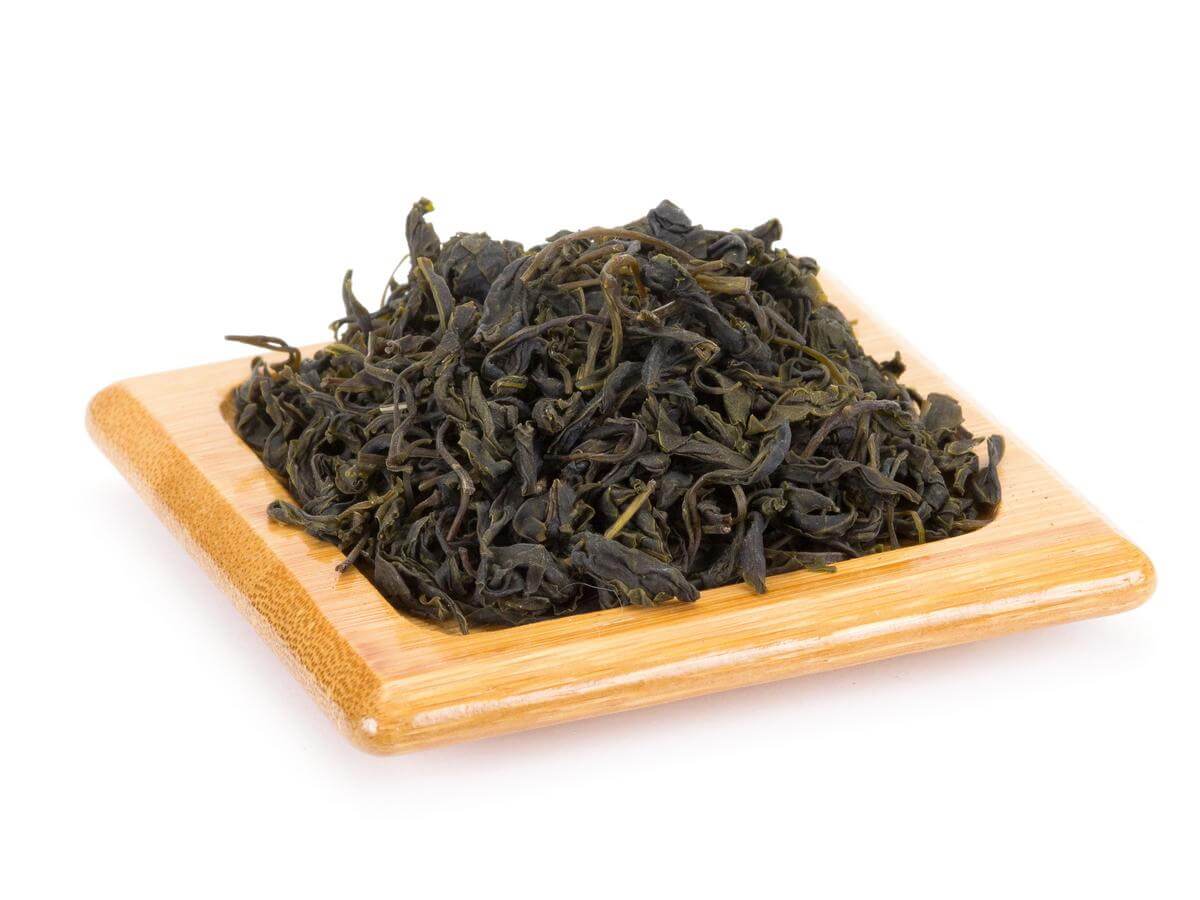
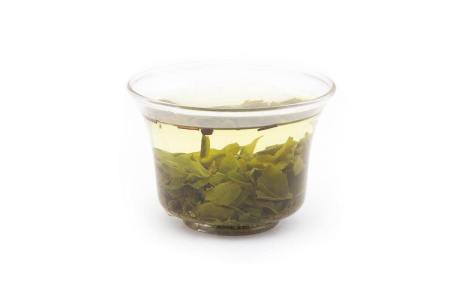
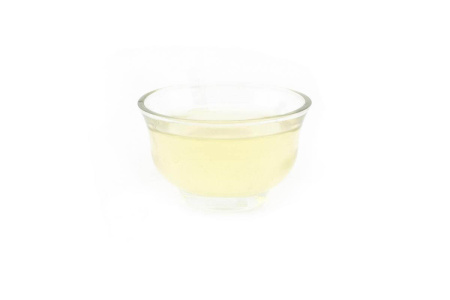
Title: "Kuding Qing Shan Liu Shui"
Translation: "Bitter thorn 'green hills and clear waters'"*
Whale. 苦丁茶青山绿水, pinyin kǔ dīng chá qīng shān lǜ shuǐ
*The name is actually a Chinese idiom.
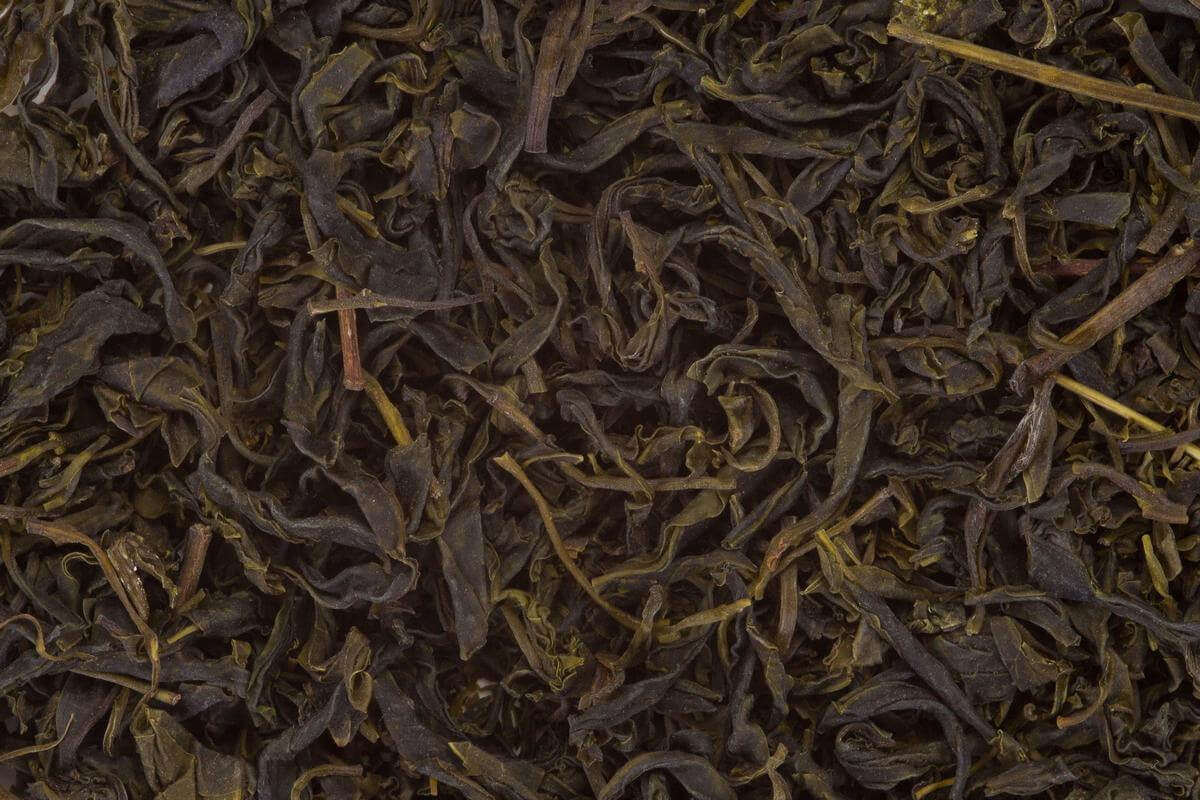
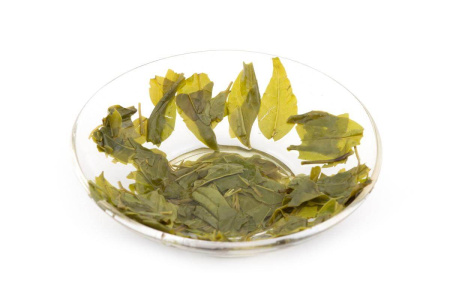
Loose kudin is made from the leaves of the privet plant (Ligustrum robustum), which grows in China. It is widely used in traditional Chinese medicine. Locals believe it has miraculous health benefits for the entire body (it is recommended, among other things, for cancer treatments). Among the medicinal properties cited are: the treatment of headaches, rhinitis, increased resistance to colds, and kudin's anti-inflammatory properties.
There's also another type of kudin, made from broadleaf holly. It's significantly larger, and its leaves look like long rolls.
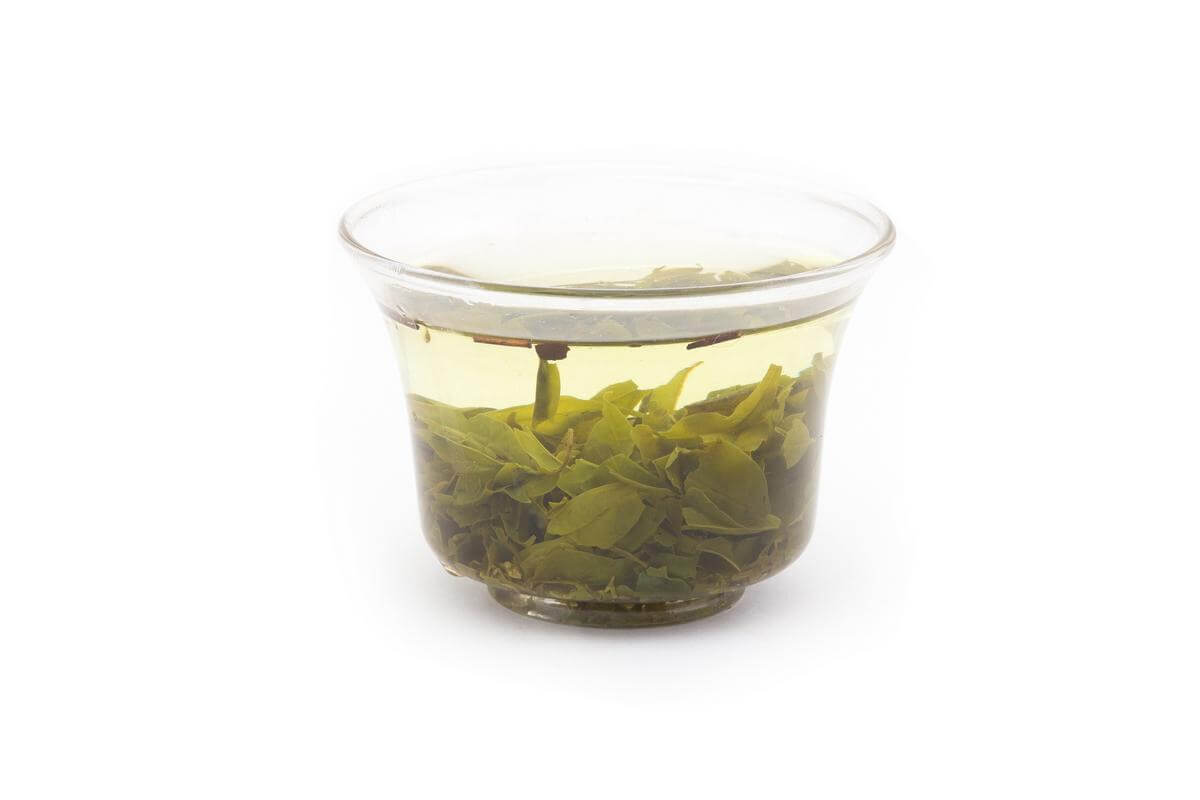
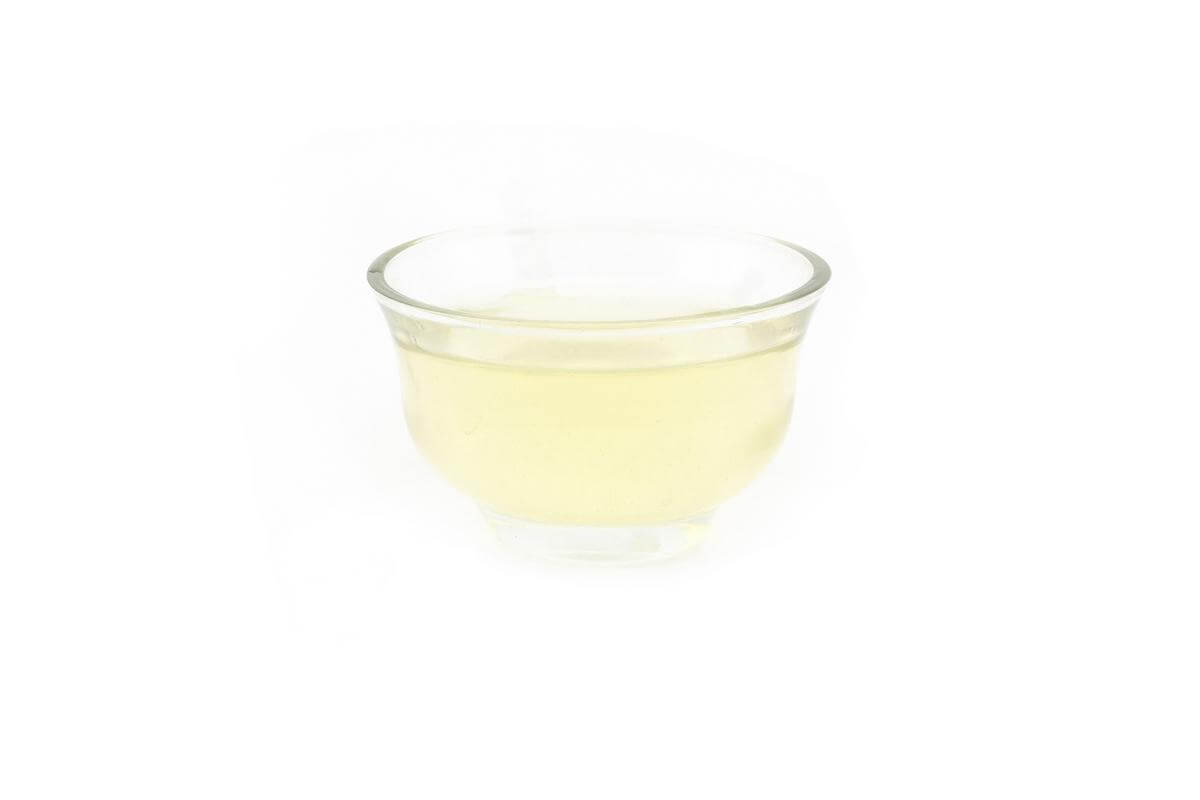
To obtain a drink with a refined, rather than harsh, bitterness, we recommend steeping the leaves in cooled boiling water. Caffeine-free.
First published on December 24, 2015.
Copyright © Chaline.Ru
|
Name in Chinese
|
苦丁茶青山绿水 |
|
Pinyin
|
kǔdīngchá qīngshān lǜshuǐ |
|
Translation
|
Green hills and clear waters |
|
Country
|
Китай |
- Reviews
- Vkontakte
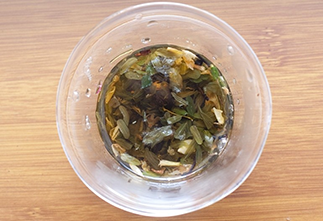
This category usually includes some plants that are not of tea origin (not related to the Chinese camellia variety). However, people are used to calling it tea. One of the reasons for calling this category tea was the use of the same processing methods as regular tea. As the name of this category suggests, these teas have a pronounced health-promoting, disease-preventing and general strengthening effect.
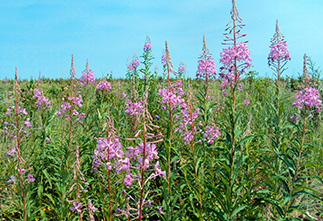
If you ask any Russian today: "What is the main non-alcoholic national drink?", then in the overwhelming majority of cases we will hear about tea. In the category of non-alcoholic drinks, tea is beyond competition. But tea came to the European part of Russia only in the 17th century. What drinks did Russians drink before the arrival of tea and in parallel with it? We will try to answer this question.


