





-
10 Saturation
-
10 Aftertaste
-
10 Aroma
-
10 Effect
-
10 Balance
-
10 Body
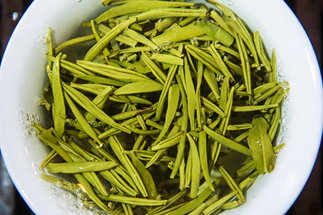
Xihu Longjing is one of the most famous green teas in China. It is a high-quality variety grown in the Xihu Lake area of Hangzhou, Zhejiang Province. This tea is known for its vibrant aroma, rich flavor, and beautiful appearance.
Xihu Longjing has a long history. It was first mentioned in the Tang Dynasty (618–907), when it was called "fragrant forest tea" or "white cloud tea." It subsequently became one of the ten famous teas of China.
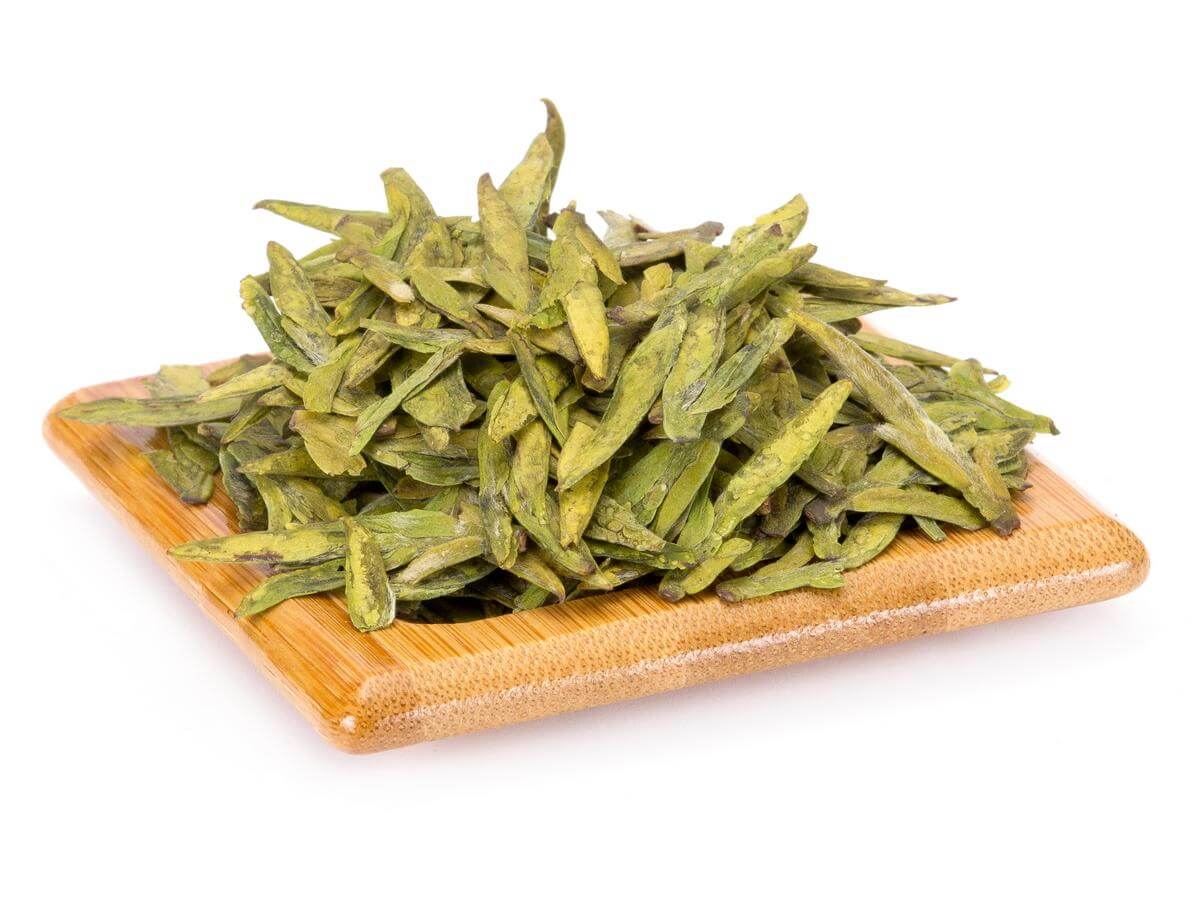
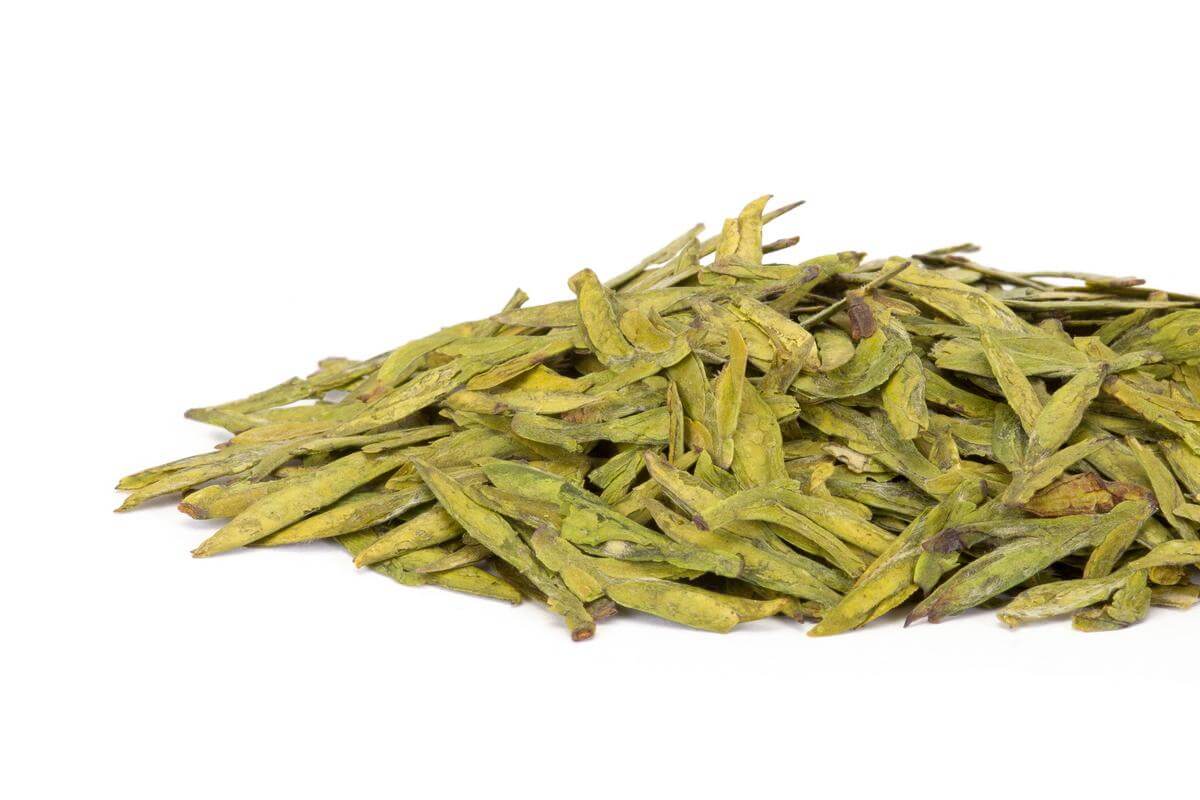
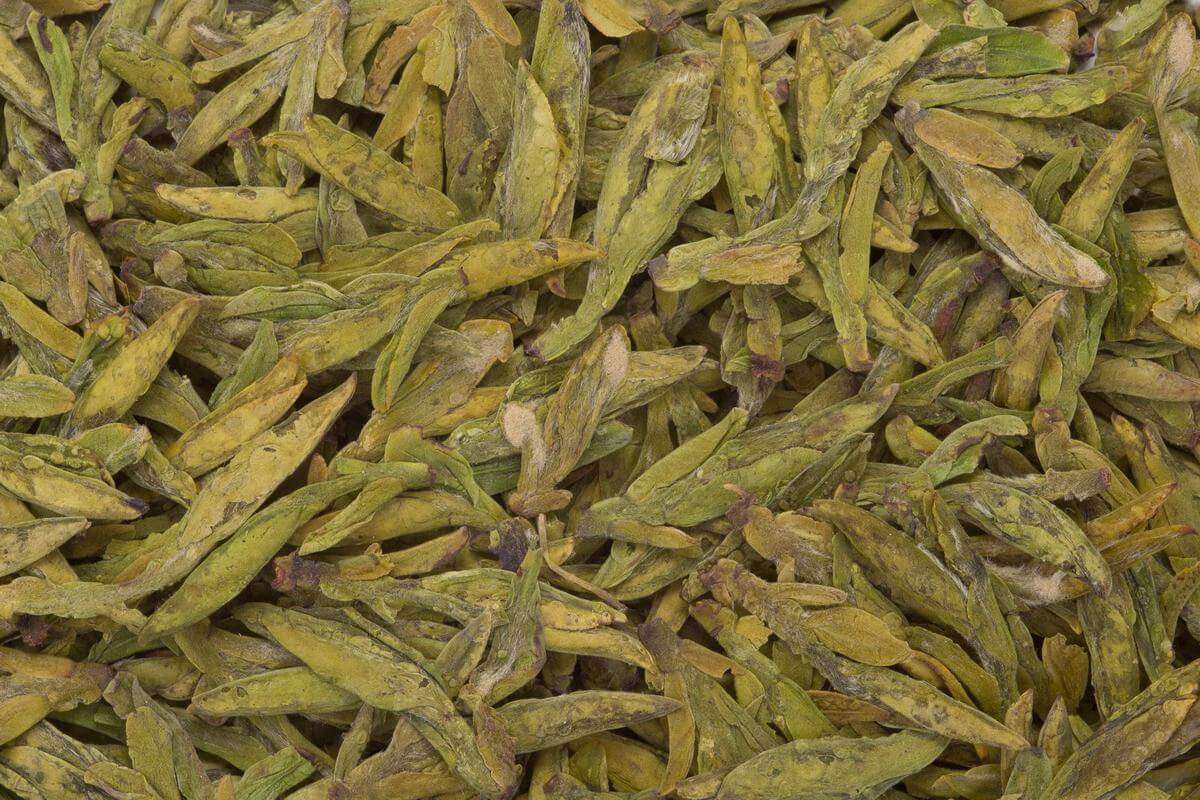
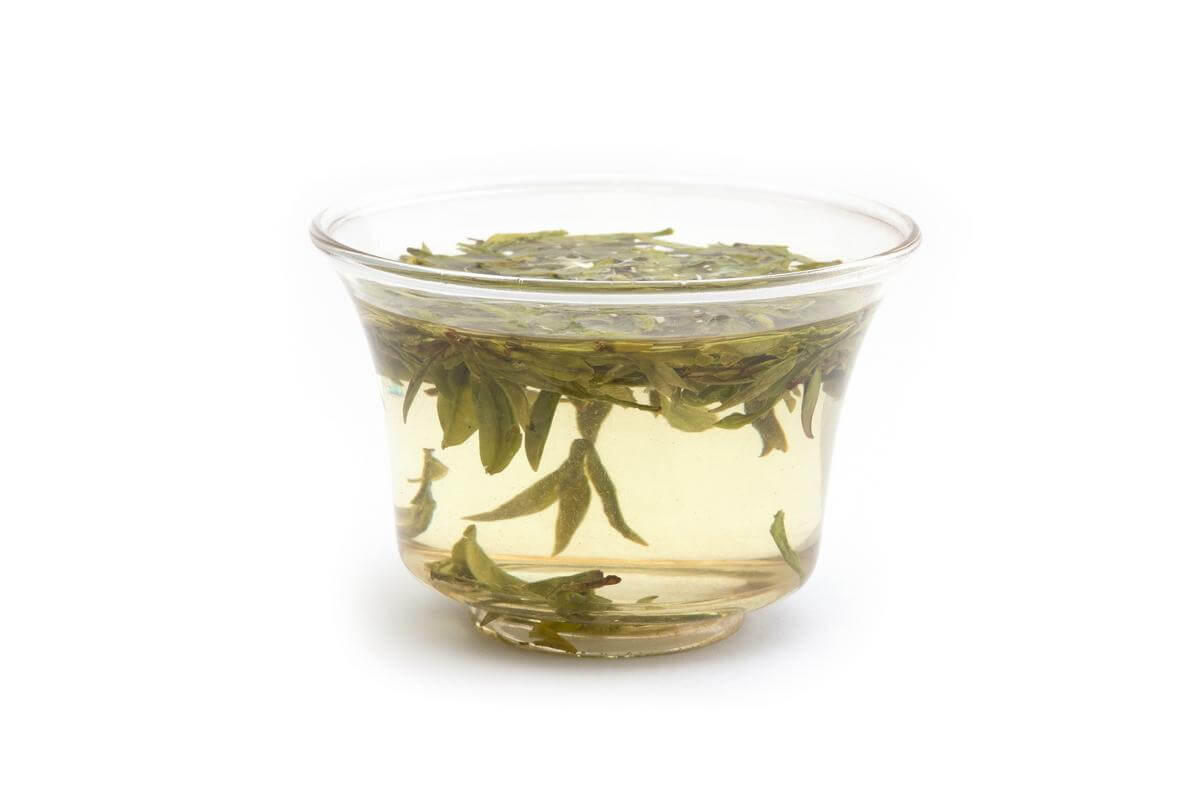
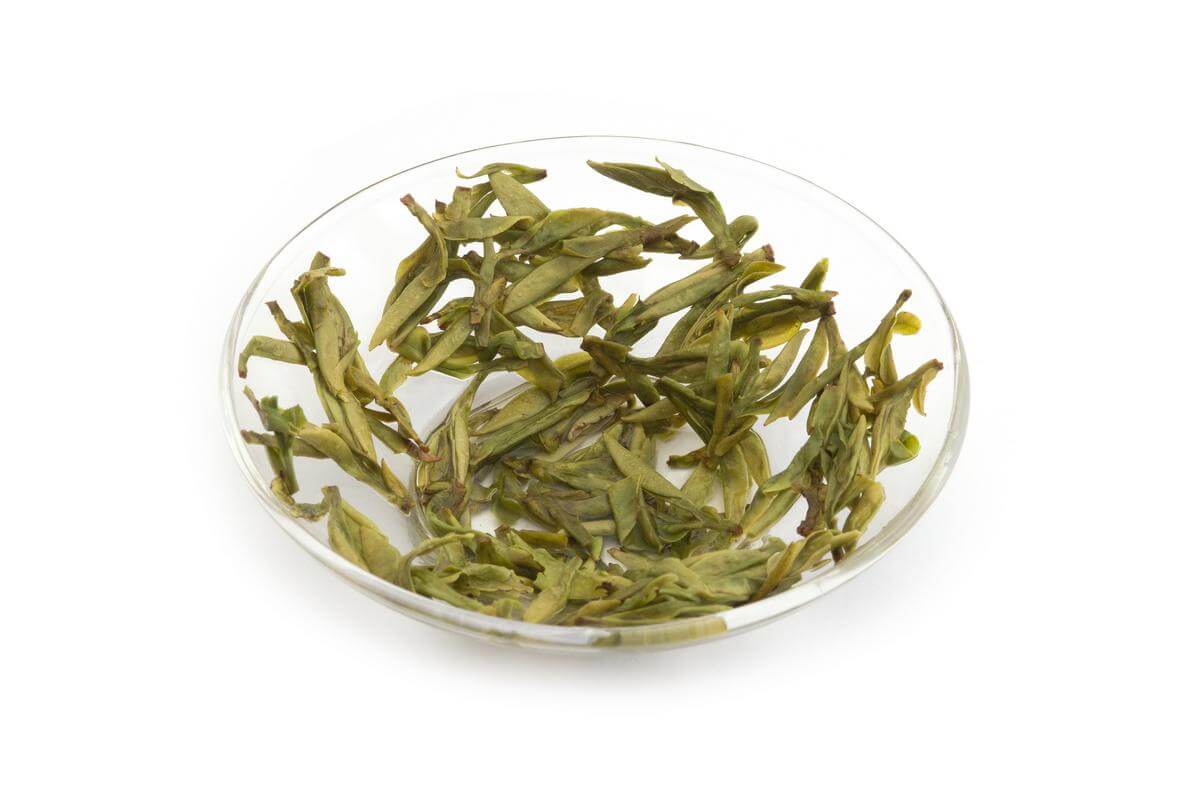
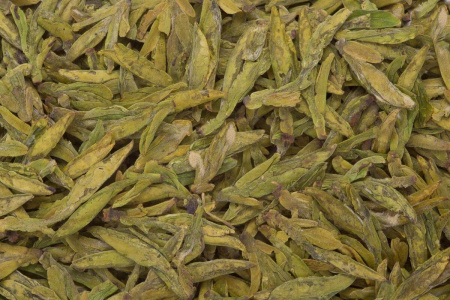
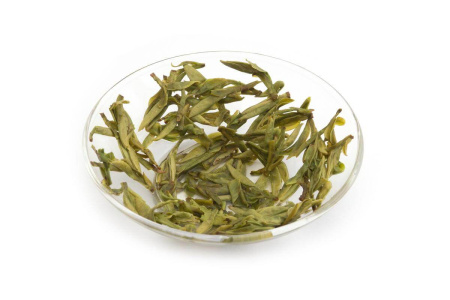
Only young leaves and buds, harvested in the spring, are used to produce Xihu Longjing. After harvesting, they undergo a thorough processing process, including drying, rolling, and roasting. The result is a tea with flat, thin leaves that are golden-green in color.
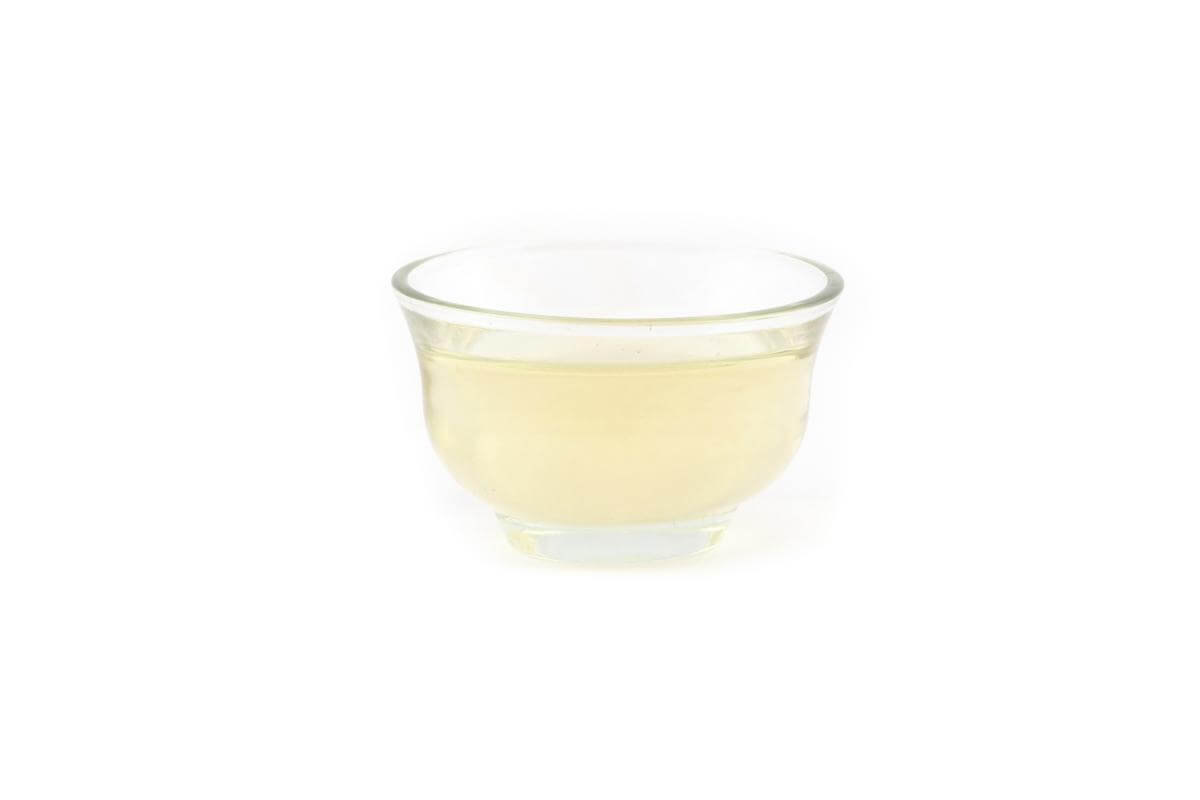
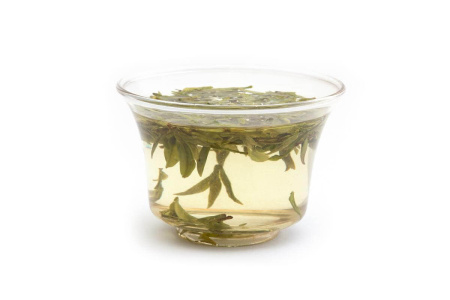
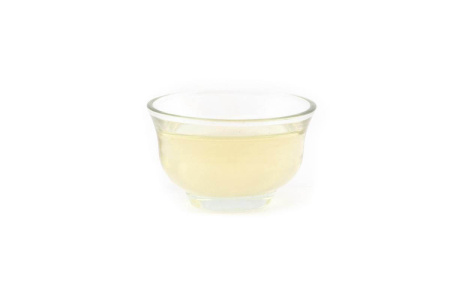
The aroma of Xihu Longjing is vibrant and rich, reminiscent of freshly cut grass with hints of roasted seeds and sunflower oil. The flavor is thick, buttery, and rich, with floral notes and a slight bitterness. This tea also has a refreshing effect, boosting energy and improving focus.
Xihu Longjing is more than just a drink; it's part of Chinese culture and tradition. It's considered a symbol of luxury and sophistication, and it's served at important events and celebrations. If you want to enjoy authentic Chinese tea, be sure to try Xihu Longjing.
|
Name in Chinese
|
西湖龙井 |
|
Pinyin
|
xī hú lóngjǐng |
|
English name
|
Xihu Longjing |
|
Translation
|
Xihu Longjing |
|
Tea variety
|
Longjing |
|
Country
|
China |
|
Provinces
|
Чжэцзян (浙江) |
|
Region
|
Hangzhou (杭州) |
|
Habitat
|
Сиху (西湖, xī hú) |
|
Date of raw material production
|
Production date: March 2017 |
- Reviews
- Vkontakte

Perhaps the most popular and beloved tea in China is Longjing or Long Jing (Chinese traditional: 龍井茶, simplified: 龙井茶, pinyin: lóngjǐngchá, which means "Dragon Well"). Over its more than a thousand-year history, this variety received the status of imperial tea in honor of Emperor Kangxi, who ruled during the Qing Dynasty (1644 - 1912). And currently, Dragon Well is rightfully called the king of green tea. It is famous not only in China, but also abroad.
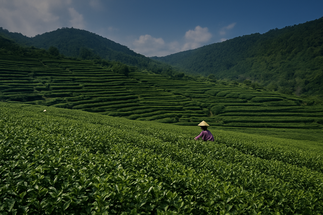
The history of this tea variety goes back more than a thousand years. This drink was loved by many rulers of China. Thus, Emperor Kangxi awarded Longjing the highest title of Gong Cha for its amazing qualities. And his grandson Qianlong, having appreciated the taste of tea, personally created an imperial garden of eighteen "dragon well" bushes. Mao Zedong also loved this variety very much.