



-
10 Saturation
-
9 Aftertaste
-
10 Aroma
-
9 Effect
-
9 Balance
-
9 Body
Many call this tea nothing less than the emperor of all other teas, and there are perfectly logical explanations for this. Chinese Longjing tea was adored not only by countless ordinary people, but also by such world-famous figures as former US presidents Henry Kissinger and Richard Nixon, Queen Elizabeth II of Great Britain, and many other individuals with truly distinctive opinions and tastes.
Thanks to its unrivaled aroma, this tea ranks first on the list of "Ten Famous Teas of China." This tea is considered the national drink of China (also known as "Dragon Well"). During official visits and visits by heads of state, this tea is most often served.
Longjing is also extremely popular among ordinary Chinese. It is prized primarily for its beautiful greenish color, mild flavor, and aesthetic appeal.
Longjing tea is rich in various vitamins, particularly vitamin C and amino acids. It also contains catechins, a powerful nutrient that helps slow the aging process. For this reason, this tea was a staple in the diet of Chinese emperors for centuries.
To truly achieve the desired effect, the tea is harvested in early spring. Plants harvested precisely before the "grain rains" (Gu Yu) are considered truly of the highest quality. It's no wonder that many Chinese philosophers have described Longjing tea as instilling a sense of true Great Harmony. After tasting this drink, a person is healed not only physically but also spiritually. They become more open, profound, and loving.
All this is achieved through a special approach to the tea leaf harvesting process. The best time is a crisp, dry morning. It is believed that it is at this time that the Heavenly Dragon personally directs the process to achieve a truly perfect result.
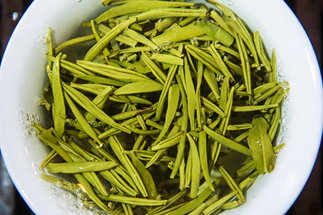
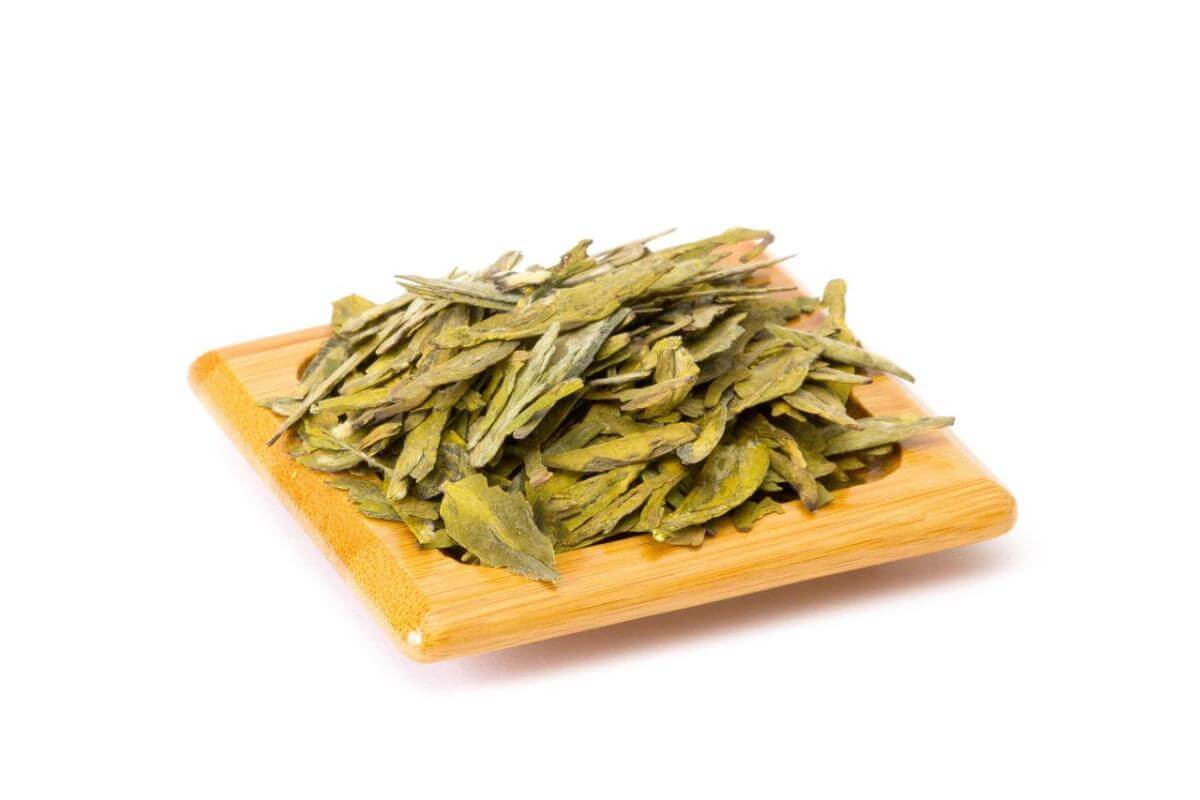
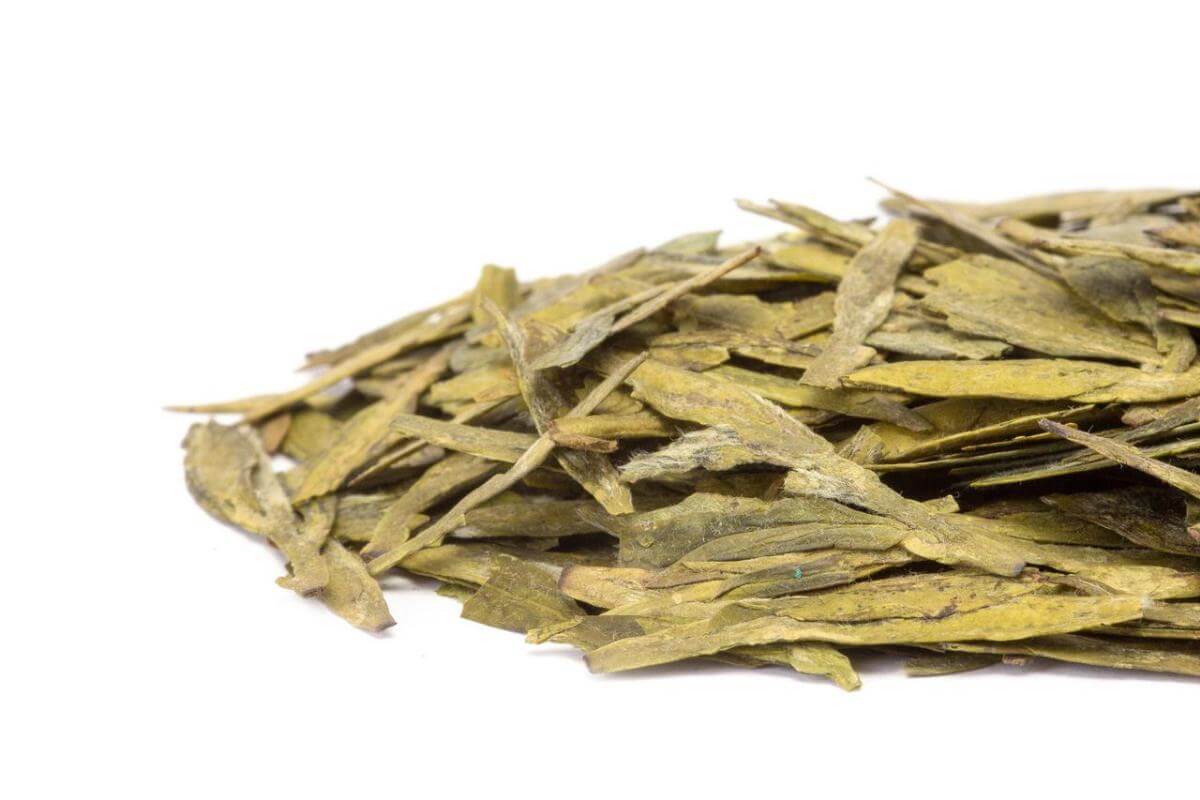
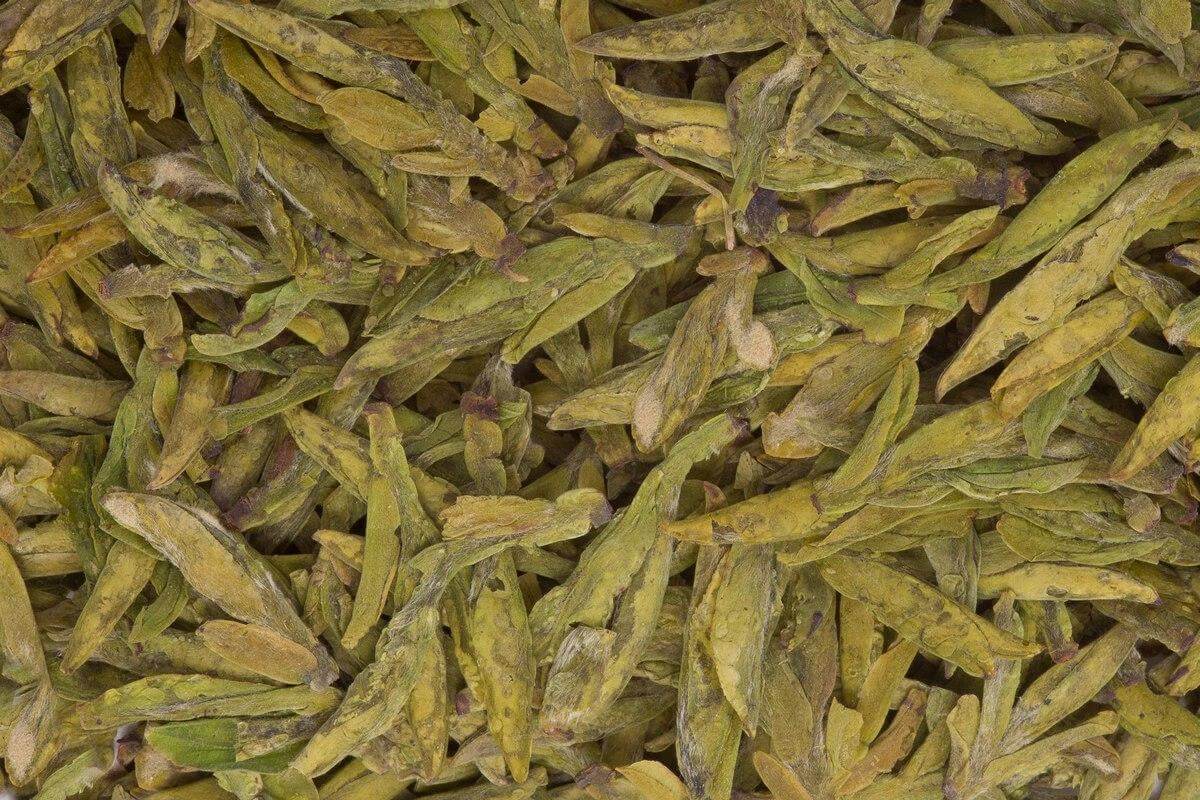
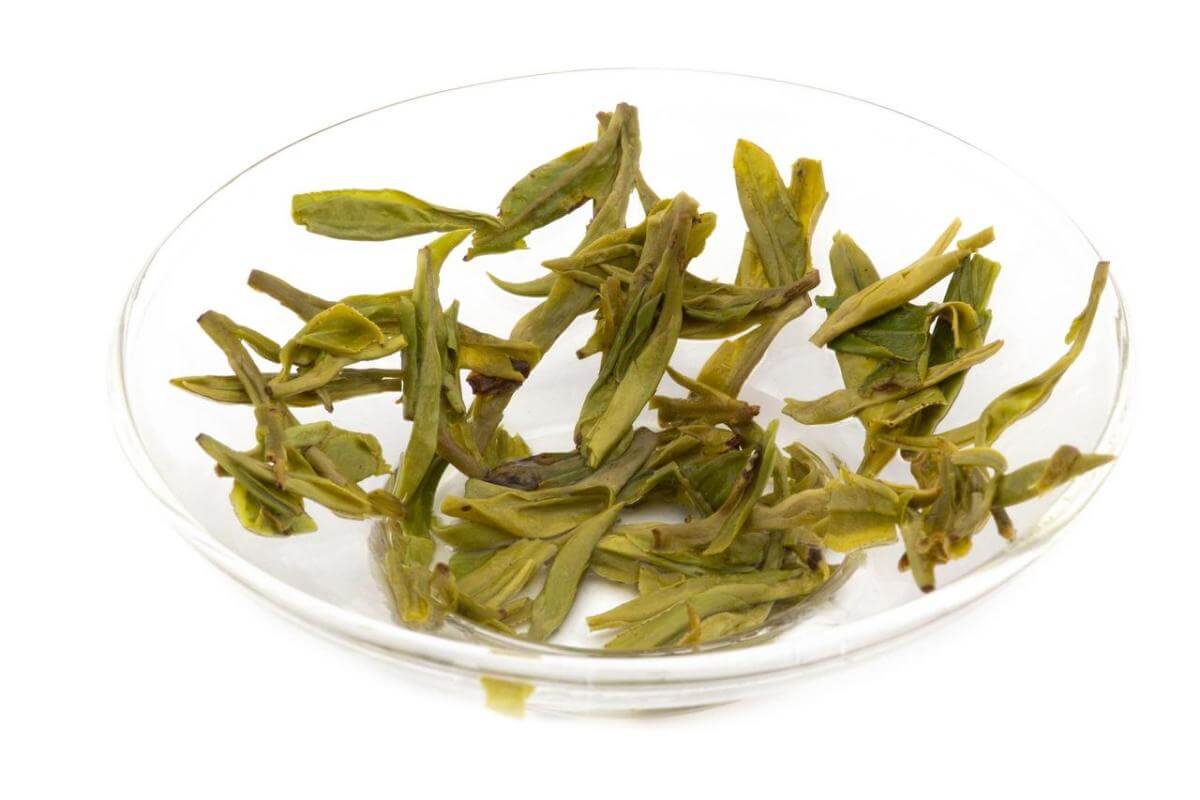
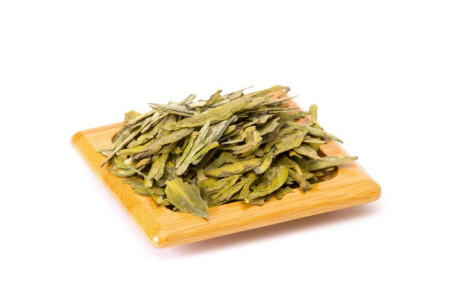
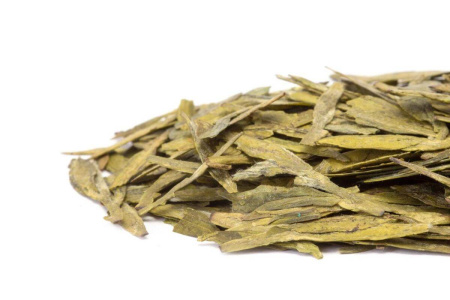
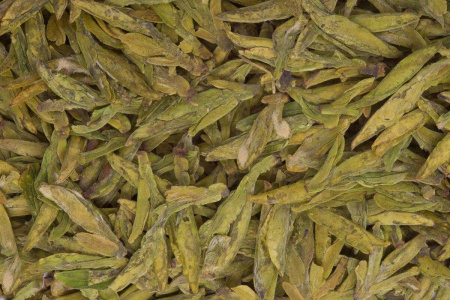
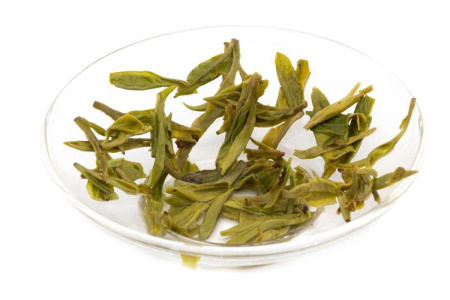
The smooth, glossy leaves of Shi Feng Longjing smell of roasted seeds, hazelnuts, and fresh fruit. The washed tea leaves have an enveloping, floral aroma with hints of roasted hazelnuts, pumpkin seeds, and sweet green peas.
The flavor of Shifeng Dragon Well tea is velvety and rich, with hints of roasted nuts and honey, flowering trees, and fresh fruit. After the third steep, a light, pleasant bitterness emerges. The roasted nut and seed notes fade, replaced by floral and honeyed undertones. The finish is refreshing and cool, with a light trail of green peas and flowers.
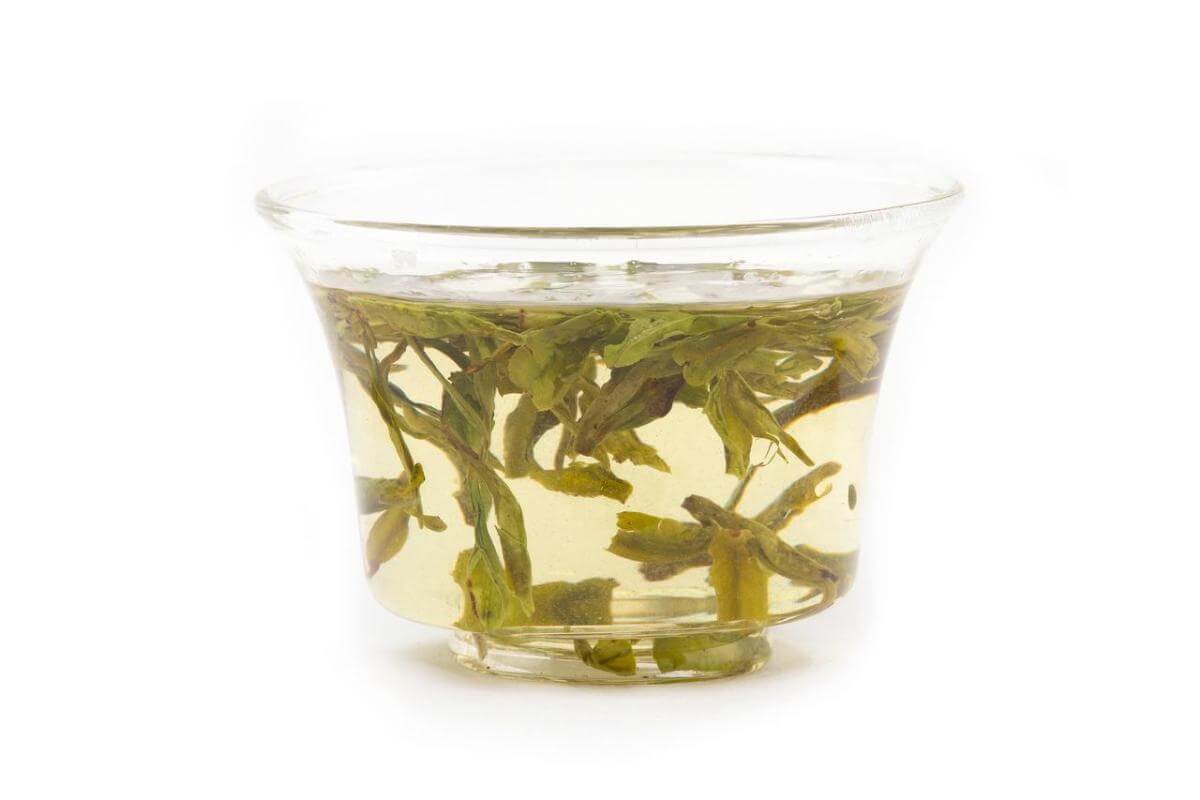
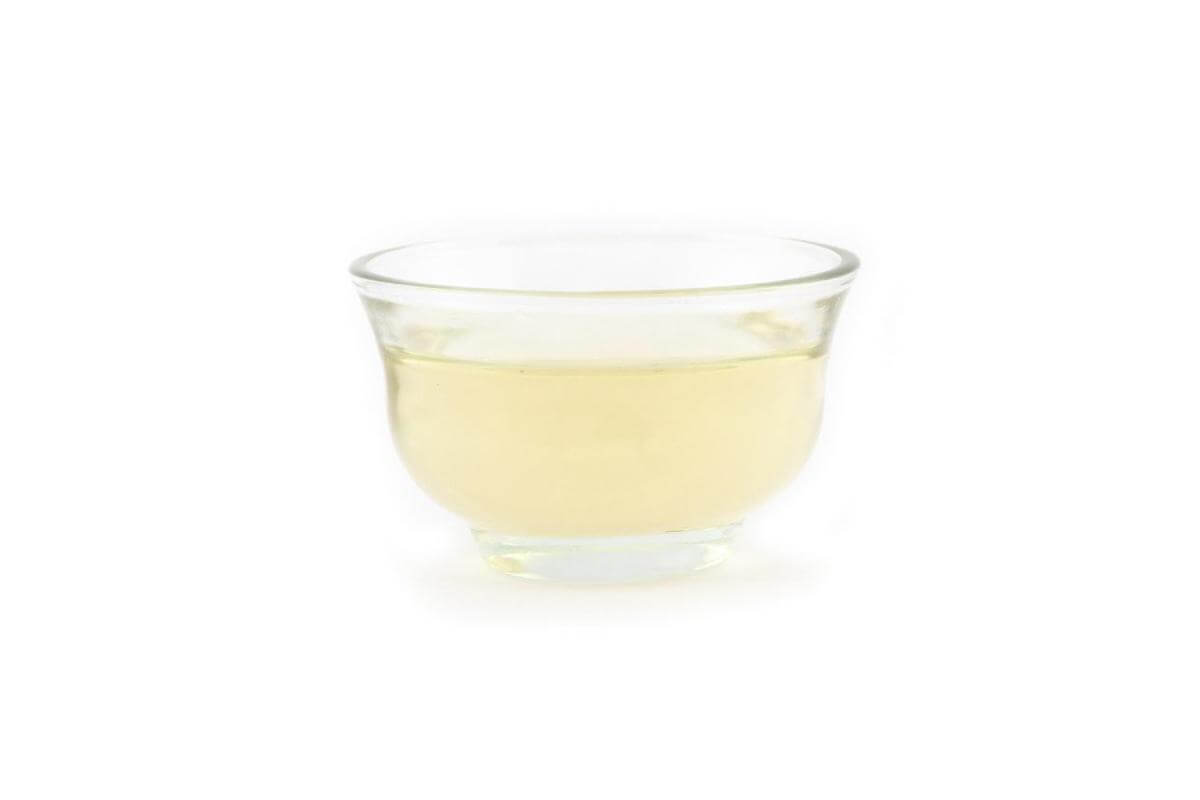
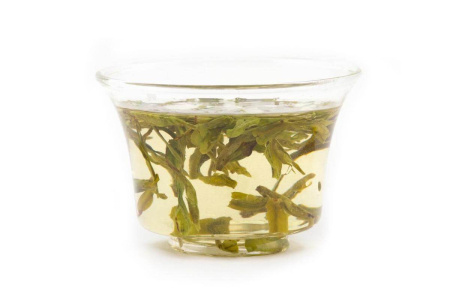
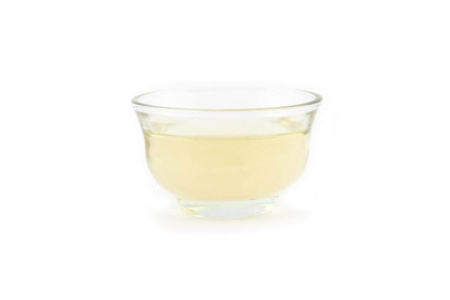
This green tea should be brewed at a temperature no higher than 80-85°C, using a porcelain gaiwan or glass flask. Shi Feng Longjing can be steeped up to five times. The optimal amount of dry tea leaves is 3-5 grams per 150 ml. The resulting infusion is light green and golden in color.
The tea cools the body well, quenches thirst, and replenishes energy and vitality. Longjing is ideal during the summer, when temperatures rise.
Shi Feng Longjing is a high-quality, ceremonial tea for a calm, thoughtful sipping experience. It embodies high quality, unrivaled taste, aroma, and a long-lasting effect.
|
Name in Chinese
|
狮峰龙井 |
|
Pinyin
|
shī fēng lóngjǐng |
|
English name
|
Shi Feng Longjing 1 (The Dragon Well of Shi Feng) |
|
Translation
|
The Dragon Well of Shifeng |
|
Tea variety
|
Longjing |
|
Country
|
China |
|
Provinces
|
Хунань (湖南) |
|
Region
|
Zhuzhou (株洲) |
|
Habitat
|
Шифэн (狮峰, shī fēng) |
- Reviews
- Vkontakte

Perhaps the most popular and beloved tea in China is Longjing or Long Jing (Chinese traditional: 龍井茶, simplified: 龙井茶, pinyin: lóngjǐngchá, which means "Dragon Well"). Over its more than a thousand-year history, this variety received the status of imperial tea in honor of Emperor Kangxi, who ruled during the Qing Dynasty (1644 - 1912). And currently, Dragon Well is rightfully called the king of green tea. It is famous not only in China, but also abroad.
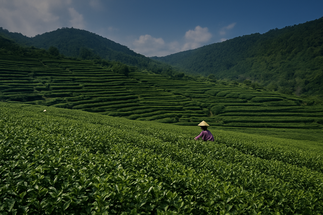
The history of this tea variety goes back more than a thousand years. This drink was loved by many rulers of China. Thus, Emperor Kangxi awarded Longjing the highest title of Gong Cha for its amazing qualities. And his grandson Qianlong, having appreciated the taste of tea, personally created an imperial garden of eighteen "dragon well" bushes. Mao Zedong also loved this variety very much.