


-
9 Saturation
-
8 Aftertaste
-
9 Aroma
-
8 Effect
-
8 Balance
-
7 Body
Longjing green tea is the most sought-after variety and a national treasure in China. Translated, the word means "Dragon Well." Its popularity stems not only from its aroma and rich flavor, but also from the many beautiful ancient legends surrounding it. It is quite expensive, and is often served to heads of state on business trips to China.
Most legends associated with Longjing tea have a common origin: the sacred Dragon Well , located near West Lake. One story says that well diggers discovered a strange stone in the shape of a mythical creature, hence its name. Another legend says that during heavy rains, the well's water rose and created a vortex in the shape of a dragon. Superstitious residents attributed magical changes to the well and the area, considering it sacred.
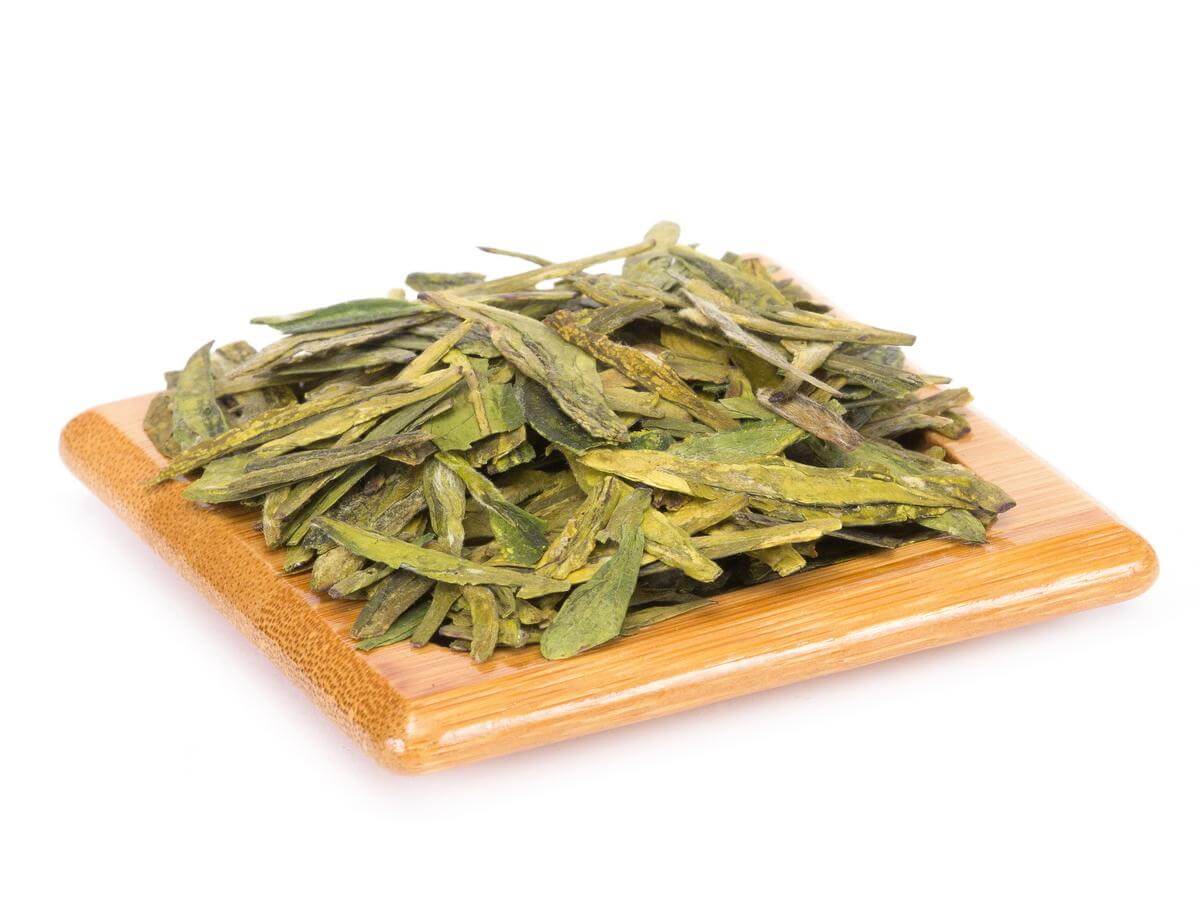
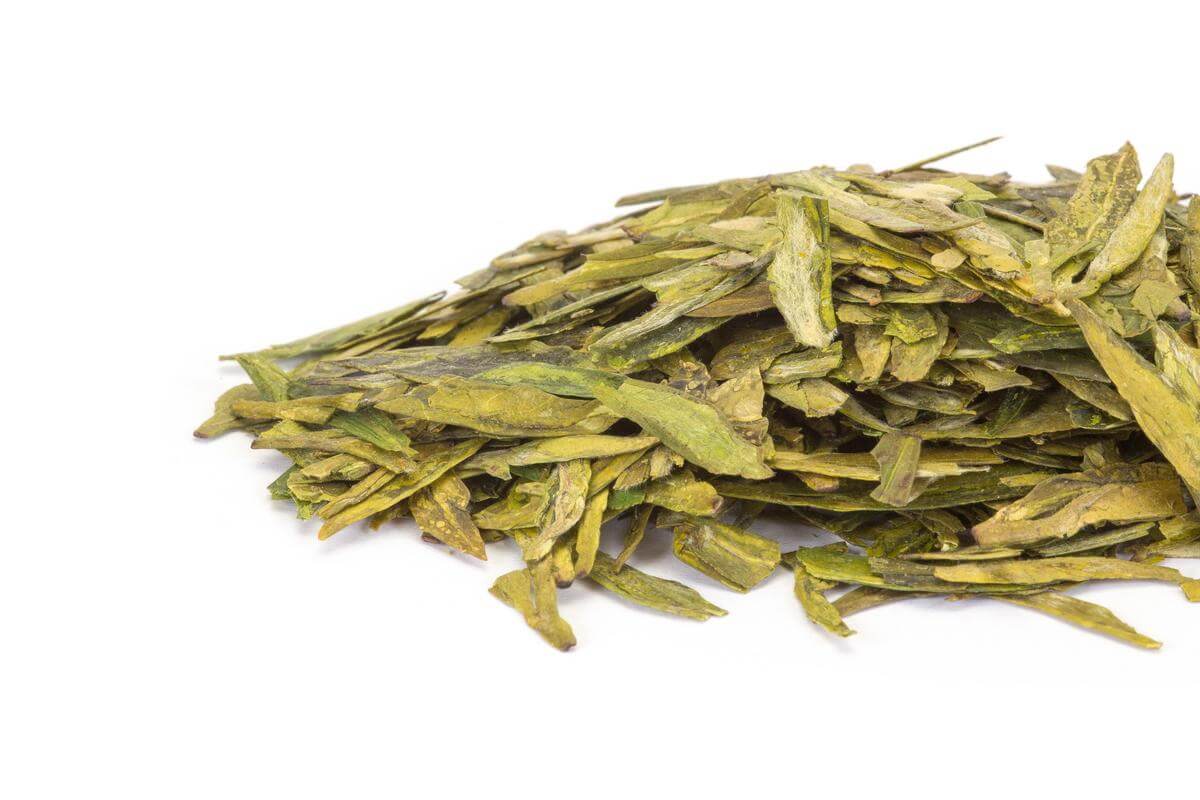
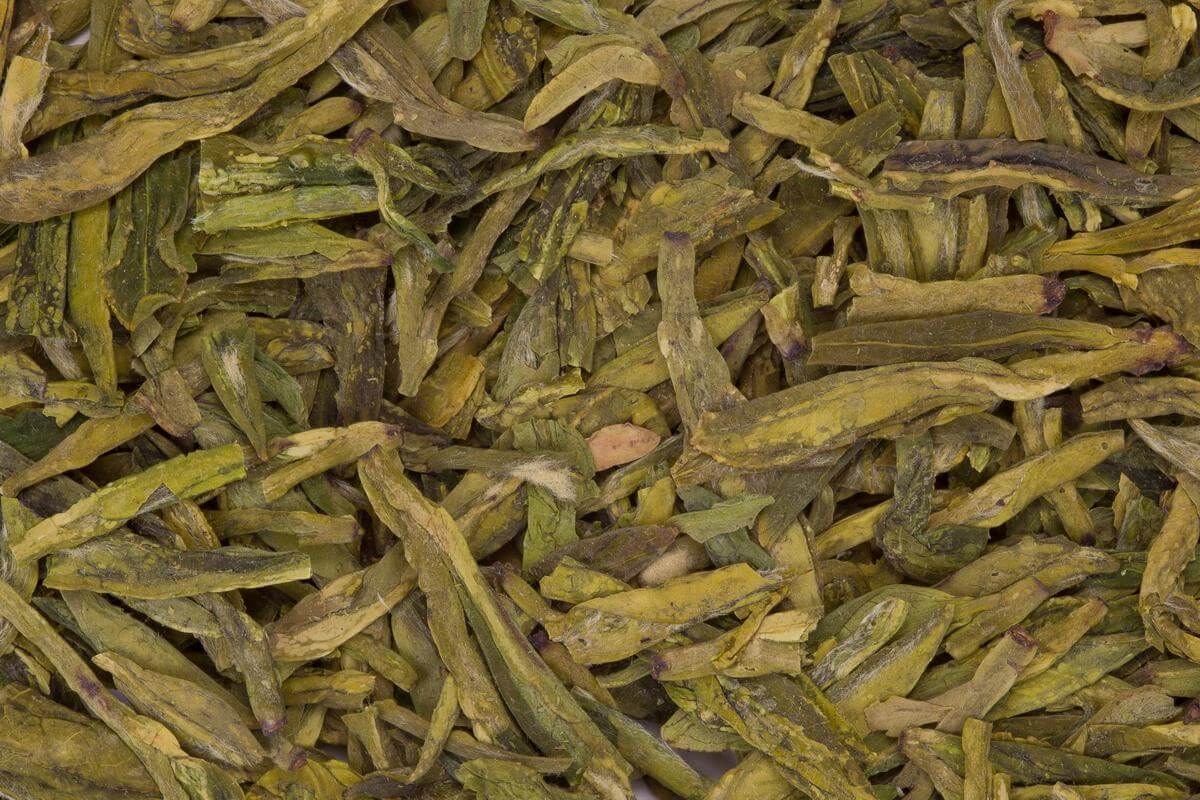
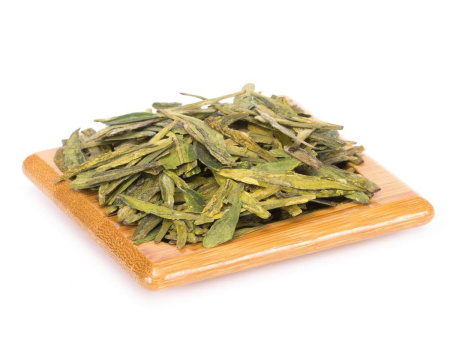
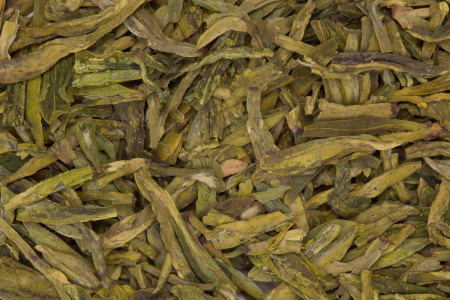
The tea is harvested by hand, so it requires no further sorting. The tea leaves are withered and then roasted in three stages. These special mechanical processes ultimately give Longjing its delicate and smooth flavor.
Although Longjing tea has been cultivated for over 1,000 years, it only gained popularity during the reign of Emperor Kangxi.
Rumor has it that while passing through Hangzhou, Kangxi saw locals harvesting tea and joined them. At that time, the emperor received the ill news of his mother's illness. Taking the tea leaves he had collected, he went to the sick woman and began giving her a decoction of these fragrant leaves. His mother recovered from her illness, and from then on, Longjing became a favorite of the imperial family.
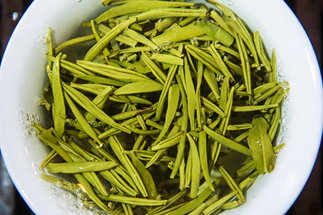
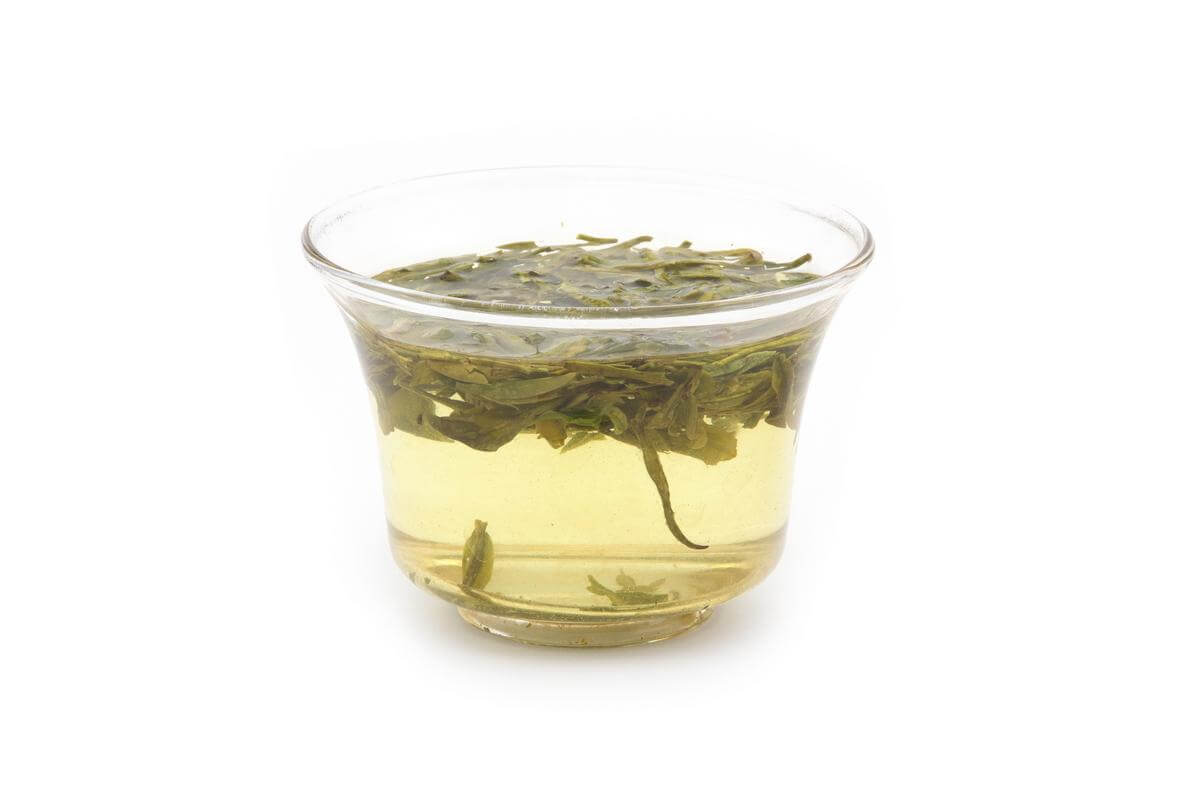
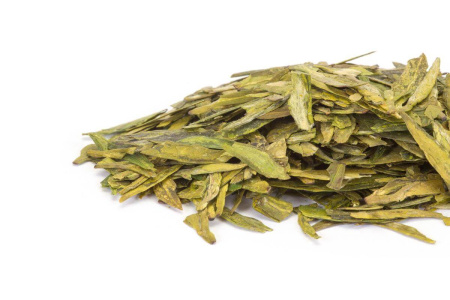
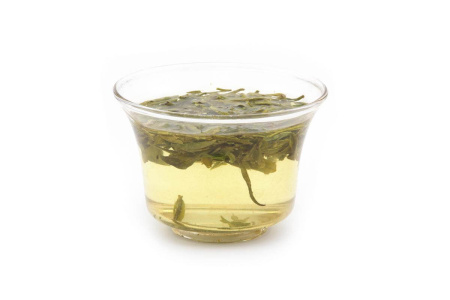
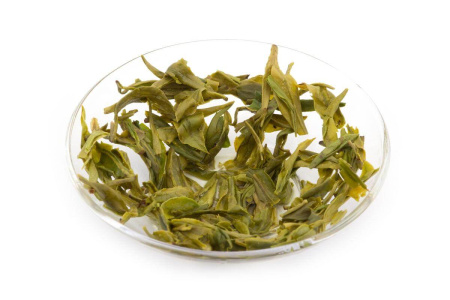
The freshest Longjing tea has a distinct, rich, floral-honey aroma with notes of Brazil nut, orchid, and melon. Longjing requires water at 80-85 degrees Celsius (176-185 degrees Fahrenheit). You can brew the tea in a porcelain gaiwan or a glass flask.
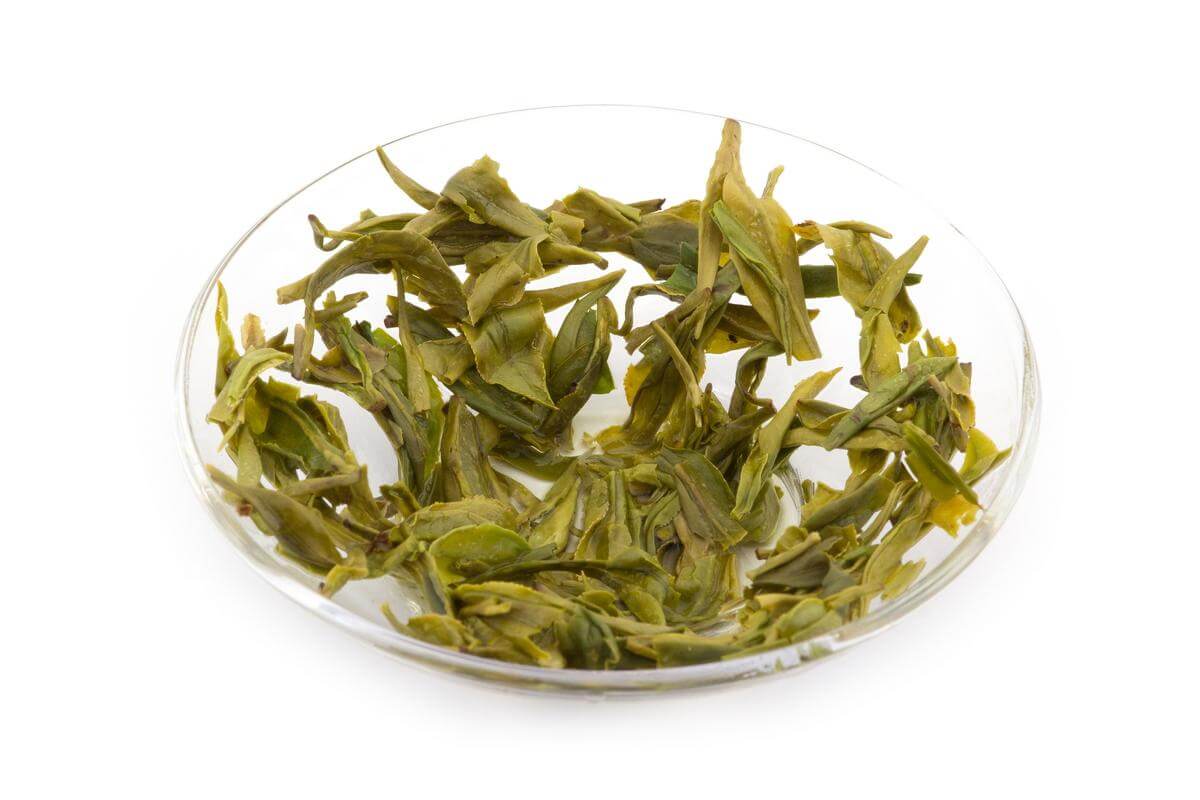
The tea's flavor is delicate, thick, and rich, yet not harsh, but refreshing and slightly sweet. The taste features linden honey, watermelon seeds, melon, and hints of fresh fruit. The tea can be steeped up to five times, after which the infusion acquires a more tart flavor with a distinct bitterness.
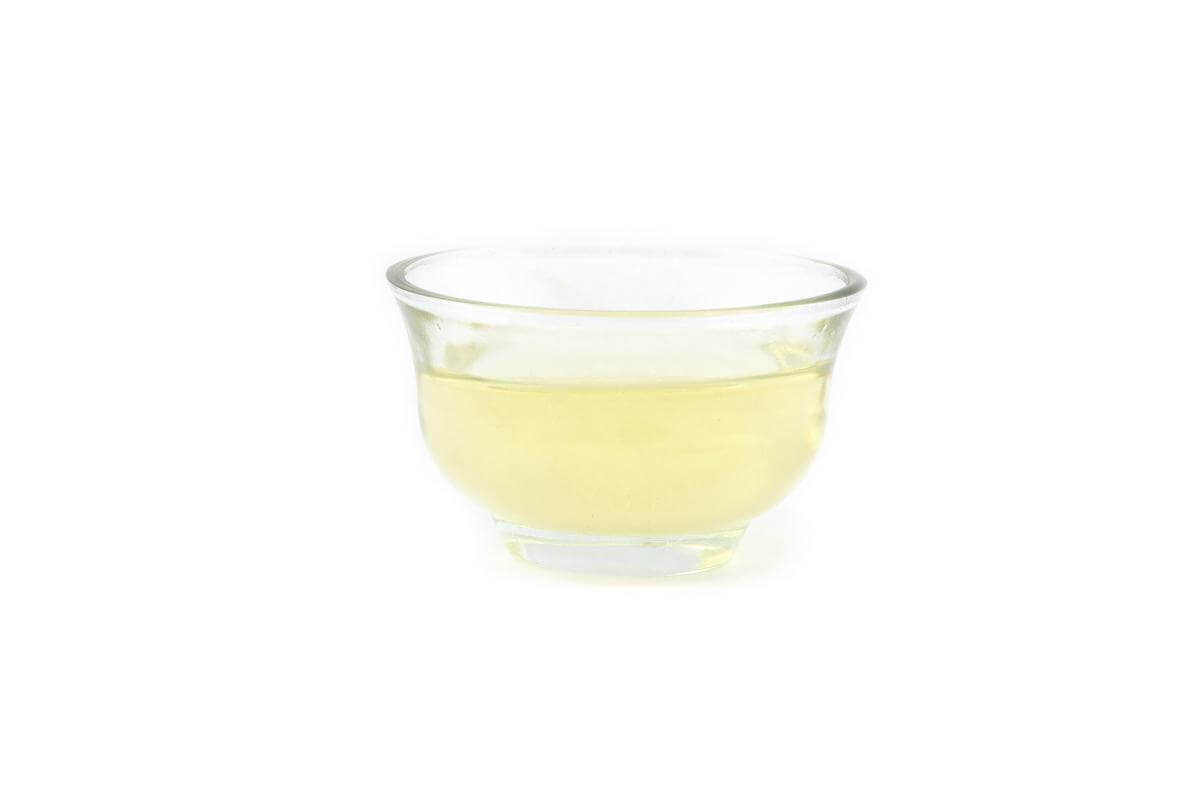
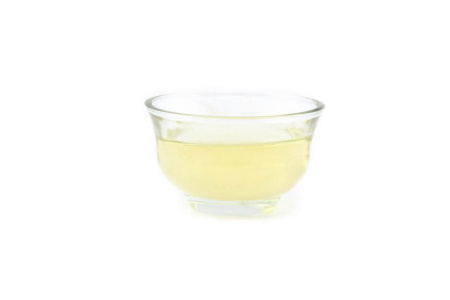
The aftertaste is refreshing, with a slightly cool mouthfeel and honeyed floral notes. The finished infusion is greenish in color, with a pear tint. The infusion is clean and very clear.
Longjing has a very gentle tonic effect, calms the nervous system, promotes pleasant conversation, and helps the body relax. This tea is rich in vitamins and antioxidants, providing overall health benefits and improving well-being.
Longjing, one of China's most popular teas, is a good place to start your first acquaintance with green tea. Dragon Well tea is a good everyday tea, especially in the hot summer.
|
Name in Chinese
|
大佛龙井 |
|
Pinyin
|
dàfó lóngjǐng |
|
English name
|
Dafo Longjing |
|
Translation
|
The Dragon Well of Dafo |
|
Tea variety
|
Longjing |
|
Country
|
China |
|
Provinces
|
Чжэцзян (浙江) |
|
Region
|
Hangzhou (杭州) |
|
Habitat
|
Дафо (大佛, dàfó) |
|
Length, cm
|
0.1 |
|
Width, cm
|
0.02 |
- Reviews
- Vkontakte

Perhaps the most popular and beloved tea in China is Longjing or Long Jing (Chinese traditional: 龍井茶, simplified: 龙井茶, pinyin: lóngjǐngchá, which means "Dragon Well"). Over its more than a thousand-year history, this variety received the status of imperial tea in honor of Emperor Kangxi, who ruled during the Qing Dynasty (1644 - 1912). And currently, Dragon Well is rightfully called the king of green tea. It is famous not only in China, but also abroad.
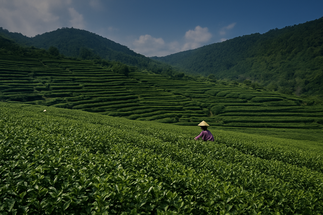
The history of this tea variety goes back more than a thousand years. This drink was loved by many rulers of China. Thus, Emperor Kangxi awarded Longjing the highest title of Gong Cha for its amazing qualities. And his grandson Qianlong, having appreciated the taste of tea, personally created an imperial garden of eighteen "dragon well" bushes. Mao Zedong also loved this variety very much.