



-
10 Saturation
-
10 Aftertaste
-
10 Aroma
-
10 Effect
-
10 Balance
-
10 Body
Gande Tie Guan Yin Qingxiang: The Delicate Fragrance of the "Iron Goddess"
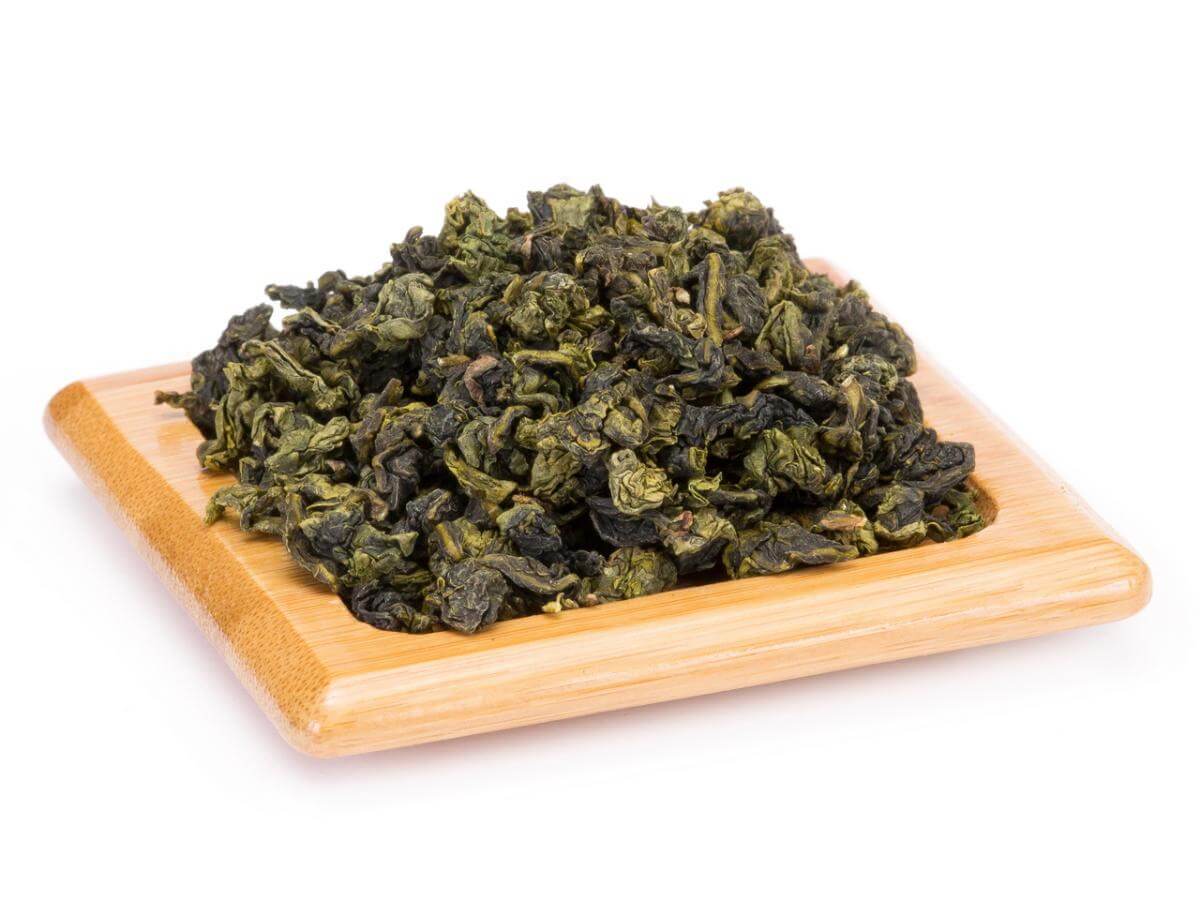
Among the many treasures of Chinese tea culture, Tie Guan Yin (铁观音, Tie Guan Yin) holds a special place. Its Qing Xiang (清香, Qīng Xiāng) variety from Gande (感德, Gǎn Dé) village, located in the renowned Anxi County of Fujian Province, is rightfully considered one of the pearls of the oolong world. This tea captivates with its delicate, pure aroma and multifaceted, refreshing flavor, offering connoisseurs unforgettable moments.
The Legend and Name of the "Iron Goddess"
The name Tie Guan Yin translates as "Iron Goddess of Mercy." It is shrouded in beautiful legends. One of the most famous tells of a devout tea grower (or monk) to whom the goddess Guan Yin appeared in a dream and pointed out a mountain spot where a remarkable tea bush grew. Having found it, the tea grower crafted a unique tea from its leaves, which has since been revered as a gift from heaven and bears the name of the merciful goddess.
Origin: Gande Highlands, Anxi
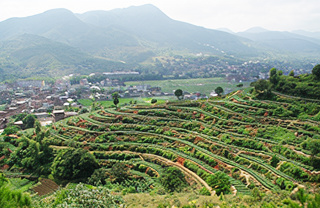
Genuine Tie Guan Yin is produced in Anxi County, Fujian Province. The village of Gande (感德, Gǎn dé) is one of the key and most famous highland production areas for this oolong. The tea plantations here are located at an altitude of over 1,000 meters above sea level. It is believed that the unique microclimate—a combination of bright sunshine, clean mountain air, abundant fog, and spring water—allows the tea leaves to accumulate a wealth of aromatic compounds and develop a delicate yet rich flavor.
Qingxiang (清香, Qīng Xiāng) – "Pure Fragrance"
Qingxiang (清香, Qīng Xiāng) literally translates as "clean/fresh fragrance." This term refers to a style of processing Tie Guanyin characterized by:
- Low oxidation (fermentation): Leaves retain more green color and freshness.
- Minimal (or no) roasting: Unlike the Nongxiang (浓香, Nóng xiāng, "thick aroma") style, which roasts the tea more intensely, Qingxiang focuses on preserving the tea's original floral and fresh notes.
- Emphasis on aroma: The main goal is to fully reveal the volatile, delicate, floral aroma of tea.
Taste and aroma
Gande's Tie Guanyin Qingxiang is renowned for its exquisite profile:
- Aroma: Vibrant, high-flowing, dominated by floral notes reminiscent of orchid, lilac, and magnolia. The scent is fresh, clean, and very volatile.
- Taste: Light, smooth, refreshing, with a distinctive floral sweetness. Light creamy, milky, and fresh herbal notes are present. There is virtually no bitterness or astringency.
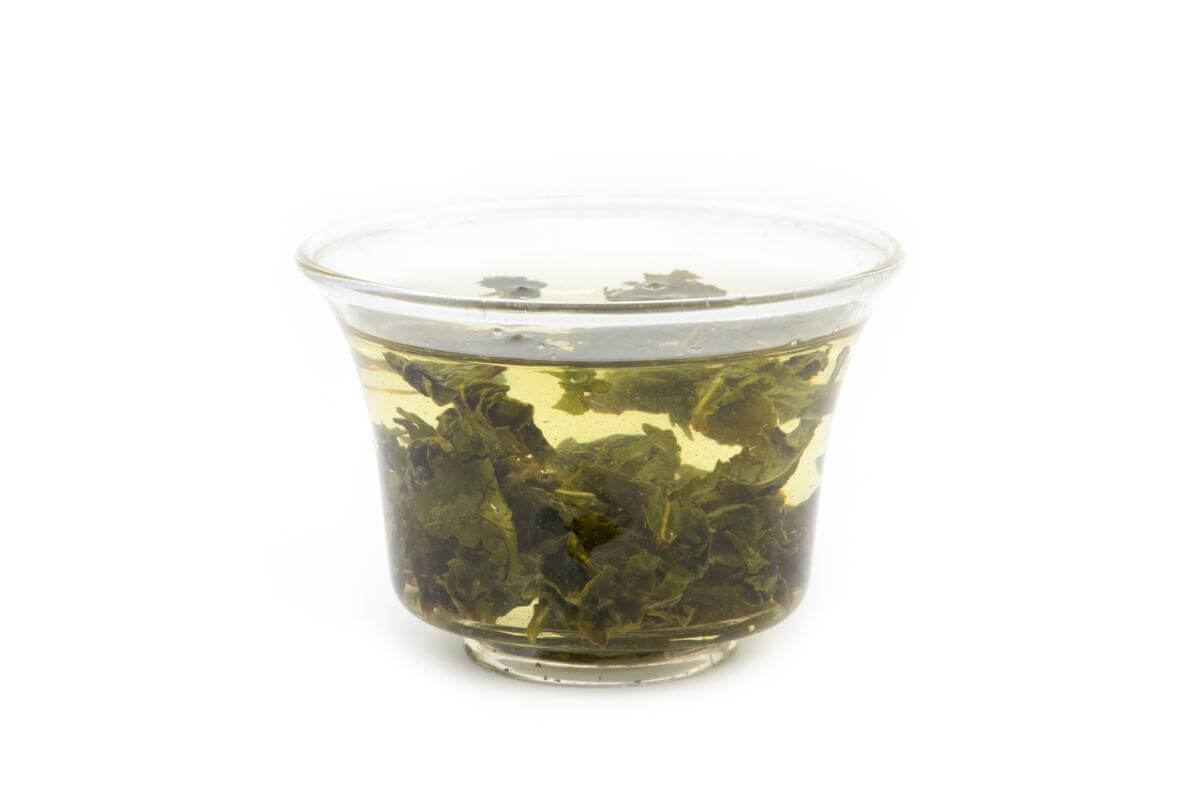
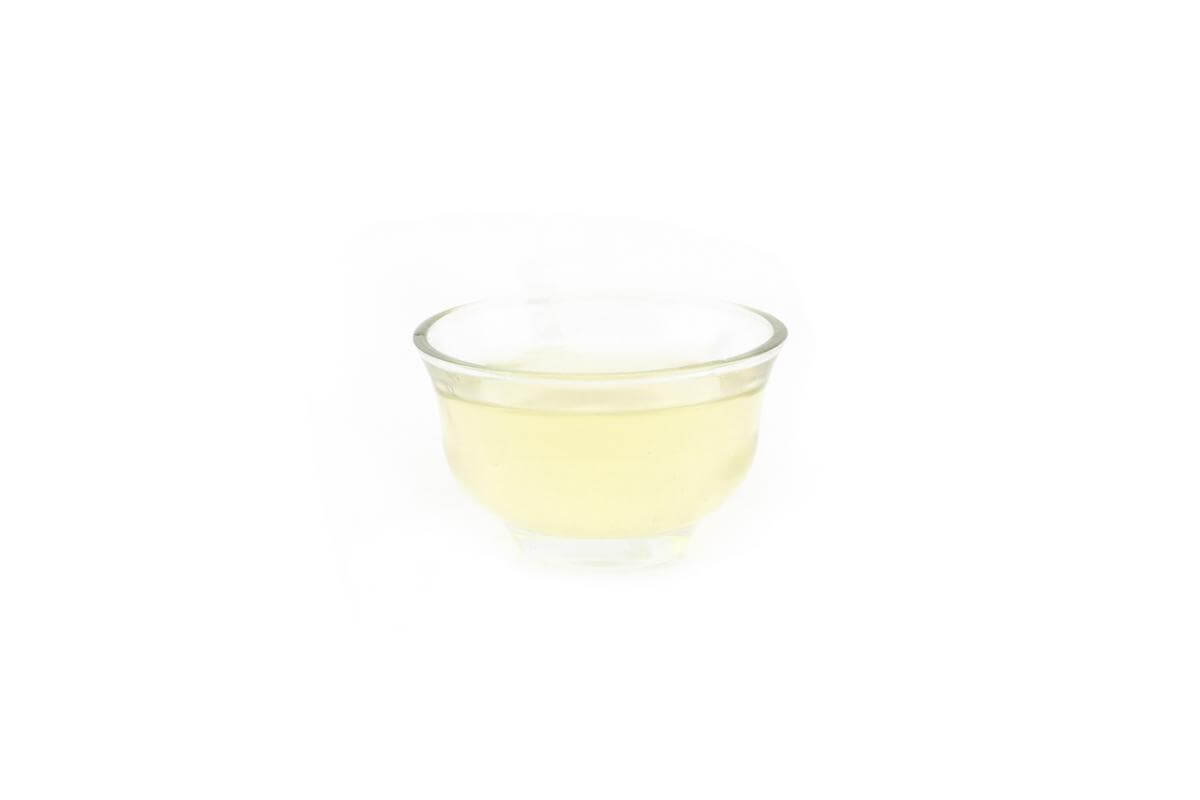
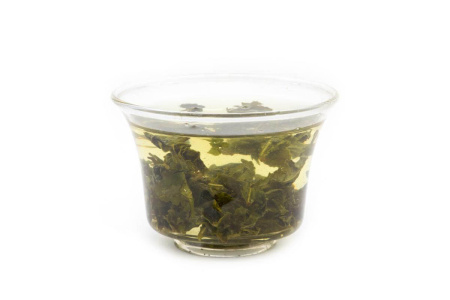
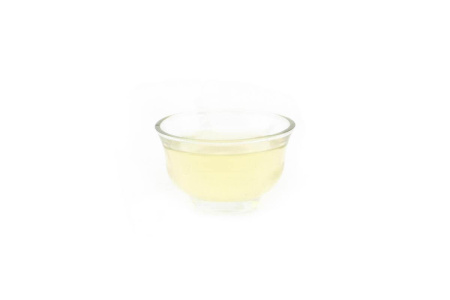
- Infusion: Light, transparent, usually golden-green or light yellow in color.
- Aftertaste: Long, refreshing, sweetish, with floral nuances.
Brewing recommendations
To fully develop the gentle nature of Qingxiang Tie Guan Yin, it is recommended:
- Utensils: Porcelain gaiwan or glass teapot – they do not absorb aroma and allow you to admire the color of the infusion.
- Water: Slightly cooled boiling water (about 90-95°C).
- Amount of tea: 5-7 grams per 100-150 ml of water.
- Brewing: Steeping. The first steeping (rinsing) is very quick and can be discarded. Subsequent steepings should begin with 20-30 seconds, gradually increasing the time. The tea can withstand multiple steepings.
Gande Tie Guan Yin Qingxiang is the embodiment of freshness, tenderness, and floral elegance in the world of oolongs. Its legendary name, prestigious highland origins in the heart of Anxi, and focus on pure aroma make it a favorite among connoisseurs of light oolongs. This tea offers a truly unforgettable tea ceremony, filled with subtle aromas and a refreshing taste.
Among China's tea treasures , Gande Tie Guan Yin Qingxiang holds a special place. This oolong, native to the highland villages of Anxi County, Fujian Province, captivates with its delicate aroma and multifaceted flavor, offering connoisseurs unforgettable tea ceremonies.
The name "Tie Guan Yin" ("Iron Goddess of Mercy") is shrouded in legend. One tells of a Buddhist monk who, following the guidance of the goddess Guan Yin, discovered a wild tea bush with extraordinary properties. Since then, tea produced from its descendants has been revered as a gift from heaven.
The village of Gande, located on the slopes of Mount Wuyi, is famous for its tea plantations. Here, at an altitude of over 1,000 meters above sea level, delicate tea leaves grow, absorbing the power of the sun, the fresh mountain air, and the purity of the mountain springs.
Features of Qingxiang:
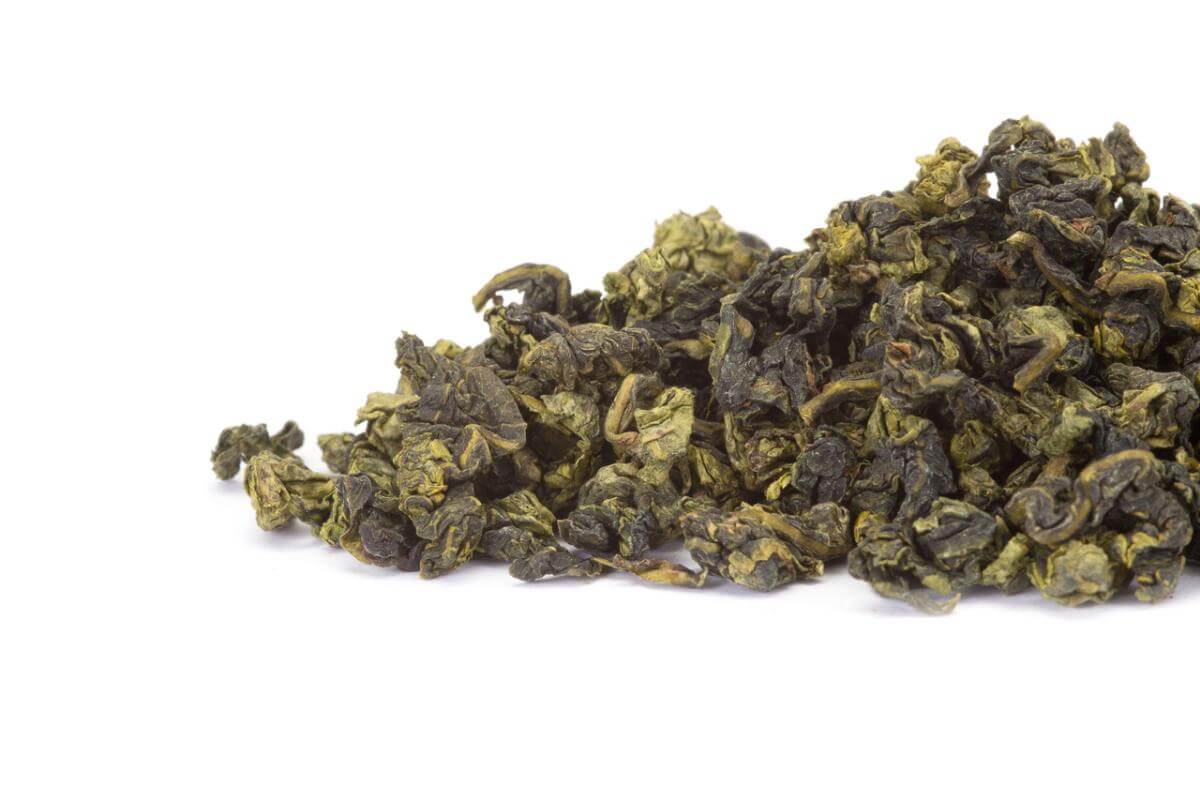
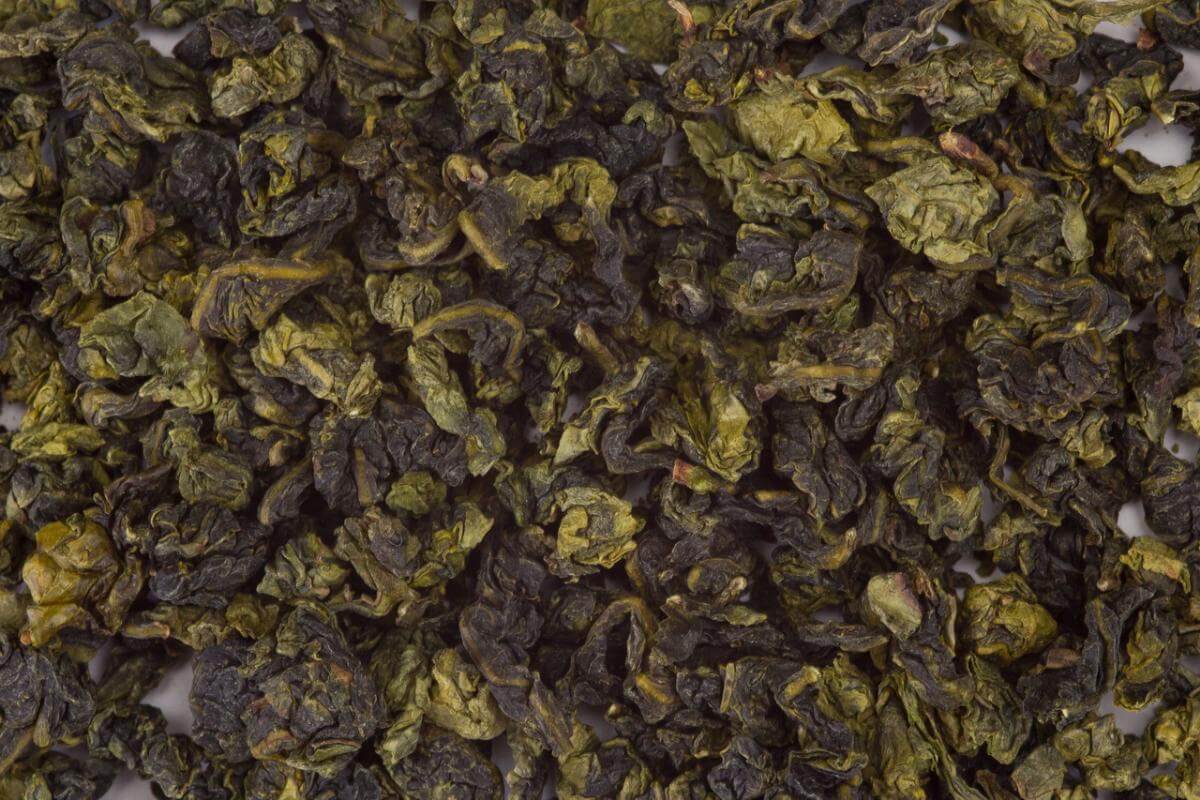
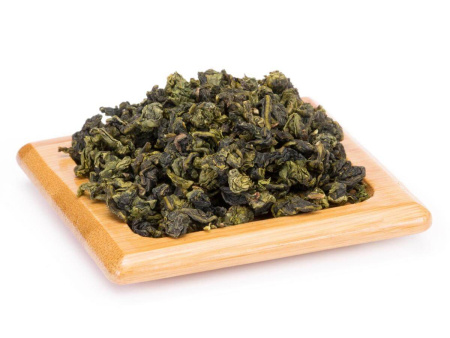
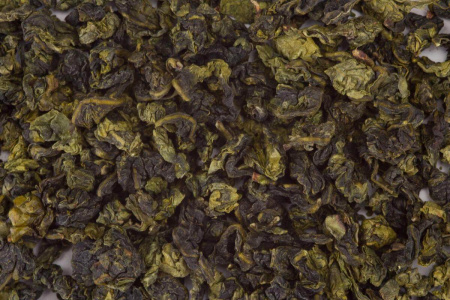
Qingxiang ("Pure Fragrance") is a special type of Tie Guan Yin tea distinguished by minimal fermentation. This allows the tea to retain its emerald green color, and its aroma reveals floral, honeyed, and fruity notes.
Taste and aroma:
The first sip of Gande Qingxiang tea leaves a feeling of freshness and purity. A delicate, slightly sweet flavor with floral undertones gradually intertwines with fruity notes, leaving a long, sweet aftertaste. The tea's aroma changes with each infusion, revealing new facets of its floral bouquet, with hints of honey, orchid, and lilac.
Beneficial properties:
In addition to its exquisite taste, Gande Tie Guan Yin Qingxiang boasts numerous beneficial properties. It is rich in antioxidants, vitamins, and microelements that have a beneficial effect on human health.
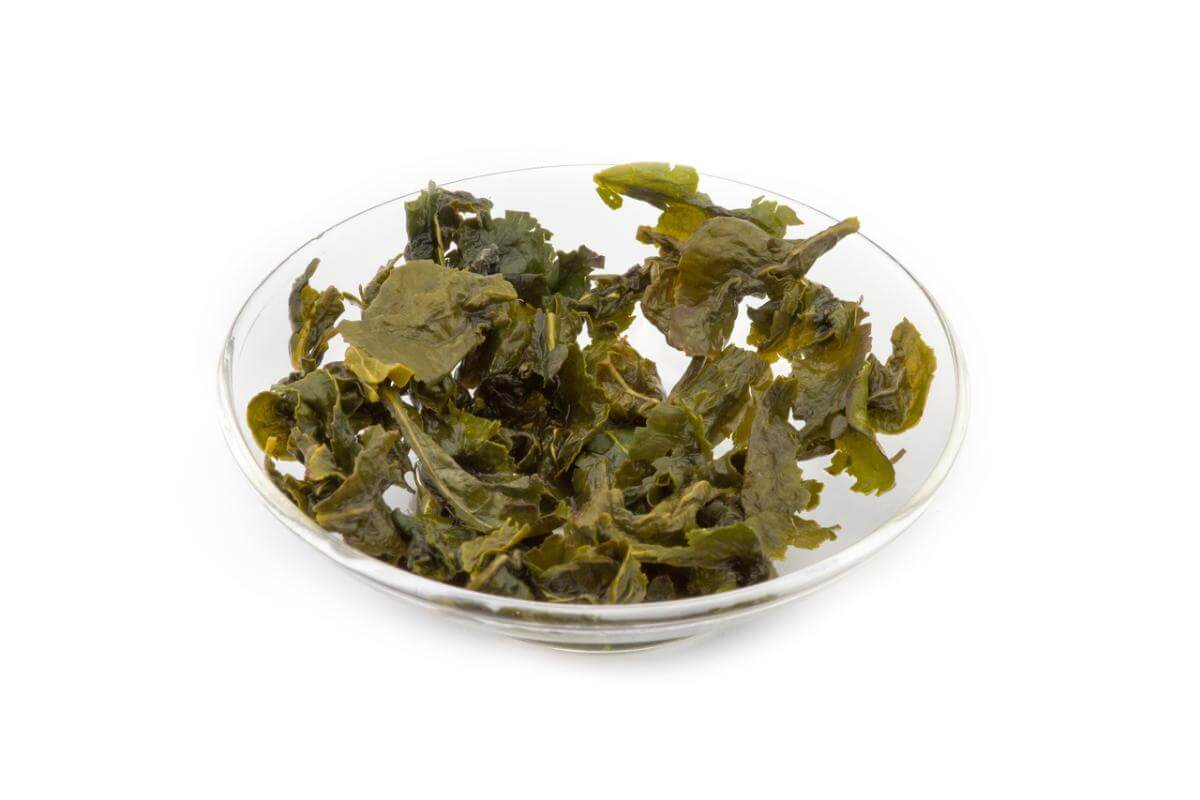
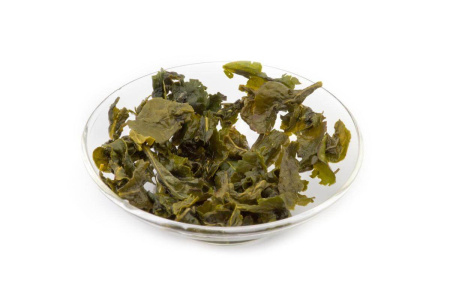
Transparent glass or porcelain teaware is ideal for brewing Gande Qingxiang, allowing you to fully appreciate the beauty of the tea leaves and the color of the infusion.
Gande Qingxiang is more than just tea; it's a work of art, created by nature itself. It offers not only aesthetic pleasure but also a boost of energy, harmony, and health.
Gande Tie Guan Yin Qingxiang is a must-try for any tea lover. Its unique flavor and aroma, along with its rich history and production traditions, make it a true treasure among Chinese teas.
|
Name in Chinese
|
感德清香铁观音 |
|
Pinyin
|
gǎndé qīngxiāng tiěguānyīn |
|
English name
|
Tie Guan Yin |
|
Translation
|
Tieguanyin with delicate aroma from Gande |
|
Tea variety
|
Tie Guan Yin |
|
Country
|
China |
|
Provinces
|
Fujian (福建) |
|
Region
|
Anxi (安溪) |
|
Habitat
|
Ганьдэ (感德, gǎndé) |
|
A variety of tea tree (bush)
|
"Tie Guanyin" ("Iron Bodhisattva of Mercy", 铁观音, tiě guānyīn) |
|
Type of tea
|
Oolong Tea |
- Reviews
- Vkontakte

In the coastal province of Fujian, there is a small provincial Chinese city with a population of more than a million people. In economic theory, there is a concept of perfect competition - this is a market condition when many manufacturers sell the same product to buyers, and this product is not such a problem for anyone who wants to produce it.


