




-
7 Saturation
-
7 Aftertaste
-
7 Aroma
-
7 Effect
-
7 Balance
-
7 Body
Tie Guanyin with cuttings from Xianghua (祥华铁观音有叶柄): Tradition and Character
Tie Guanyin (铁观音, Tiě guānyīn), or "Iron Goddess of Mercy," is one of the most famous Chinese oolongs, originating from Anxi County in Fujian Province. Tea labeled Xianghua (祥华, Xiánghuá) indicates its origins in one of the county's most famous highland villages. A distinctive feature of this tea (祥华铁观音有叶柄, Xiánghuá Tiěguānyīn yǒu yèbǐng) is the presence of tea stems, which gives this variety of Tie Guanyin its unique character.
Legendary name and origin
The name "Tie Guan Yin" is associated with the goddess of mercy, Guan Yin. Legends tell of a tea grower or monk who, following a sign from the goddess, discovered a unique tea bush that became the ancestor of this variety.
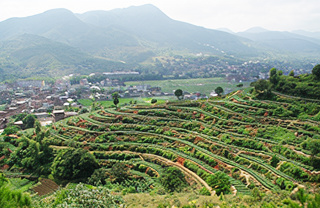
Xianghua (祥华, Xiáng huá) is a highland region in Anxi, located at an altitude of over 900 meters. This region is renowned for producing high-quality Tie Guanyin. Teas from Xianghua are known for their strong flavor and persistent, yet mild, aroma. The high-altitude terroir, with its mists, humidity, and temperature fluctuations, is believed to promote slow leaf growth and the accumulation of aromatic compounds. The classic cultivar for this tea, Tie Guanyin, is used in its production.
Tea Feature: Tea Stems (有叶柄, Yǒu yèbǐng )
The key distinguishing feature of this tea is the presence of stems (叶柄, yèbǐng). While many modern high-quality oolongs carefully remove the stems for a purer flavor and appearance, their presence here indicates several things:
- Traditional Harvesting: Some Tie Guan Yin harvesting standards historically included the bud with a few leaves and a stalk.
- Distinctive Style: Some tea varieties (such as the Xianghua description of "Old Bush Tie Guan Yin") feature irregular reddish-brown stems as part of their distinctive appearance.
- Effect on flavor: Cuttings add body, sweetness, and special woody notes to the infusion, making the flavor more substantial.
There are three processing methods for Tie Guan Yin tea: Qingxiang (light and floral), Nongxiang (roasted and rich), and Chenxiang (aged). Judging by the aroma and flavor, this stemmed tea was processed using the Qingxiang method.
Taste and aroma
- Aroma: Tie Guan Yin's characteristic floral aroma (often compared to orchids) with honeyed or creamy nuances. The aroma is strong and long-lasting.
- Flavor: Strong, smooth, and slightly sweet, with floral, fruity, and lightly herbal notes (like spinach or fennel). The stems add a slight woodiness and additional sweetness. A slightly tart finish.
- Infusion: Color light yellow-green.
Brewing recommendations
- Utensils: A gaiwan or Yixing clay teapot is recommended.
- Water: Temperature around 90-100°C (different sources vary, but oolong tea often uses fairly hot water).
- Amount of tea: 5-7 grams per 100-150 ml of water.
- Brewing: Steeping. Short steeps are recommended, starting at approximately 30 seconds and gradually increasing the time. Tie Guan Yin can withstand multiple steepings.
Tie Guan Yin with Xianghua stems is an interesting variation of the famous oolong tea, offering a more substantial and traditional take on this tea. Originating from the highland Xianghua region, it imparts a strong flavor and rich aroma, while the presence of stems adds intrigue, enhancing the drink's body and sweetness. This tea is suitable for those who appreciate classic Anxi oolongs and want to explore the various facets of the "Iron Goddess of Mercy."

Xianghua Stem Tie Guan Yin , also known as Maocha Tie Guan Yin, is a special type of oolong tea from Anxi County in Fujian Province, China. It captivates with its rich aroma, multifaceted flavor, and rich history.
The key feature of Xianghua Tie Guan Yin with stems is that it contains not only tea leaves but also leaf stems, and is not roasted like other types of Tie Guan Yin. This allows the tea to retain its natural greenish-brown color, as well as a fresher, more herbal aroma with notes of fruit, flowers, and honey.
Xianghua is a picturesque village surrounded by lush tea plantations. Thanks to its unique microclimate and special growing conditions, Xianghua's tea leaves possess exceptional qualities.
Taste and aroma, color:
Tieguanyin with Xianghua stems is renowned for its rich flavor with notes of greenery, fruit, flowers, and honey. The tea is fresh and herbal, with a slight sweetness and a long, pleasant finish. Tieguanyin with Xianghua stems has a beautiful light green color with golden highlights.
Effect:
Tie Guan Yin with Xianghua cuttings has a tonic and invigorating effect. It helps improve concentration and memory, and stimulates the digestive system.
Tie Guan Yin with Xianghua stems is an excellent choice for those seeking a fresh, aromatic tea with a rich flavor and beneficial properties. It will be a true highlight of any tea ceremony, providing moments of refreshment and inspiration.
|
Name in Chinese
|
祥华铁观音有叶柄 |
|
Pinyin
|
xiánghuá tiěguānyīn yǒu yèbǐng |
|
English name
|
Te guan yin with cuttings from Xianghua |
|
Translation
|
Tie guanyin with cuttings from Xianghua |
|
Tea variety
|
Tie Guan Yin |
|
Country
|
China |
|
Provinces
|
Fujian (福建) |
|
Habitat
|
Сянхуа (祥华, xiánghuá) |
|
A variety of tea tree (bush)
|
"Tie Guanyin" ("Iron Bodhisattva of Mercy", 铁观音, tiě guānyīn) |
|
Type of tea
|
Oolong Tea |
- Reviews
- Vkontakte

In the coastal province of Fujian, there is a small provincial Chinese city with a population of more than a million people. In economic theory, there is a concept of perfect competition - this is a market condition when many manufacturers sell the same product to buyers, and this product is not such a problem for anyone who wants to produce it.


