


-
8 Saturation
-
8 Aftertaste
-
8 Aroma
-
8 Effect
-
8 Balance
-
8 Body
Gaba teas were invented in Japan in the 1980s, when there was a surge of interest in Gaba products due to the relaxing effects of this amino acid and its important role in nervous system function. This tea can be made from both green and red teas, but oolong teas are generally preferred for their unique, tart, honeyed flavor.
Nowadays, Taiwanese tea farmers have taken over the main production. It's thanks to them that Gaba oolong is known worldwide for its spherical, twisted, nutty leaves. Cultivars such as "Green-Centered Oolong" (qingxin), "Golden Lily" (jin xuan), and "Four Seasons" (si ji chun) are used as the basis.
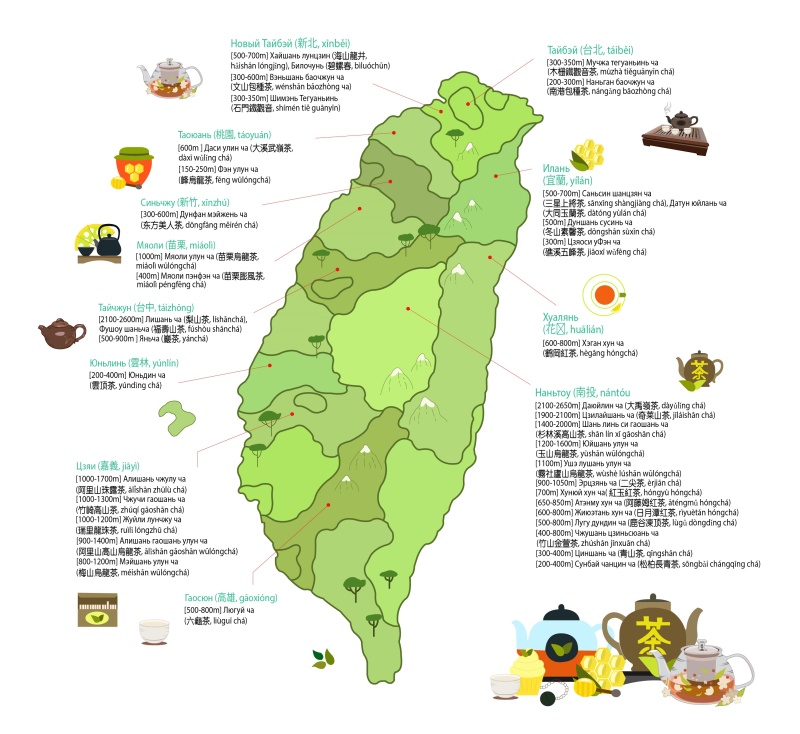
In this case, the raw materials for this Gaba Oolong were collected in Lugu Township (鹿谷), Nantou County (南投縣, nántóu xiàn).
Appearance, aroma and taste
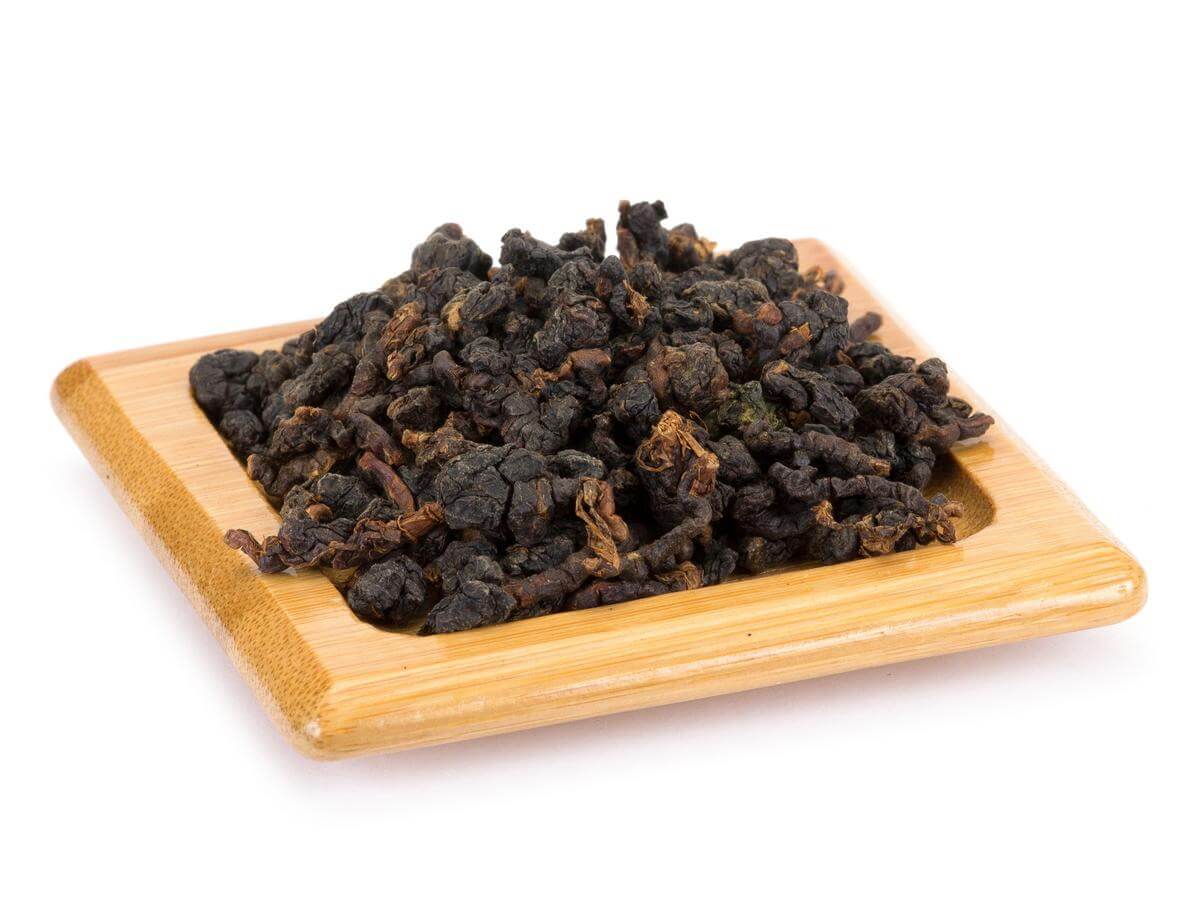
This Gaba is a strong-burning variety, with visible reddish stems. The aroma is sweet, slightly caramelized. The flavor reveals floral notes and a distinctive Gabaron flavor.
Copyright © Chaline.Ru

When dry, GABA tea smells like roasted sunflower seeds. The aroma is very subtle and subtle. After rinsing the tea in a gaiwan, it develops aromas of baked pumpkin and cut grass, with a distinctive tartness.
To brew the tea, you'll need water at 80-90°C, 5 grams of dry tea leaves, and a 150 ml gaiwan or similar. The resulting infusion is light golden with a lemon tint. The flavor of GABA tea is fresh, sweet, and slightly tart, with notes of pumpkin seeds, oatmeal cookies, and homemade baked goods. This tea maintains its flavor throughout the entire six steepings. The finish is sweet and juicy, with a characteristic tartness and pumpkin seeds.
GABA tea has a very powerful and unusual effect. It effectively activates mental activity, and the brain becomes more active. The tea is introspective, forcing one to reflect on many things and reconsider certain points of view. Its ability to help the body combat stress and nervous tension is also noteworthy. Drinking this tea in the evening can also lead to colorful dreams.
GABA tea will appeal to lovers of all light oolongs, green teas, and sheng pu-erhs.
|
Name in Chinese
|
佳叶龙茶 |
|
Pinyin
|
jiāyèlóngchá |
|
English name
|
Gaba 3 |
|
Translation
|
Gaba 3 |
|
Tea variety
|
Alishan Oolong |
|
Country
|
Taiwan |
|
Provinces
|
Taiwan (台湾) |
|
Region
|
Nantou (南投) |
|
Fermentation method
|
Anaerobic fermentation |
|
Type of tea
|
Gaba Tea |
- Reviews
- Vkontakte
GABA tea got its name due to the high content of gamma-aminobutyric acid (GABA). Gamma-aminobutyric acid, in combination with other components of tea, has a completely amazing and complex effect on the human body. It lowers blood pressure, helps with atherosclerosis, headaches and dizziness, seasickness, stimulates brain activity in particular and the dynamics of nervous processes in general, improves thinking and memory, relieves hangover syndrome, has a high antioxidant effect - which means that it can have a preventive anti-cancer effect. Gamma-aminobutyric acid is similar in its effect to tranquilizers (diazepam, phenazepam), but is not addictive.

A cup of aromatic freshly brewed tea invigorates in the morning, gives strength during the day, warms in bad weather or refreshes in the heat. And if it is not just tea, but the famous GABA, the properties of which are improved compared to the traditional drink, then calmness, excellent health, high performance are guaranteed!


