



-
9 Saturation
-
9 Aftertaste
-
9 Aroma
-
9 Effect
-
8 Balance
-
8 Body
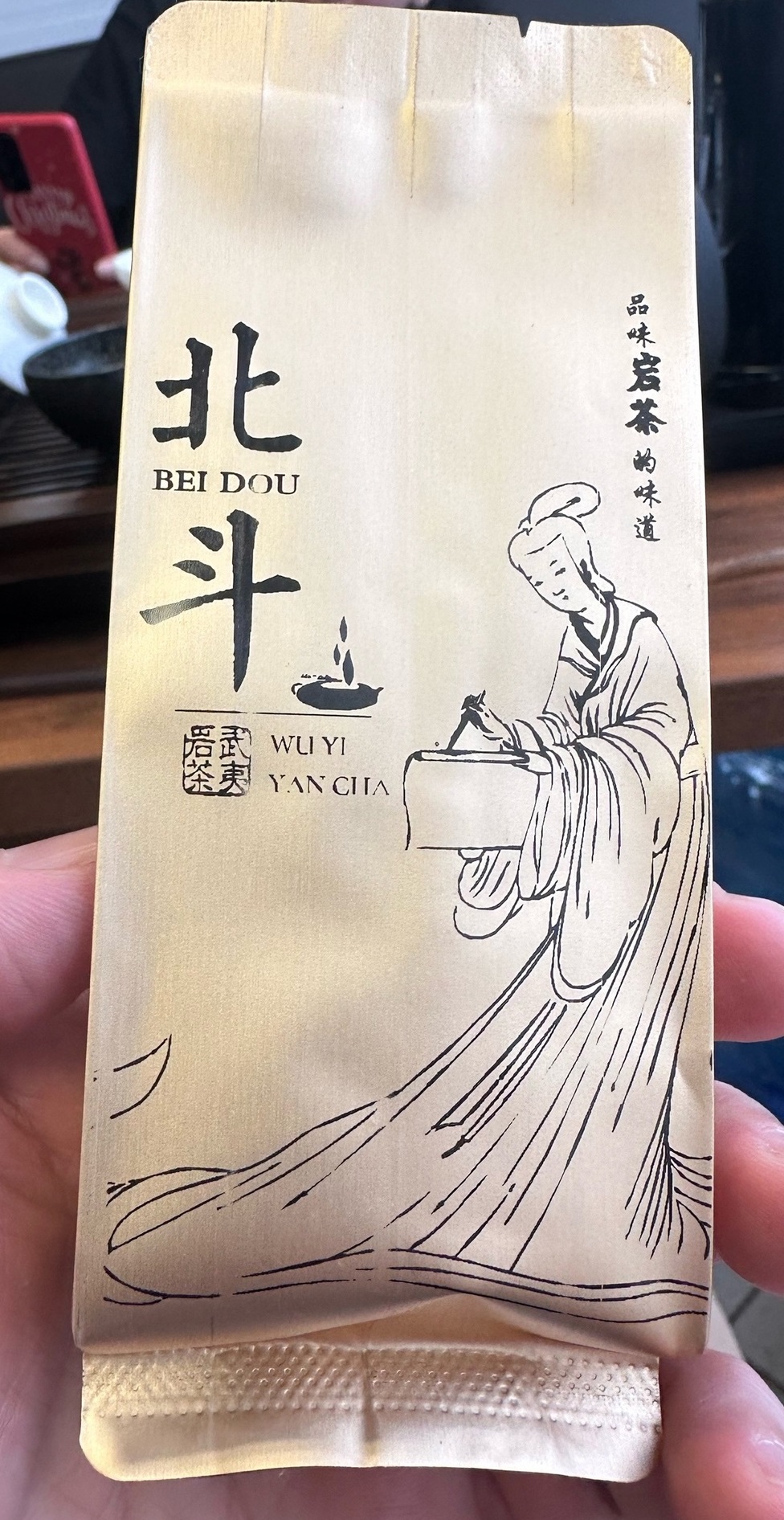
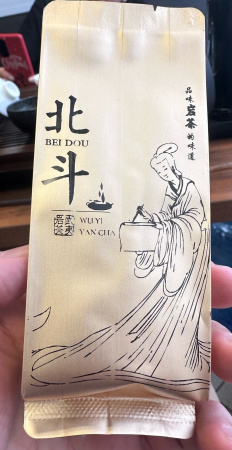
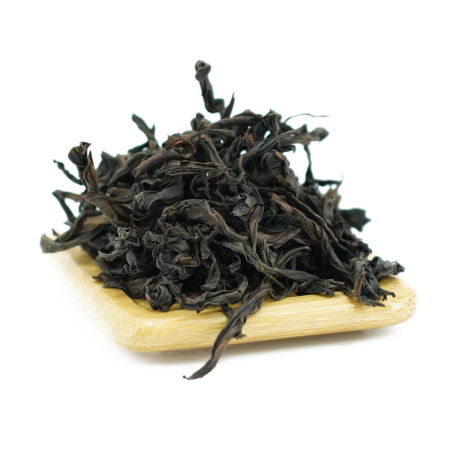
Jiu Long Ke Bei Dou (Chinese: 九龙窠焙斗, pinyin: Jiǔ lóng kē bèi dǒu), also known as Wuyi Mountain Oolong Tea from Nine Dragons Gorge, is a high-grade Chinese tea grown in the Wuyi Mountains of Fujian Province.
This tea has a long history, dating back to the Qing Dynasty. The name "Ju Long Ke Bei Dou" translates as "Kiln Under the Nest of Nine Dragons," referring to its origins in Wuyi Mountain Gorge, known as the "Nine Dragons Gorge."
Taste: Soft, sweet, low in astringency, with notes of fruit, flowers, cream and a slight smoky note.
Aroma: Rich, floral, with hints of caramel, malt and prune.
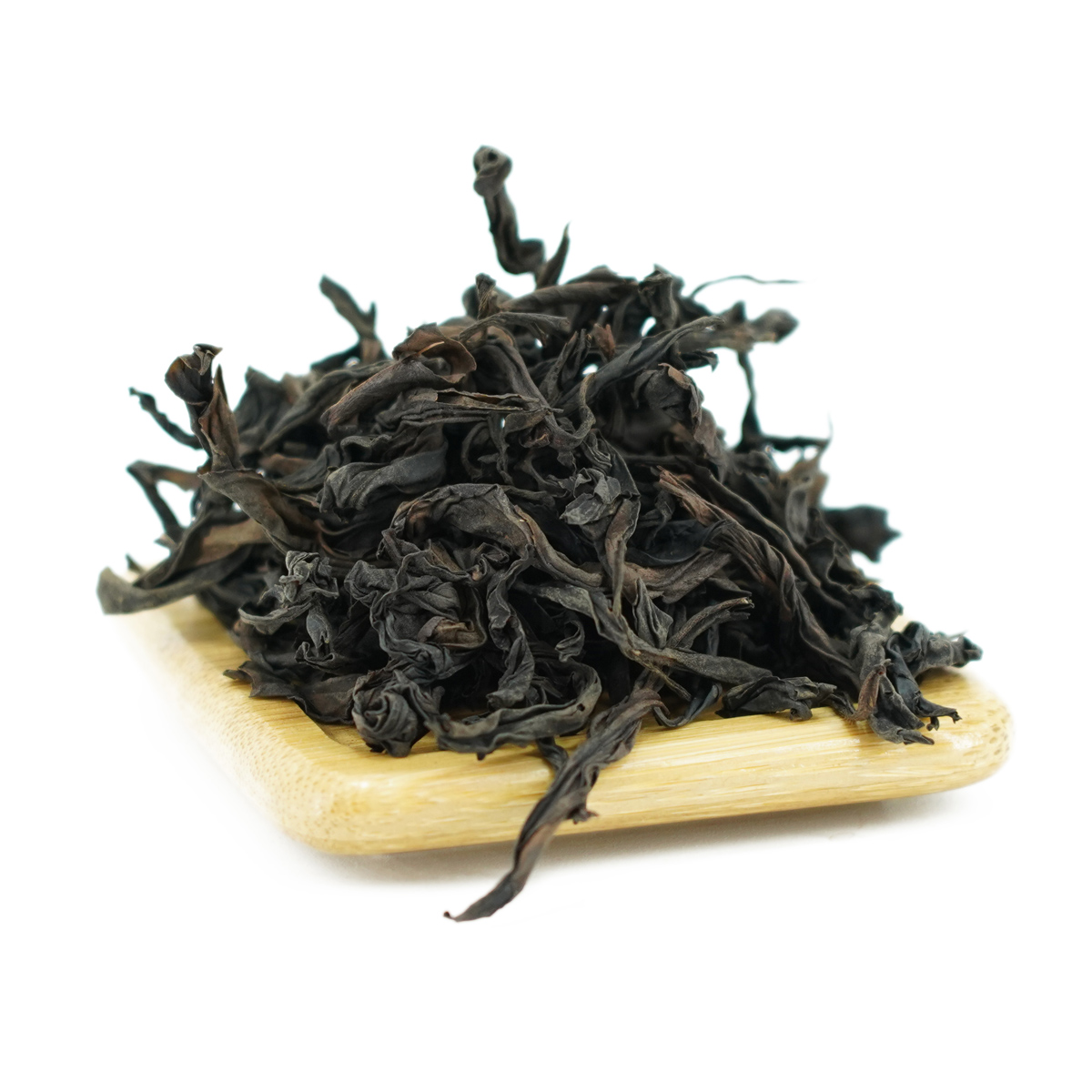
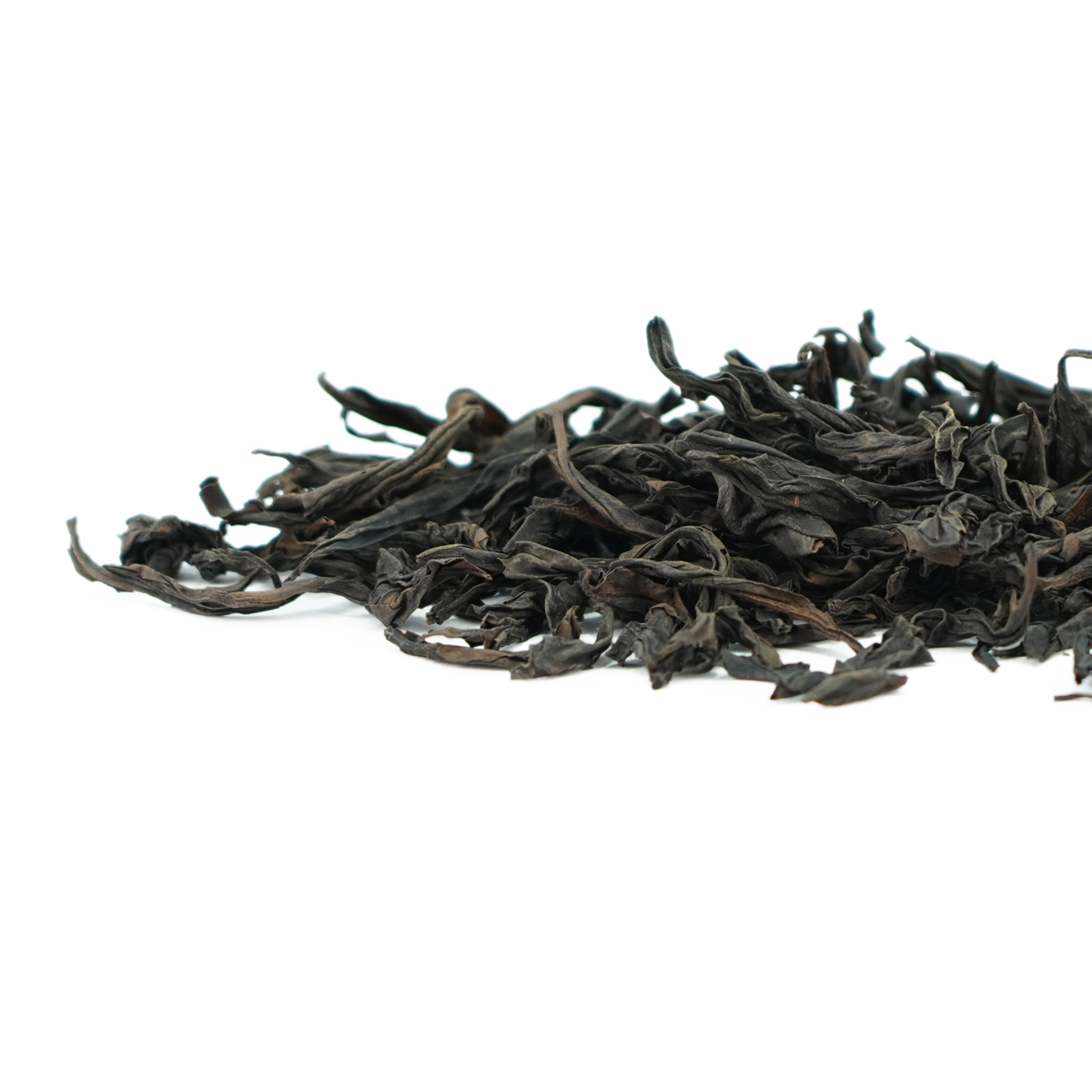
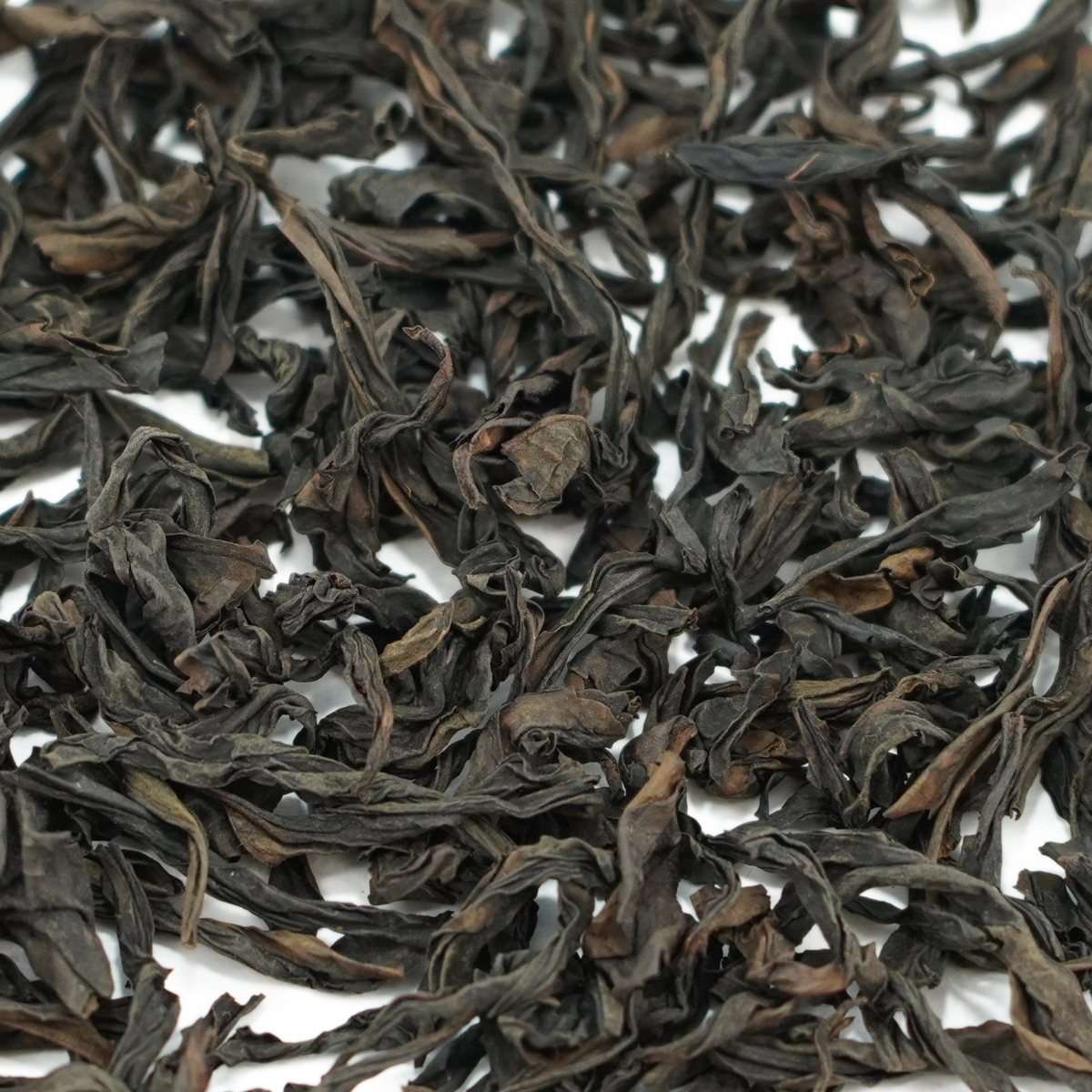
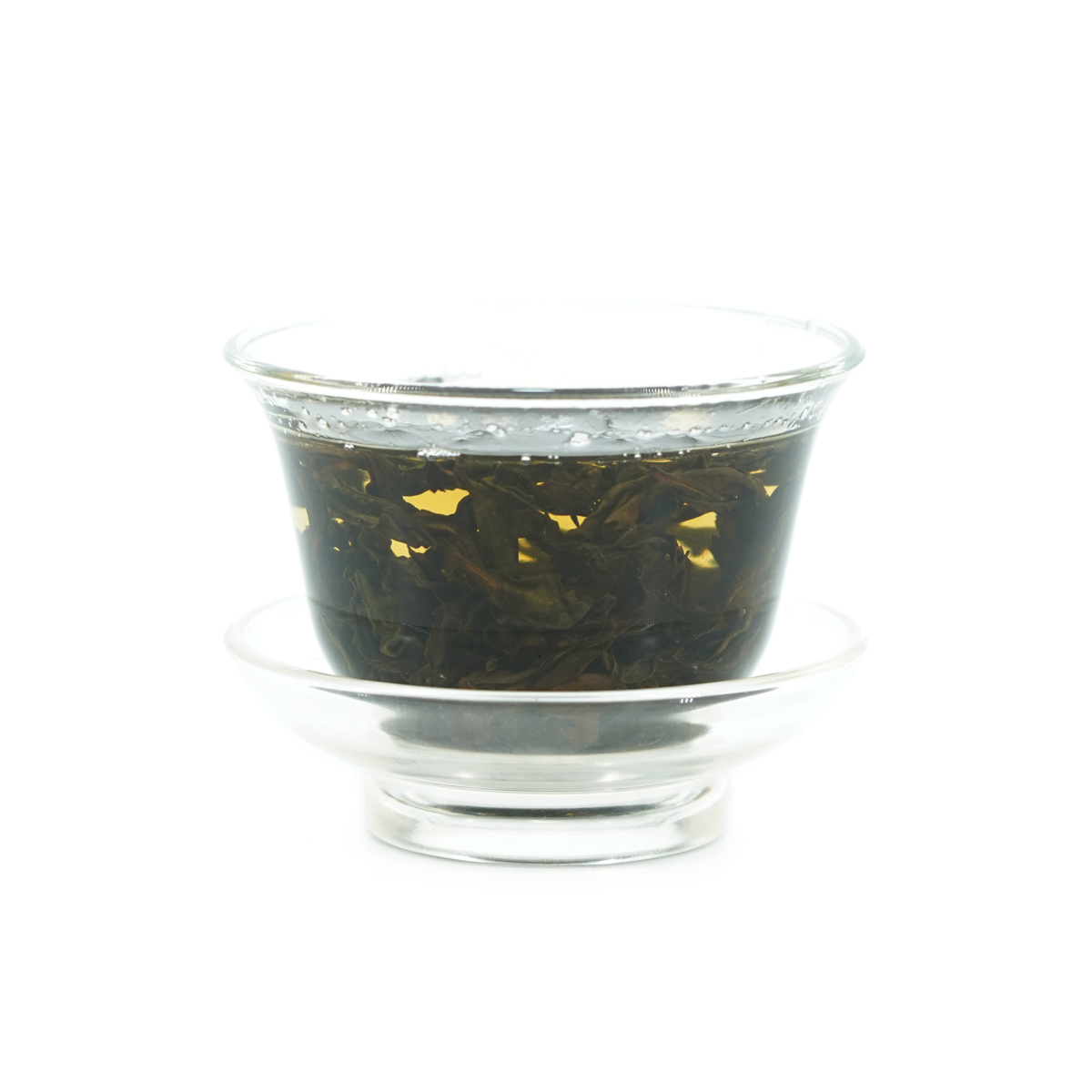
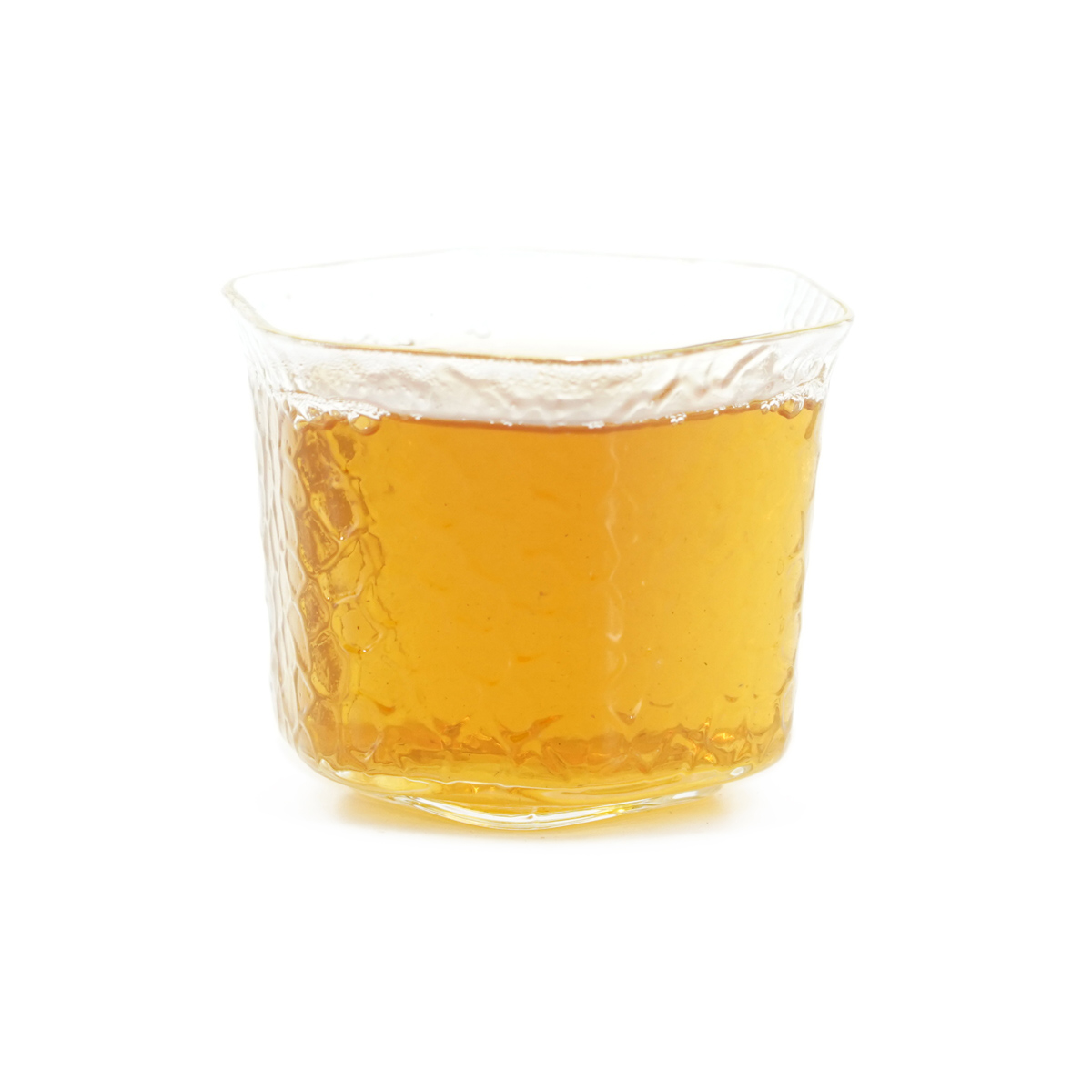
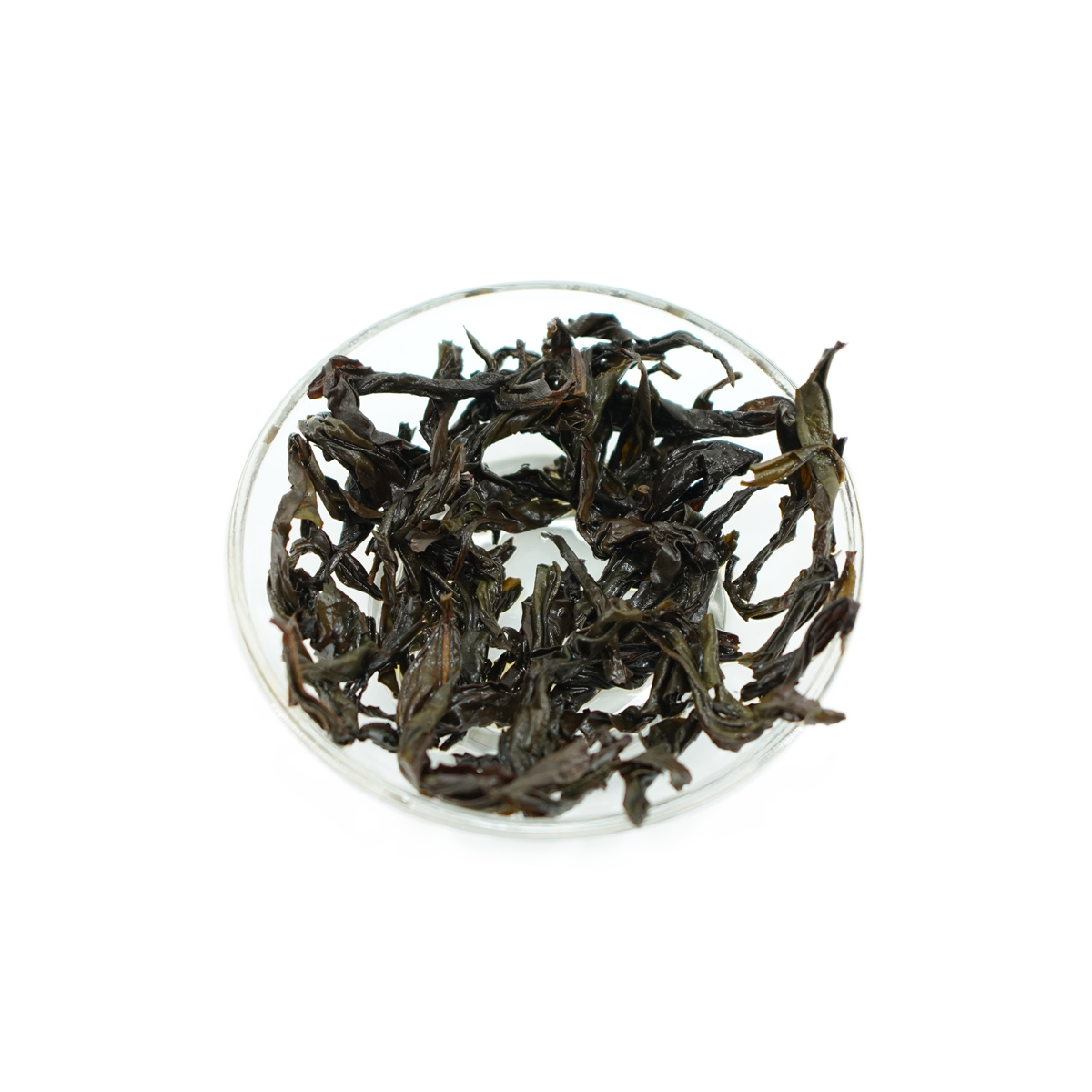
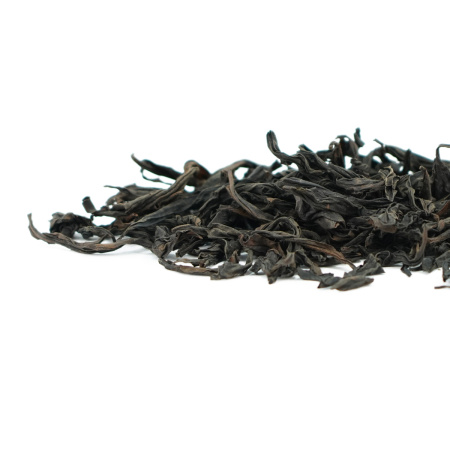
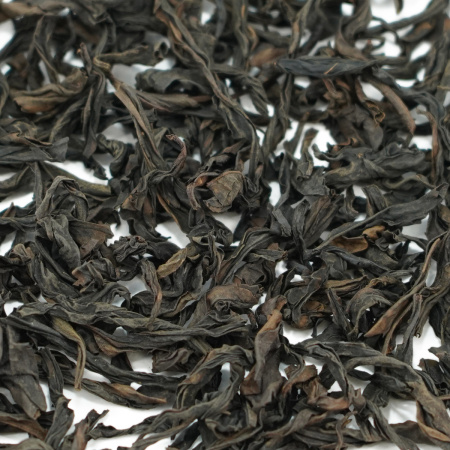
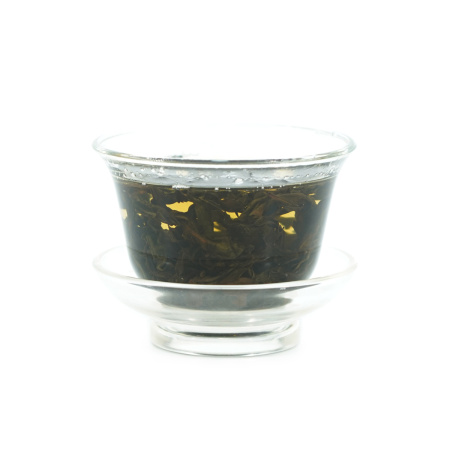
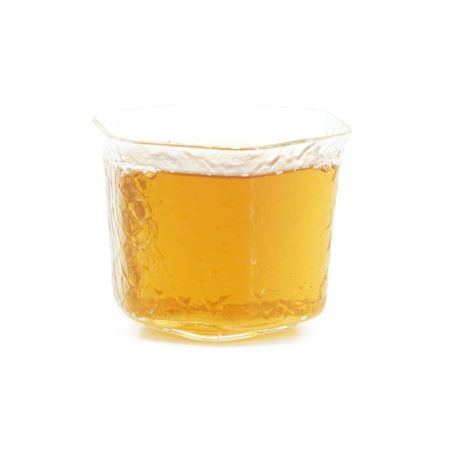
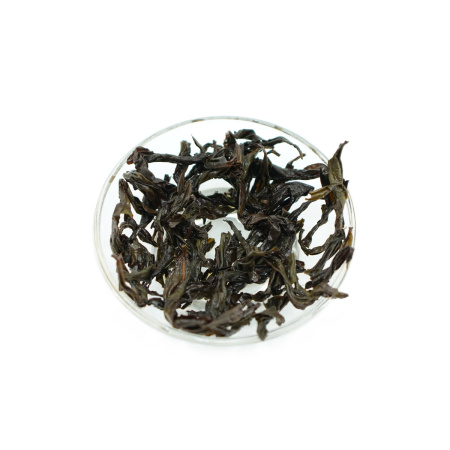
Appearance: Dried dark green leaves, twisted into tight balls. The infusion is amber-golden.
Ju Long Ke Bei Dou is made from young tea leaves, hand-picked in the spring. The leaves then undergo a lengthy processing process, including withering, rolling, oxidation (fermentation), and drying.
Ju Long Ke Bei Dou, like other oolong teas, has numerous beneficial properties. It's rich in antioxidants, which help protect the body from free radicals. It's also believed to improve digestion, lower cholesterol, and strengthen the immune system.
How to brew:
- Use fresh, filtered water heated to 90-95°C.
- Place 8-10 grams of tea in 150 ml of water.
- Brew tea using the steeping method up to 7-8 times.
- Enjoy your tea!
Ju Long Ke Bei Dou is an exquisite tea with a rich flavor and aroma. It not only tastes delicious but also offers numerous health benefits.
|
Name in Chinese
|
北斗 |
|
Pinyin
|
běidǒu |
|
Translation
|
Ursa Major or the Northern Dipper |
|
Country
|
China |
|
Provinces
|
Fujian (福建) |
|
Habitat
|
Уишань Баньян (武夷山半岩, wǔyíshān bànyán) |
|
Declared weight, g
|
8 |
|
Name of the master
|
Го Цзя Фу (郭家富, Guōjiāfù) |
|
Type of tea
|
Oolong Tea |
- Reviews
- Vkontakte
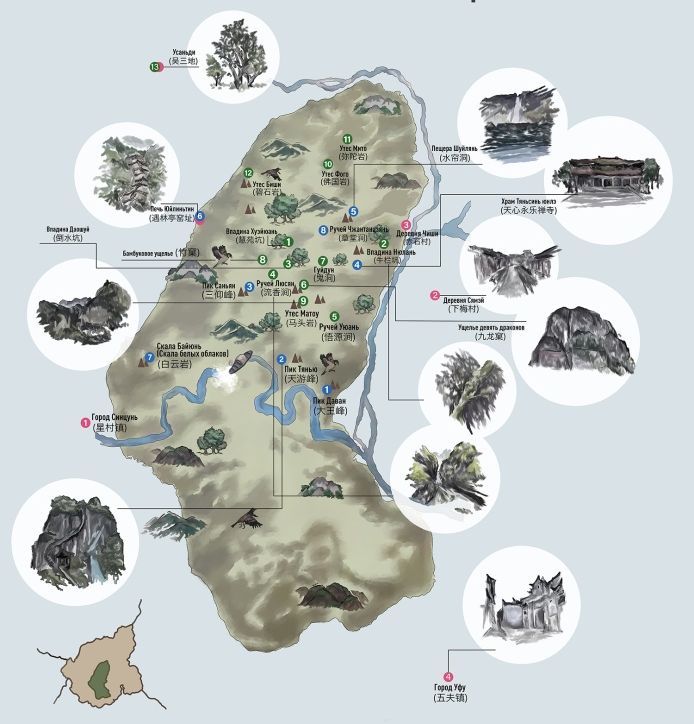

The Wuyi Mountains, and shan, as is known, is translated as "mountain" or "mountains", are located on the border of the provinces of Fujian and Jiangxi. This is a mountain range located on an area of about 1000 square kilometers. The highest point is Mount Huanggangshan, 2158 meters high, which is included in the UNESCO World Cultural Heritage, both for cultural and natural criteria.


