


-
0 Saturation
-
0 Aftertaste
-
0 Aroma
-
0 Effect
-
0 Balance
-
0 Body
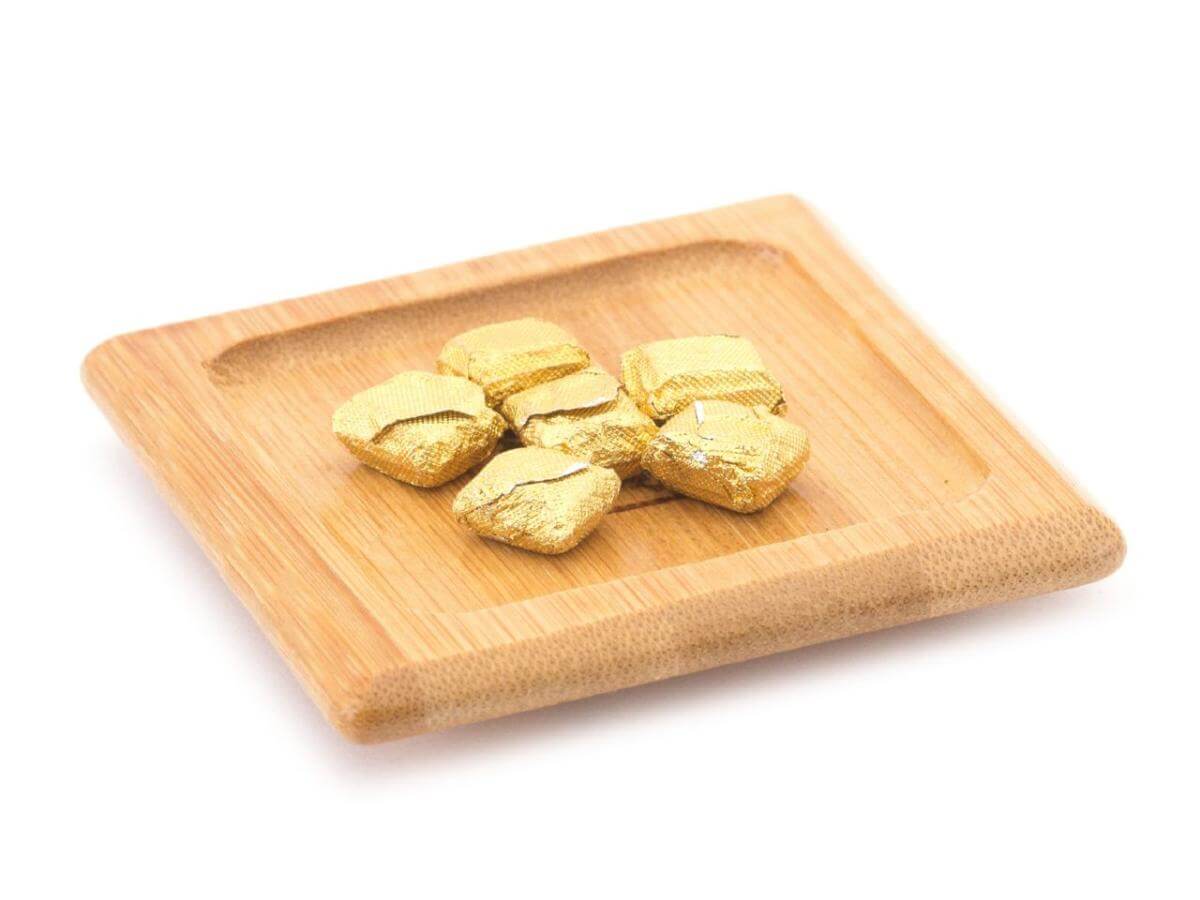
Pu'er resin (Chinese: 茶膏, pinyin: chagāo), or literally "tea paste," is a unique tea product that is hard to find an equal. It looks unremarkable—small black pieces.
In its dry form, pu-erh resin imparts a rich, strong aroma with cloying creamy caramel notes.
The resin can, but is not necessary, be washed like any Shu Puer.
The resin's flavor is very soft, velvety, clean, active, and complete, without earthiness, dampness, or other negative notes. The taste reveals notes of boiled condensed milk, baked milk, Chinese glutinous rice, a slight woody bitterness, and nutty undertones. The finish is long and enveloping, with honeyed, creamy nuances.
Brewing method: Dissolve 1 resin granule in 300-500 ml of boiling water. A thermos or chahai works well for this. Stir the drink to ensure it dissolves completely. To adjust the strength of the drink, either dilute it with hot water or add 1 or 2 more resin granules.
Shu pu-erh resin has a very strong tonic effect, which is noticeable after just one cup. Untrained individuals should avoid drinking large amounts of resin at once. Furthermore, the resin has a general preventative effect on the entire body, uplifts mood, sharpens focus, and charges with powerful and focused energy.
|
Name in Chinese
|
熟茶高 |
|
Country
|
China |
- Reviews
- Vkontakte

This tea extract was known in the Tang Dynasty (7th - 10th centuries). It ceased to be produced during the Ming Dynasty (14th - 17th centuries). It was resumed during the Qing Dynasty (17th - 20th centuries). There was a special workshop in the imperial palace that was engaged in the production of tea resin. This paste was made in the 1950s at the Xiaguan factory for the Chinese army, which was based in Tibet. It was used, as you understand, to replenish the strength of military personnel and to replenish the soldiers' meager rations with vitamins and microelements. After all, regular delivery of food to the Tibetan plateau was a very difficult matter.


