



-
0 Saturation
-
0 Aftertaste
-
0 Aroma
-
0 Effect
-
0 Balance
-
0 Body
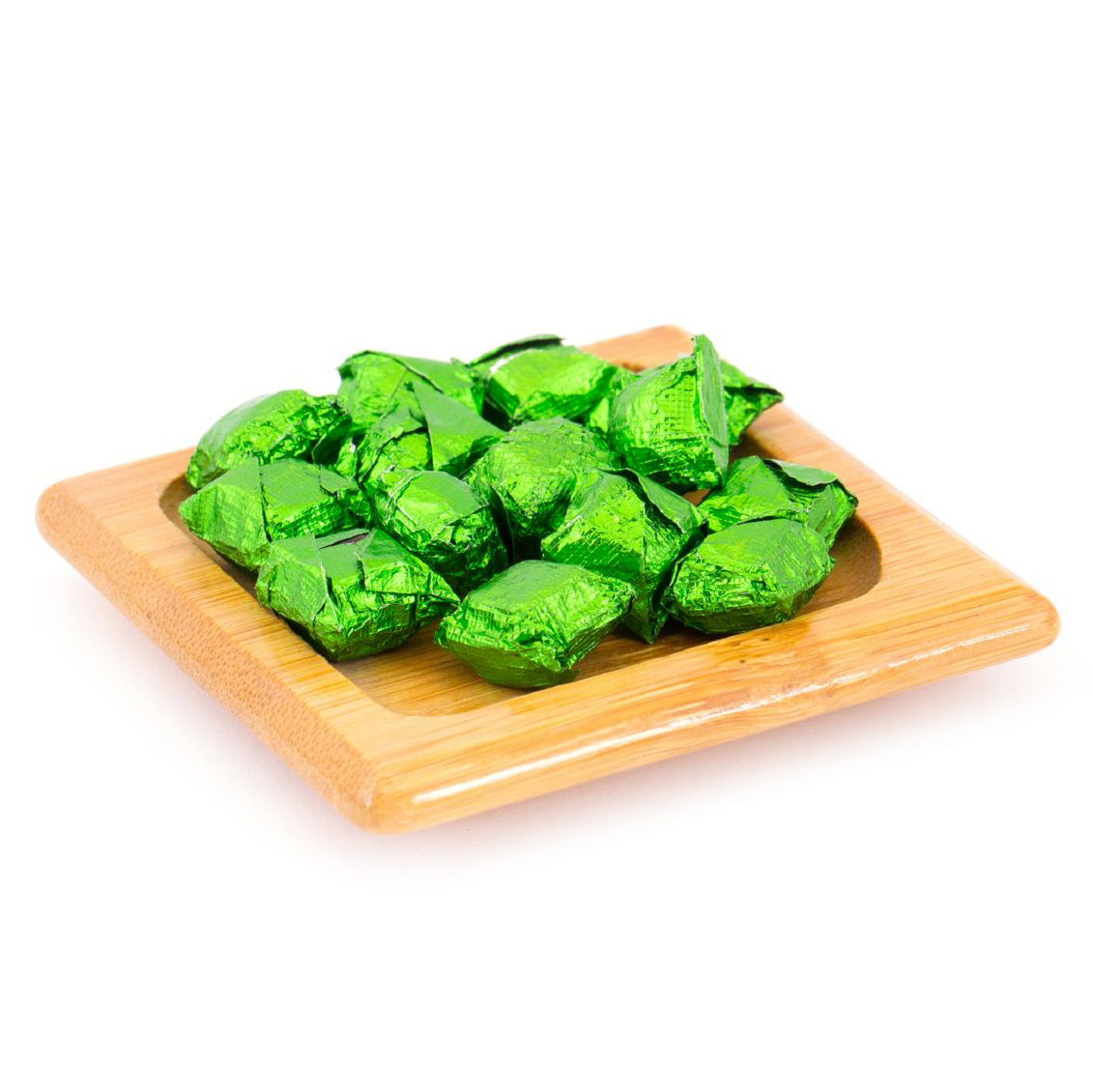
Pu'er resin (Chinese: 茶膏, pinyin: chagāo), or literally "tea paste," is a unique tea product that is hard to find an equal. It looks unremarkable—small black pieces.
When dry, it has a fresh, bright, slightly sour aroma.
The flavor is soft, warm, vibrant, and sweet and sour, reminiscent of an old, aged sheng. The taste is rich in dried fruits, wild herbs, fruity-floral notes, and homemade pastila.
The aftertaste is moderately tart, silky, and tingling. Reminiscent of fruit and berry puree or apple marshmallow.
Thanks to the rapid absorption of its highly active ingredients, sheng pu'er resin instantly invigorates. Its effects are comparable to those of young sheng tea from ancient wild trees. Drinking just one cup immediately produces a tonic effect, elevating your mood, increasing your concentration, and stimulating your energy levels. Untrained individuals should avoid consuming large amounts of this resin, as it may increase heart rate.
Brewing method: Dissolve 1 resin granule in 300-500 ml of boiling water. A thermos or chahai works well for this. Stir the drink to ensure it dissolves completely. To adjust the strength of the drink, either dilute it with hot water or add 1 or 2 more resin granules.
Sheng pu-erh resin in pads (chagao, tea paste) is a very tasty, healthy and convenient product.
|
Name in Chinese
|
生茶高 |
|
Pinyin
|
shēng chágāo |
|
Country
|
China |
- Reviews
- Vkontakte

This tea extract was known in the Tang Dynasty (7th - 10th centuries). It ceased to be produced during the Ming Dynasty (14th - 17th centuries). It was resumed during the Qing Dynasty (17th - 20th centuries). There was a special workshop in the imperial palace that was engaged in the production of tea resin. This paste was made in the 1950s at the Xiaguan factory for the Chinese army, which was based in Tibet. It was used, as you understand, to replenish the strength of military personnel and to replenish the soldiers' meager rations with vitamins and microelements. After all, regular delivery of food to the Tibetan plateau was a very difficult matter.


