



-
0 Saturation
-
0 Aftertaste
-
0 Aroma
-
0 Effect
-
0 Balance
-
0 Body
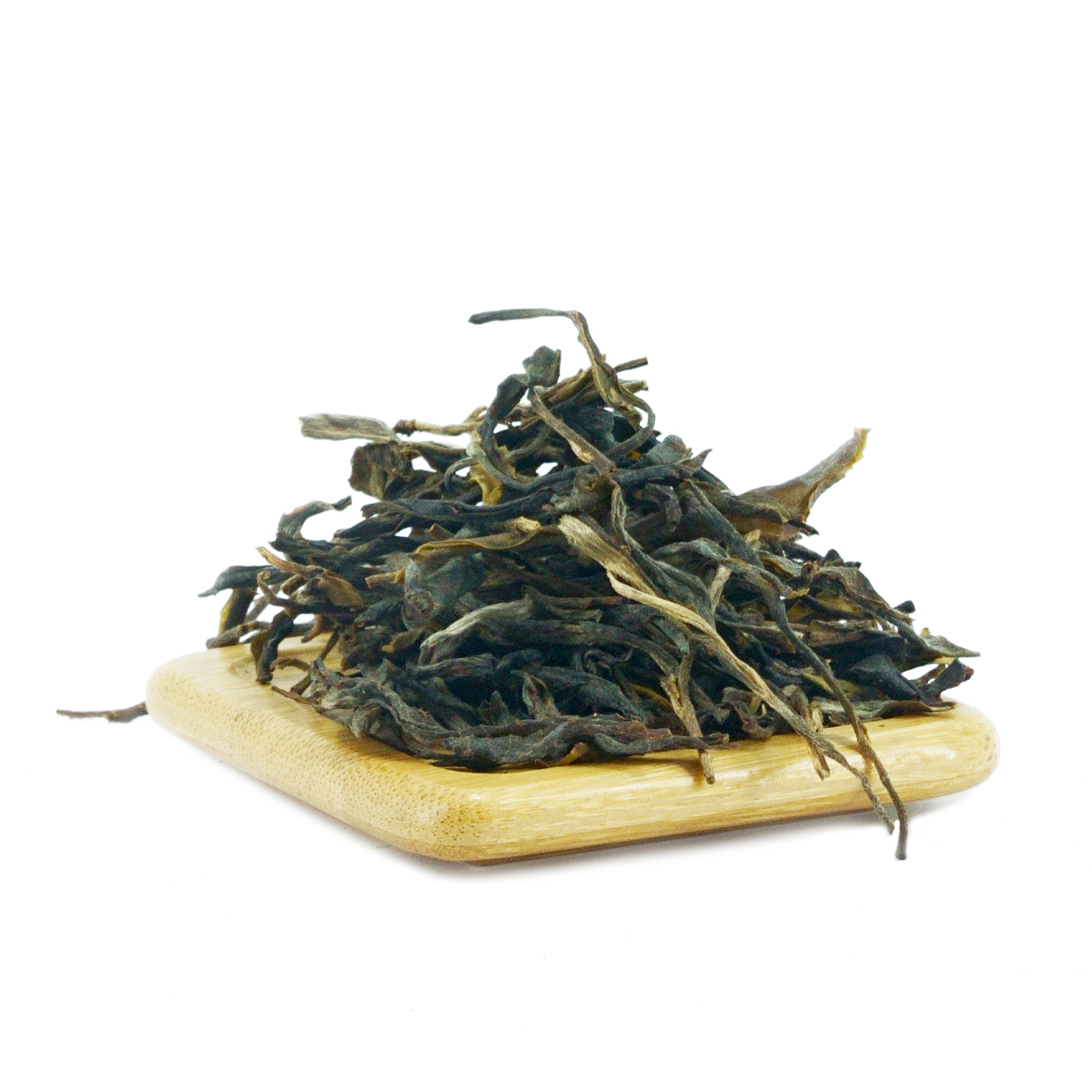
The aroma when warmed by the breath is restrained, but melodic, slightly camphorous with pleasant nutty notes and hints of young green peas.
After washing, it becomes velvety, sweetish, moderately spicy, with hints of malt and dried fruits.
The brewed tea's flavor is bright and buttery, slightly sweet and fruity, with notes of blackcurrant, ripe gooseberry, and young sorrel. As the steeping process progresses, tartness, spice, and a pleasant bitterness develop, quickly transitioning to sweetness.
The infusion leaves a long-lasting honey-fruity aftertaste, with a pleasant spicy note.
A gaiwan or Yixing clay teapot is suitable for brewing. The ratio is 5-7 grams per 100 ml of water at a temperature no higher than 90°C.
2021 Sheng Pu'er "Yiwu Gu Shu" (Old Trees from Yiwu) has a strong tea effect, uplifting the mood, energizing, clearing the mind, and promoting concentration. A pleasant, light-hearted, meditative state is felt.
An excellent pu-erh made from high-quality raw materials, with a rich taste, strong tea state and good potential for aging.
|
Name in Chinese
|
易武古树 |
|
Pinyin
|
yì wǔ gǔshù |
|
Translation
|
Old trees from Yiwu Mountains |
|
Type of tea raw material
|
Ancient trees (over 500 years old) |
- Reviews
- Vkontakte
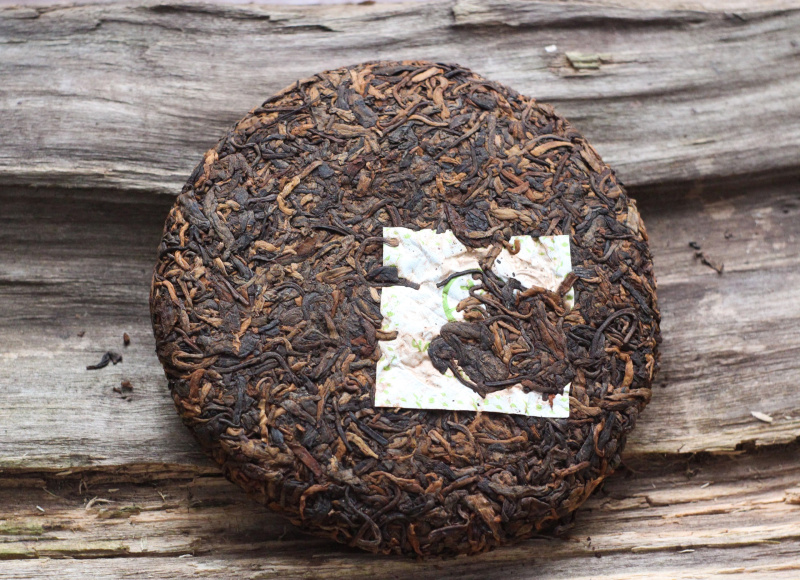
Pu-erh is one of the most unique types of tea, which only gets better with age. Many people, when they first encounter this tea, wondered: why is pu-erh more often found in pressed form (cakes, bricks, tochas), and not in loose form? The reasons for this are related to both history and the practical aspects of storing and fermenting tea. Despite modern technologies that allow the production of loose pu-erh, the shape of pressed cakes remains unchanged. And pu-erh is more often found on sale in pressed form, for example, in the form of cakes or bricks, and loose pu-erh is less common. We will talk about the reasons for pressing pu-erh into cakes in this article.
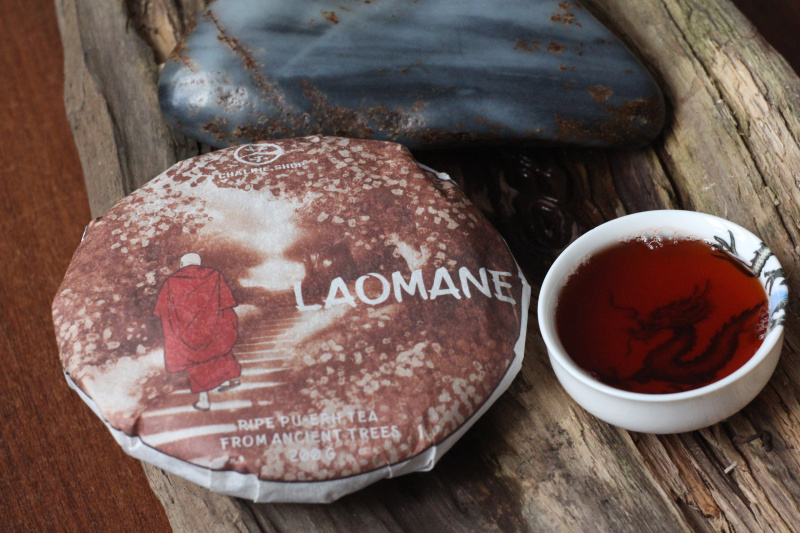
Puer is a unique Chinese tea that is distinguished by its depth of taste, complexity of aromas and versatility of aftertaste. Its taste characteristics are formed under the influence of many factors, from growing conditions to the brewing method. Let's look at the main ones.


