



-
10 Saturation
-
10 Aftertaste
-
10 Aroma
-
10 Effect
-
10 Balance
-
10 Body
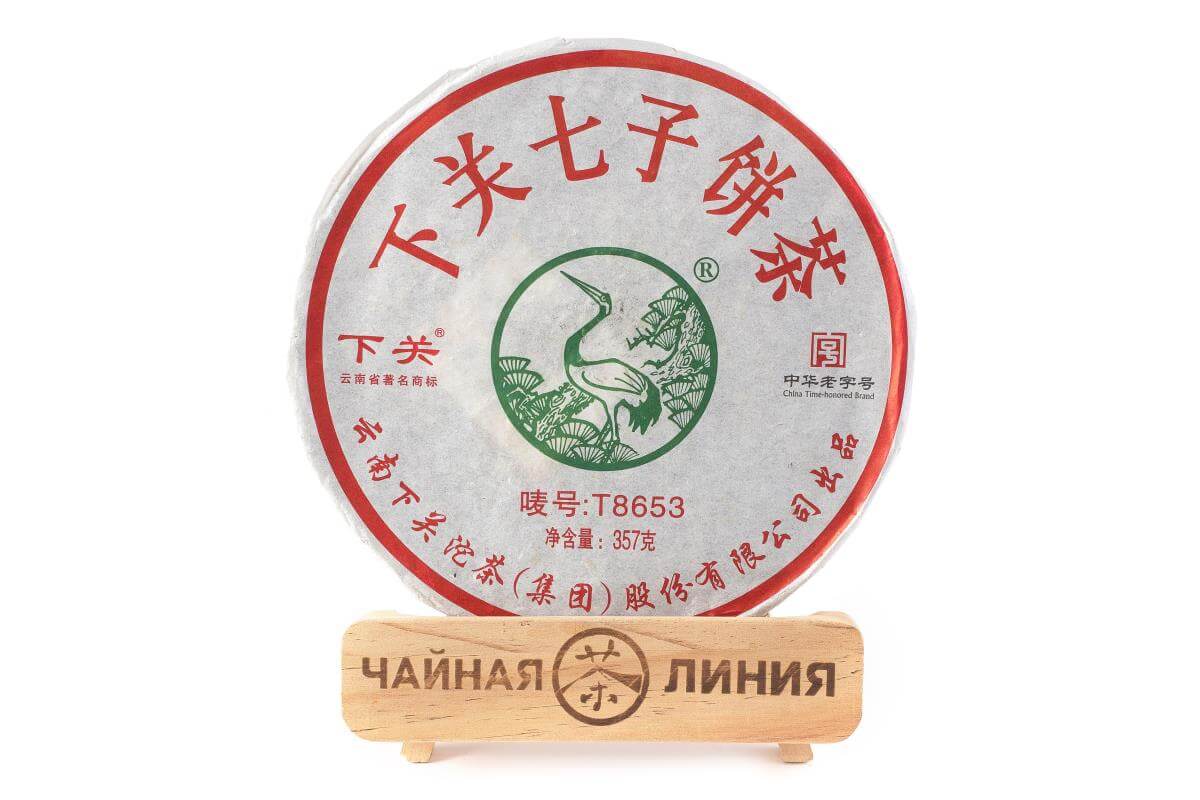
Chinese Sheng Pu'er tea 2013 "T8653" of the "Pine and Crane" brand from the "Xiaguan" factory (下关七子饼茶, Xiàguān qī zǐ bǐng chá)
The 2013 T8653 Sheng Pu'er from the Pine and Crane brand (松鹤, Sōng hè) of the Xiaguan tea factory (云南下关沱茶集团, Yúnnán Xiàguān tuóchá jítuán) is a classic aged tea that combines a rich flavor, deep aroma, and abundant energy. This tea is produced according to the T8653 recipe, pressed into a 357-gram Bing Cha (cake), and aged for over 12 years. The name "Pine and Crane" symbolizes longevity and harmony, making this tea especially prized by pu'er connoisseurs.
Features of the Xiaguan plant
Xiaguan Tea Factory is one of the most renowned pu-erh tea producers in China, renowned for its attention to raw material quality and strict adherence to traditional production techniques. Tea from this factory is distinguished by its rich flavor, vibrant aroma, and balanced character.
Features of recipe T8653
Recipe T8653 is one of the classic sheng pu-erh recipes, developed to create a balanced and rich flavor. The numbers in the name represent:
· T — type of tea (in this case sheng puer);
· 86 — the year the recipe was created (1986);
· 5 — type of raw material (5th category);
· 3 — manufacturer’s code (in this case “Xiaguan”);
This recipe is known for its ability to age for long periods of time, making it ideal for pu-erh collectors and connoisseurs.
Characteristics of tea
Appearance
The tea cake has a neat shape, characteristic of traditional Bing Cha. The leaves are evenly pressed, indicating high-quality processing. The leaves are dark green with silvery tips.
Aroma
Dry tea has a deep, rich aroma with notes of honey, herbs, and a slight fruity sweetness. After brewing, the aroma unfolds, adding hints of fresh fruit, smokiness, and a light woody note.
Taste
The tea's flavor is light and delicate. The infusion is clear and light yellow. The taste is dominated by warm notes of honey, fresh fruit, and a slight herbal freshness. The finish is long, with pleasant smoky, slightly sweet, and floral notes.
Energy and Impact
The 2013 Sheng Pu'er has a refreshing effect and promotes relaxation. This tea is ideal for warmer months and for those who appreciate a calm and meditative tea experience.
Brewing recommendations
For brewing 2013 Sheng Pu'er, we recommend steeping in a gaiwan or Yixing clay teapot. The water temperature should be around 85–90°C. The initial steeps should be short (10–15 seconds) to reveal the aroma and avoid excessive bitterness. Gradually, the steeping time can be increased. The tea can withstand up to 5–7 steeps, each of which reveals new facets of flavor.
The 2013 Sheng Pu'er "T8653" is a unique tea that combines the freshness of the spring harvest, depth of flavor, and rich energy. Originating in Yunnan Province and using only the finest raw materials, it is a true treasure for pu'er connoisseurs. This tea will provide unforgettable moments of enjoyment and connect you with the ancient traditions of Chinese tea.
If you are looking for a tea that will surprise you with its versatility and give you freshness and lightness, Sheng Puer 2013 "T8653" is an excellent choice.

|
Name in Chinese
|
下关七子饼茶 |
|
Pinyin
|
xiàguān qīzǐ bǐngchá |
|
Translation
|
Seven cakes of pu-erh tea from Xiaguan factory |
|
Country
|
China |
|
District
|
Dali-Bai Autonomous Okrug |
|
Provinces
|
Yunnan (云南) |
|
Manufacturer
|
Сягуань (云南下关沱茶集团) |
|
Year of pressing
|
2013 |
|
Recipe
|
T8653 |
|
Pressing form
|
Bing Cha (Cake Tea) |
- Reviews
- Vkontakte
Xiaguan Tea Factory has a history of over 70 years. It was founded in 1941 and is located in Dali, Yunnan Province, which is often called the Eastern Switzerland. Beautiful nature and favorable weather, mountains and crystal clear lakes make it possible to produce excellent quality puer. Xiaguan Tea Factory is one of the main producers of pressed tea in China. It produces over 6,000 tons of puer tea annually. Xiaguan Factory produces both Shu puer and Sheng puer. However, the most popular and recognized are Sheng puer tocha (in the form of a nest, bowl) and bingcha (in the form of a pancake).
Need a consultation?
Our specialists will answer any question of interest


