



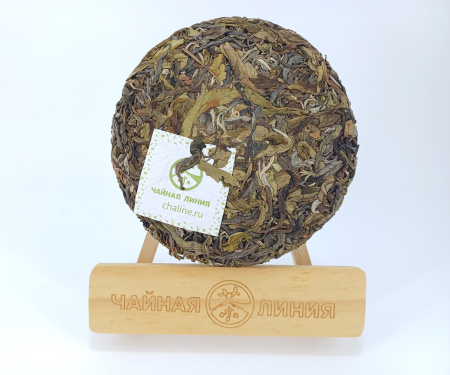
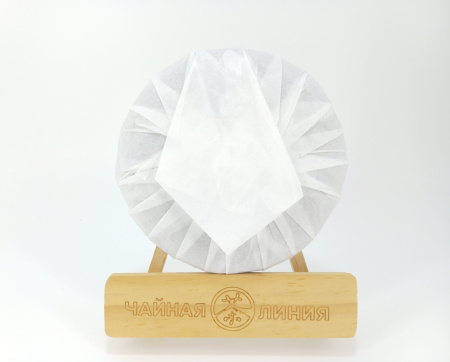
Article:
CL-6323

Characteristics
Country
—
Array
District
—
Array
Provinces
—
Array
Habitat
—
Array
Manufacturer
—
Array
Date of raw material production
—
Array
All specifications
The price is valid only for the online store and may differ from prices in retail stores.
Taste card:
-
0 Saturation
-
0 Aftertaste
-
0 Aroma
-
0 Effect
-
0 Balance
-
0 Body
|
Country
|
China |
|
District
|
Xishuangbanna Dai Autonomous Prefecture |
|
Provinces
|
Yunnan (云南) |
|
Habitat
|
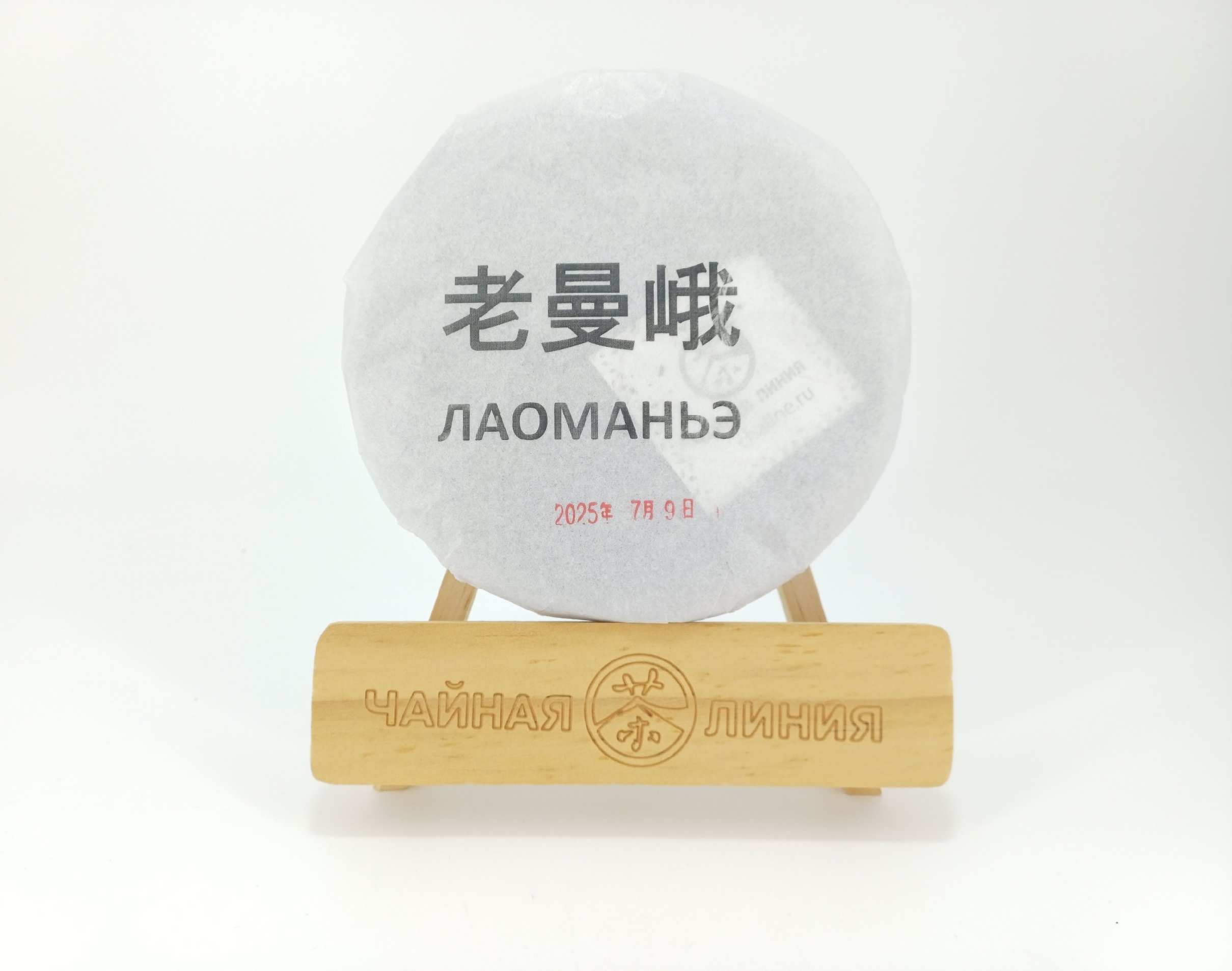
Лао Мань Э (老曼峨, Lǎo màn é) |
|
Manufacturer
|
ООО "Чайная Линия" |
|
Date of raw material production
|
2025 |
|
Year of pressing
|
2025 |
|
Pressing form
|
Bing Cha (Cake Tea) |
|
Declared weight, g
|
200 |
|
Type of tea raw material
|
Old trees (300-500 years) |
Availability
Reviews
- Reviews
- Vkontakte
Loading comments...
Articles
Tea Geography
—
26.06.2024
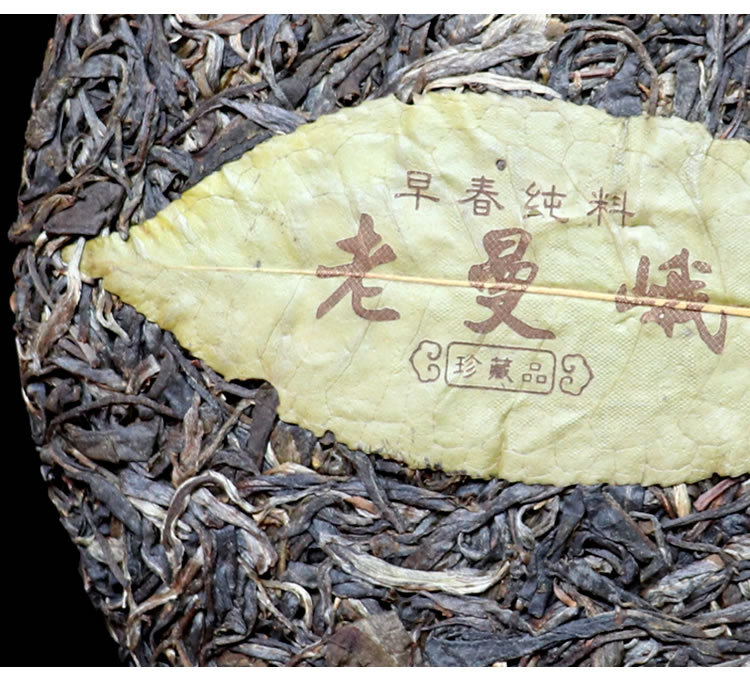
The article "Lao Man E Old Tree Leaf Tea: History, Geography, and Features" will immerse you in the world of unique Chinese tea produced in the village of Lao Man E, located in Yunnan Province. You will learn about the geographical location of the village, its history, which dates back more than 1,300 years, and how this region became famous for producing bitter tea. The article also details the characteristics of Lao Man E tea, its taste and aroma, as well as the efforts made by the villagers to preserve ancient tea gardens and maintain the quality of the product.
Компания «Чайная Линия» растет и развивается с каждым годом в техническом плане. С каждой поставкой мы расширяем ассортимент чая и чайной утвари, способствуем появлению эксклюзивных товаров. В команде трудится более 16 человек, специалистов в своей области. Поэтому мы постоянно получаем благодарные отзывы от наших клиентов и делаем все возможное, чтобы чайная культура росла и процветала в каждом уголке земли!
Need a consultation?
Our specialists will answer any question of interest
Ask a Question


