


-
6 Saturation
-
6 Aftertaste
-
7 Aroma
-
7 Effect
-
7 Balance
-
7 Body
Dian Hong: Yunnan Red Tea – China's Treasure
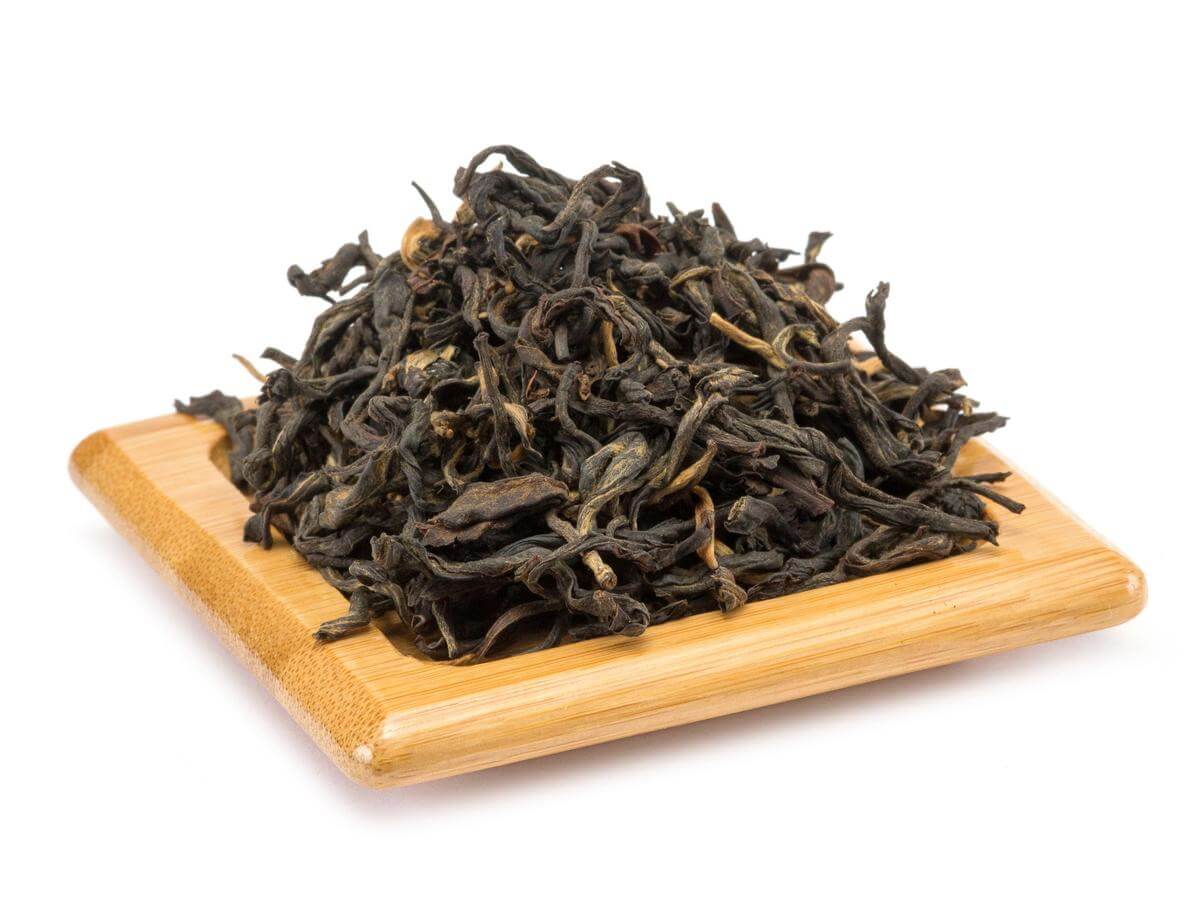
Dianhong cha (Chinese: 滇紅茶, pinyin: diānhóng chá) can be translated into English as Yunnan red tea. Origin: Yunnan Province (Chinese: 云南, pinyin: yúnnán). The name comes from the ancient state of Dian, which once existed in the territory of modern-day Yunnan. Literally translated, it means "Dian red tea." Dianhong tea is produced using the large-leaf variety of the tea bush. The raw materials are first withered, then rolled in special machines, followed by a polyphenol oxidation stage and final drying. This processing technology was first tested in 1939 in Fengqing and Menghai counties. Dianhong is more than just tea; it is a symbol of the richness and diversity of Yunnan tea culture. This red tea, grown in the southwestern province of China, is known for its bright, fruity aroma and deep, rich flavor.
The Story of Dian Hong
Dian Hong's history is relatively young compared to other Chinese teas. Its production began in 1938 in Fengqing, Yunnan Province. Its creators sought to create a worthy competitor to Indian and Ceylon black teas. And they succeeded! Dian Hong quickly gained popularity both within China and abroad.
Characteristics of Dian Hong
- Aroma: Dian Hong's vibrant, fruity aroma is often compared to that of ripe fruit, flowers and honey.
- Taste: This tea has a rich flavor with hints of dried fruit, nuts, and a hint of sweetness.
- Infusion color: Dian Hong infusion has a beautiful amber color.
- Effect: Dian Hong has a tonic effect, improves mood and increases concentration.
Why try Dian Hong?
- Unique taste: Dian Hong is a tea with a bright, memorable taste.
- Health benefits: Like many other types of tea, Dian Hong is rich in antioxidants and other beneficial substances.
- Versatility: Dian Hong can be brewed in a variety of ways, each of which reveals new facets of its flavor.
How to brew Dian Hong?
You can brew Dian Hong tea using either traditional Chinese teapots or regular ceramic teapots. The key is to use clean water and the correct temperature. The optimal temperature for this tea is 95-100 degrees Celsius.
Tip: To fully reveal the aroma and flavor of Dian Hong, it is recommended to steep the tea leaves in boiling water once, then drain the water and brew the tea again.
Dian Hong is a true gift for tea lovers. Its unique taste and aroma will captivate you. Try this amazing tea and discover new facets of tea culture.

The aroma of dry tea leaves is calm and subtle, reminiscent of dry red wine, with notes of nuts and dried fruits. In a heated gaiwan, the tea smells of fresh tobacco mixed with notes of dried fruits and hazelnuts. Rinsed tea leaves emit the scent of dry wood and spices.
During the first two steeps, the flavor is velvety, spicy, and dense, with a hint of astringency that immediately transitions to a dried fruity note. Then, a hint of citrus is added, with its characteristic tartness. This tea is brewed for four full steeps, after which the flavor becomes tart, with hints of cumin and a distinct bitterness.
The infusion is a deep, dense orange-yellow color with an amber hue. The infusion is clear and transparent.
Dian Hong has a warming, gentle tonic, and energizing effect on the body. This tea is ideal for drinking during the colder months.
This variety will appeal to lovers of dark oolongs and Shu Pu-erhs, and is well-suited for morning tea, especially if you use a little more brew – the taste will not become bitter, and the invigorating effect will be long-lasting, but gentle.
|
Name in Chinese
|
滇红茶 |
|
Pinyin
|
Diān hóng chá |
|
English name
|
Dian Hong |
|
Translation
|
Yunnan red tea |
|
Tea variety
|
Dian Hong |
|
Country
|
China |
|
Provinces
|
Yunnan (云南) |
|
Region
|
Lincang (临沧) |
- Reviews
- Vkontakte
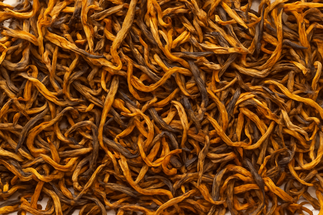
Dian Hong conquered not only China, but the whole world. It comes from the Celestial Empire and is known as Yunnan red tea. The main distinguishing feature of the tea is the presence of golden-colored buds. It is said that this special tea drink was created for tea drinking of the Chinese high society and was an excellent gift for all foreign delegations that ever visited the Celestial Empire.


