



-
0 Saturation
-
0 Aftertaste
-
0 Aroma
-
0 Effect
-
0 Balance
-
0 Body
Russian "Sochi White Tea"
Sochi White Tea is a unique Russian tea made from young tea trees of the Sochi Harvest variety, which grow in the Matsesta Valley on the eastern slope of the Black Sea foothills at an altitude of 500 meters above sea level. This tea is distinguished by its tenderness, freshness, and minimal processing, which preserves the maximum amount of nutrients and natural aroma. The master craftsman responsible for creating this unique product is Krasnodar entrepreneur Yegor Viktorovich Matchak.
Features of the region
The Matsesta Valley, located in the Krasnodar Region, is renowned for its favorable climate and fertile soil. Clean air, a moderate climate, and the absence of human intervention create ideal conditions for tea trees to grow. The tea plantations are located in areas where nature has preserved its pristine purity, making this tea especially valuable.
Features of the Sochi Harvest variety
Sochi Harvest tea trees are young plants, 50 to 100 years old, that are not subjected to artificial fertilization or processing. This imparts a unique depth of flavor and aroma to the tea, as well as makes it more resilient to long-term storage.
Characteristics of tea
Appearance
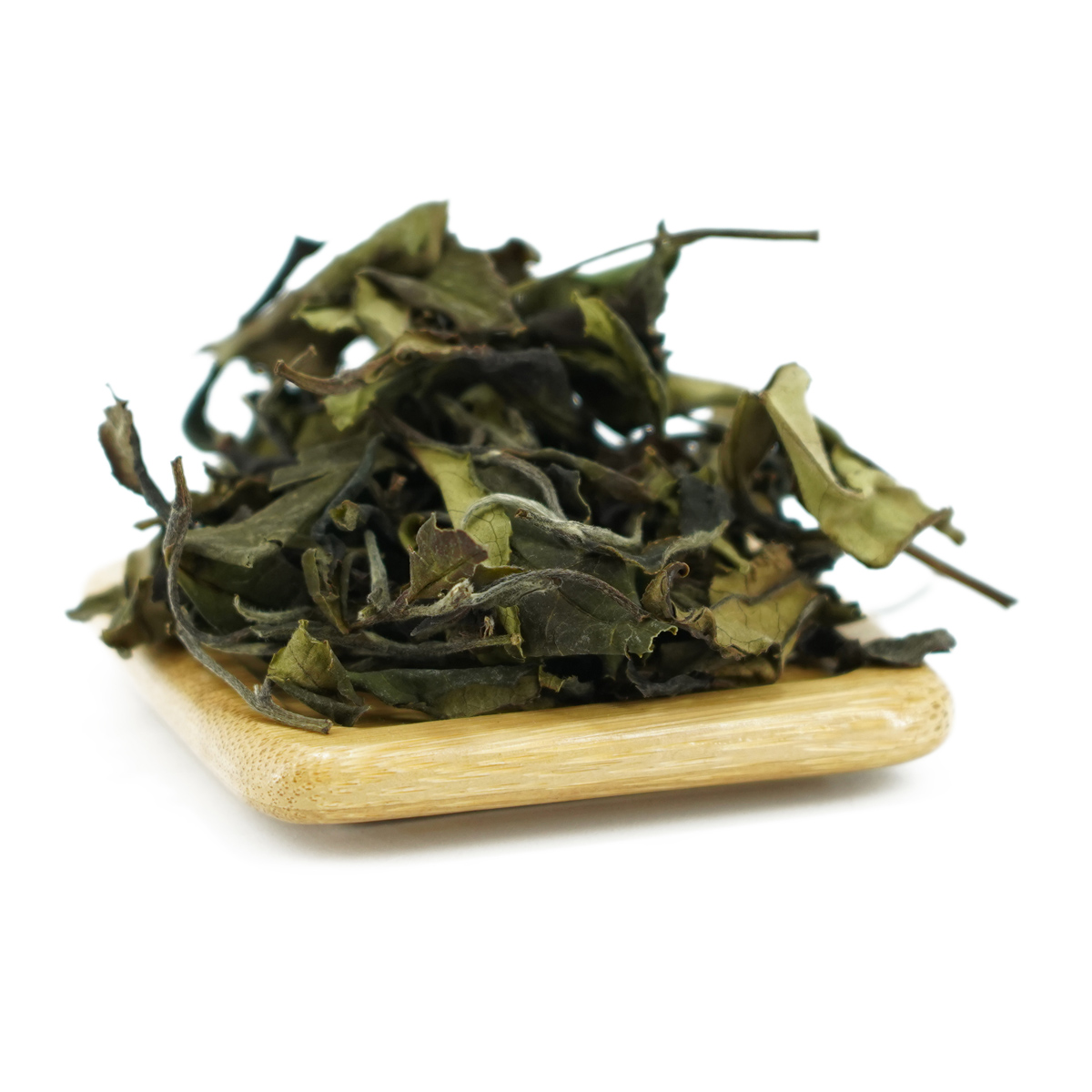
The tea leaves are light green with silvery tips. The leaves are large and evenly processed, indicating high-quality processing. The loose leaf form of the tea makes it convenient to brew and allows for better control over the strength of the infusion.
Aroma
This dry tea has a fresh, floral aroma with notes of honey, herbs, and a slight fruity sweetness. After brewing, the aroma unfolds, revealing hints of fresh fruit and a light woody note.
Taste
The tea's flavor is light and delicate. The infusion is clear and light yellow. The taste is dominated by warm notes of honey, fresh fruit, and a slight herbal freshness. The finish is long, with pleasant sweet and floral notes.
Energy and Impact
Sochi White Tea has a refreshing effect and promotes relaxation. This tea is ideal for warmer months and for those who appreciate a calm and meditative tea experience.
Brewing recommendations
For brewing Sochi White Tea, we recommend steeping it in a gaiwan or glass teapot. The water temperature should be around 85–90°C. The initial steeps should be short (10–15 seconds) to reveal the aroma and avoid excessive bitterness. Gradually, the steeping time can be increased. The tea can withstand up to 5–7 steeps, each of which reveals new facets of flavor.
Sochi White Tea is a unique tea that combines the freshness of the spring harvest, depth of flavor, and rich energy. Its origins in the Matsesta Valley and the use of young tea trees make it a true treasure for tea connoisseurs. This tea will offer unforgettable moments of pleasure and allow you to connect with the ancient traditions of tea art.
If you're looking for a tea that will surprise you with its versatility and impart freshness and lightness, Sochi White Tea is an excellent choice.

Wild forest tea from ancient tea bushes growing in the Black Sea foothills at an altitude of 400-600 meters above sea level. These tea plantations are located within the Sochi Nature Biosphere Reserve, where human intervention is completely absent.
The raw material is harvested once a year—in the spring, in late March or April. This delicate raw material undergoes minimal processing, and fermentation is minimal, beginning only when the leaf is separated from the stem.
This tea contains several times more useful and bio-active substances than garden tea that is cared for and fertilized.
|
Name in Chinese
|
白茶 |
|
Pinyin
|
báichá |
|
English name
|
Sochi White Tea |
|
Translation
|
Sochi White Tea |
|
Country
|
Russia |
|
District
|
Krasnodar Krai |
|
Region
|
Krasnodar region |
|
Habitat
|
Мацестинская долина (восточный склон) |
|
Altitude
?
Height in meters |
500 |
|
Manufacturer
|
ИП КФХ Матчак Е.В. |
|
A variety of tea tree (bush)
|
Sochi's fruitful |
|
Type of tea raw material
|
Plantation |
|
Name of the master
|
Egor Matchak |
- Reviews
- Vkontakte


