


Everything you need to know about Shaikhun tea
It is a type of red tea from Yunnan province, and appeared on the market relatively recently, in 2014. A year later, the new product began to be actively discussed in the media, and a year later, almost every tea factory in the region presented its own version of shai hong.
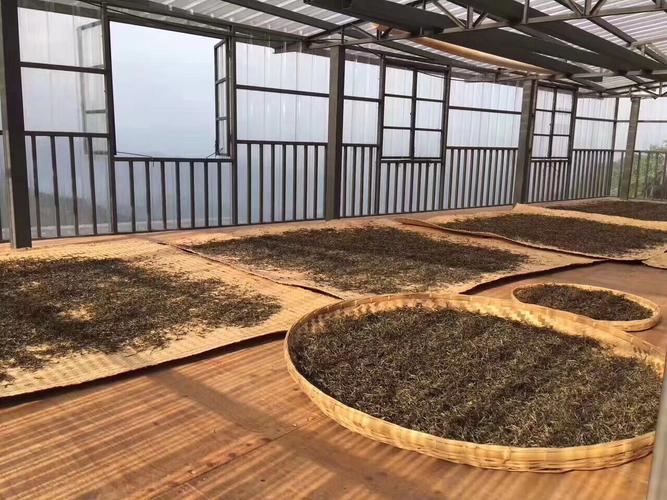
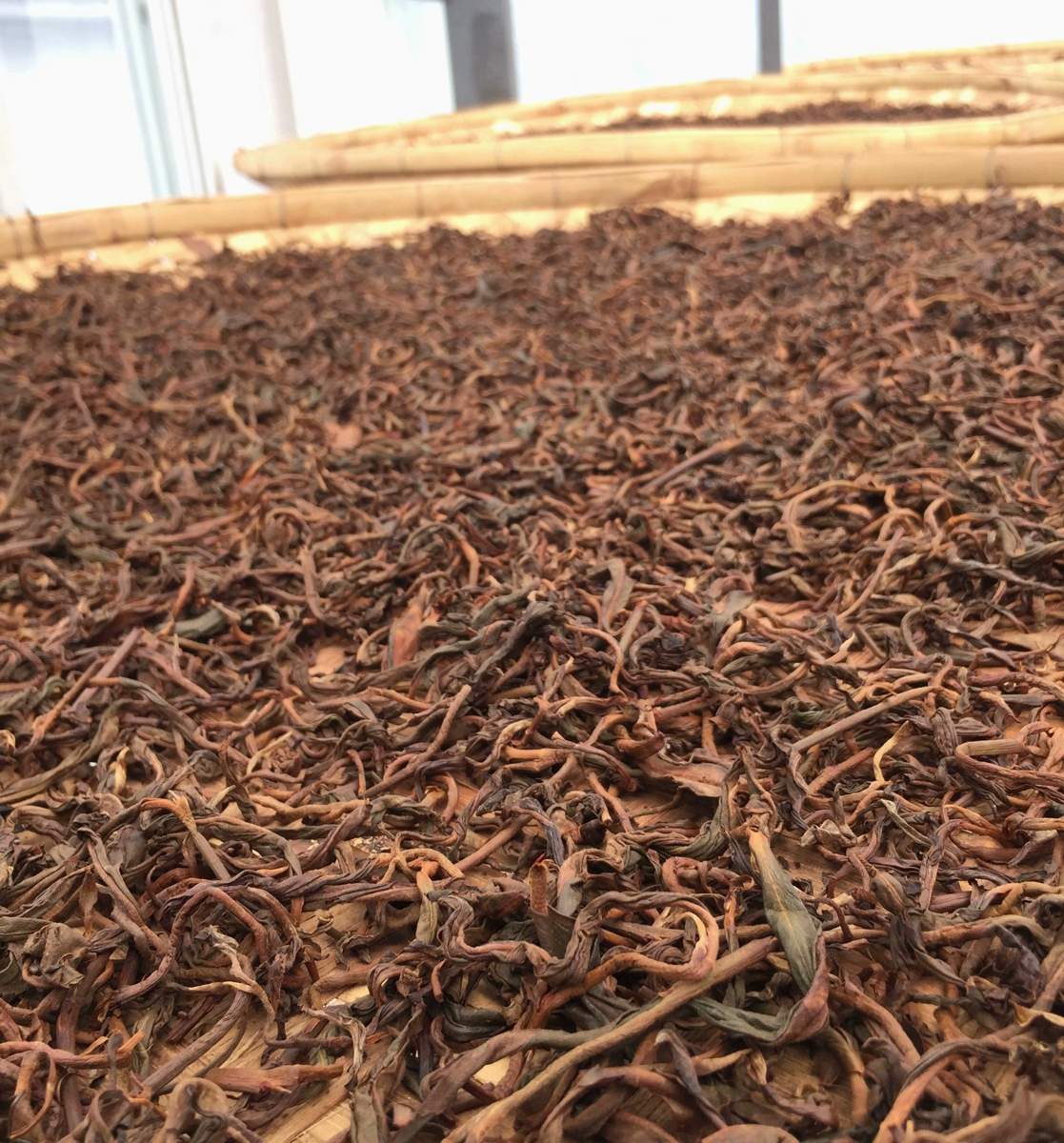
Its main feature is the method of drying the leaf, which is called "shaikhun". While most varieties of red tea undergo a drying stage in special rooms, shaikhun is dried directly in the open air.
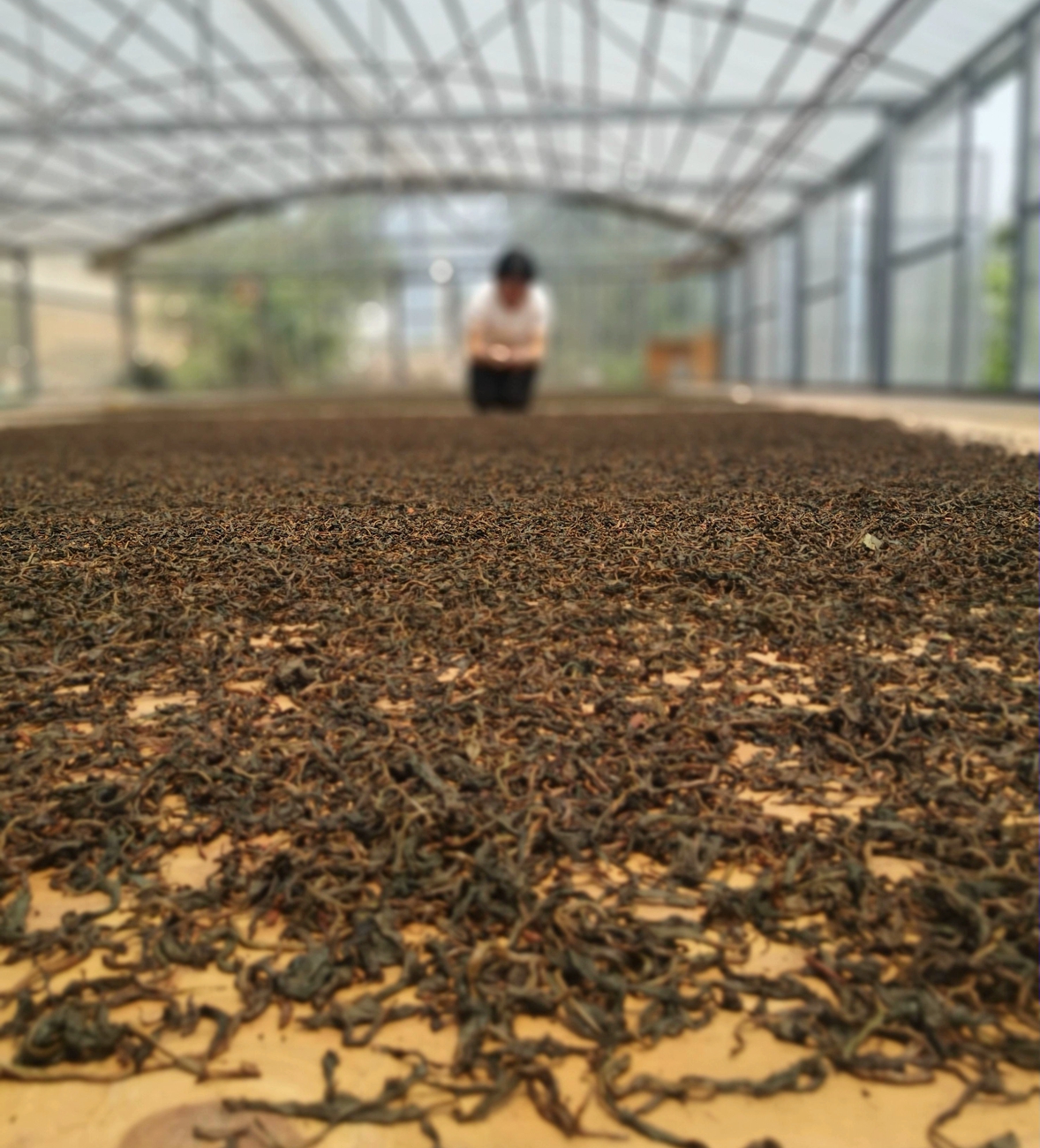
The process of drying shaikhun tea begins immediately after the leaves are picked and rolled. The leaves are laid out in large stacks for fermentation or placed in canvas bags. After the fermentation stage is complete, the leaves are spread out in the thinnest possible layer for drying in the sun. This method is called "shaikhun", which means "sun-dried" or "tanned" in Chinese. Thus, the name of the method reflects its essence. And the tea itself thus acquires, as the Chinese say, "the taste of the sun".
This approach to production may seem unreliable, because the process directly depends on weather conditions. Drying tea in the open air is a kind of lottery. You can never predict in advance what taste and aroma the finished product will have. Clear sunny weather will allow the tea to dry quickly, while cloudy weather will require more time. If it starts raining during drying, the entire harvest will be at risk.
Despite these risks, the production of shaikhuns is constantly growing, as many connoisseurs of Chinese tea consider it one of the most unusual products on the market. The taste and aroma of this tea depend not only on the variety and place of growth of the raw material, but also on what day and under what weather conditions it was collected and what the weather was like during drying. That is why each new batch of shaikhun can pleasantly surprise even the most sophisticated connoisseur.
The main advantage of the "shaikhun" method is the absence of the use of artificial heat sources. Everything is done exclusively in a natural way, making the production process more environmentally friendly. In addition, this method allows preserving some of the active enzymes in the leaf, which contributes to the formation of the unique taste and aroma of tea.
Unlike traditional red teas produced using the Kaohong method, Shaihong teas are able to withstand long-term storage and their flavor develops over time, reminiscent of Sheng Pu'er. This makes them especially attractive to tea lovers who value the opportunity to enjoy the development of the drink's flavor and aroma.
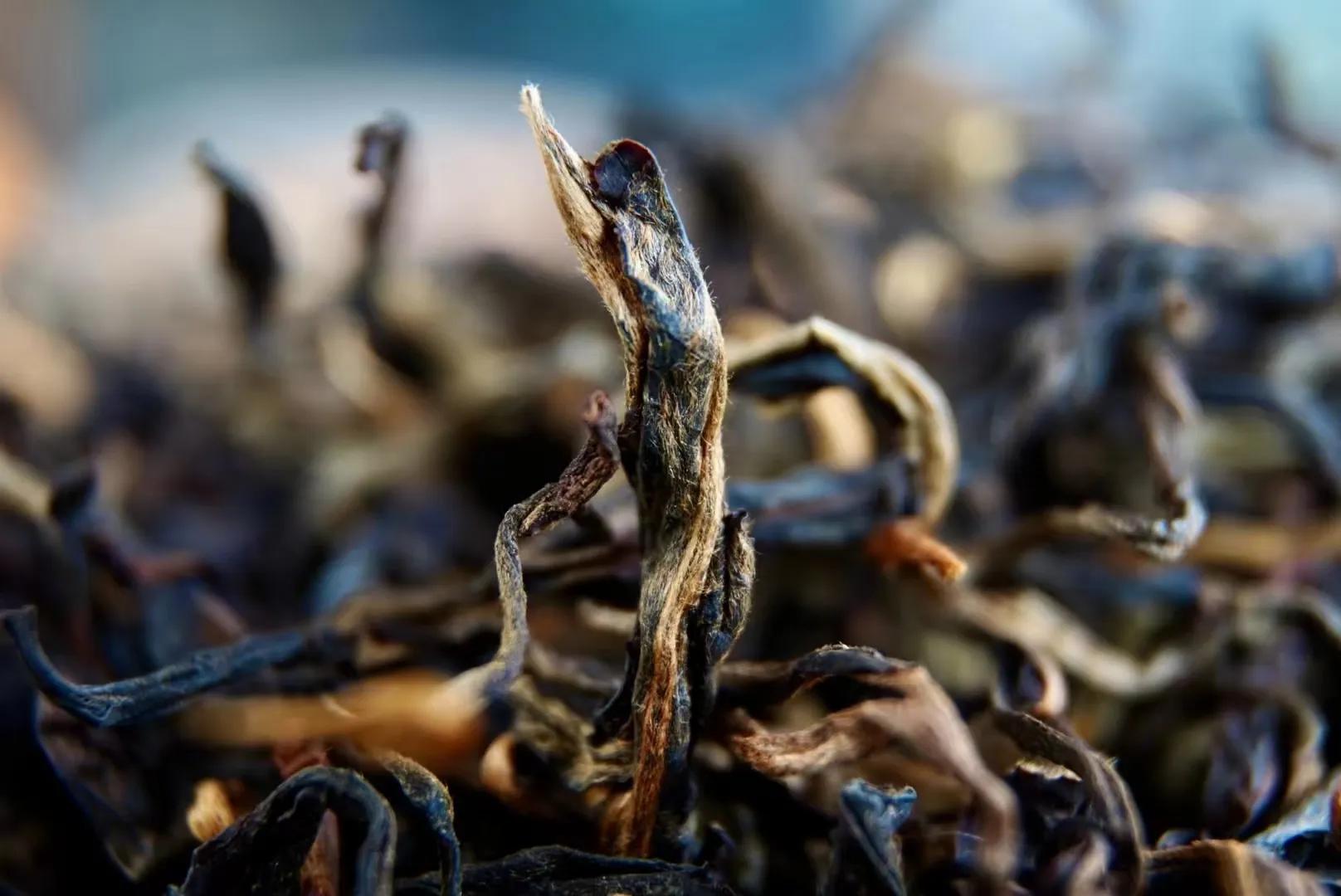
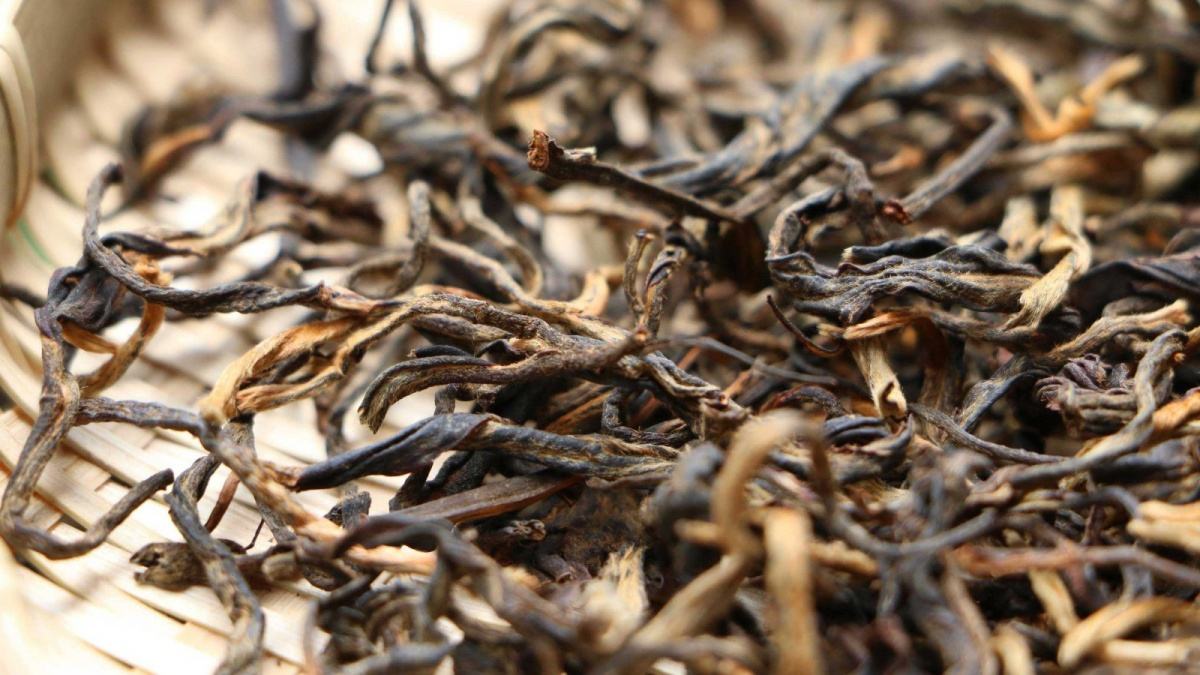
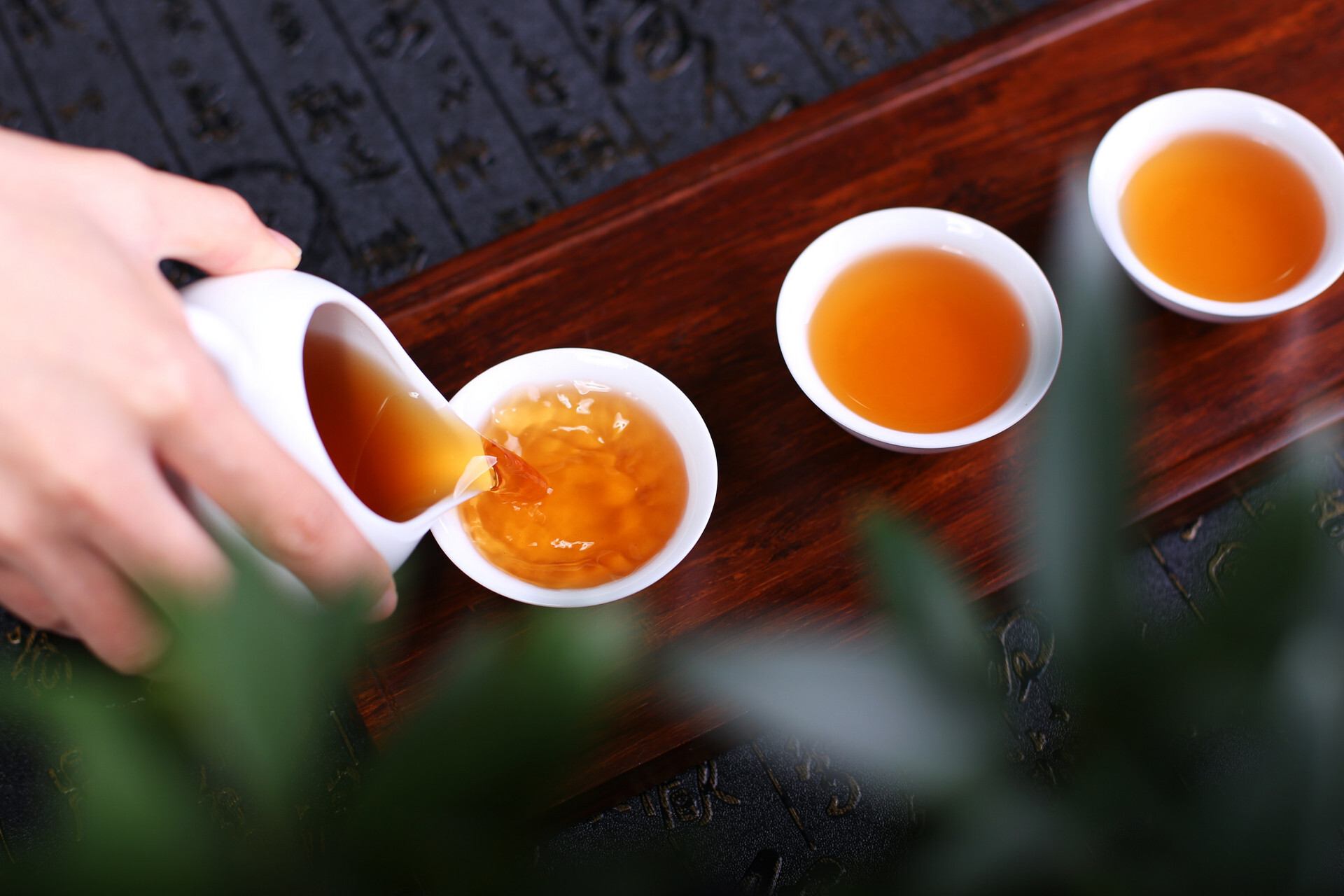
The taste and aroma of shaihoon tea obviously differs from batch to batch and even changes in the same tea over time. In general, one can note the presence of a rich floral-berry aroma with shades of berries and spices. Some varieties have more cognac-wine notes, with the aroma of an oak barrel or even floral-citrus tones - the palette of aromas and tastes here is quite high. The taste is dense, sweetish, turning into a berry sourness in the aftertaste. The color of the shaihoon infusion is powerful dark orange tones. It usually withstands up to 7 infusions. The recommended ratio of leaves and water for brewing shaihoon is 6-8 g per 150-200 ml. As a brewing utensil, it is best to use a teapot made of Yixing clay or a gaiwan.