


The healing power of incense for body and soul
We all live surrounded by aromas - pleasant or terrible, soft or sharp, magical or vice versa. Regardless of whether a person notices smells, they affect him on a physical and psycho-emotional level.
History and Purpose of the Incense Inhalation Ritual
The effect of aroma on the body and mental state of a person has been known since ancient times. According to various sources, it becomes clear that aromatherapy was practiced in Egypt 12 thousand years ago. And if we take into account that the history of mankind does not begin with the ancient Egyptians, but much earlier, then the power of the influence of smells has been known since time immemorial.
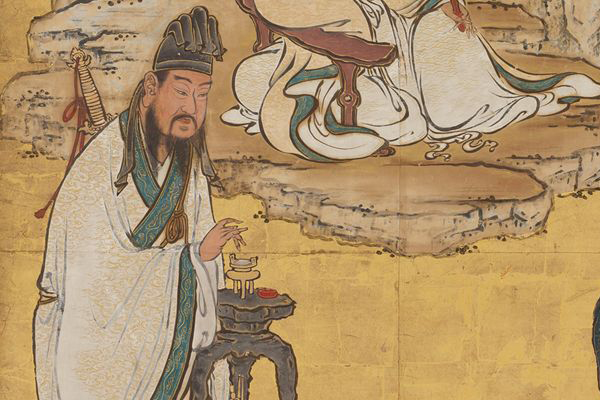

The secret of obtaining incense was known only to the representatives of the upper classes and was kept secret. With the help of smells, priests put themselves into a state in which they could predict the future and simultaneously study the effect of aromas on the general condition of a person and individual organs.
Ancient Greek Olympians used aromatic substances to maintain strength and endurance. The Romans actively used ointments and rubs, applying them to the body, hair, soldiers took various aromas with them when going to war to raise their fighting spirit. In the second century BC, more than 4 thousand incenses were imported to Greece and Rome annually. In Ancient Rus', various diseases were cured by sitting in a barrel filled with steamed herbs.
During the Middle Ages, the healing power of aromas was successfully used by Hippocrates, Paracelsus, Avicenna. When the plague was raging in Europe, doctors advised fumigating the premises by burning flowers and plant roots, thereby killing the very "spirit" of the disease with aroma.

Nowadays, the development of the industry for the creation of artificial drugs has almost supplanted the use of natural substances for the purpose of health improvement and improvement of the psycho-emotional state. However, many strive to return to nature, old recipes for using the healing power of aromas are recalled.
All vital processes in the human body depend on breathing. Substances inhaled through the nose penetrate deeply, affecting all systems. Therefore, without the use of incense, it is impossible to strengthen health and improve the psycho-emotional state.
Aromatherapy as one of the cultural traditions
In the countries of the East Asian region, including China, incense has long been actively used in everyday life, religious rituals, and the spiritual sphere. It is interesting that in the process of developing aromatic culture, the use of incense began to be practiced even for measuring time. Incense sticks of a certain length were made from plant materials. The process of burning them was equal to a certain period of time.

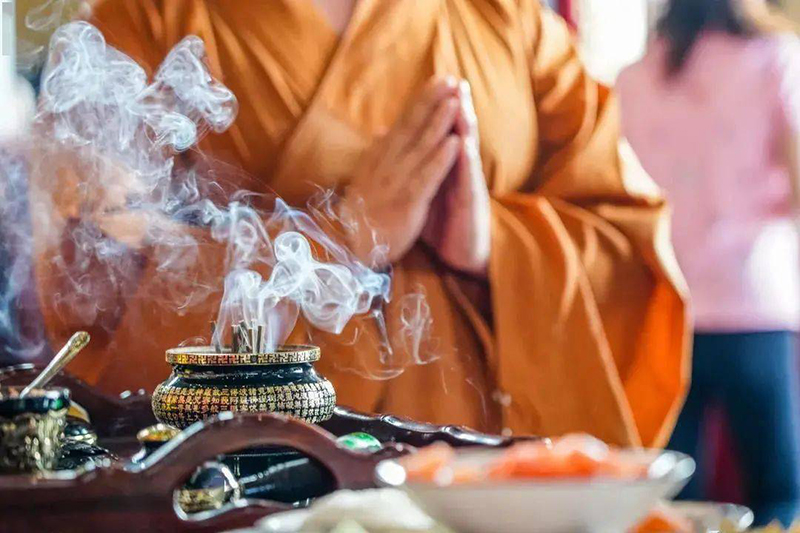
Burning of aromas in the East was traditionally dedicated to the gods and was performed for honored guests. Incense sticks were always smoldering inside religious buildings. Aromatic substances were used in funeral rites. The more respected and noble a person was, the rarer and more expensive the incense was.
The custom of greeting guests with aroma has survived to this day in Asian countries. Arabs usually offer visitors a cup of drink and light an incense burner. In Japan, the use of aromas was elevated to the rank of art. Its secrets were taught in special schools. Famous geishas used incense to entertain their visitors.
Using Incense During Tea Drinking
In Japan, the art of appreciating and correctly using incense is called Kodo. It originated long ago, but along with Sado (the ability to correctly conduct a tea ceremony) and Kado (the "way of flowers", ikebana) it is studied and practiced today.
The purpose of Kodo is to let the scent of incense penetrate the body and soul. A person should not just inhale, but understand the essence of the aroma. Initially, the "path of aroma" was the prerogative of only the Japanese aristocracy. Later, it spread throughout the world.
In the modern world, when the pace of life is very fast, the opportunity to calm down and heal with the help of aromas during tea drinking is especially valuable.


Before you begin the ceremony of drinking the drink, you need to create a special atmosphere. To do this , light incense sticks . The aroma should be chosen based on your preferences - it should be pleasant and have a beneficial effect not only on the body, but also on the mind. Watch the burning of incense and the spread of the smell, listen to yourself. The art of aroma is the path to silence, and silence is the path to yourself.
Types of Incense
Depending on the shape and complexity of the incense, you can buy one of three types in the incense store:
1. Formed. These are the most common and familiar to modern man rods, cones or spirals.

2. Powder. Their use involves the use of a whole arsenal of devices: a press for tamping, ashes for the ceremony, a mandala form. You will also need a spoon, a spatula and a censer.

3. Wood chips. Require a special approach to use. The wood should be lit, wait for it to burn evenly, and then extinguished - the chip will smolder for several hours.

Raw materials for making incense
To make incense that is truly beneficial to the body and soul, only natural raw materials are used. These can be flowers and leaves, pieces of fruit, wood, resin and roots, some types of spices, ethers. Some manufacturers, trying to reduce the cost, add chemicals to the composition. Such products are not worth buying. Not only will they not bring benefits, but they can also negatively affect your health.
All incense can be divided into three large groups - black or coal, white or oil, baseless. The first are flavored charcoal (oil esters are used as a flavoring agent) applied to a base chip. The second are made from crushed plant fragments - leaves, pollen. For baseless, crushed parts of flowers, roots, etc. are also used.

Basic fragrances and their purpose of use
A wide variety of natural substances are used as raw materials for making incense. Let's look at the most popular ones:
• incense - on a physical level it is useful for the respiratory and nervous systems, strengthens the immune system, serves as an excellent antiseptic, in addition, it strengthens and cleanses the aura, protects;
• myrrh - helps with sleep problems, has a beneficial effect on the nervous system, improves the psycho-emotional state, serves as the basis for many mixtures because it is able to fix other odors and helps them to open up;
• asafoetida – soothes, treats headaches;
• sandalwood – relieves depression, sleep problems, considered an aphrodisiac;
• cinnamon – lifts the mood, fills with energy, protects from negative influences;
• juniper – relieves fears, increases intuition, sets you up for positivity.

Incense burners used for burning incense
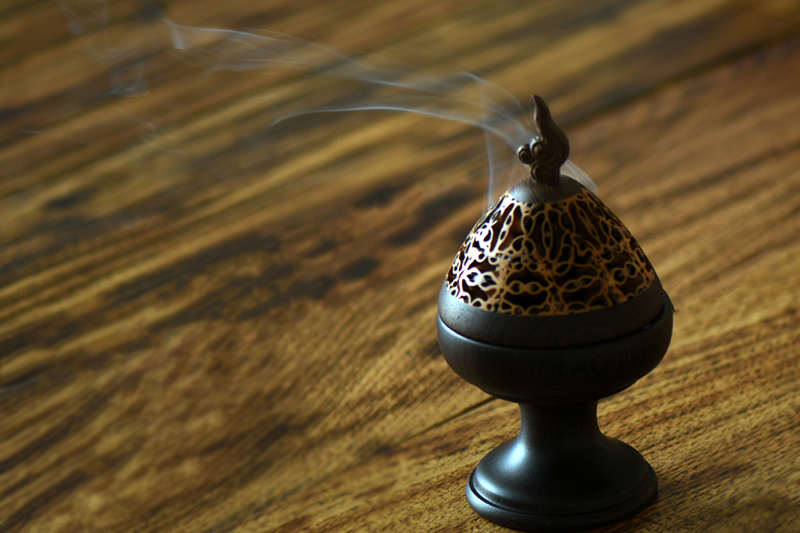
The vessel used for burning various forms of incense may differ in shape, size, and material. Often, openwork structures are created to ensure air supply. Aromatic substances are placed inside the vessel, which, during the burning process, release elements that have a beneficial effect on a person. The design of the incense burner corresponds to the tastes or religious beliefs of the owner.