



Xiaguan Tea Factory
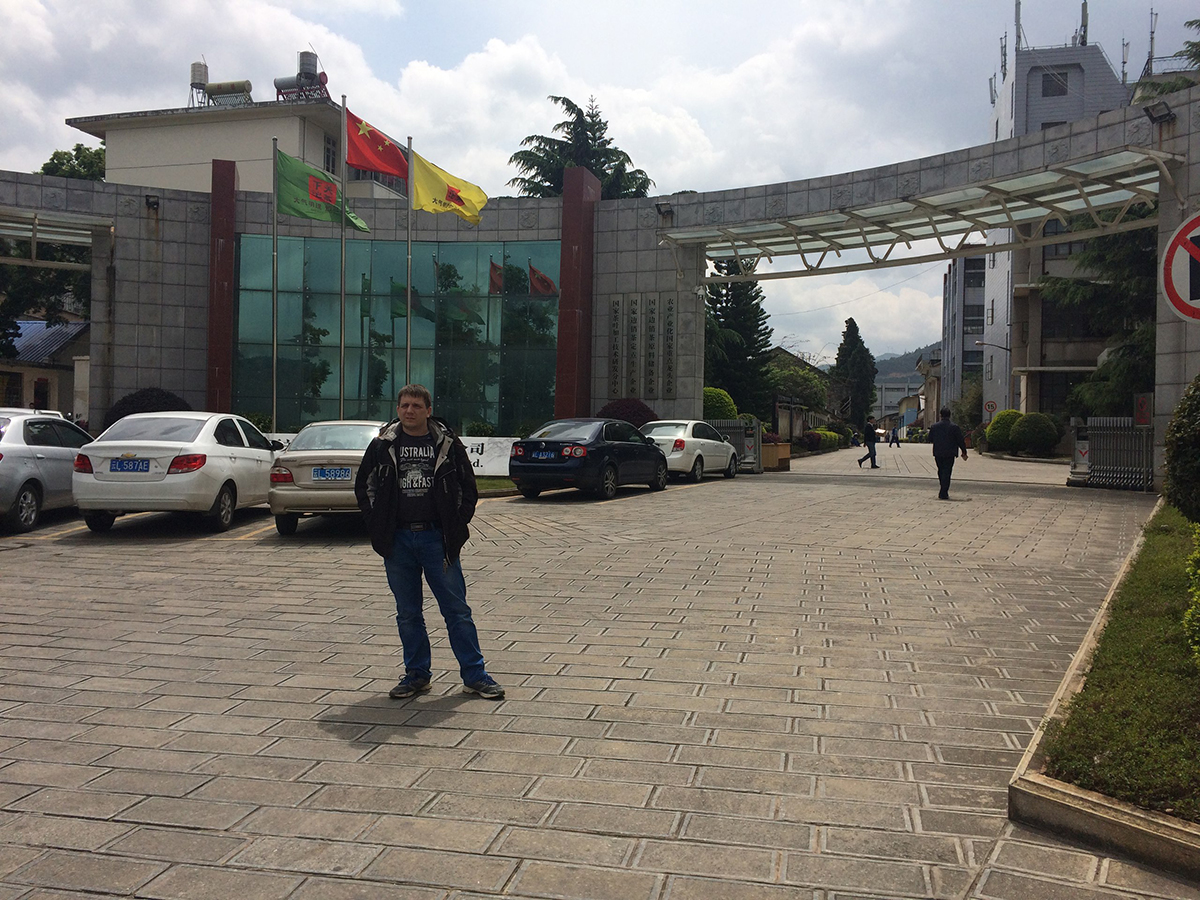
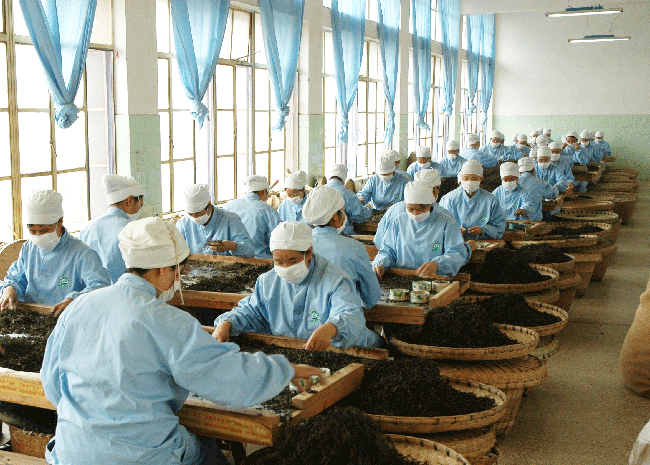
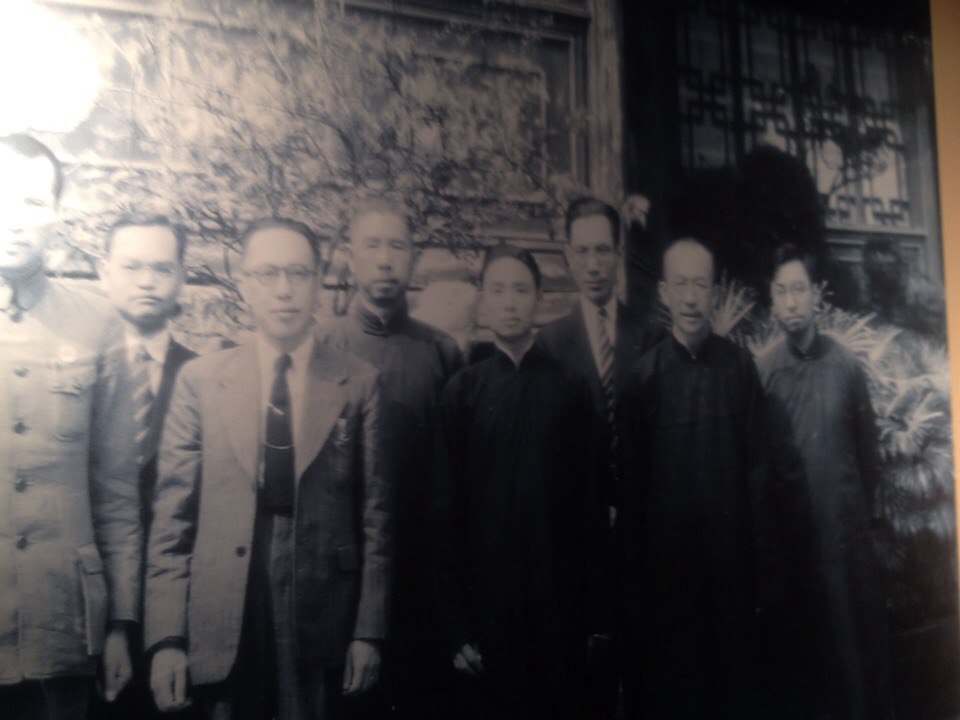
Xiaguan Tea Factory has a history of over 70 years. It was founded in 1941 and is located in Dali, Yunnan Province, which is often called the Eastern Switzerland. Beautiful nature and favorable weather, mountains and crystal clear lakes make it possible to produce excellent quality puer. Xiaguan Tea Factory is one of the main producers of pressed tea in China. It produces over 6,000 tons of puer tea annually. Xiaguan Factory produces both Shu puer and Sheng puer. However, the most popular and recognized are Sheng puer tocha (in the form of a nest, bowl) and bingcha (in the form of a pancake).
The products of this plant are also highly prized among puerh collectors, largely due to the fact that they use their own raw materials.
Today, the Xiaguan factory produces puer under several brands:
松鹤 (from Chinese sōnghè – “Pine and Crane” , which in Chinese tradition is considered a symbol of longevity): products for the domestic market, including mainly tocha and bingcha puerh. Puerh of this brand has won silver medals at international exhibitions three times since 1980, and has received the highest award, a gold medal, at international food fairs three times since 1997.
宝焰 (from Chinese bǎoуǎn - "Precious Flame") : products for the Tibetan market, including mainly jingcha (mushroom-shaped) and mini bingcha (200-gram cakes) pu-erhs.
南诏 (from Chinese nánzhào – “Southern Zhao” 629-1382. Dynasty and state on the territory of present-day Yunnan Province): products for the Taiwanese market, including mainly tocha and bingcha pu-erhs.
G (Xiaguan Factory Logo): Capital "G" is used for small, "collectible" batches of pu-erhs. Sometimes, the "G" symbol is additionally placed on other brands. Also, this symbol is necessarily pressed on all points produced at this factory.
Xiaguan
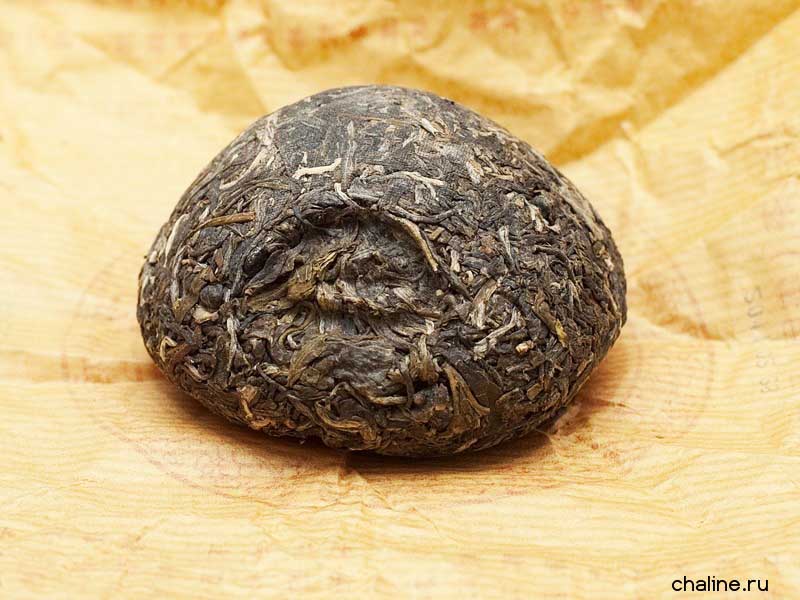
马背 (from Chinese Béimă (read from right to left), which literally translates as saddling a horse): a new Xiaguan brand (since 2005), currently only Puer Tocha is produced under this brand.
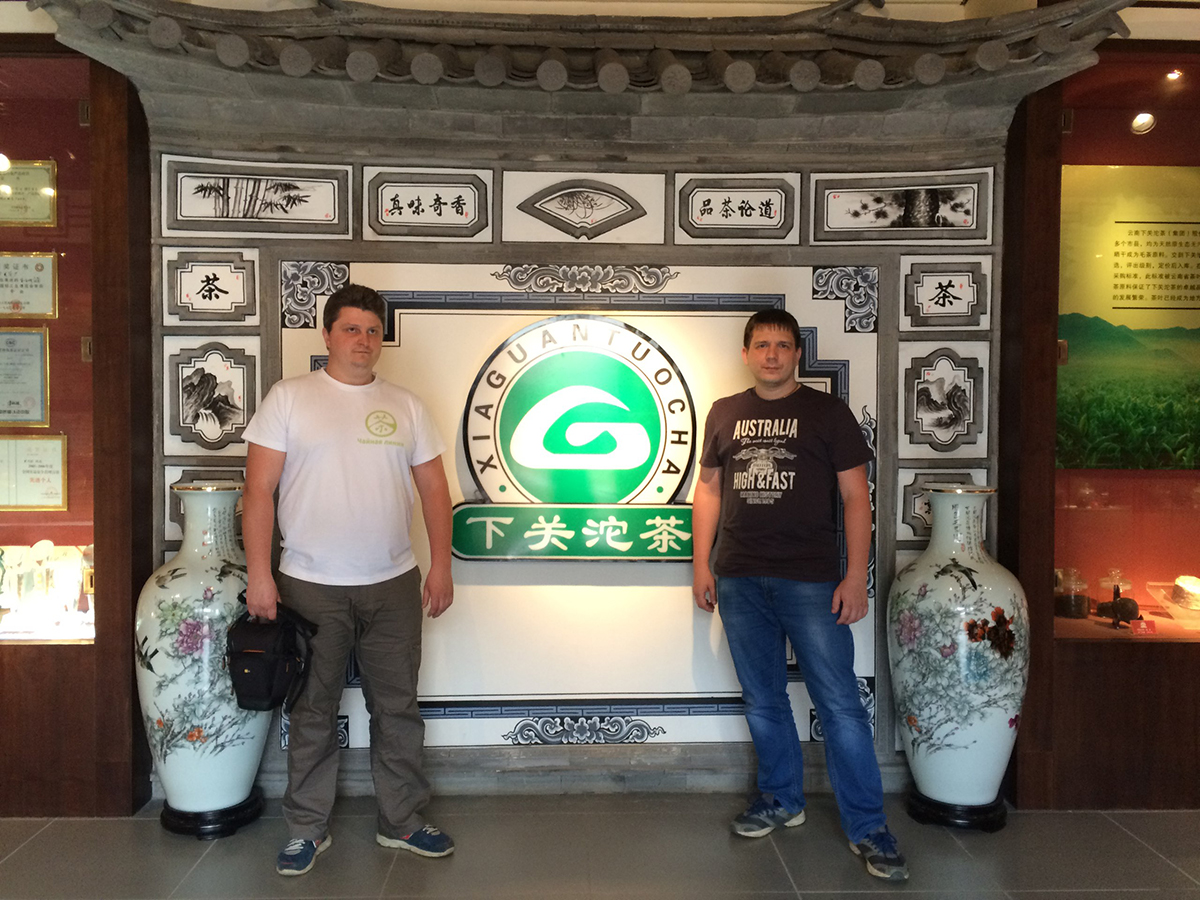
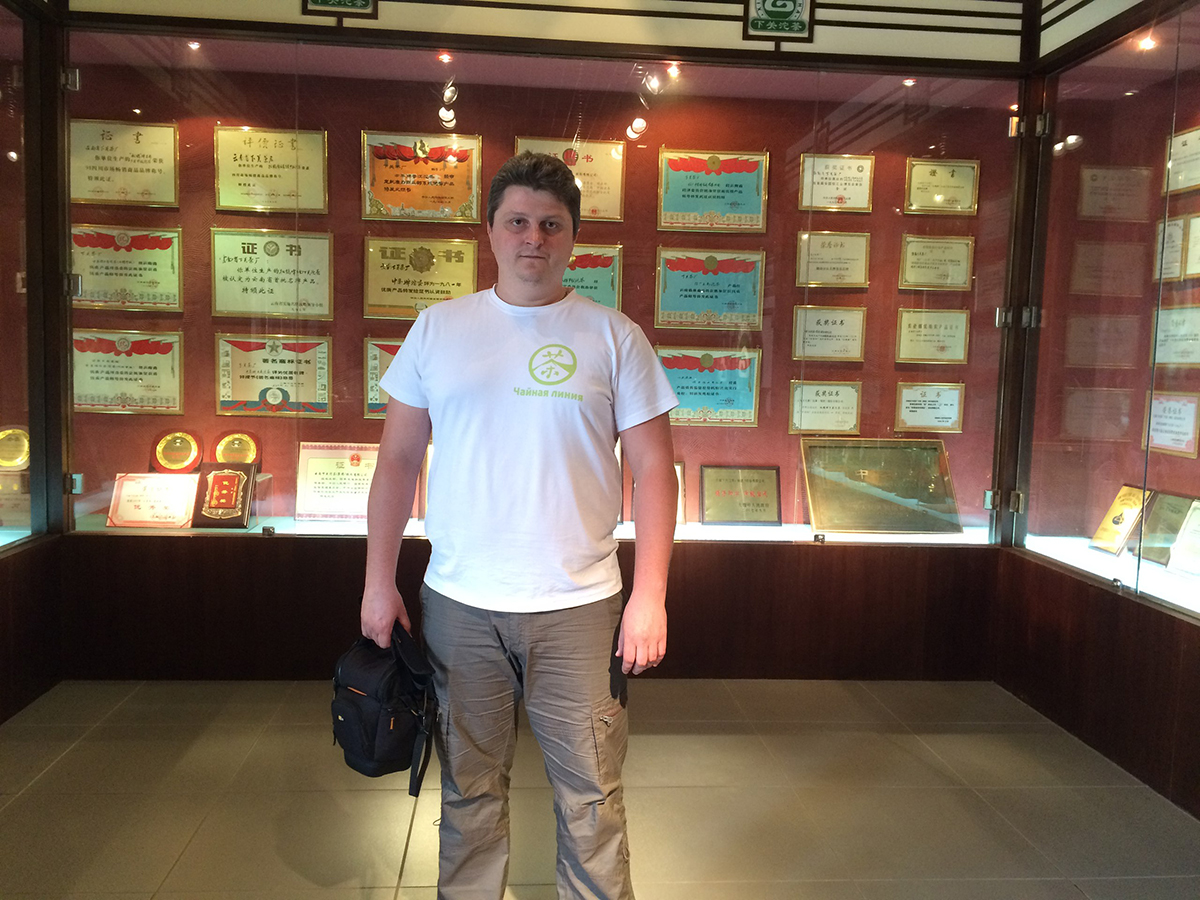
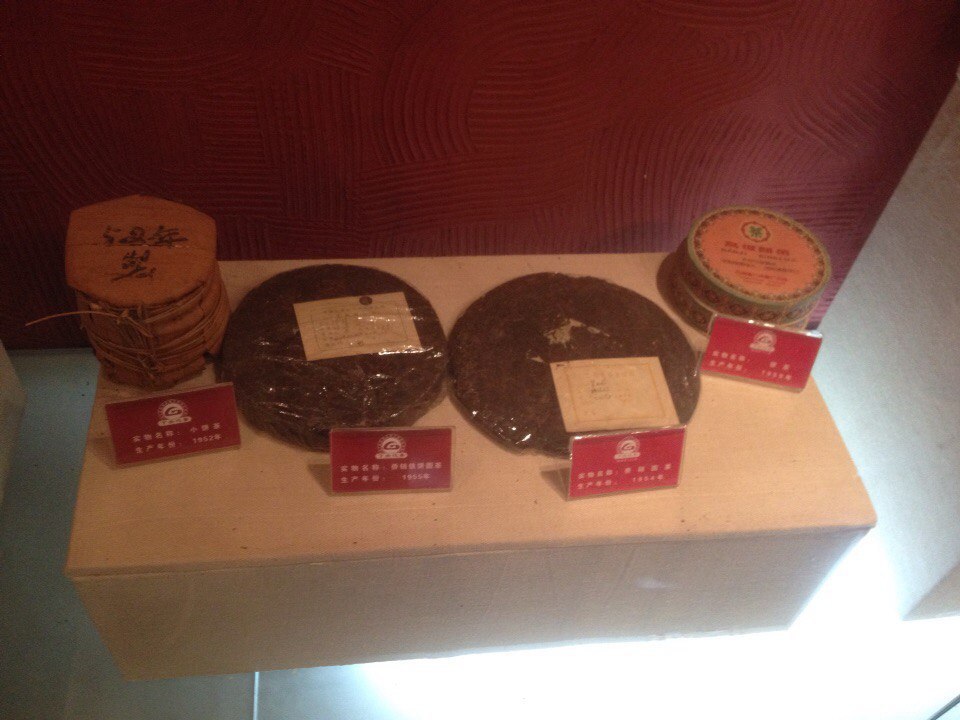
On the factory grounds there is a museum of the Xiaguan factory, which contains very rare tea exhibits, as well as examples of very old puer, some of which are over 60 years old.